Wanderlist
Texas art rocks!
Ancient pictographs adorn caves and rock shelters.
For centuries, humans have used rock art to express ideas and events. Texas is home to one of the largest and most diverse bodies of rock art in North America — pictographs (painted images) and petroglyphs (carved images) of people, animals, shapes and religious figures — across hundreds of known sites. Some of the art dates back more than 5,000 years. Because aridity promotes preservation, rock art is mainly found in the Lower Pecos Canyonlands and Trans-Pecos areas, but can also be found sparingly around Texas.

Chase Fountain | TPWD

TPWD
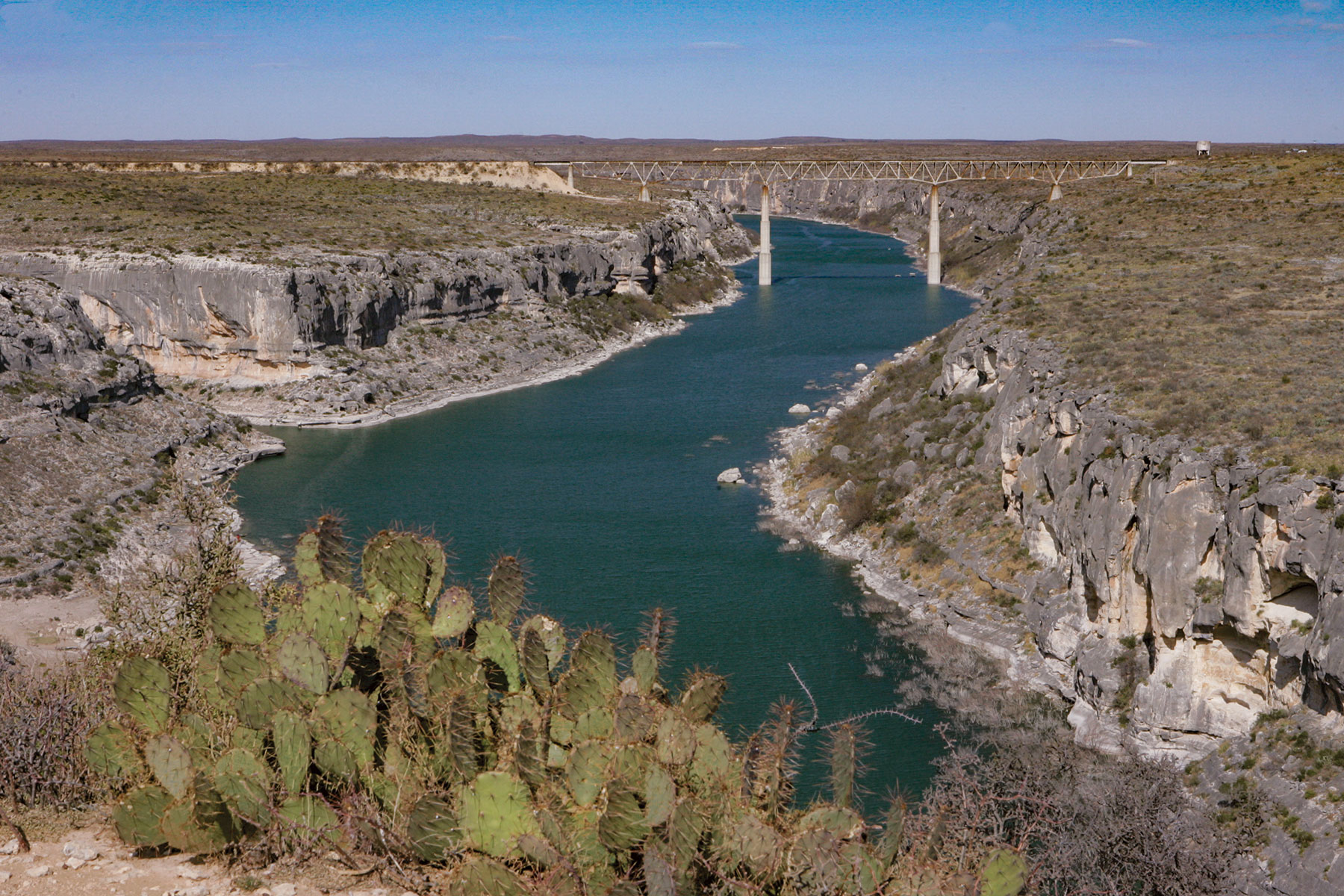
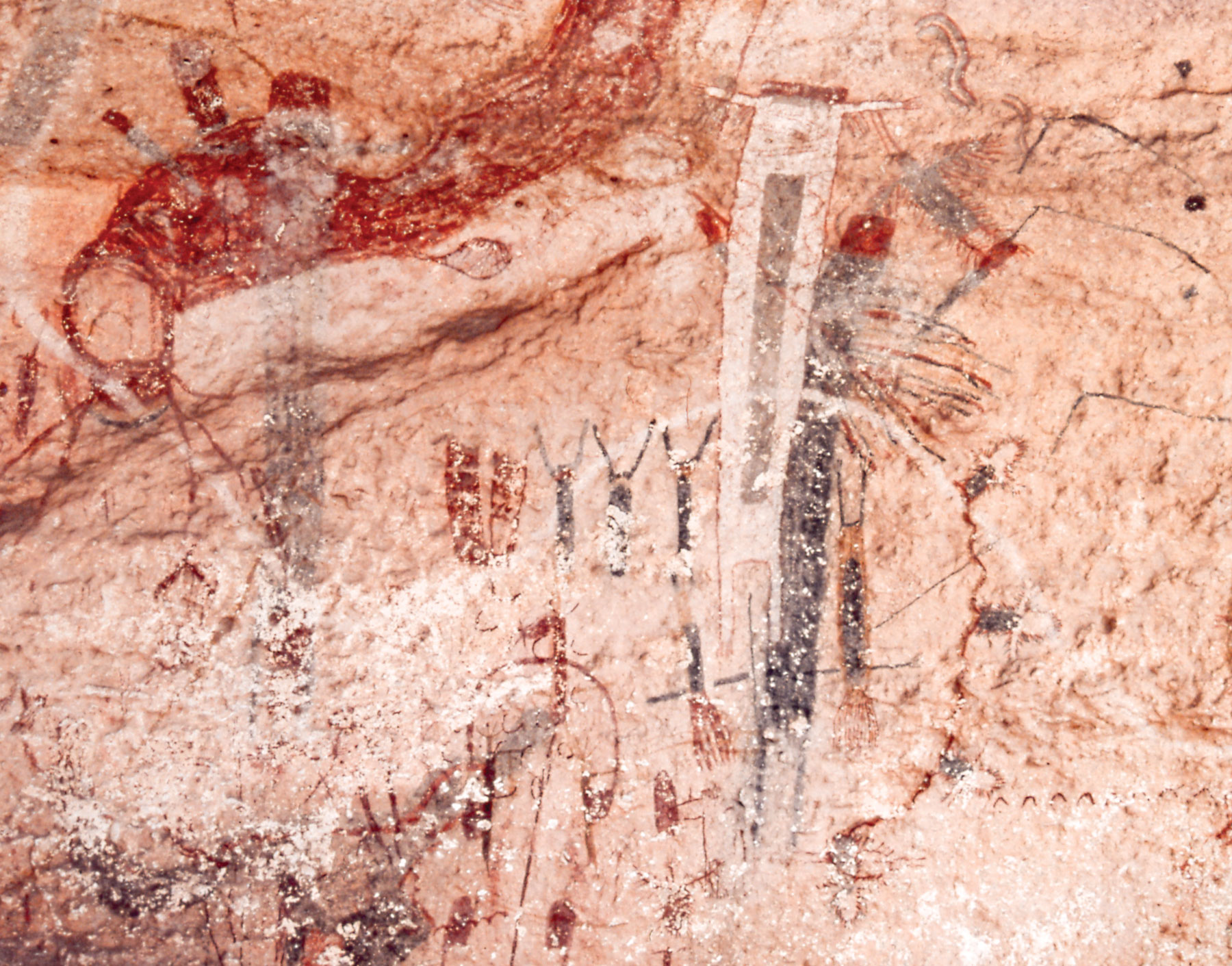
FATE BELL SHELTER
Located in Seminole Canyon State Park and Historic Site this rock shelter is one of the largest in the Lower Pecos Canyonlands, at 150 yards long and 30 yards deep. The majority of the shelter wall is covered in rock art, and its pictographs are some of the best-documented and best-preserved of the distinct style known as the Pecos River Style. Public tours are available.
Sonja Sommerfeld | TPWD
Chase Fountain | TPWD
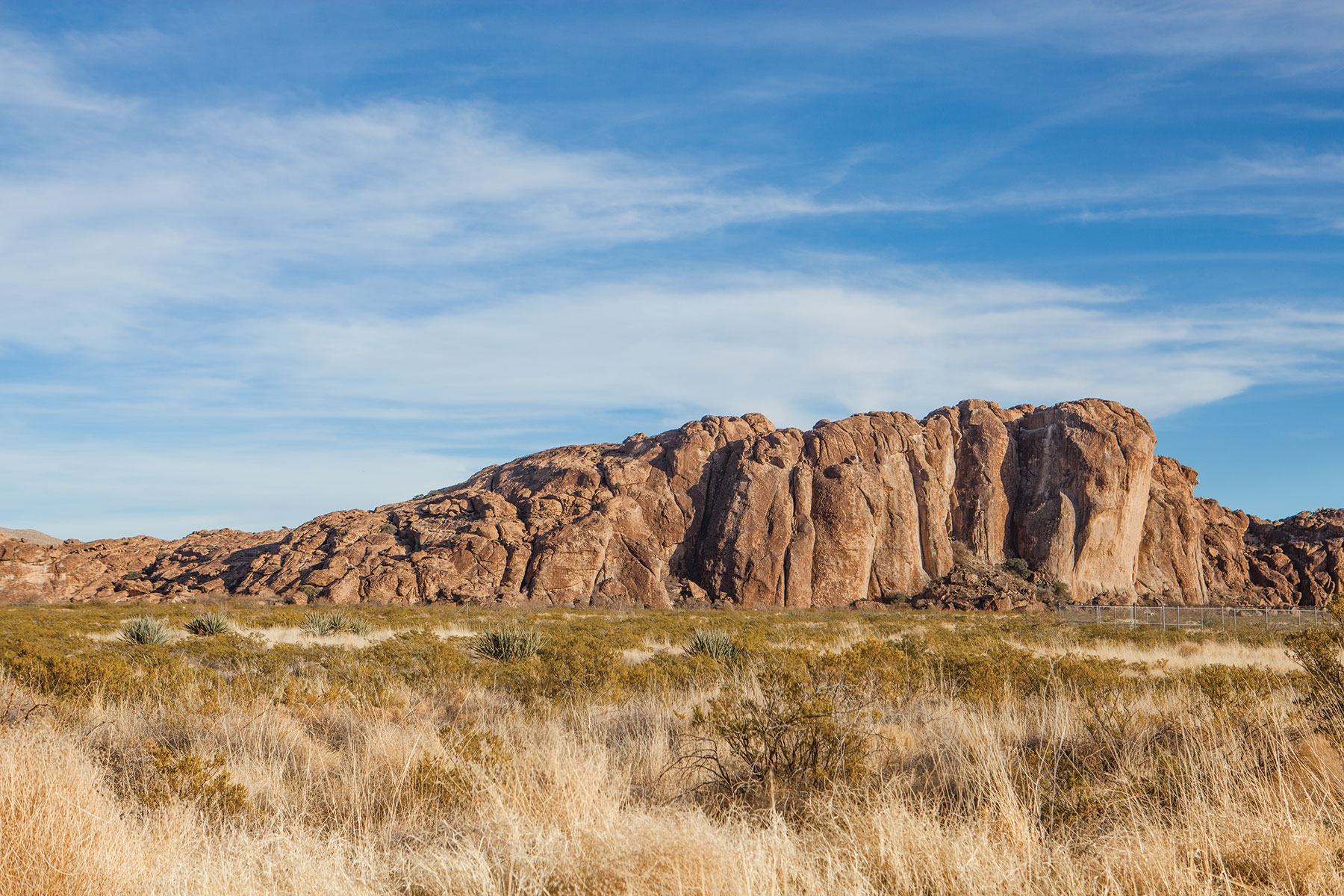
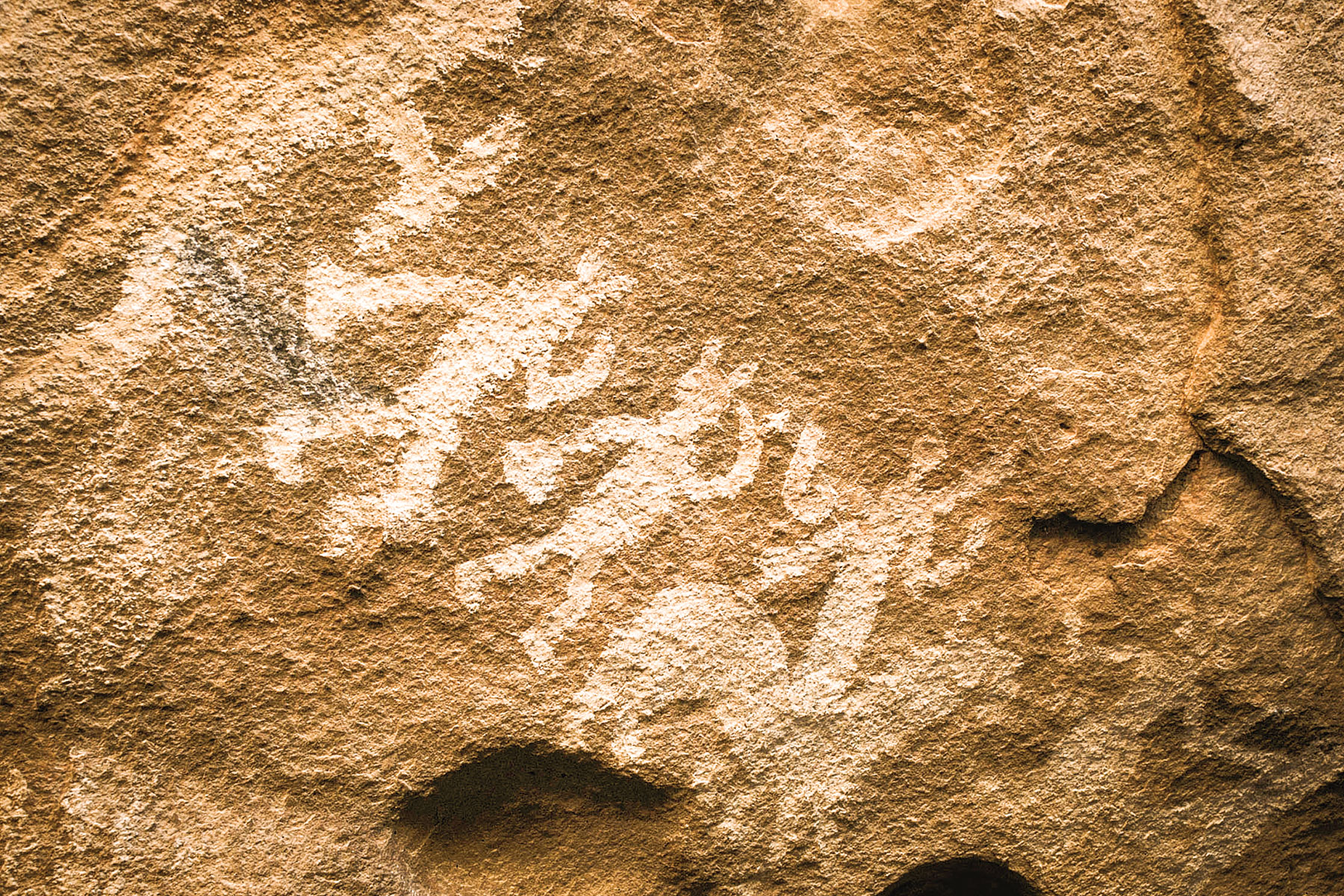
HUECO TANKS STATE PARK AND HISTORIC SITE
The rock paintings at Hueco Tanks, east of El Paso, are the artistic legacy of different peoples who found shelter at this desert oasis since prehistoric times. Hidden within crevices and caves, up to 5,000 paintings depict dancing figures, animals and faces, including the largest number of ceremonial mask paintings in North America. The state park offers guided tours.
Earl Nottingham | TPWD
Larry Hodge | TPWD
WHITE SHAMAN PRESERVE
Overlooking the Pecos River, the White Shaman mural is one of the great masterpieces of the lower Pecos. The 26-foot-long prehistoric artwork tells a story of creation, including how the sun was born and time began. Tour reservations can be made through the Rock Art Foundation, which maintains the White Shaman Preserve.
Earl Nottingham | TPWD
jeremy elliott
Paint Rock
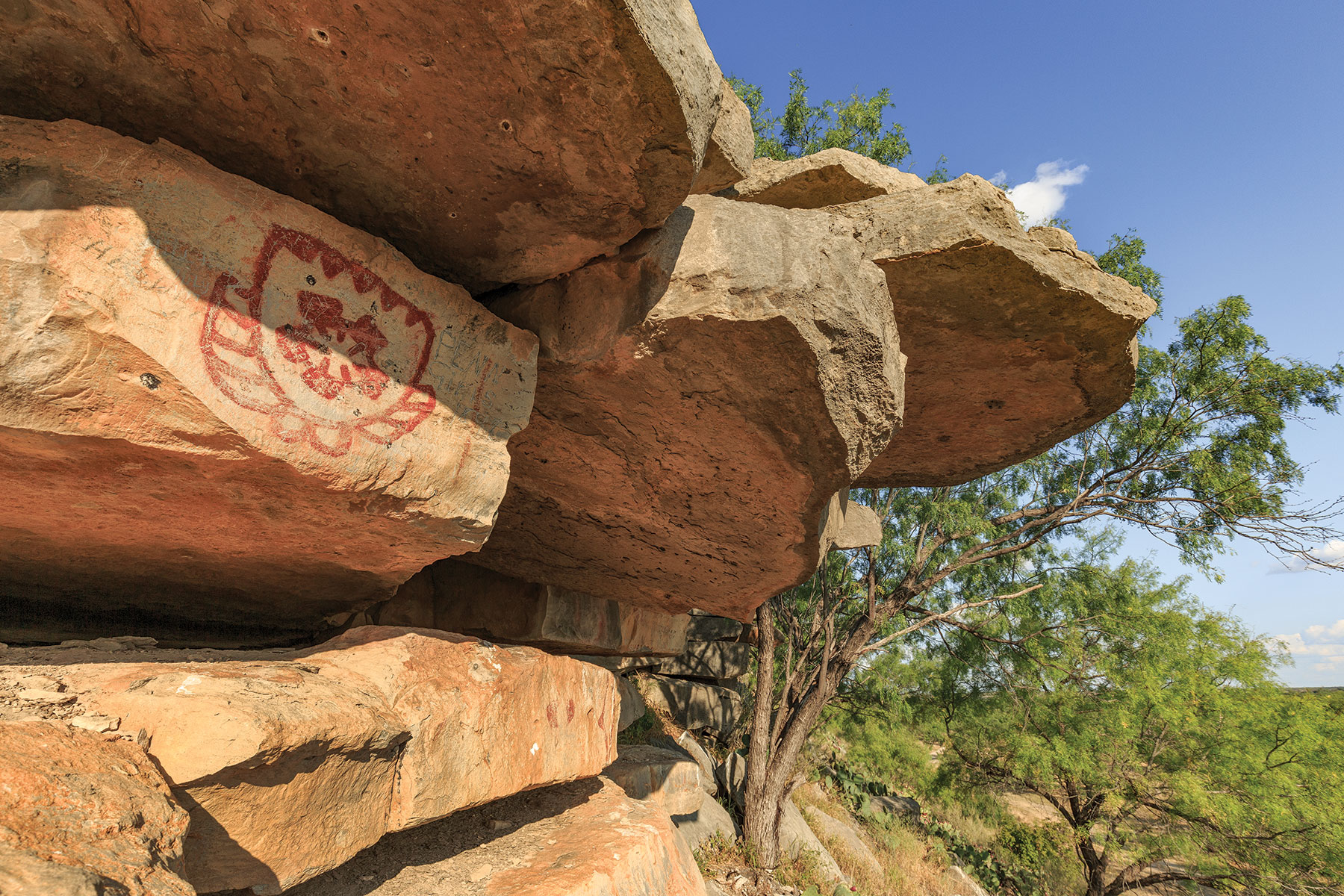
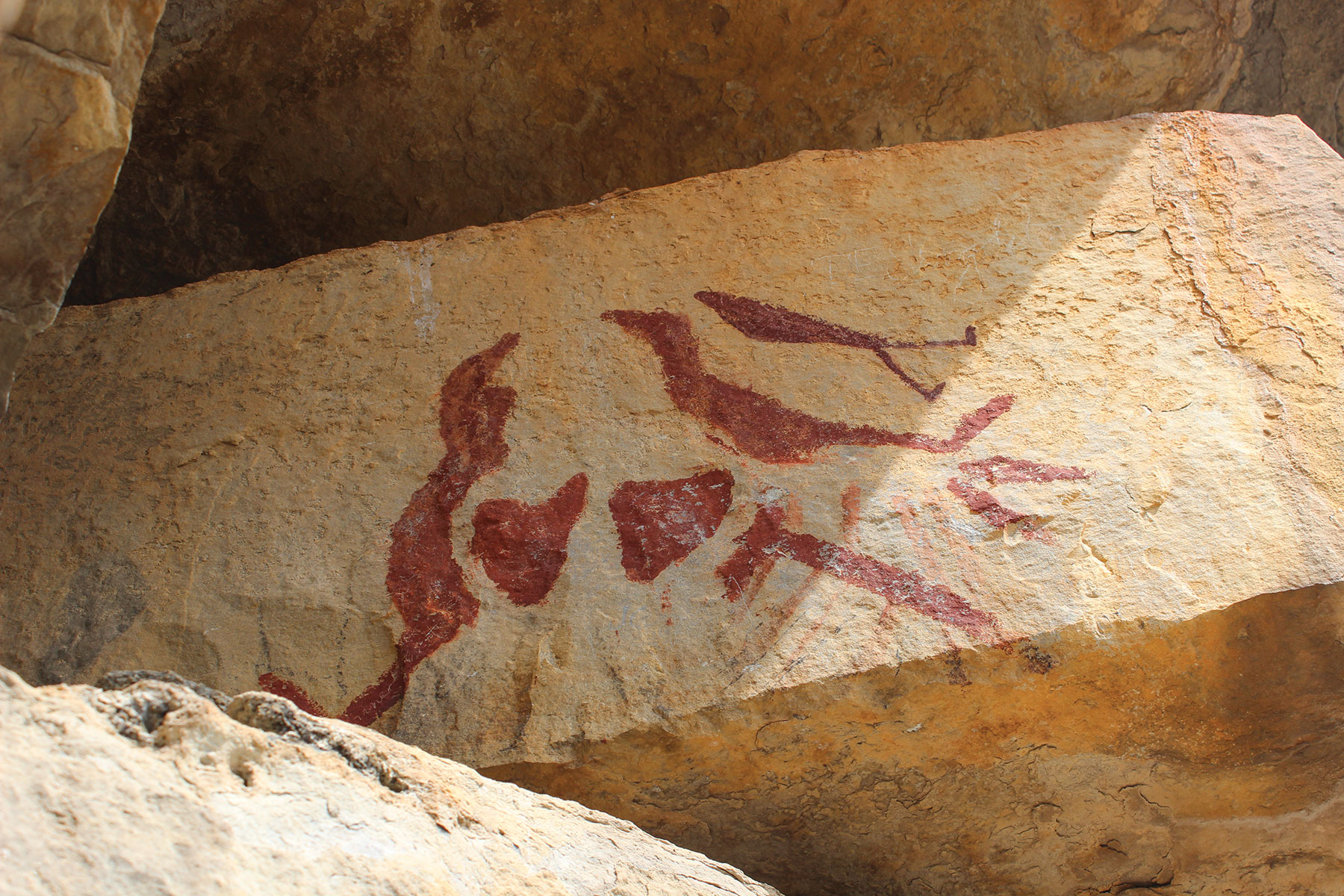
Nestled on a bluff along the Concho River is a rock site containing more than 1,500 pictographs depicting animal and human figures, geometric shapes and handprints. This bluff is unique in that it is one of the few rock art sites in central and northwest Texas. At least a quarter of the art has been destroyed by vandalism and natural causes. Private tours are available.
Chase Fountain | TPWD
John Chandler
Panther Cave
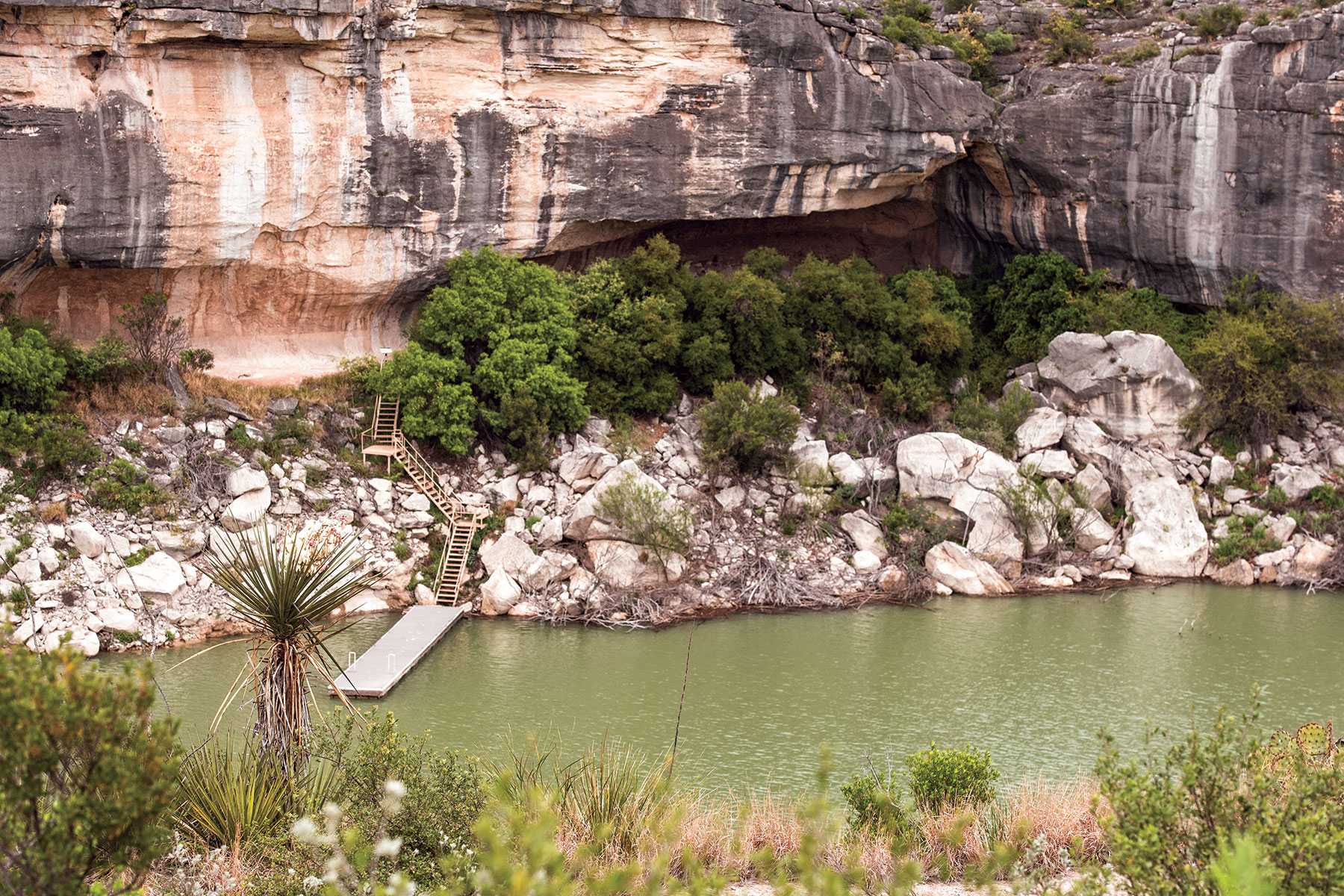
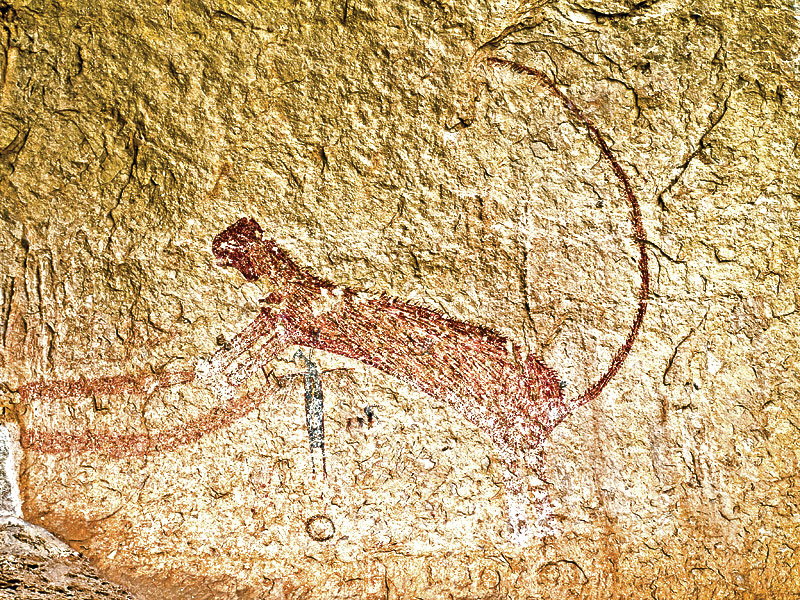
This site is also located in Seminole Canyon (where it meets the Rio Grande) and is accessible only by boat. It is the one of the region’s best-known sites and is named after the 10-foot-long red-painted panther in the main shelter. The rear wall of the shelter is covered with hundreds of motifs, many of them cat-related.
Sonja Sommerfeld | TPWD
Courtesy NPS
ALIBATES FLINT QUARRIES
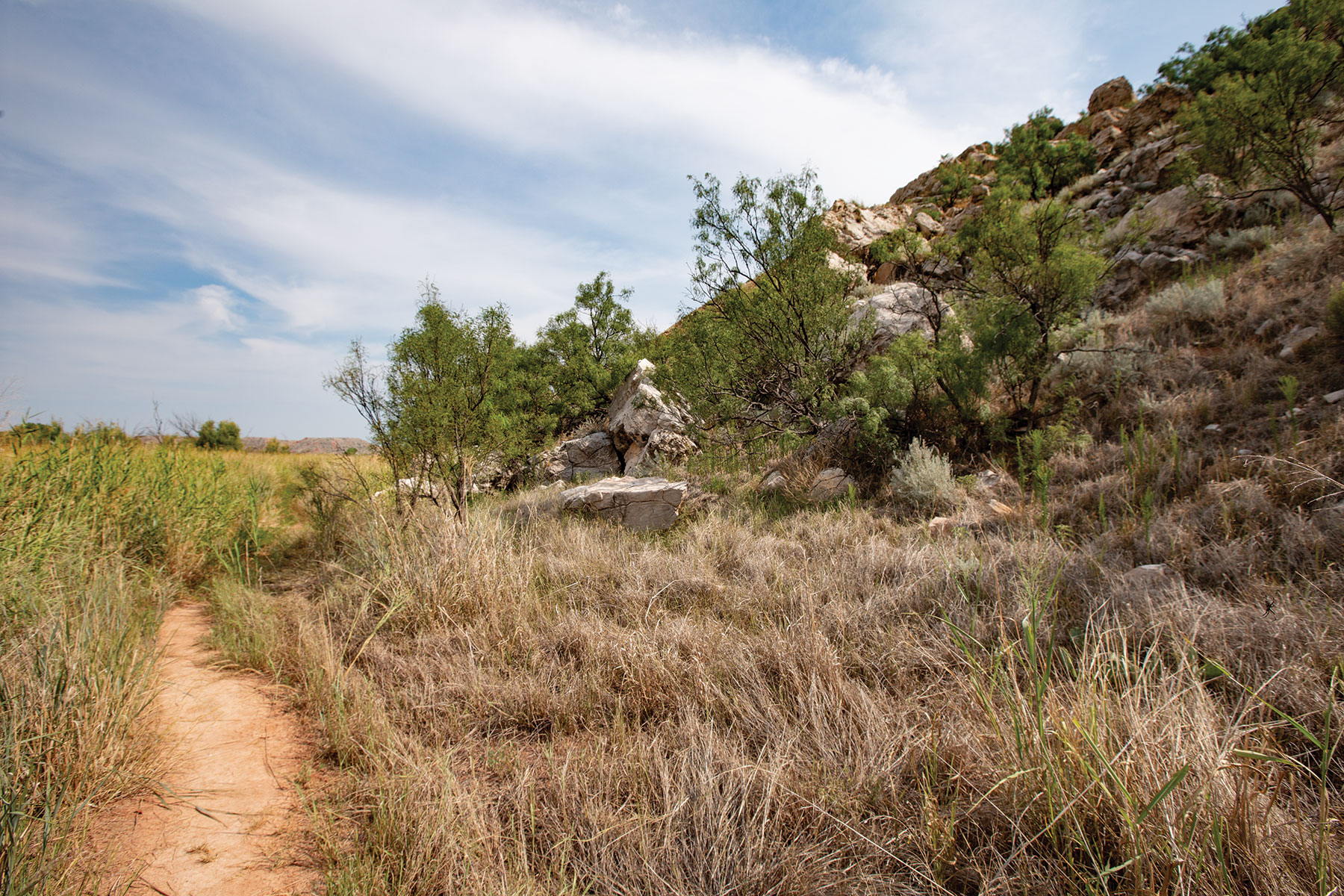
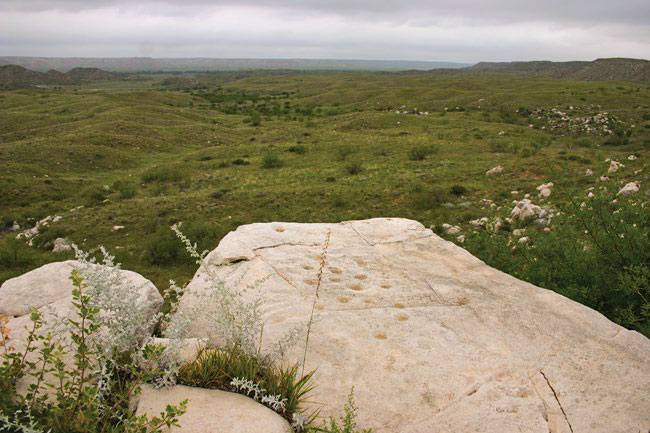
This U.S. national monument in the Panhandle is noted for its flint quarries used by humans for thousands of years. The Antelope Creek people, who occupied the area 600-800 years ago, are thought to be responsible for creating a series of petroglyphs chipped into dolomite, the rock layer that also yielded the famous flint. Ranger-led tours are available.