The first dove came in low over the sunflowers outside San Marcos, an hour before the heat broke. I heard it before I saw it. That dry whistle of wings. Any Texan who’s sat a September field knows it on sound alone. It cut the corner of the tank and slid south before I got the gun up. I let it go and watched the line it took instead, because the line’s the whole point. That bird wasn’t reading the date on my license. It was reading the doveweed gone to seed, the tank still holding water in a dry year, the thin first edge of a norther I couldn’t feel yet. It knew something I was still learning.
We like to say the seasons are set by a calendar. The birds never signed off on that. They run on something older, written in day length and seed and the cold air that slides off the Llano Estacado come October. The scientists have a name for it: phenology, the timing of living things against the turning year. Hunt out here long enough, and you become an amateur phenologist whether you meant to or not. You stop hunting dates and start hunting cues, and mostly you don’t notice the switch. The birds keep their calendar. You learn to keep one of your own, a season ahead of theirs.
It really starts back in the heat of August, with the opener still a month off and the work that matters already underway. Cases of shells laid in. The hunting license squared away. All the migratory game bird permit requirements obtained and ready to go. All of it done long before the first dove crosses a fence line. Then it turns to people. You call the friend you’ve been swearing for a year you’ll finally take (there’s always one) and make sure their hunter education is done. A few days before the opener, the two of you go stand on the sporting clays course and knock the rust off both your swings. The last couple weeks, you just watch. Driving the back roads at dusk with the windows down, counting birds off the wires till you’ve got something like a plan. Which the opener will mostly ignore.
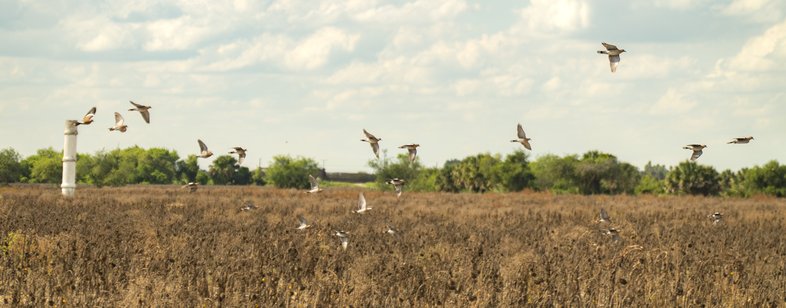
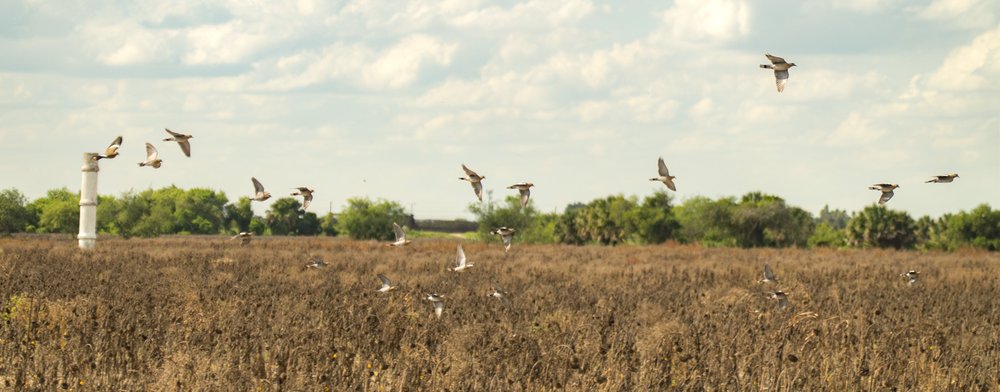
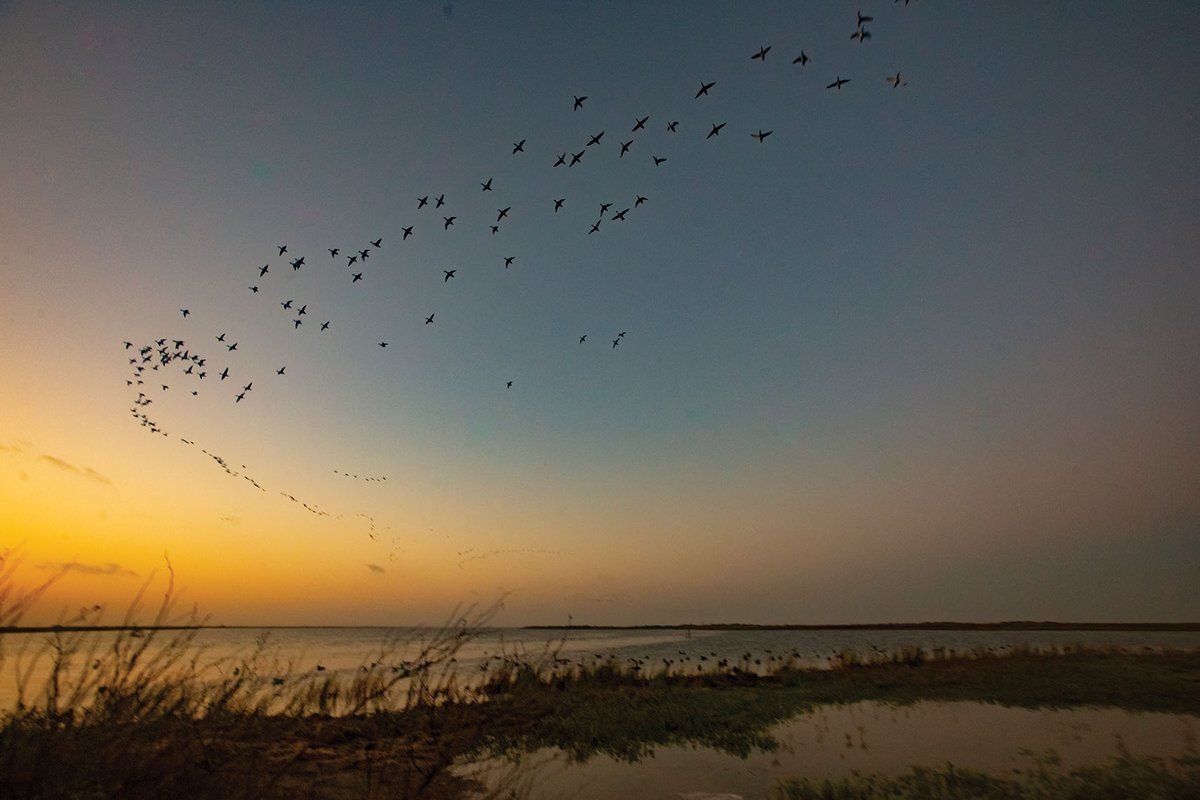
Doves take off across an open field.
Doves take off across an open field.
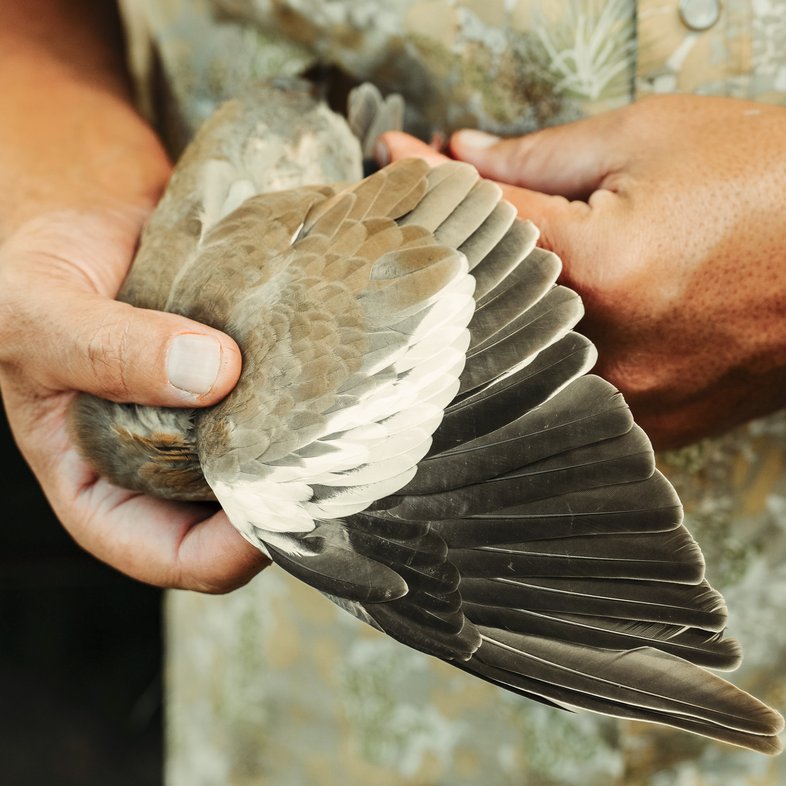
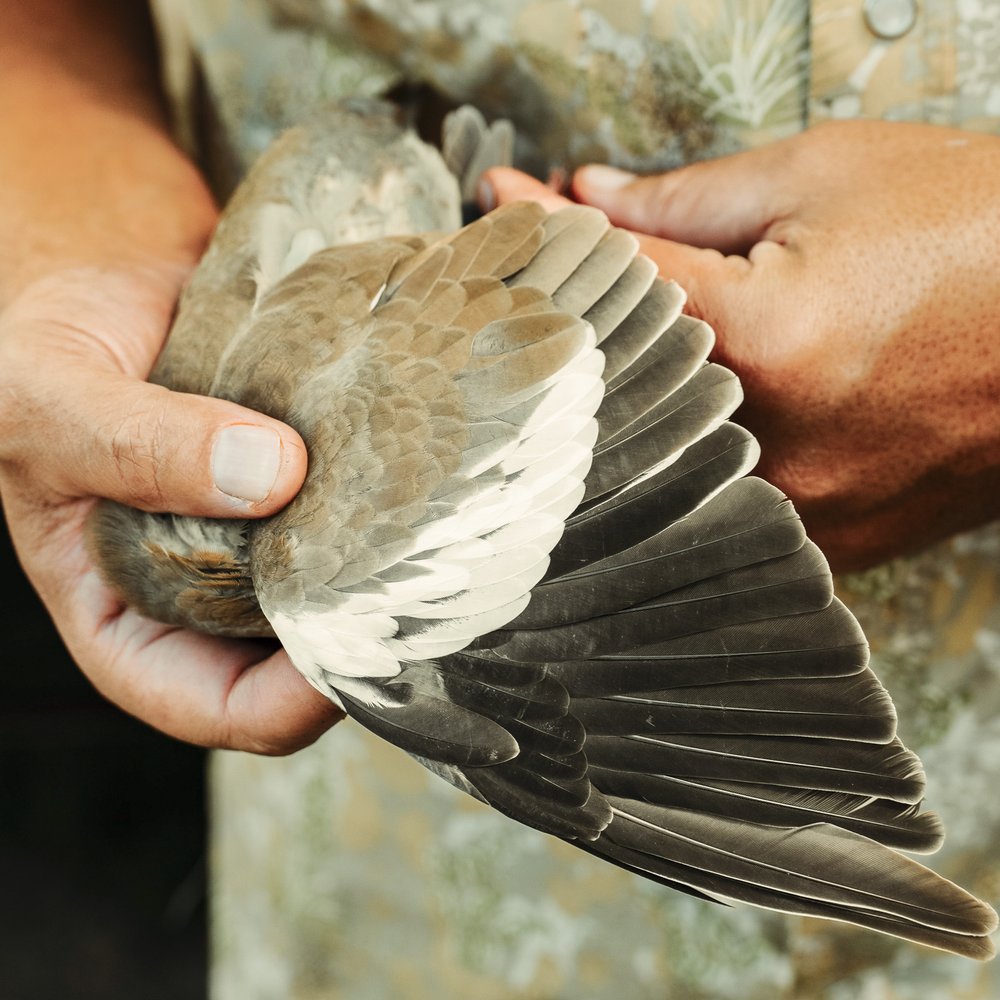
The fall season opens Sept. 1 with white-winged doves.
The fall season opens Sept. 1 with white-winged doves.
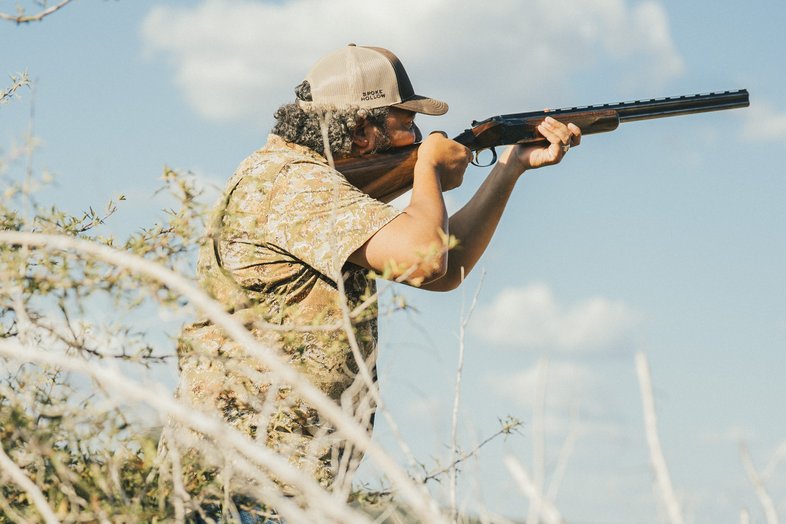
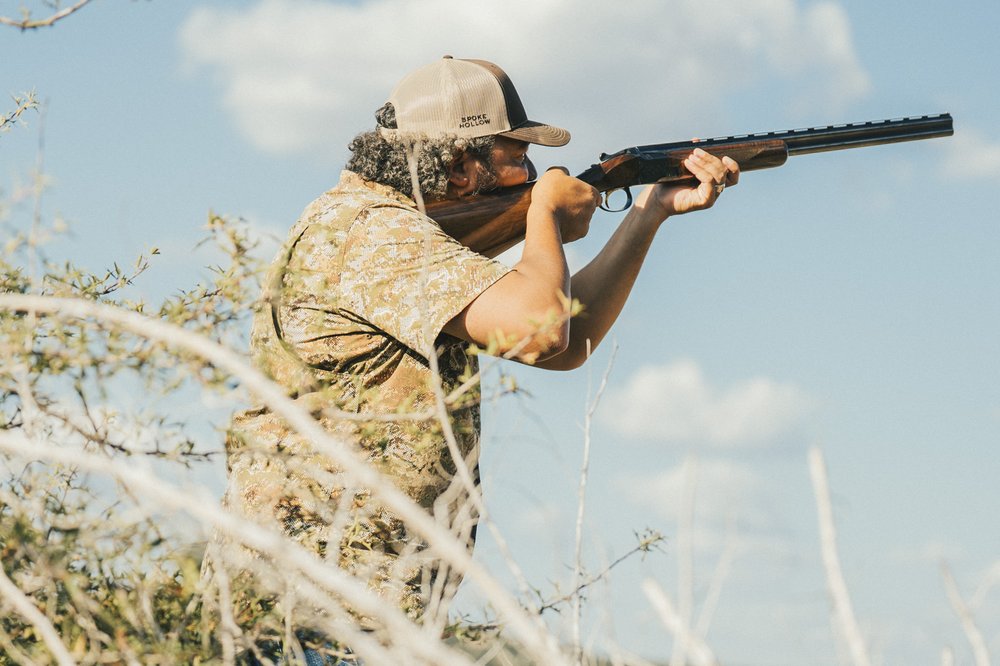
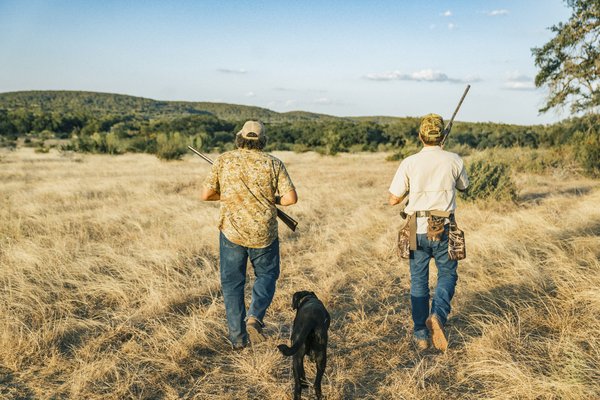
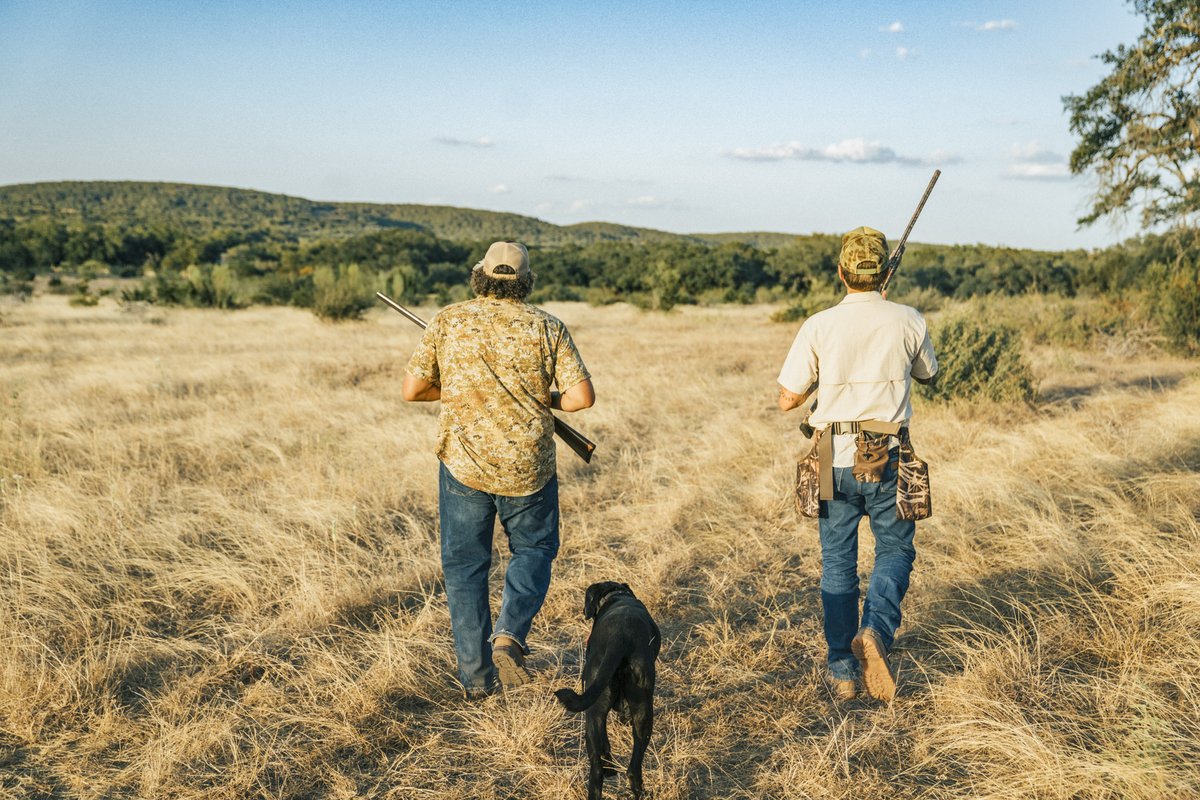
Dove hunting is a fall tradition for many Texans.
Dove hunting is a fall tradition for many Texans.
Dove
September 1 is the dove kick-off. It's circled in every camp house in Texas, about as close to a holiday as hunting gets, the official start of hunting season. The white-wings move first. They were a deep South Texas bird a generation back, and now they nest in the parking lots of San Antonio and Austin. They clear out on a schedule all their own, gone from a county before the mourning doves have made up their minds. Light moves them — the shortening of it, mostly, plus the food and water coming and going underneath. Doveweed, also known as croton, drops its little oil-black seeds whenever it feels like it. The birds bend toward whatever field has them, same as they’ll bend for a cut sunflower patch or a stock tank still wet in a dry year. A field dead empty on August 25 can be gray with birds by the second of September.
Then the opener’s behind you. You hunt it, and you hunt a few mornings after, but your expectations have cooled. There’s no telling how a morning will go until you’re sitting out there reading the sky. The local birds wise up and thin out. The early shooting tapers. After that it’s all weather. Not the weather over your own place, either, but the weather two and three states north, the fronts dropping down through the plains and shoving fresh birds ahead of them in waves.
Duck and More
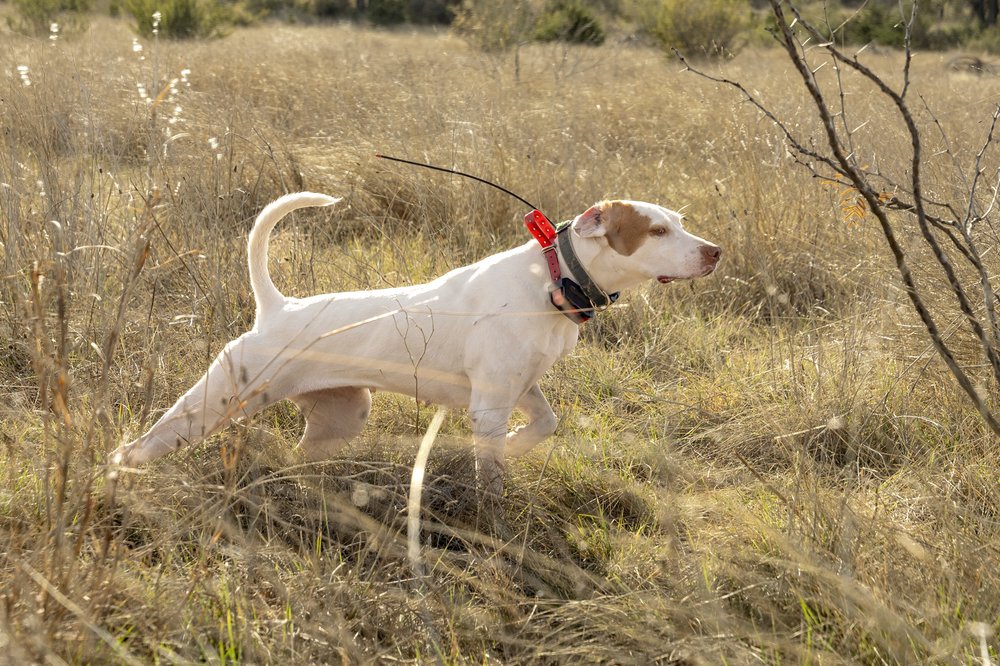
Right about when the dove dwindle and your mind starts to drift, the teal show up to save you. Blue-wings come through in September, way out ahead of the hard cold. Some of us wouldn’t dream of missing the opener. They’re the first birds out, off the prairie potholes up in the Dakotas and Canada weeks ahead of everything else. They carry the same itch the old bird books pinned a German word on: Zugunruhe, the need to be somewhere else. You shoot them hard for a couple of weeks, then drift back to dove as the teal thin out and season closes. Rowdy, my Lab, works the whole stretch. He finds his legs on dove and teal before the long grind of duck season down on the El Campo prairie. On the mornings I leave him home, I run the pointers in the cool to keep their heads right for a quail season still months off.
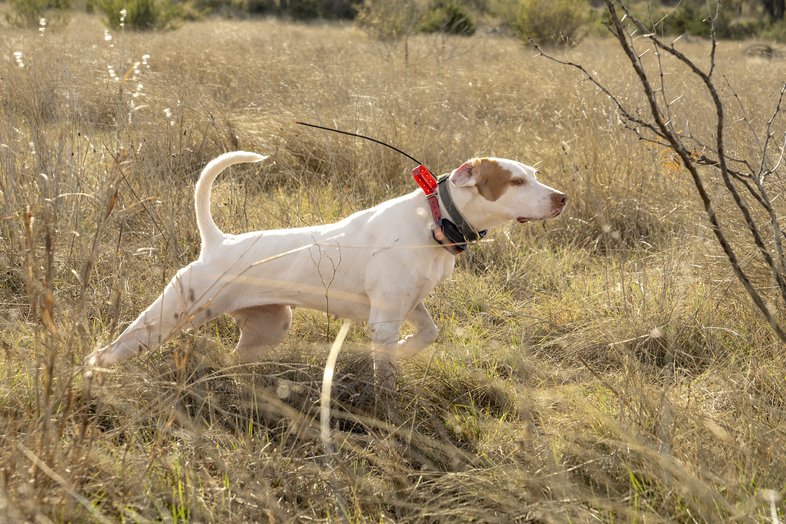
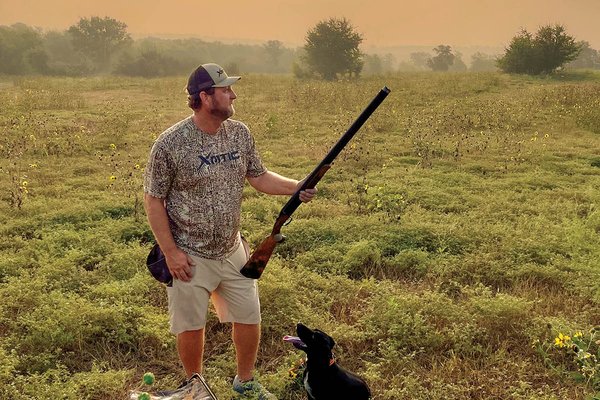
Hunter and dog work together as a team.
Hunter and dog work together as a team.
October’s mostly waiting. A duck hunter spends it fussing over gear. If you put things up right last winter, it’s just a walk-through. A decoy turned over for a cracked keel and a chafed line. Fresh batteries in the headlamps. Waders held up to the light searching for the pinhole leak that always waits for the coldest morning.
November’s the cold that counts. A blue norther doesn’t arrive so much as fall on you, 30 degrees gone between one cup of coffee and the next. The birds come down on the back of it. Pintails, gadwall, wigeon. Mallards working the river bottoms. On the coast, redheads piling into the Laguna Madre by the tens of thousands. Walk the wet ground, and you’ll jump snipe and rail and gallinule besides. The old-timers swear the first hard norther shows up later than it used to, and the doveweed sets earlier. I’ve hunted long enough now to think they’re onto something. But none of it keeps to a date. It keeps to weather a thousand miles off, to a pothole skinning over with ice up in Saskatchewan that tips a whole continent of waterfowl south in a night.
Quail open in November too, a third clock that’s been ticking since last spring. Bobwhite and blue quail get made or unmade by rain that fell months before anybody thought about a gun. A wet spring puts up the forbs. The forbs put up the bugs. The bugs feed the chicks through those first brutal weeks, and a good June hatch turns into a good covey rise come Thanksgiving. A dry one leaves you next to nothing. So a quail hunter’s really watching the sky back in April. By the time the bluebonnets brown out, you already know in your gut what kind of season’s coming.
The hunting itself, when it finally comes, is less about birds than about the dogs. Pip, Sally, Schultz and Sonny: four pointers and four different ways of going about it. You can run them at the November opener, when the coveys are big and green, and I do. But the real thing waits on cold, because you can’t run a pointer hard in warm weather without cooking it. So you chase the cool the way duck hunters chase the cold, working south as the season ages. By January I’m usually way down on the border near Brownsville, where a dog can run from sunup to dark. Those trips carry their own rituals. Vera’s, down in Brownsville, is the only barbacoa worth the detour. It’s open three days a week starting at 5 in the morning, which is exactly when I show up. Those same cold weeks pull the woodcock down into the East Texas timber too, odd long-billed things riding the freeze south out of the north woods and stopping in the Pineywoods bottoms, far as they ever go.
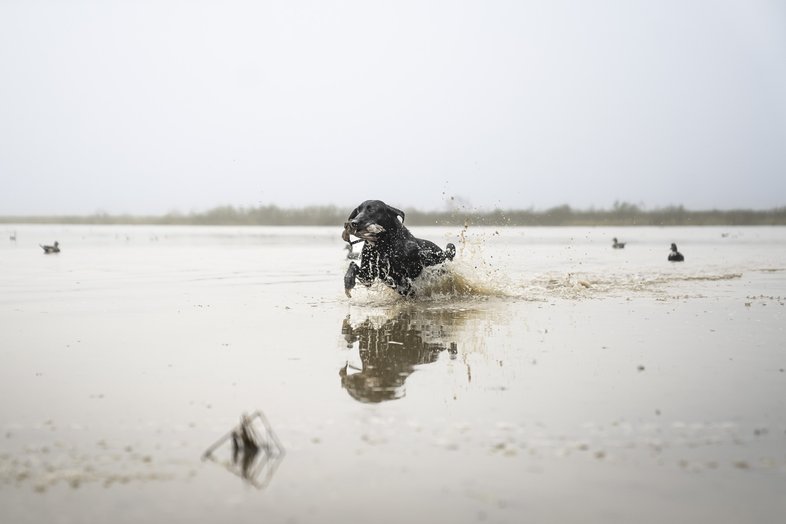
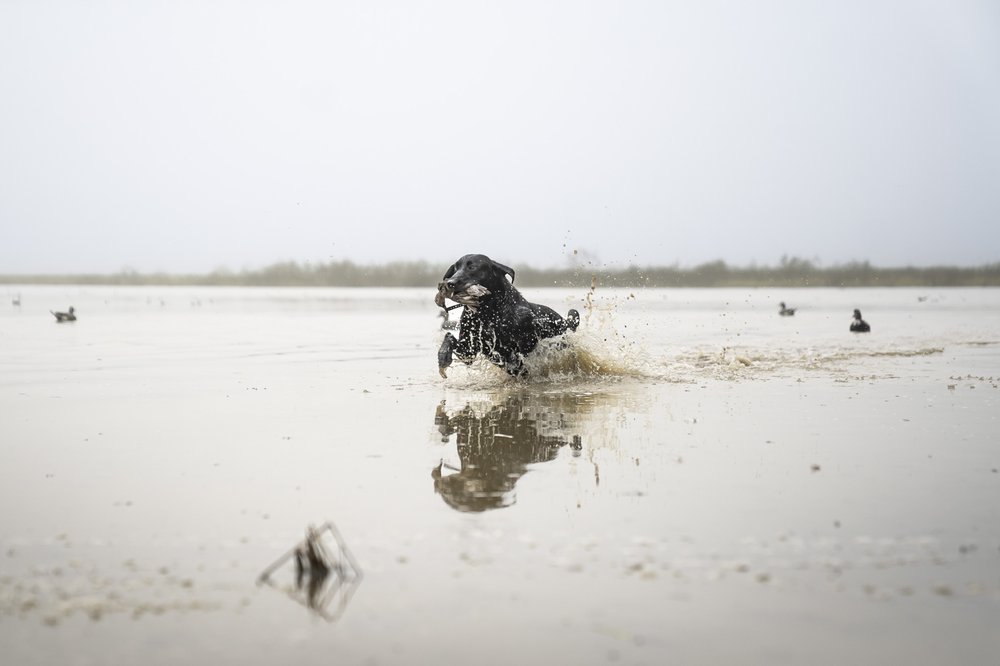
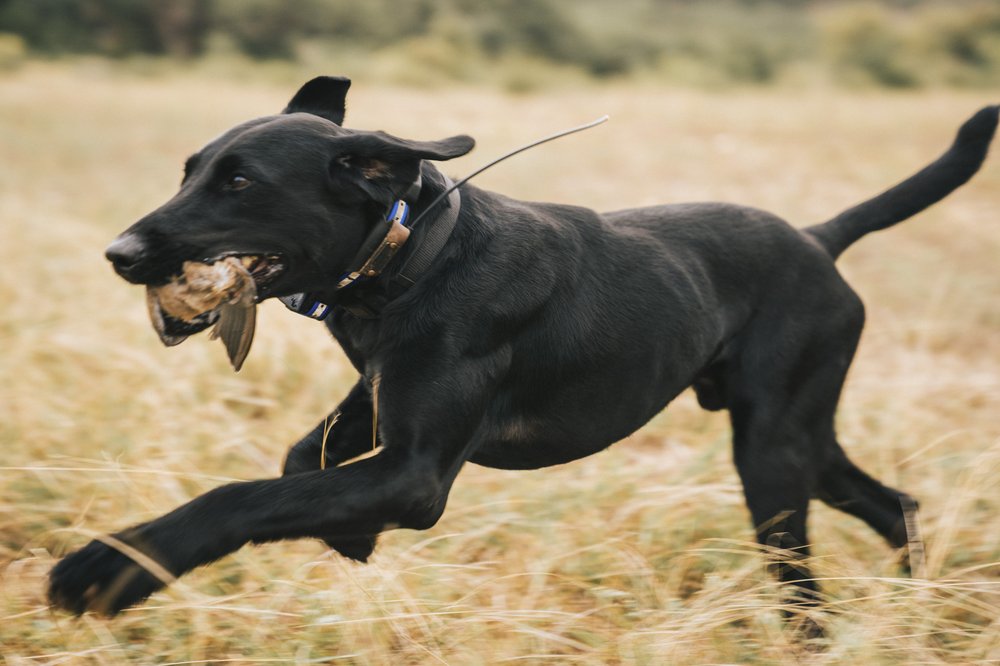
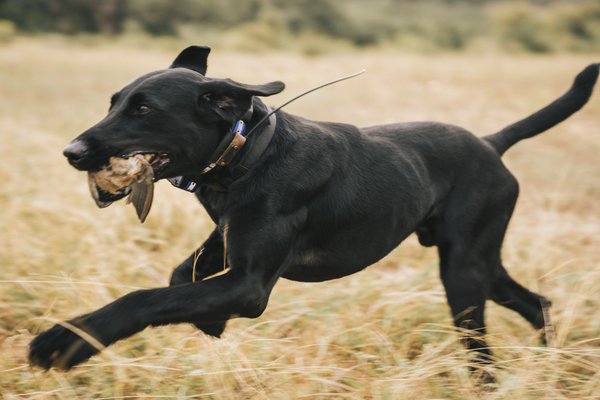
The author's dog Rowdy retrieving a duck.
The author's dog Rowdy retrieving a duck.
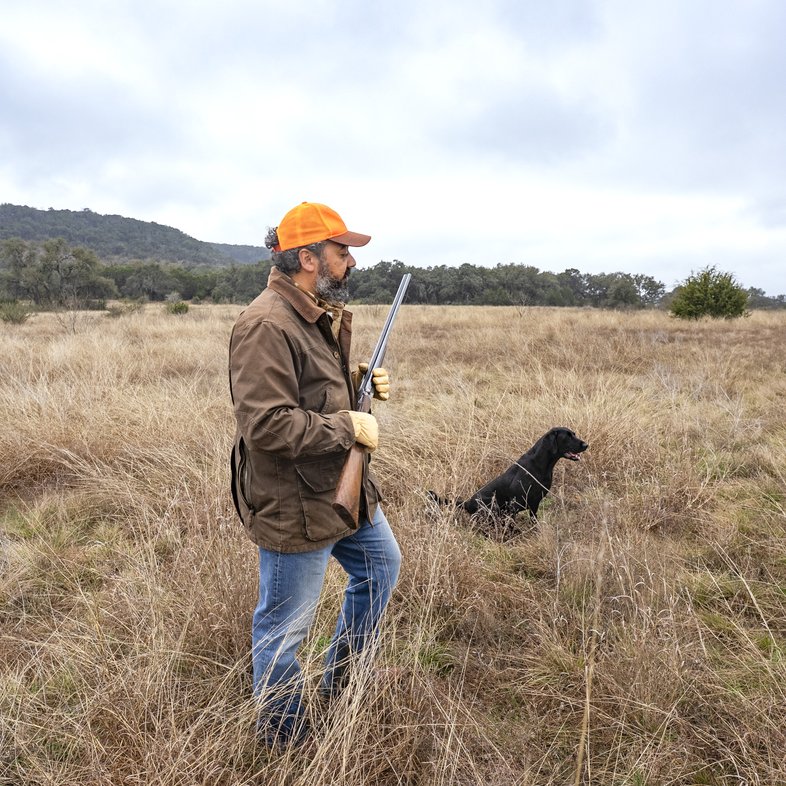
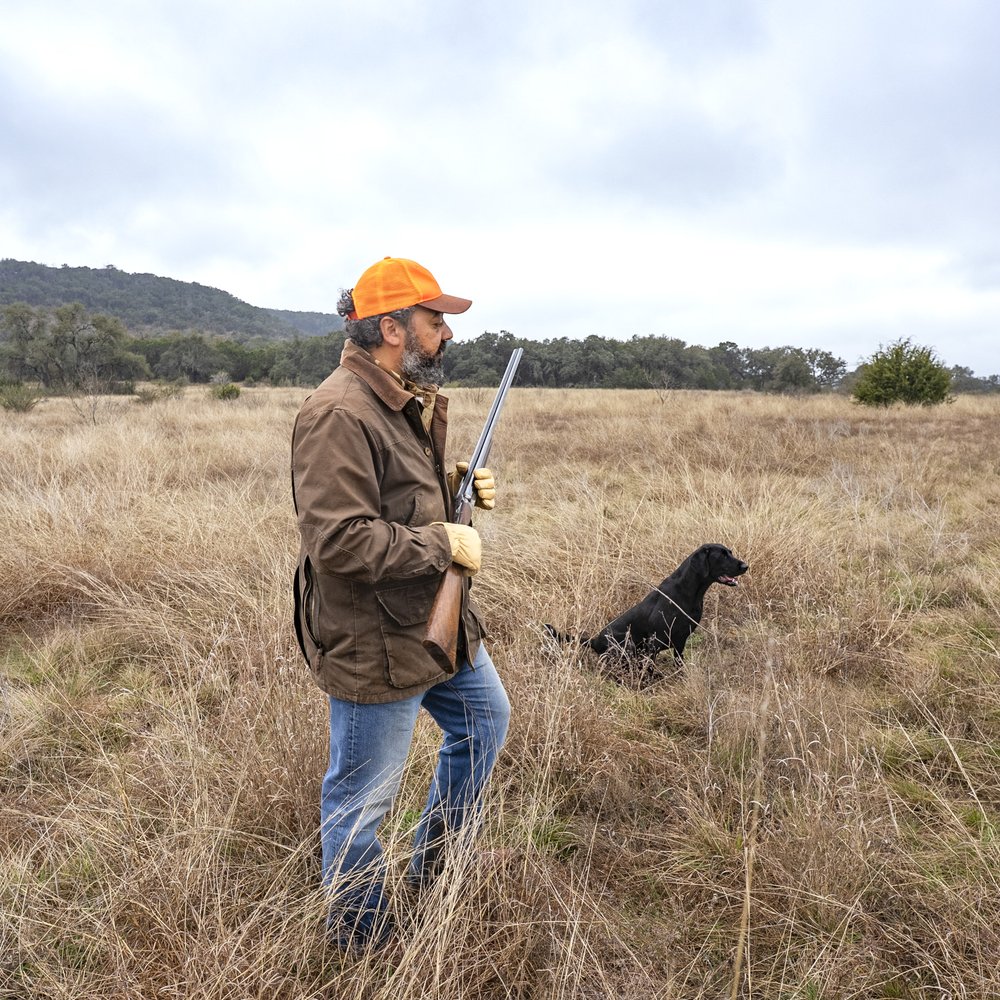
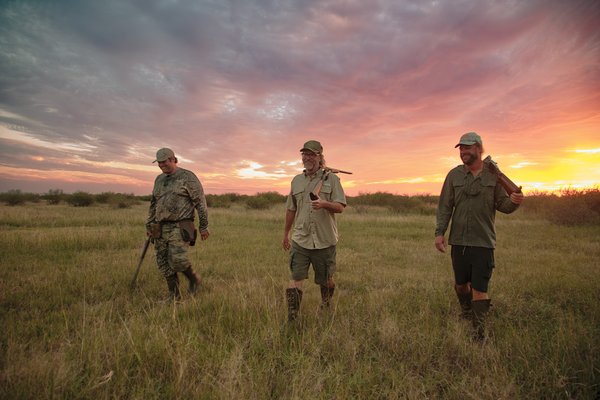
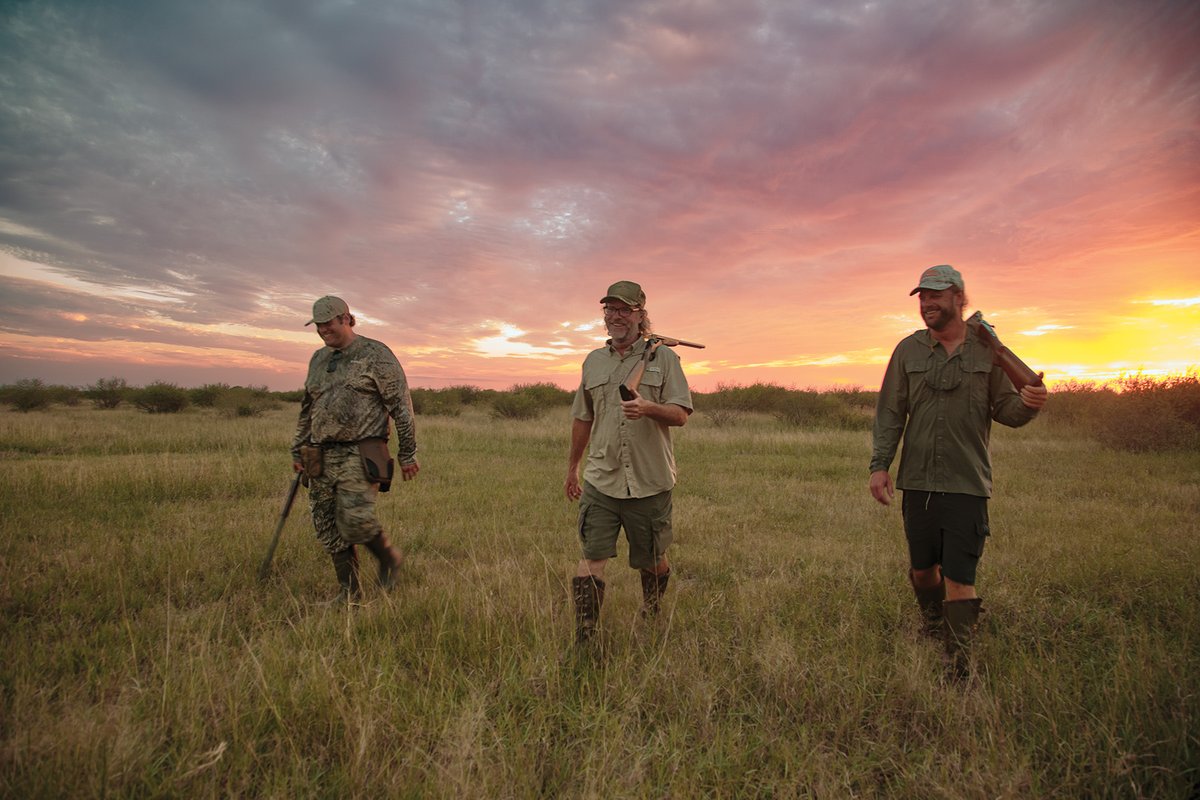
Dogs come along on quail hunts, too.
Dogs come along on quail hunts, too.
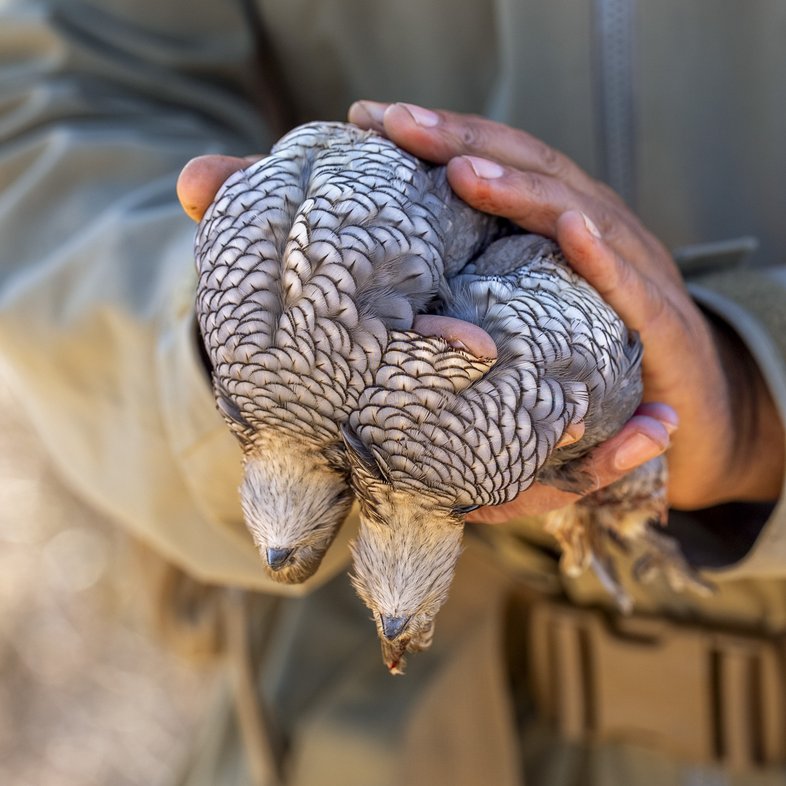
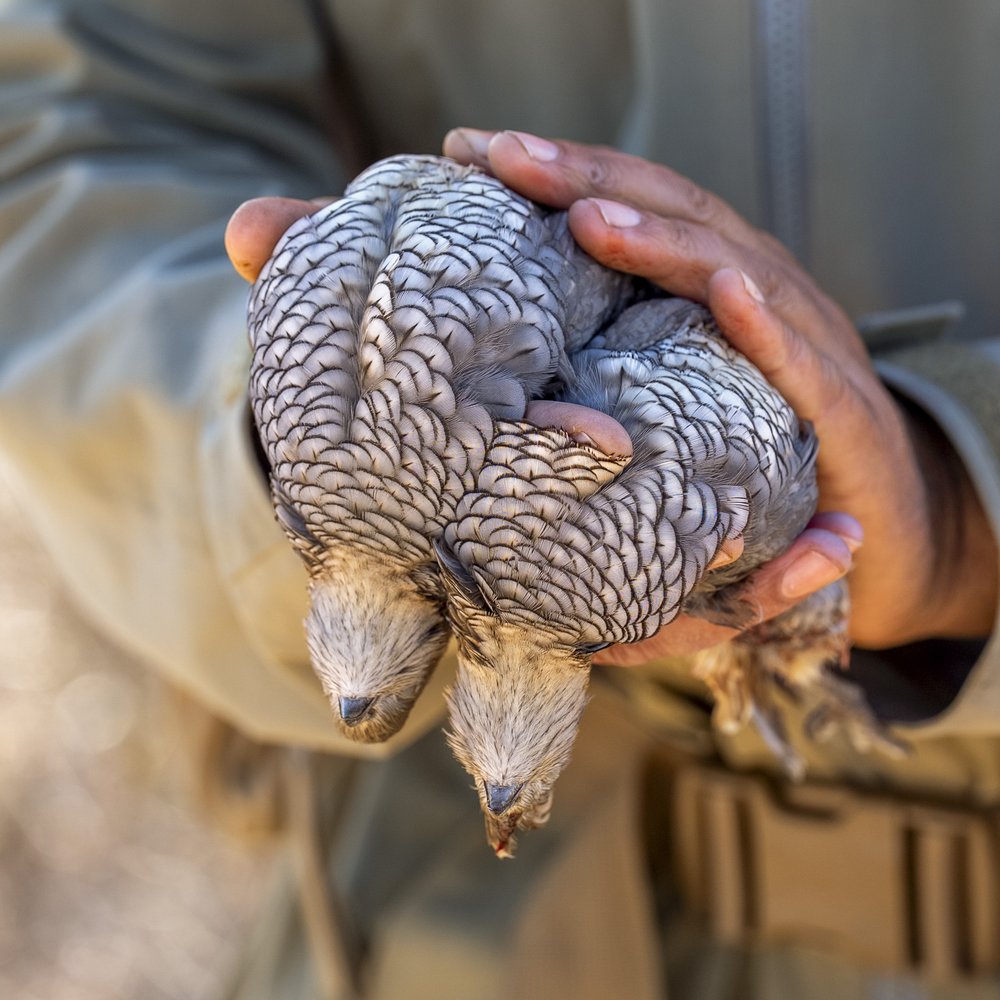
Scaled quails are beautiful birds.
Scaled quails are beautiful birds.
Ducks run clear into January, quail and woodcock right with them, so the real quiet holds off till the end of February. Then it lands all at once. The ducks have paired off and turned their heads north. In February, the last coveys are left alone to rebuild. Some gray nothing of a morning it just hits you: that’s it. Season’s over. What’s left is the last chore of the year, which is really the first of next year. Decoys wiped down and put up dry. Shotguns broken open, oiled, cased. The blind bag emptied. The dogs turned loose to lie around and do nothing for a while. You leave it the way you found it back in August. Clean. And the light that’s been bleeding away since the dove fields scrapes bottom at the solstice, then starts climbing back so slowly you can’t catch it doing it.
Turkey
Spring's the last bird. The vest gets pulled apart and put back right. The box call sanded and re-chalked. The slate scuffed till it’ll talk again. Turkey isn’t really wingshooting, but it closes out the year and runs on the cleanest phenology of the lot. Late March, once the mesquite hazes green and a little warmth holds overnight, the Rio Grande gobblers start cutting loose down in the river bottoms and the live oak draws of the Hill Country. Green-up's the trigger, the morning the country goes that soft new color and the toms decide the hens are ready.
The hunting is its own animal, more conversation than ambush. You put your back to a wide tree and try to talk a bird into range with a yelp, a cluck and a whole lot of awful patience. He answers. He comes. Then he hangs up just out of range behind a rise and goes quiet. So you move. It’s run-and-gun and sit-and-wait at once, a chess match on a green hillside at sunup.
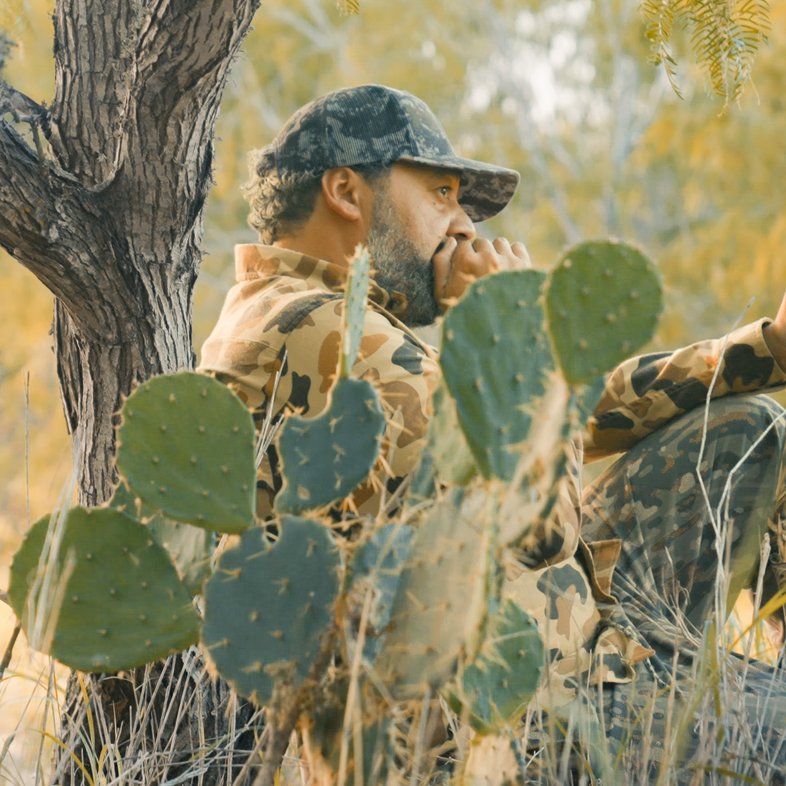
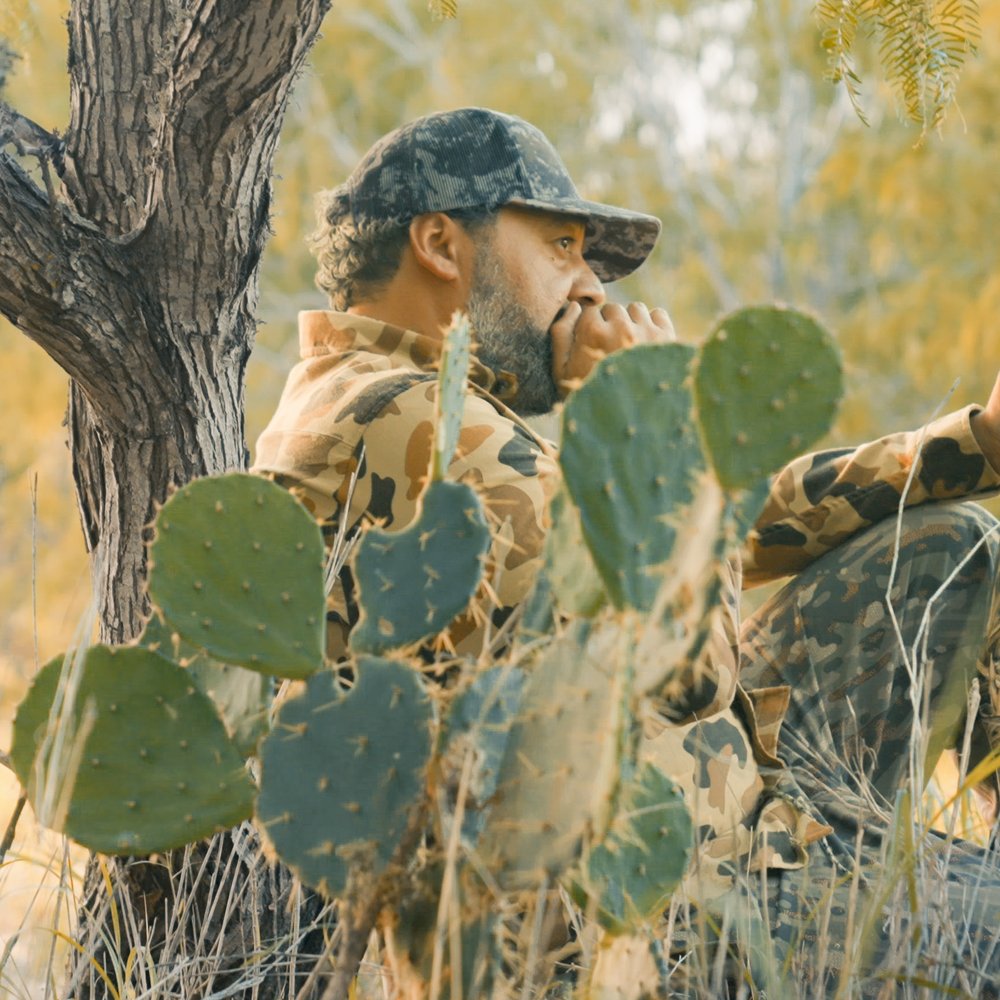
Turkey hunting requires technical skill and artistry.
Turkey hunting requires technical skill and artistry.
Next Season
By mid-May the gobbling falls off. The woods leaf out heavy and dark, and the season finally cuts you loose. Guns cleaned and put up. Rowdy and the pointers handed the whole summer to lie around and get their weight back. Then some afternoon, out on the porch in Wimberley in the first real heat of a new year, you pick up the phone and call somebody with a piece of ground. You start laying the plans that’ll carry the whole thing back around to a September morning and one dove cutting the corner of a stock tank. Round it goes. It never does ask permission.
None of it comes quick. You can buy a gun and a license in an afternoon. The rest is 20 Septembers and a lot of hard miles on boots. That feeling three days out, that the birds are about to move? Nobody hands you that. You walk into it one season at a time, and not a day sooner. But late is fine. I came to all of this late myself. The only door that ever really closes is the one you won’t walk through. It stands open for anybody willing to go quiet and watch, to learn where the dove water and not just where they fly, to take the coffee an old hand holds out and listen to the 40 years of mornings they’re trying to give you. Out there right now a sunflower’s going to seed, and a thousand miles north a duck on a cold pond is feeling the light go short. The only thing that’s ever really mattered is whether you’ll be paying enough attention to be there when they come.