It’s one thing to know that a single oyster can filter 50 gallons of water a day. It’s a whole other thing to see it. When Goose Island park interpreter Sara Rock picked up a clump of oysters and deposited them in a clear plastic tub full of murky, muddy bay water, it seemed impossible those unassuming little invertebrates could clean it up. But within minutes, the once-brown water was nearly clear. It felt like watching magic happen in real time.
The oyster demonstration, which Rock affectionately calls “Oysters: The Pearl of Goose Island,” is just one of many fascinating side quests an intrepid visitor to Goose Island State Park may undertake on a weekend trip.
The park may be small — it contains just over 300 acres near Rockport on the southern half of Texas’ Gulf Coast — but it offers a large and eclectic collection of things to do and sights to see. In addition to the thriving oyster reefs, visitors may see migrating whooping cranes, go fishing for a wide variety of saltwater species, visit one of the largest live oaks in the United States and uncover many more surprises.
“It’s arguably one of the more biodiverse parks in the state,” says Rock. “We’re surrounded by three different bays. There’s a lot of great habitat for fishing and great wetlands. And then you just, you know, go in maybe a quarter of a mile, and you’re hit with a live oak/red bay forest… there’s something for everyone. It’s a great place, and I hope that we see more visitors that have not been here before.”
Overnight Stays
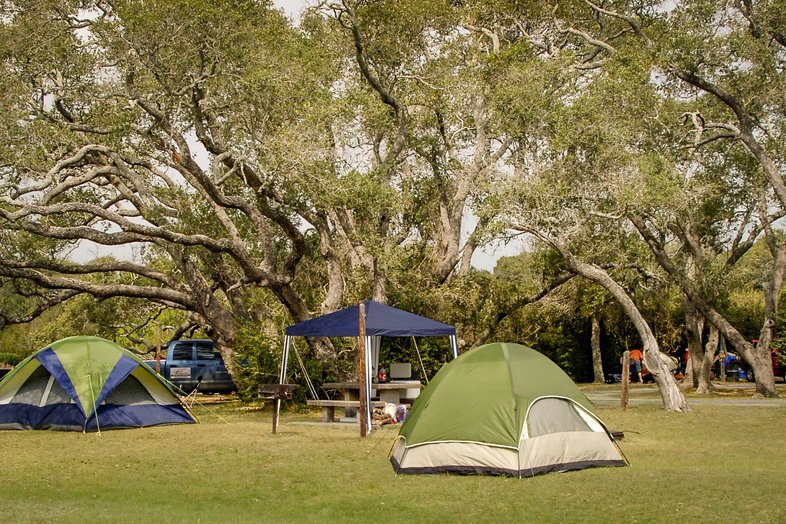
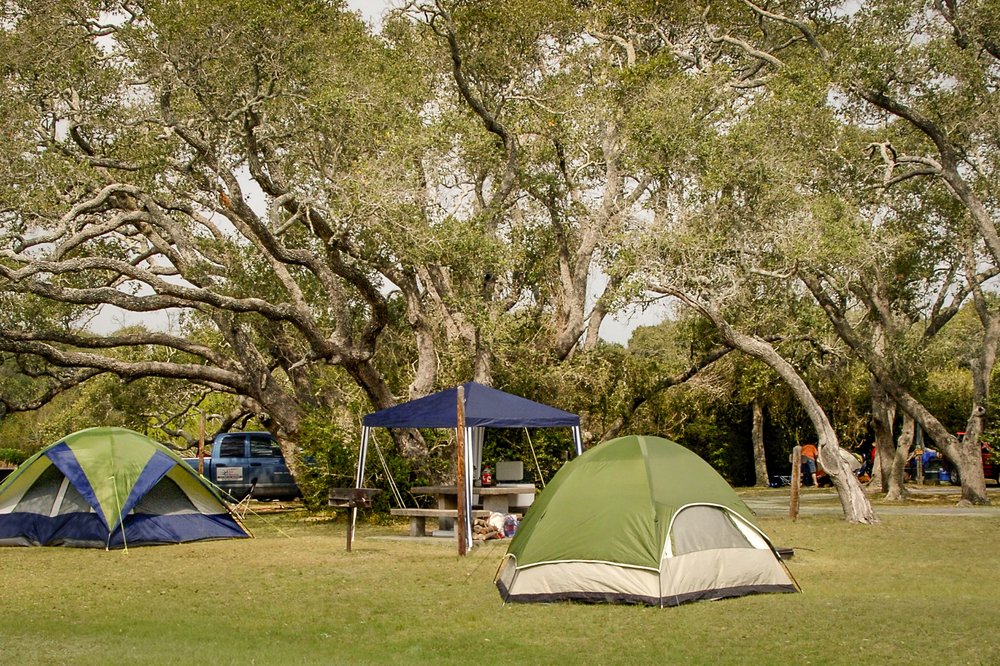
Campsites in the Wooded Area offer shade and privacy.
TPWD
Campsites in the Wooded Area offer shade and privacy.
TPWD
Sites in the Wooded Area are nestled among oak trees, providing shade and a break from the wind. You’re camping at the coast, but it feels more like a forest. Quintero recommends sites 146 and 151 in the Wooded Area because of their relative quiet and privacy. “They’re surrounded by woods, and you can bird-watch and see other wildlife.”
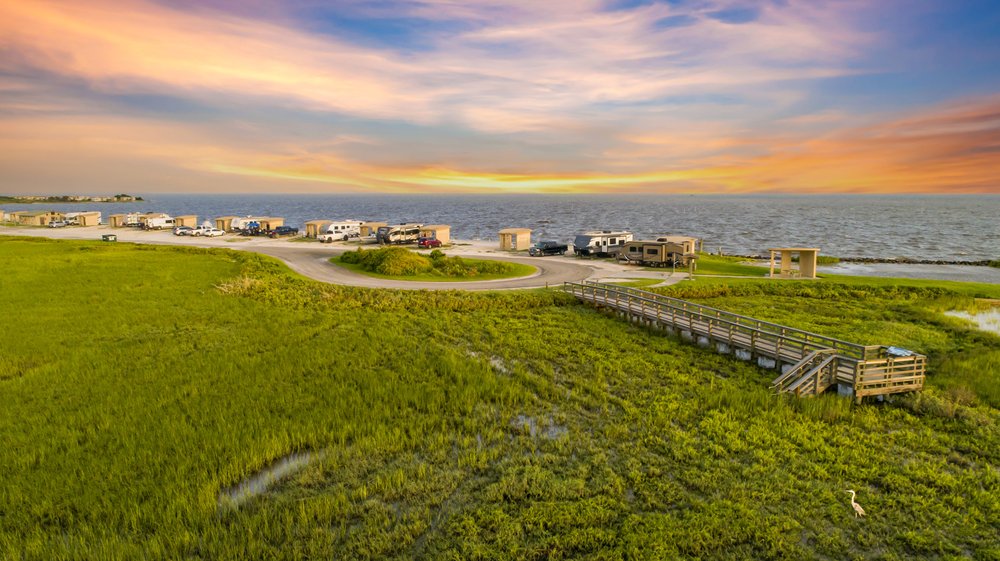
The Bayfront Sites sit right along the bay, with great water views and the ability to fish right from your campsite. They come with shade shelters but are otherwise exposed to the elements. Superintendent Edwin Quintero likes sites 43 and 44. “Those two campsites, on the west end of the loop, really offer a unique experience in the afternoon. As the sun is going down, you see it set on the horizon of Aransas Bay. It’s a beautiful sight. Campers can sit outside and just enjoy nature — maybe see dolphins swimming or some wading birds.”
Selfie Spots
At the Family Tree
The Big Tree has seen its share of family photos over the years. With the tree fenced off, the park recommends getting that group shot at a neighboring live oak where sprawling branches are available for posing. Right next to the Big Tree, the Family Tree is another formidably sized oak that’s a little younger and more robust. Feel free to climb on its branches to get a family photo.
Along the Coast
The bay’s edge offers reflective water shots during calm mornings, plus opportunities to see wading birds in the shallows and gulls in flight.
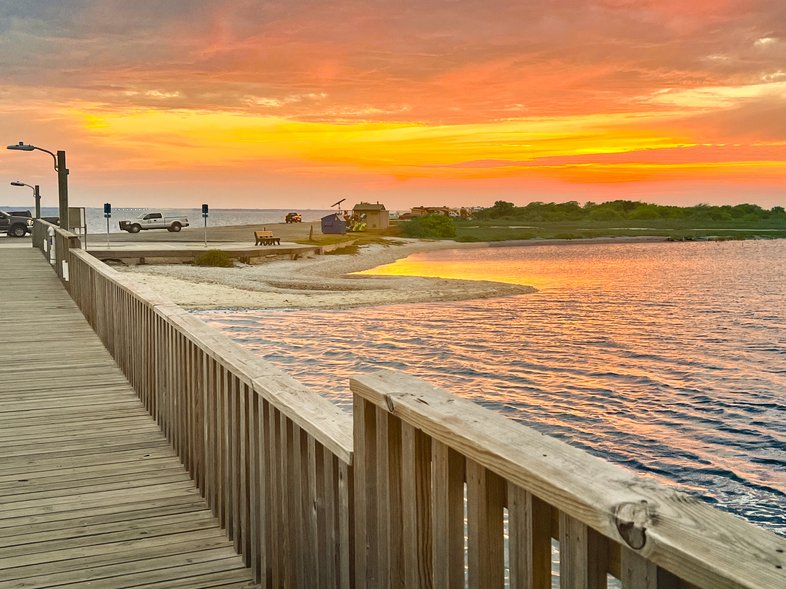
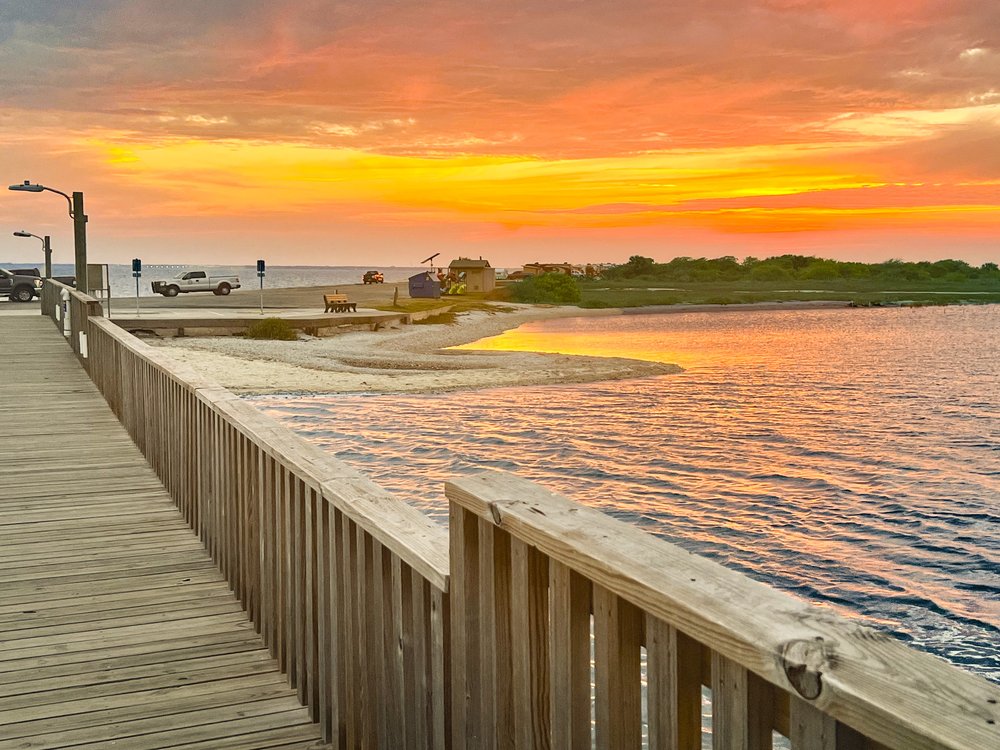
The park’s pier provides panoramic water views and stunning sunrise or sunset backdrops. And, if you’re lucky, you’ll be able to pose with the fish you just caught.
Sonja Sommerfeld
Sonja Sommerfeld
Plan Your Visit
Fishing
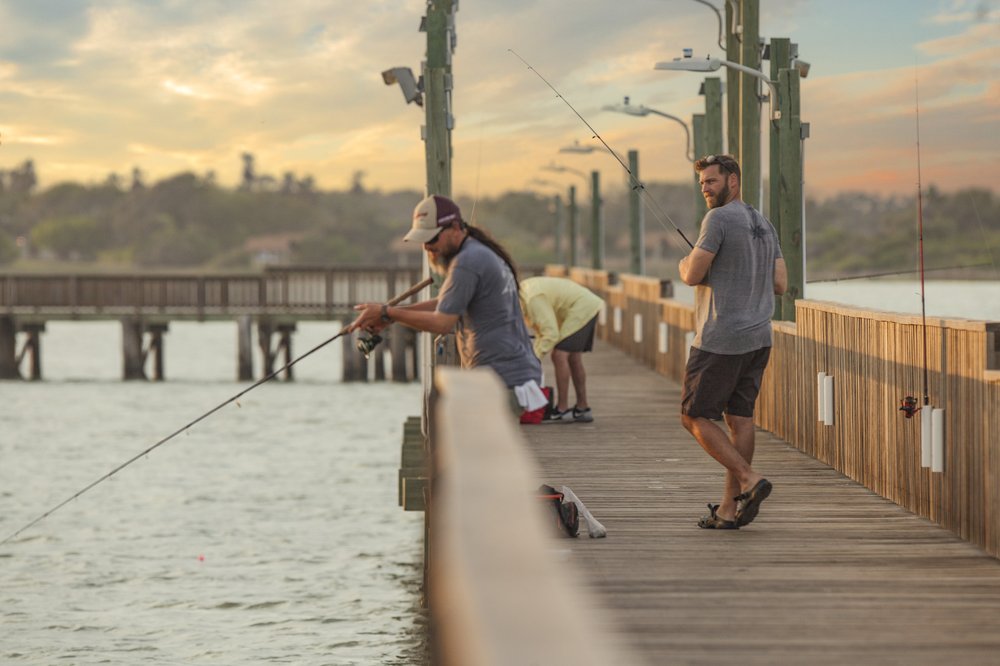
People come to Goose Island to fish. The 1,620-foot-long lighted fishing pier is a premier angling destination on Aransas Bay. “On a regular basis, I think the pier is probably the favorite spot to be for everybody who visits Goose Island,” Superintendent Quintero says. “Some of their first experiences as a kid going to a state park were going to Goose Island. Now they’re bringing their grandkids out to Goose Island.” The pier offers no-license-needed fishing for species like redfish, trout and drum, along with a fish cleaning station. The end of the pier attracts anglers after a particular type of fish. “That is a really popular spot where we get a different user group,” Quintero says. “They like to go and fish for the black drum. They call them the big uglies, which are huge black drum that are over 30 inches.” Anglers can get a special permit to fish overnight, past the park closing time of 10 p.m. The park also contains a popular boat launch and kayak launch.
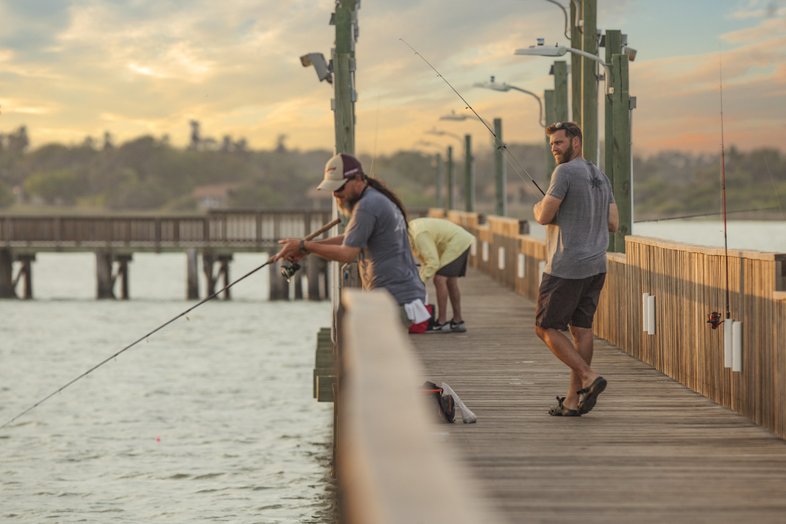
Goose Island's pier is a prime fishing destination along the coast.
Sonja Sommerfeld
Goose Island's pier is a prime fishing destination along the coast.
Sonja Sommerfeld
Paddling
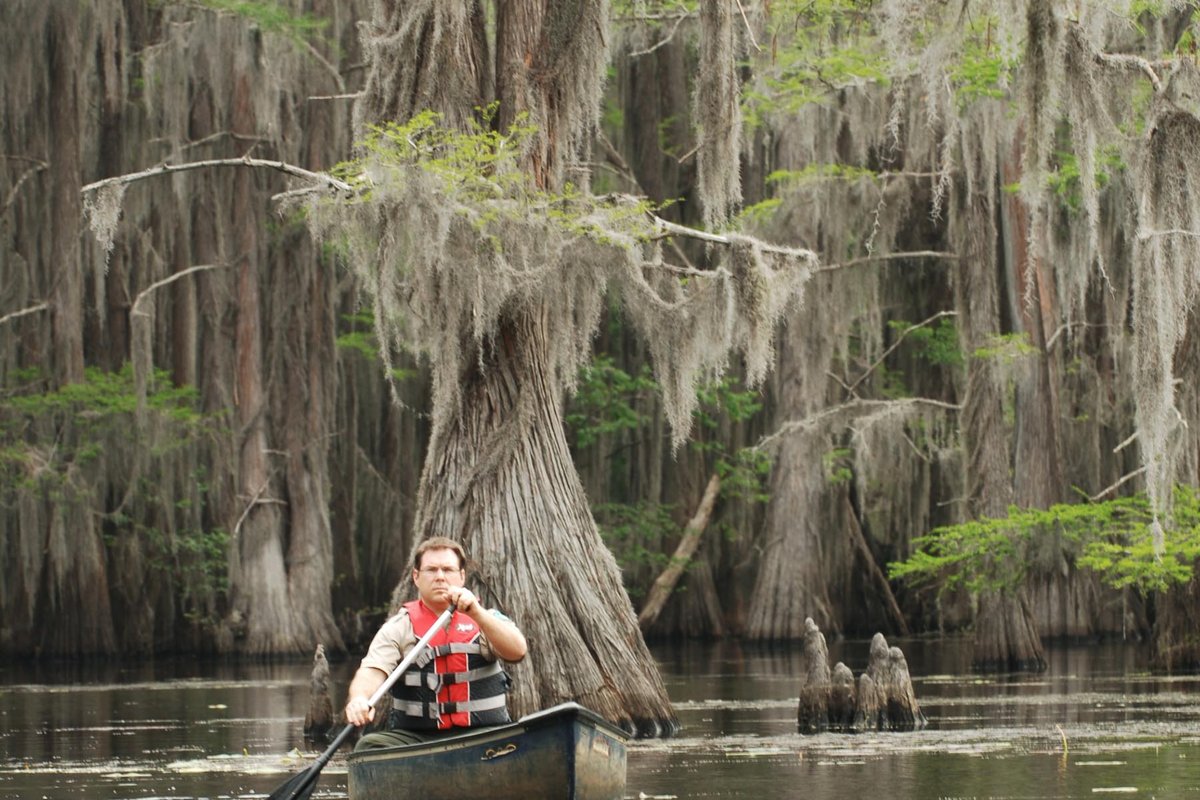
Goose Island offers excellent paddling through calm, protected waters of Aransas Bay and St. Charles Bay. Paddlers can explore shallow flats, winding tidal creeks and mangrove-lined shores teeming with marine life.
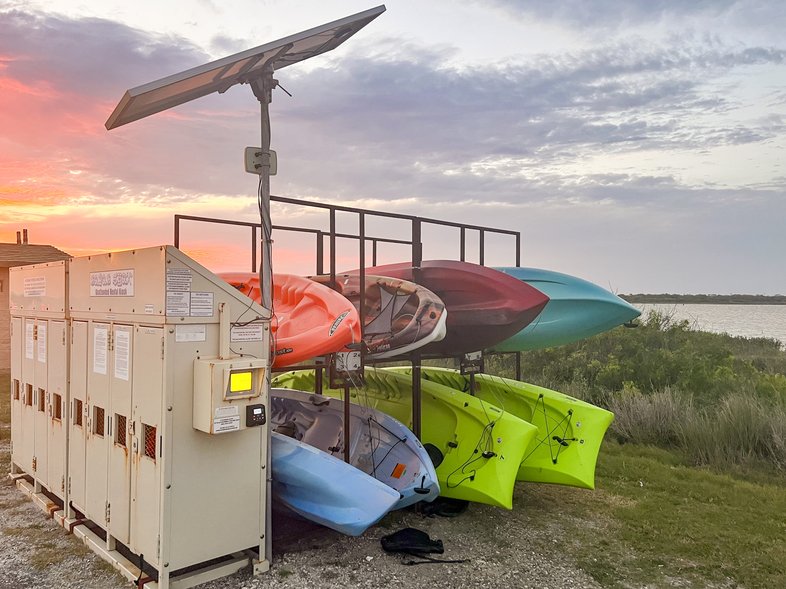
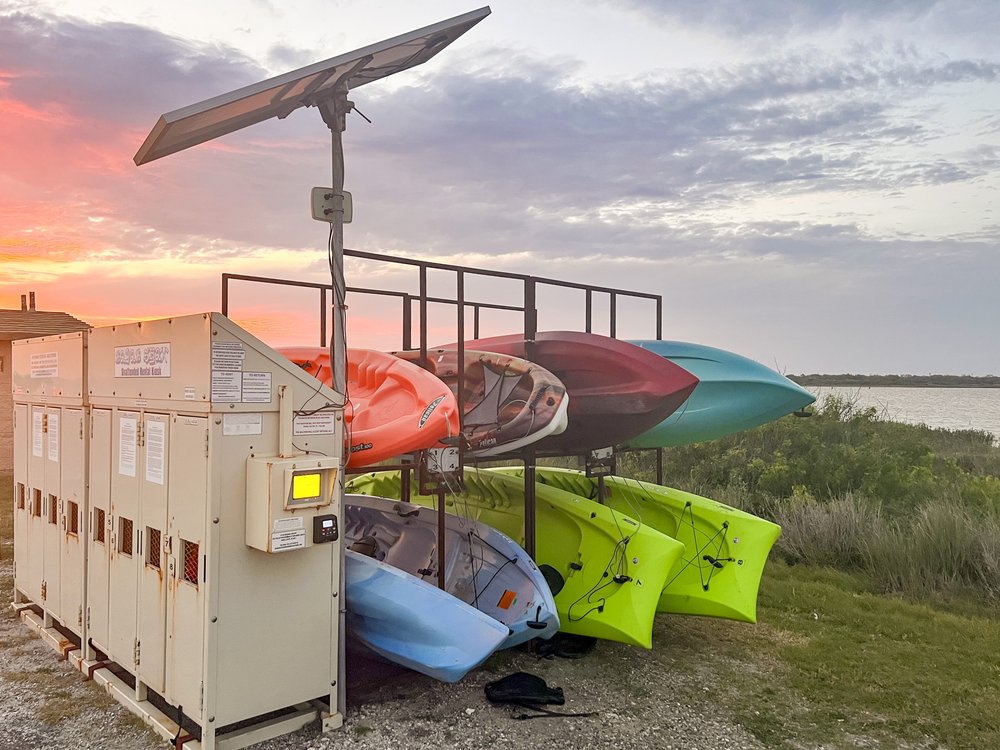
The park offers kayaks for rent.
Sonja Sommerfeld
The park offers kayaks for rent.
Sonja Sommerfeld
Birding
If people aren’t coming to fish, they’re often coming to go birding. The park’s diverse habitats — including coastal marshes, oak mottes and tidal flats — attract over 300 bird species. Goose Island is uniquely located on the coast, and both trans-Gulf and circum-Gulf migrating birds pass through the park. Winter brings flocks of whooping cranes, while spring and fall migrations showcase colorful warblers, tanagers and thrushes. “People come to this area for bird-watching and to experience their first whooper,” Quintero says. “An avid birder can see anywhere between 100 to 200 species of birds during migration season.”
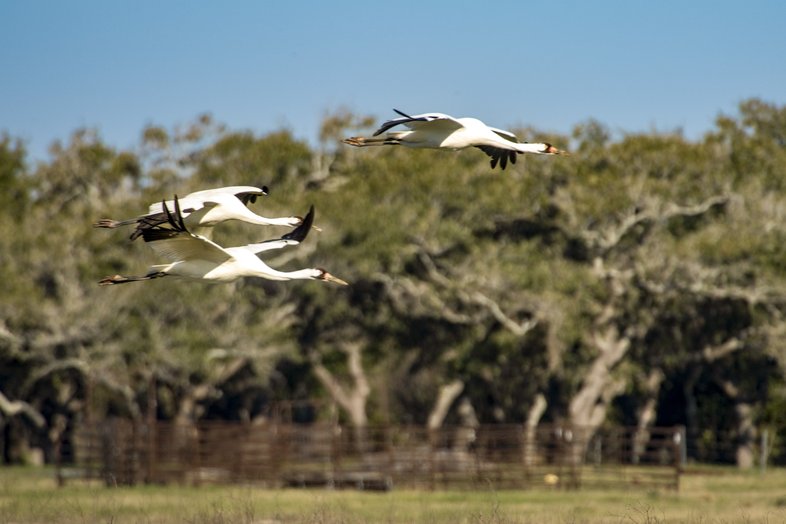
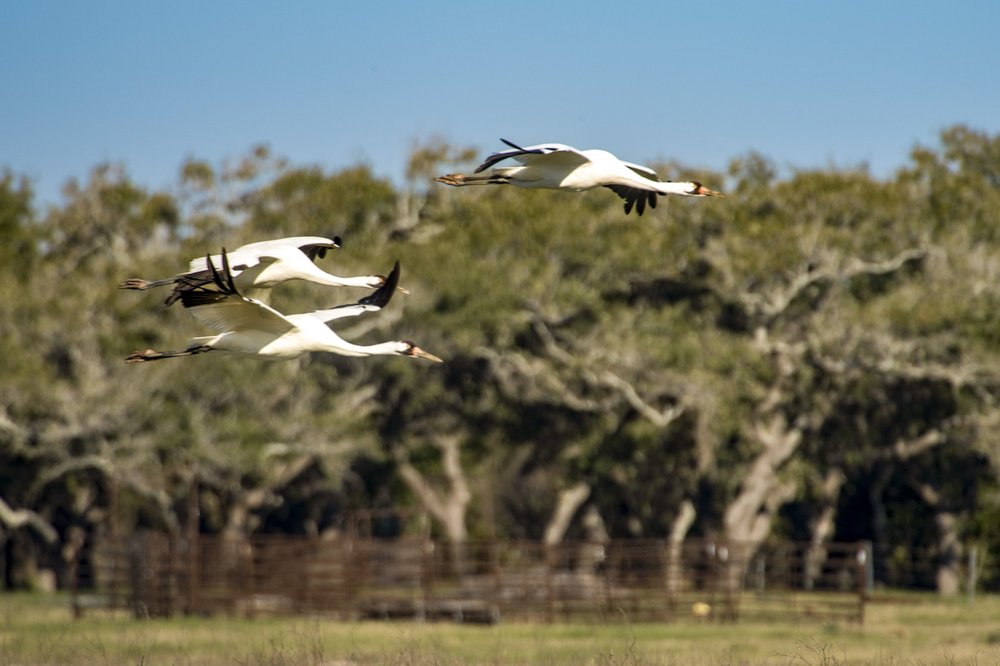
Whooping cranes make their way to Goose Island each winter.
Chase Fountain
Whooping cranes make their way to Goose Island each winter.
Chase Fountain
See the Big Tree
No trip to Goose Island is complete without paying a visit to the Big Tree, a 44-foot-tall Virginia live oak (Quercus virginiana). The tree’s twisting branches span a diameter of 90 feet, its trunk measures 36 feet around, and arborists estimate it could have been growing for as long as 800 years. The giant oak weathered Hurricane Harvey, as well as countless storms in the centuries before. Thanks to the impeccable care it receives at the state park, which has provided it with a protective fence and platforms on which to rest its “elbows,” the Big Tree will hopefully remain strong for many years to come.
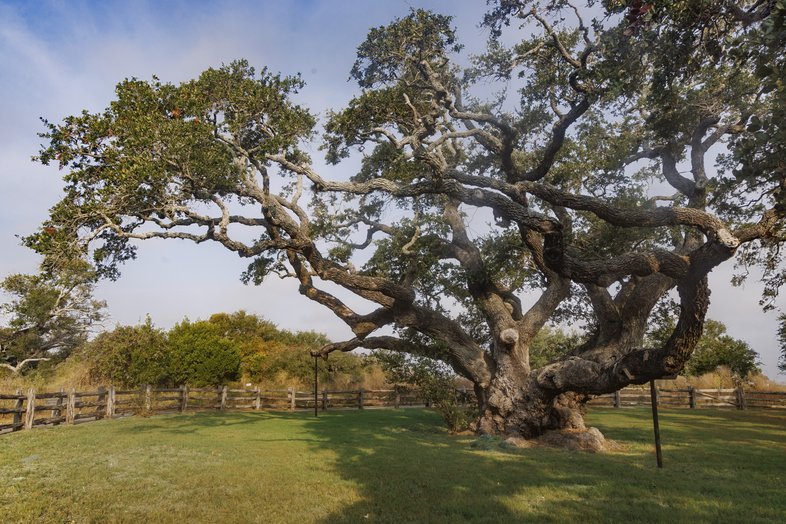
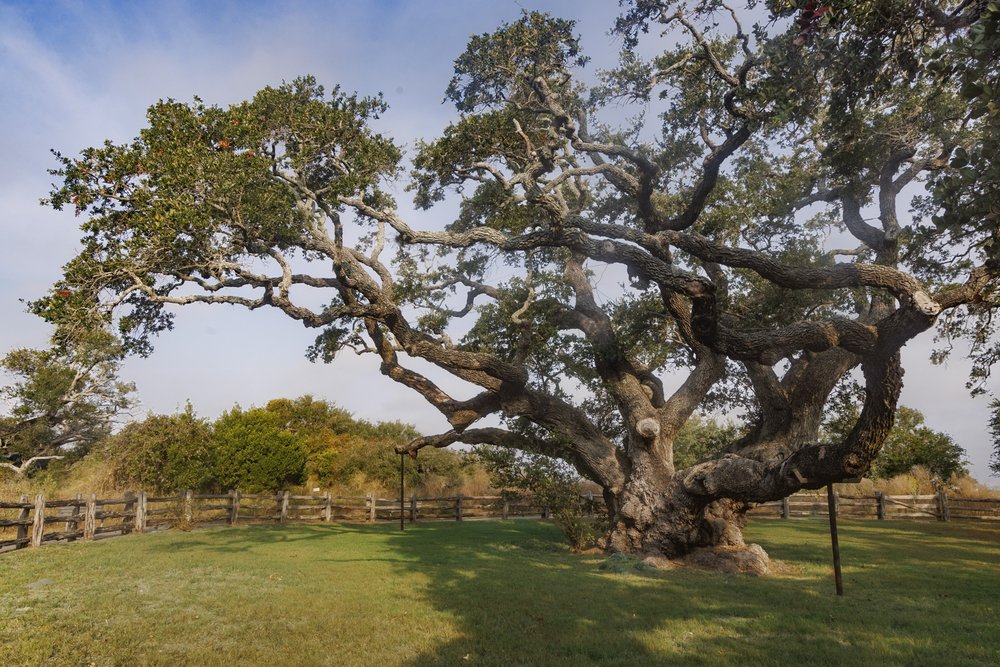
The Big Tree is likely around 800 years old.
Sonja Sommerfeld
The Big Tree is likely around 800 years old.
Sonja Sommerfeld