If you've been consulting a Magic 8 Ball about whether the Texas Parks and Wildlife Department will be acquiring new state parks, the answer has changed from “Signs point to yes” to “It is decidedly so.”
In 2025 alone, the department acquired nearly 10,000 acres of land for future state parks. That includes nearly 2,000 acres at the newest site, Bear Creek State Park near Garner State Park; more than 3,000 acres for the new Post Oak Ridge State Park, across the Colorado River from Colorado Bend State Park; and a more-than-3,000-acre expansion of Enchanted Rock State Natural Area.
These properties will be developed using the Centennial Parks Conservation Fund, which voters approved in 2023 and is earmarked for the acquisition and development of new state parks. No new properties have been purchased yet with Centennial funds, but stay tuned.
“The acquisition of these future park properties comes at a pivotal moment as Texas’ population continues to grow,” says David Yoskowitz, executive director of TPWD. “With all these new Texans, there’s an increasing demand for outdoor spaces we aim to meet.”
Acquiring land for parks in Texas is an expensive business, but the $1 billion Centennial Fund will go a long way. There’s one hitch — the fund is an endowment, a permanent investment fund in which the principal is invested to generate income. The Parks and Wildlife Department can spend the income generated off the interest from the original $1 billion while the endowment is maintained in perpetuity. “With the Centennial Fund, we have more opportunity to expand outdoor recreation for Texas,” says Rodney Franklin, director of state parks. “As time goes on, we’ll pull from this fund to acquire and develop more properties.”
The acquisition and development of future state parks will take place concurrently while the state parks team works to speed up opening properties already in TPWD’s possession. These properties include Albert and Bessie Kronkosky State Natural Area, Chinati Mountains State Natural Area, Davis Hill State Park and Powderhorn State Park. The 18,000-acre Dan A. Hughes Unit of Devils River State Natural Area opened earlier this year for limited visitation. Several of these properties have been in TPWD’s possession for decades, and acquisition and development have been made possible thanks to strong partnerships including the Texas Parks and Wildlife Foundation.
In June 2025, TPWD announced a new policy to accelerate public access to its newly acquired properties through a phased opening system, rather than opting for a single grand opening. Twelve months after acquisition, parks must achieve Phase 1 requirements, including basic access with activities like public hunting, guided tours and special events. In Phase 2, 18 months after acquisition, parks will offer expanded amenities like trails, parking and restrooms. Four years after acquisition, in Phase 3, a completed park will be open with roads, utilities and overnight facilities. Additional improvements may still be needed after opening.
TPWD has several properties that will open to visitors in the coming years. Additionally, we’ll share some news about phased openings that will allow Texans to set their eyes on these gems even sooner.
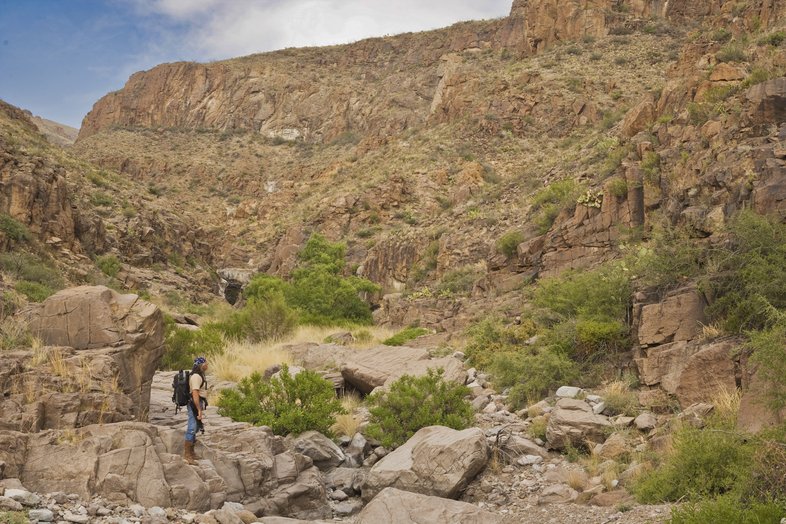
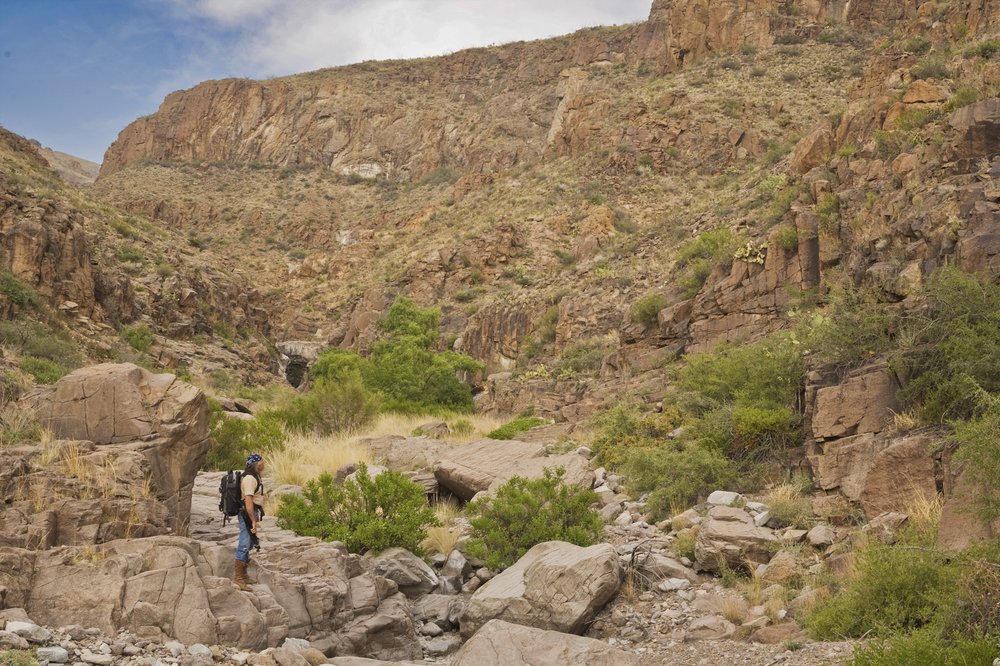
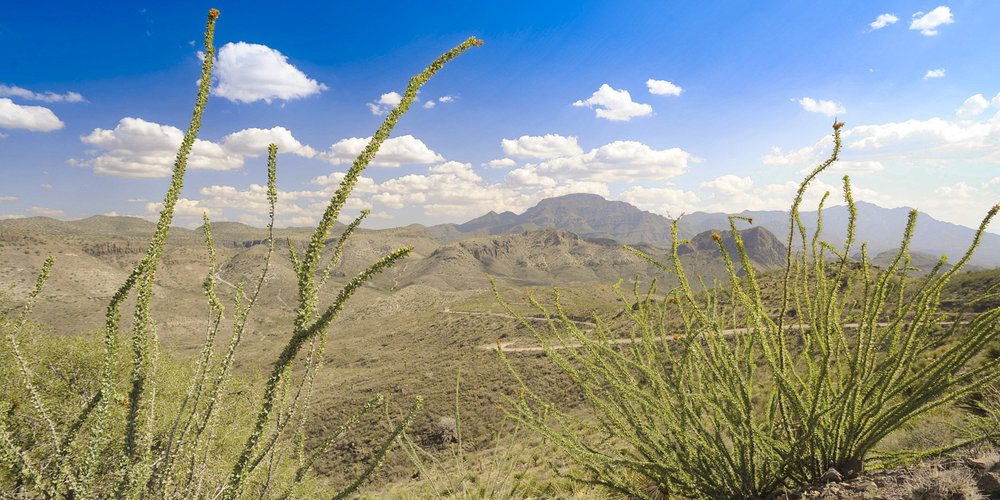
After completion of an entrance road, Chinati Mountains will open for limited use.
Earl Nottingham
After completion of an entrance road, Chinati Mountains will open for limited use.
Earl Nottingham
Chinati Mountains State Natural Area
For nearly 30 years, TPWD has been eagerly awaiting the day when it can show off the spectacular Chinati Mountains to visitors. Finally, that day is coming closer to fruition.
Cody Edwards, superintendent of the Big Bend Ranch State Park complex, which includes the Chinati Mountains, says 2026 holds big moments in store. Goals for next year include the completion of a 2-mile road to the location of the park’s future headquarters and the opening of the natural area for limited use, likely in the form of guided hikes and camping.
Before road construction can begin, TPWD must conduct archeological surveys of the entry point and the proposed route. TPWD archeologist Tim Gibbs is at the park doing that work this fall. Goundbreaking on the road can begin after he’s done.
Access to the land and its remote West Texas location have been the chief barriers to opening the state natural area to visitors. Since construction of a road to the property was completed in the 2010s, the next battle has been to increase mobility within the park through roads and rough trails. Part of the challenge to open the park will be finding contractors who can come out and complete the work. Chinati is a 1.5-hour drive from Marfa and 4.5 hours from El Paso.
This state natural area is a large one; since the original 38,137 acres were donated to TPWD in 1996, additional acreage has been added, bringing the total to nearly 40,000 acres. It’s the second largest state natural area or state park by acreage. Eventually, Edwards says, it could have more than 50 miles of backcountry trails.
When visitors are finally able to visit the Chinati Mountains, they might see animals like bears, mule deer, elk and other large and small creatures attracted to the park’s numerous springs. Of course, they’ll also see the park’s spectacular mountain views, which Edwards believes are some of Texas’ best.
“I’d love to be the guy who gets to open this ecological wonderland to the public,” he says.
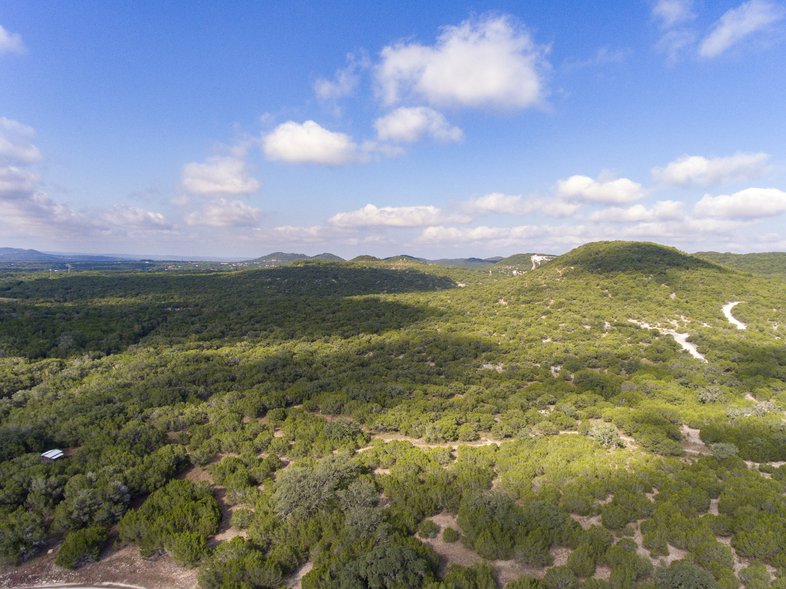
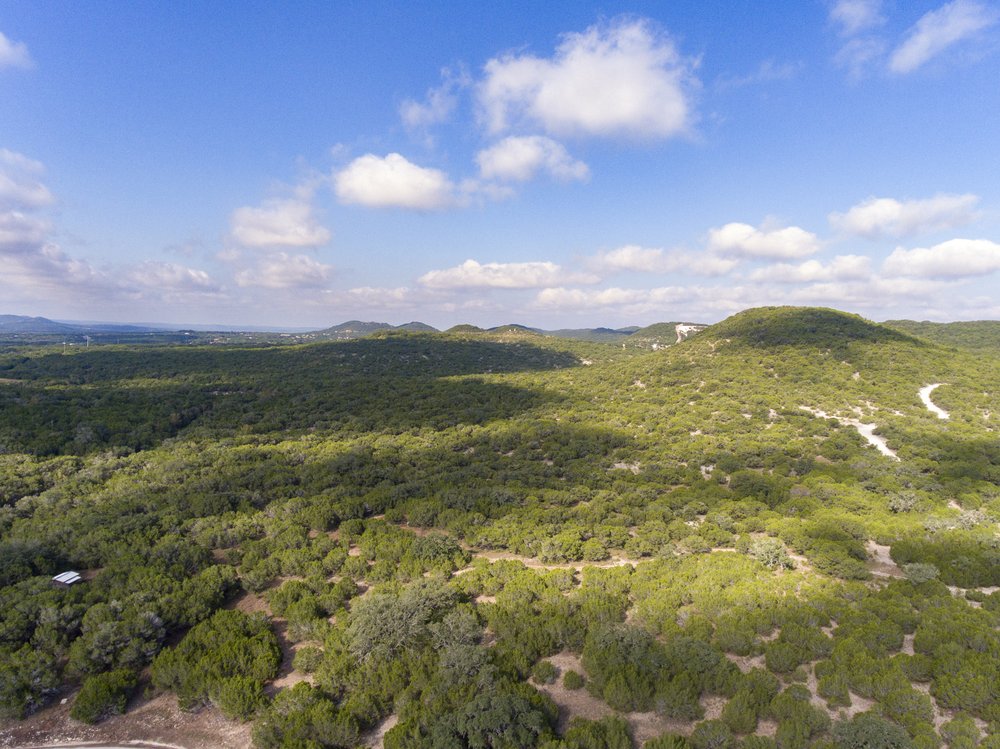
Hills and canyons dominate the landscape at ABK.
Maegan Lanham
Hills and canyons dominate the landscape at ABK.
Maegan Lanham
Albert and Bessie Kronkosky State Natural Area
The couple for which ABK is named granted 3,800 acres of Hill Country land to TPWD in their estate plan. The acquisition of this land was finalized in 2011, and now, a little over a decade later, it may be the next park to fully open to the public. Currently, the grand opening is estimated for late 2026.
Among the park’s notable features are a 100-person amphitheater, a nature center and a vista overlooking the scenic hills just west of Austin and San Antonio. Additionally, the park will have at least 28 miles of trail, three miles of which will meet ADA accessibility requirements. As far as sleeping accommodations, the park will have three dozen reservable options with a mix of cabins, screened shelters, traditional tent sites and backcountry campsites. The last big stretch of construction, which will include trail completion and finishing out buildings, will take place this winter. Once this final push is done, a grand opening date will be set.
As future patrons eagerly await the park’s opening, an active community has already formed around it. Friends of Albert and Bessie Kronkosky State Natural Area is a volunteer group working to assist park staff and support ABK now and into the future. When it opens next fall, ABK will feature outdoor activities like camping, backpacking, hiking, limited mountain biking and drawn hunting opportunities.
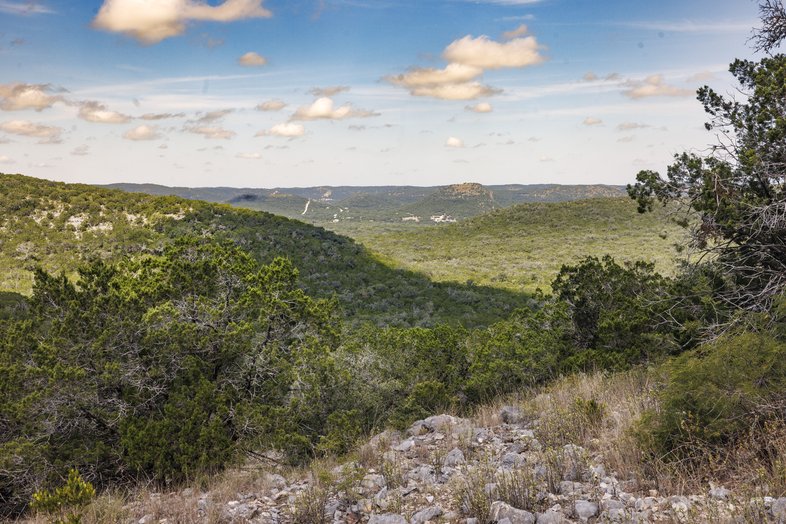
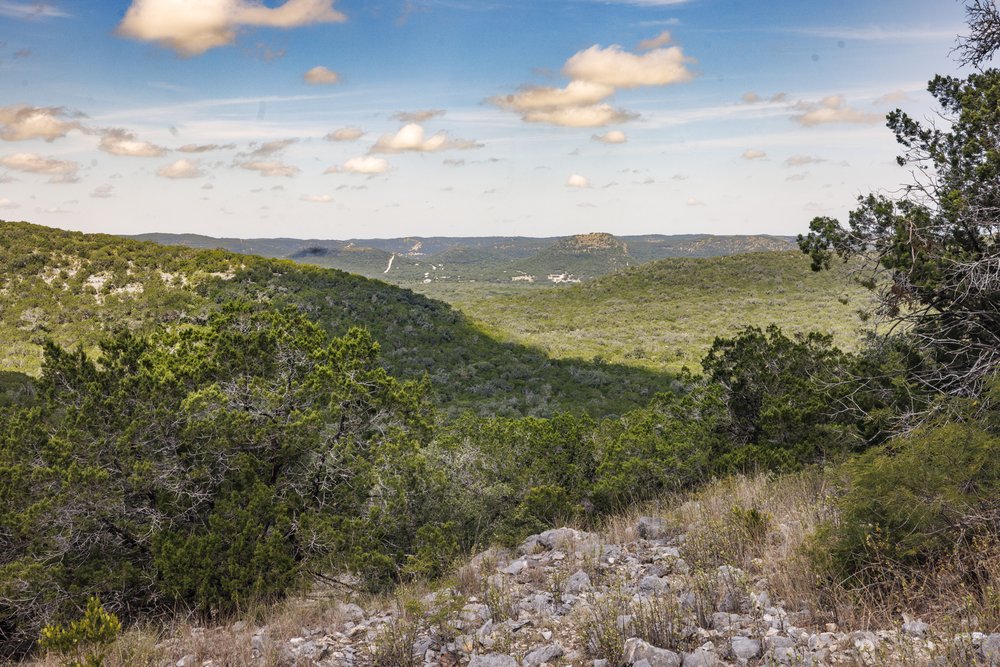
Bear Creek features Hill Country views.
Sonja Sommerfeld
Bear Creek features Hill Country views.
Sonja Sommerfeld
Bear Creek State Park
Bear Creek is the most recent TPWD acquisition, with the purchase finalized in August.
JJ Fleury, TPWD’s program director for park planning and geospatial resources, says the primary allure of this property will be the primitive, backcountry experience it will offer as a complement to the ample amenities available at nearby Garner State Park, north of Uvalde.
“Time and time again, park users tell us that trails are primary attraction they want from our parks and state natural areas,” Fleury says. “We’re leaning into that by developing more primitive trails at our new properties. This is extremely efficient because it provides park users with what they want while allowing us to develop more minimalistic parks, faster.”
Bear Creek’s primary access point will be on County Road 349, and when the park first opens to visitors, access will be limited to the southeastern portion of the property. Although access to the Frio River will not be available when the park first opens to visitors, Fleury says the park’s long-term plan will include scenic views of its sparkling, clear water, and possibly even a secluded place to jump in.
Within the 18-month benchmark, the park will open at least two miles of trail. Ultimately, Fleury says the park has room for up to eight to 12 miles of backcountry trails.
Along those hiking trails, the park will feature several notable points of interest, including Bear Creek, Spring Creek and a scenic overlook stretching 300 to 400 feet above the horizon that offers views of Garner’s iconic Old Baldy and the surrounding Hill Country.
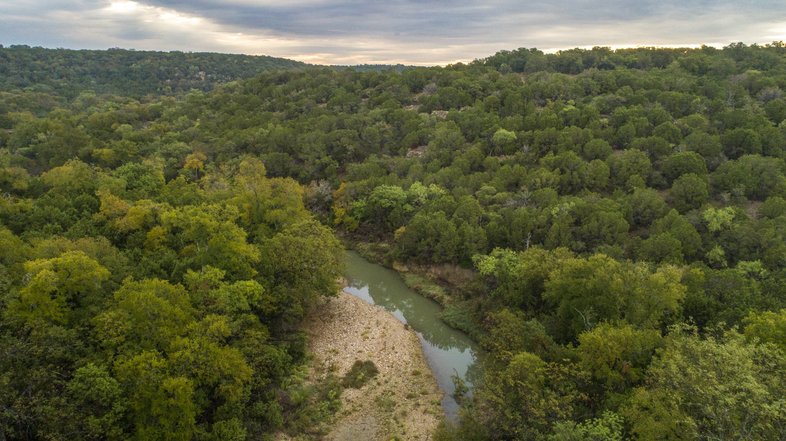
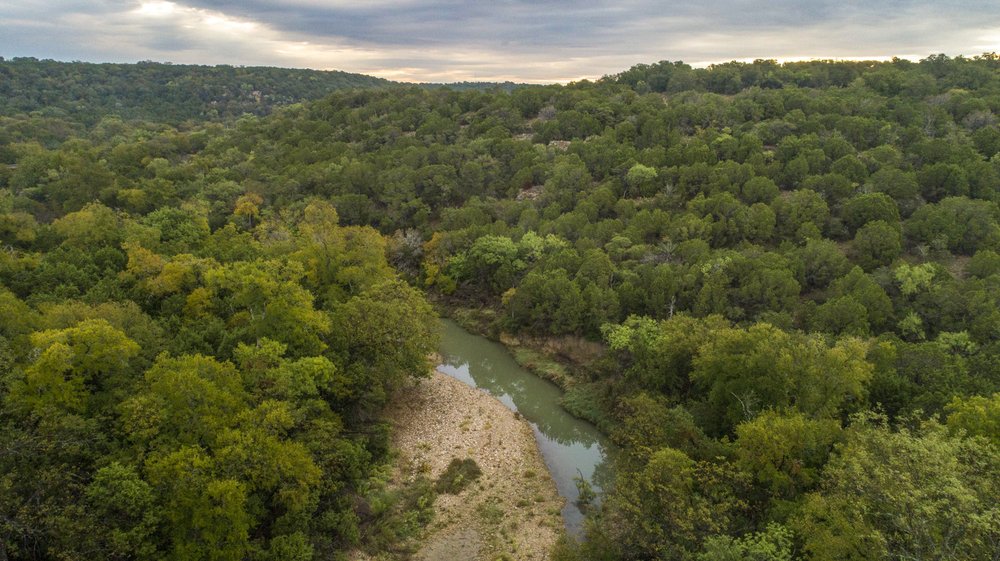
Palo Pinto Mountains State Park contains creeks and a lake.
Chase Fountain
Palo Pinto Mountains State Park contains creeks and a lake.
Chase Fountain
Palo Pinto Mountains State Park
This nearly 5,000-acre property west of Fort Worth was purchased by TPWD in 2011 and remains under development. Originally, the park was slated to be open by 2023, but this completion date was delayed due to shifting construction timelines. Although development of park infrastructure has experienced delays, exciting developments are on the horizon.
On January 1, the park will host a First Day Hike event for park guests to experience all day-use activities Palo Pinto has to offer, including hiking, biking, horseback riding and use of the park’s 90-acre Tucker Lake for fishing, paddling and swimming. Participants in the First Day Hike will also have access to the park store, featuring the newly designed Palo Pinto Mountains State Park patch and other items. The grand opening is expected to occur later in 2026, with the official date pending due to some final tasks.
The park’s maintenance building, a courtesy dock and an ADA-accessible kayak launch on Palo Pinto’s scenic lake have all been complete for some time now, along with the first 16 miles of trails. In 2025, the park has seen completion of its headquarters building, interpretive center, pavilion, several restrooms, a bathhouse, playground, picnic sites and walkways in day-use areas.
The park’s network of trails will be among its highlights, including the 5.7-mile Texas and Pacific Trail, the half-mile Raptor Ridge Trail (which will offer some the park’s best views) and the Tucker Lake Trail, which encircles Palo Pinto’s lake where guests can fish, paddle and swim.
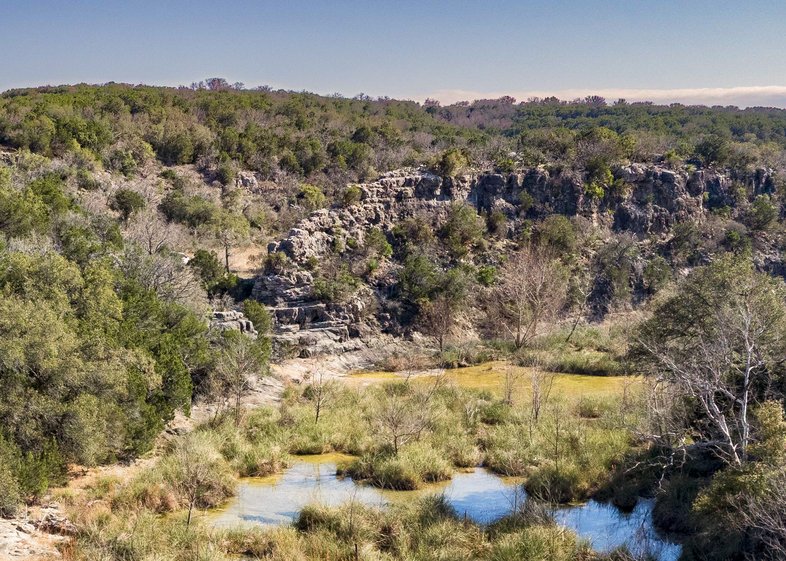
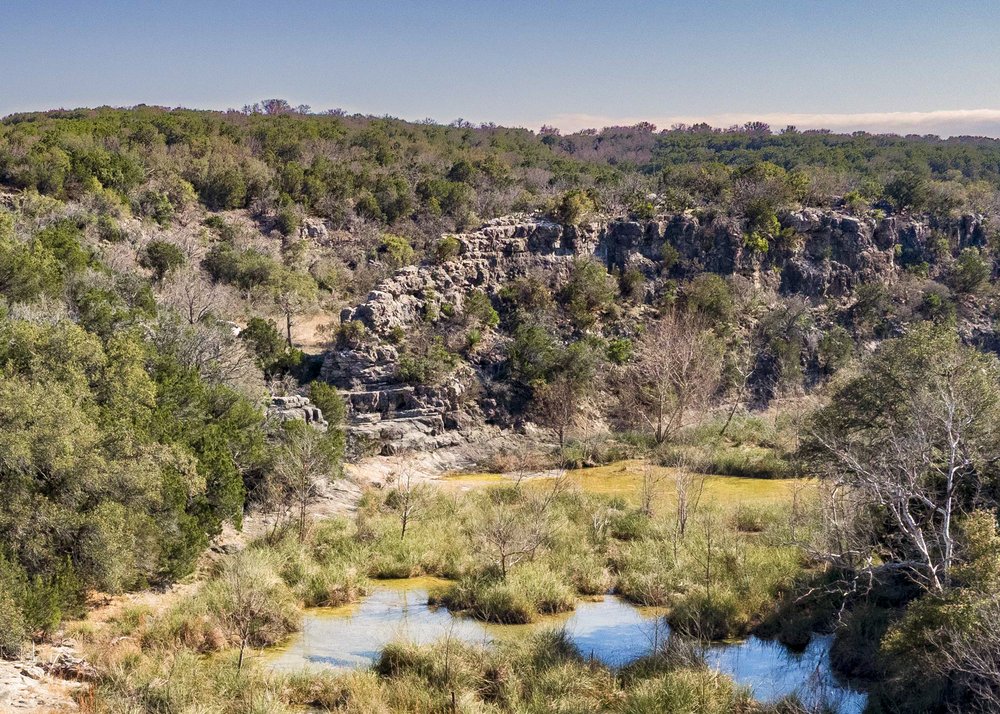
Yancy Creek is one of the scenic and ecological highlights at Post Oak Ridge.
Chase Fountain
Yancy Creek is one of the scenic and ecological highlights at Post Oak Ridge.
Chase Fountain
Post Oak Ridge State Park
The acquisition of this future state park on the Colorado River was finalized earlier this year. Its first visitors have already set foot on park grounds as they’ve tromped through post oak groves for which the park is named on their way to hunting blinds. Drawn public hunts began on this newly acquired property earlier this fall, in line with the phased opening plan.
The drawn hunting access is an exciting opportunity (especially on this prime location, which was used for white-tailed deer hunting under private ownership prior to TPWD acquisition), but this is just the first step in opening the 3,170-acre property, upstream from Lake Buchanan.
When the park opens its gates for limited visitation later in 2026, it will already have five miles of trails ready for hikers to explore. After the park’s planned grand opening in 2029, the park could have 15 miles of trails.
One of the special natural features at Post Oak Ridge is the Yancy Creek spring system, which TPWD biologists say has a level of purity and biological diversity on par with Honey Creek, a state natural area east of Boerne. Park planners intend for one the trails to offer a bird’s eye view of the spring system via a scenic overlook.
Ultimately, the goal of TPWD will be to connect this property with Colorado Bend State Park, located just across the Colorado River. Fleury says the parks team plans to have a non-engineered connection (like a seasonal river crossing) completed by the four-year benchmark.
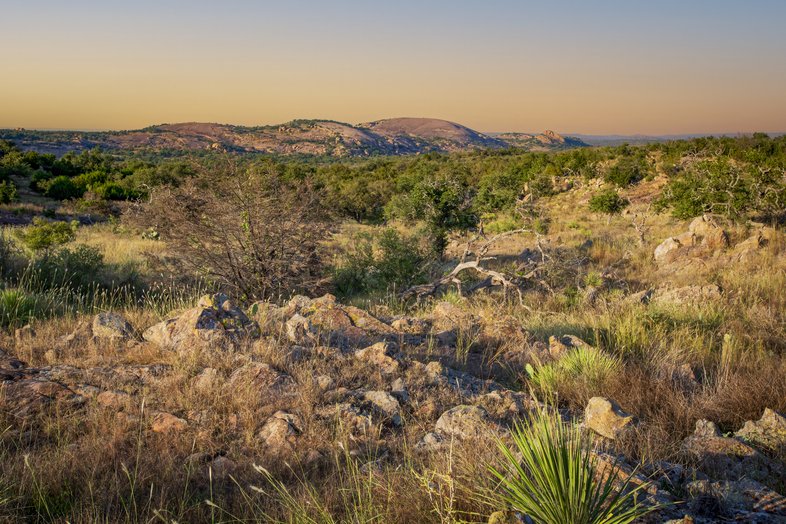
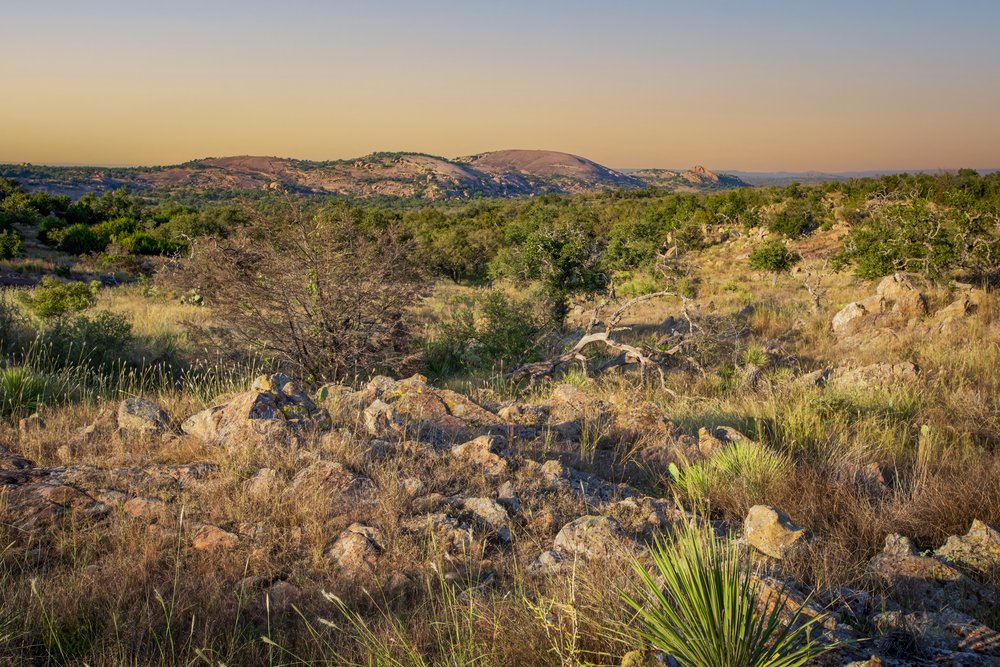
View of Enchanted Rock from Comanche Rock Ranch.
Chase Fountain
View of Enchanted Rock from Comanche Rock Ranch.
Chase Fountain
Enchanted Rock State Natural Area
Two new properties, a larger one north of the park and a smaller tract to the south, have added a combined 3,072 acres to the existing 1,685 acres of Enchanted Rock State Natural Area and will vastly expand current opportunities at the Hill Country park. Currently, Enchanted Rock’s trails can be strung together into an 11-mile loop for adventurous hikers and backpackers. The recent additions, which tripled the size of the park, will enable even more backcountry opportunities.
Although the new acreage added to Enchanted Rock is not subject to the same phased-opening mandate as future parks, the parks team is still acting as if it is.
The acquisitions were finalized earlier this year, and the first visitors have already stepped foot on these new park grounds. Public hunts are taking place on the newly acquired property this fall. For regular guests, access to the new properties is currently limited to guided hikes. By late 2026, TPWD’s parks team expects visitors to be able to access the north unit on their own through via a new trail connection to the original park grounds. That connection will grant access to an existing network of more than 20 miles of ranch roads — although not all those roads will be available for public use.
According to Fleury, the four-year development plan includes relocating park headquarters to the south unit. He expects this will improve traffic flow and congestion at the popular park and allow for an increase in park capacity.