Before barbed wire changed everything, Texas operated on an unspoken covenant: the land might belong to someone, but the rivers belonged to everyone.
That covenant was tested, fought over and slowly dismantled. Along the Trinity River, it proved remarkably hard to kill. And now, with the Texas Parks and Wildlife Department’s purchase last year of 6,900 acres along the Trinity, a piece of that old world is coming back.
For most of the 1800s, Texans fenced their crops but let their cattle roam free across the open range. When barbed wire arrived in the 1870s, it sparked genuine range wars — wire-cutting vigilantes, armed standoffs and competing visions of who owned the land underfoot. But even as those battles resolved and the great cattle drives faded into legend, the wooded river bottoms of East Texas remained stubbornly, gloriously open.
The reason was simple: you can’t fence a flood.
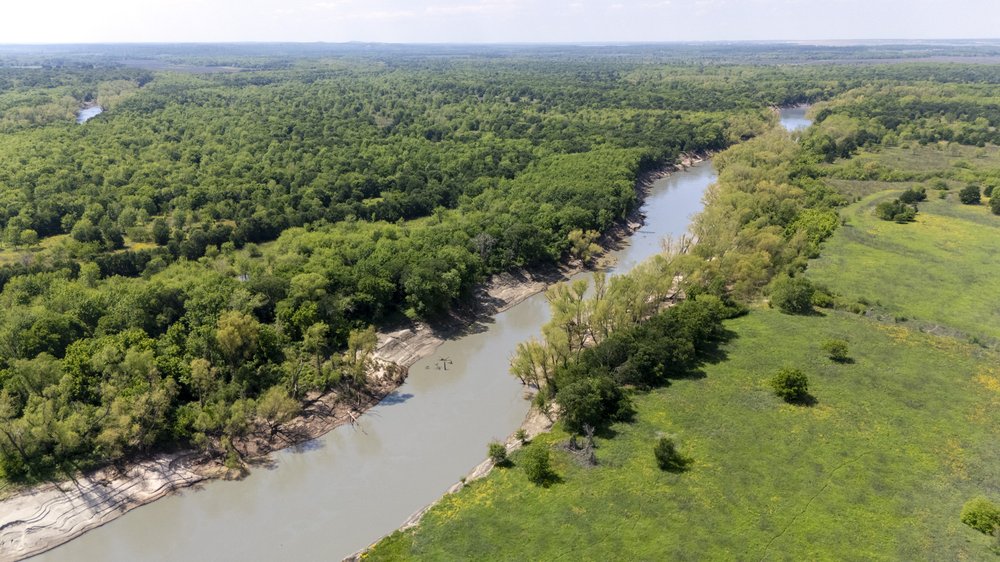
Every spring, the Trinity transformed from a 50-yard-wide river into something closer to an inland sea, swallowing the floodplain for miles in every direction and washing away any fence bold enough to stand in its path. Loggers avoided it. Investors cursed it. And ordinary Texans loved it for exactly that reason.
They came every fall to gather pecans and acorns, competing good-naturedly with the semi-wild hogs that fattened themselves on the same harvest before being butchered in winter. They came in spring for wild blackberries. One year the Palestine Daily Herald reported that there were “too many people” scouring the bottomlands while also competing against the hogs. People came year-round for catfish, turtles and the prehistoric giants of the Trinity — alligator gar, looking like they hadn’t gotten the message about the dinosaurs. During spawning season, resourceful locals made “poor man’s caviar” from buffalo fish eggs. Some game species like the passenger pigeon had become extinct by 1900, and others like black bears were increasingly rare, but the Trinity remained a place to hunt deer and smaller game like squirrels and ducks.
When landowners tried to post signs and close the bottomlands off, locals responded with something between indifference and contempt. They tore down the signs. They filed lawsuits arguing ancient rights to fish and hunt. For a while, the landowners didn’t fight back too hard, because the truth was they weren’t making money off flood-prone land anyway.
But the commons died anyway, one cut at a time.
By the 1920s, pollution from Fort Worth’s slaughterhouses and sewage outflows from the growing population of Dallas were traveling hundreds of miles downriver, poisoning fishing holes that had sustained communities for generations. A 1925 state report called the Trinity “some mythological river of death.” Then came oil, which made cheap bottomland suddenly valuable and gave newly wealthy rural Texans the means to buy it up and lock it down. The old covenant was broken not with a single dramatic moment, but through pollution and the slow erosion of public access.
Into this changed landscape came Oscar Lee Gragg, who purchased the sprawling Goode Ranch along both banks of the Trinity in the 1940s. The Graggs ran cattle on the property and allowed many locals to join them fishing and hunting on the land. They learned, as generations before them had, that the Trinity’s floods were both burden and gift — the same water that washed out fences each spring left behind soil rich enough to sustain almost anything.
The river itself kept changing. After Richland Chambers Reservoir was completed in the 1980s, the Trinity’s flow through this stretch grew faster and more forceful, scouring out land instead of building it up. The Graggs fought that battle all the way to the Texas Supreme Court, winning a landmark 2004 ruling that the altered hydrology had wrongfully damaged their property. Like history, rivers are always changing and unpredictable.
In spring 2025, something remarkable happened along the Trinity.
Inspired by the late Jackie Gragg, the Gragg family partnered with TPWD to sell 6,900 acres in Anderson County — land that had been in their family for generations — to establish the Trinity River Wildlife Management Area, one of the most significant conservation additions to this part of Texas in recent times.
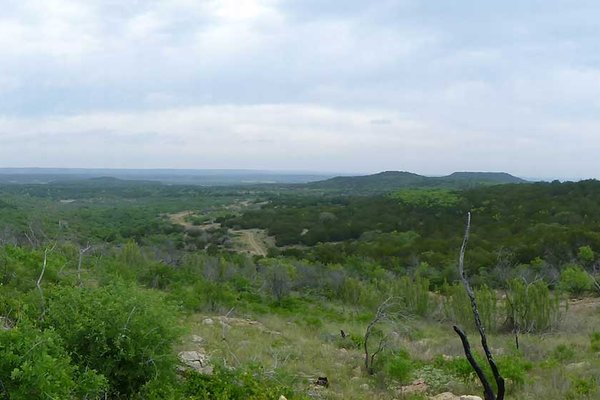
The new WMA doesn’t just preserve land; it actively reconnects it. Trinity River WMA links directly to Richland Creek WMA, created during the reservoir construction decades ago, forming a continuous corridor of protected bottomland along one of Texas’ most storied rivers. Texas Parks and Wildlife plans to restore the landscape — slowing floodwaters to let sediment settle again and regrowing the hardwood forest that once shaded the river for miles.
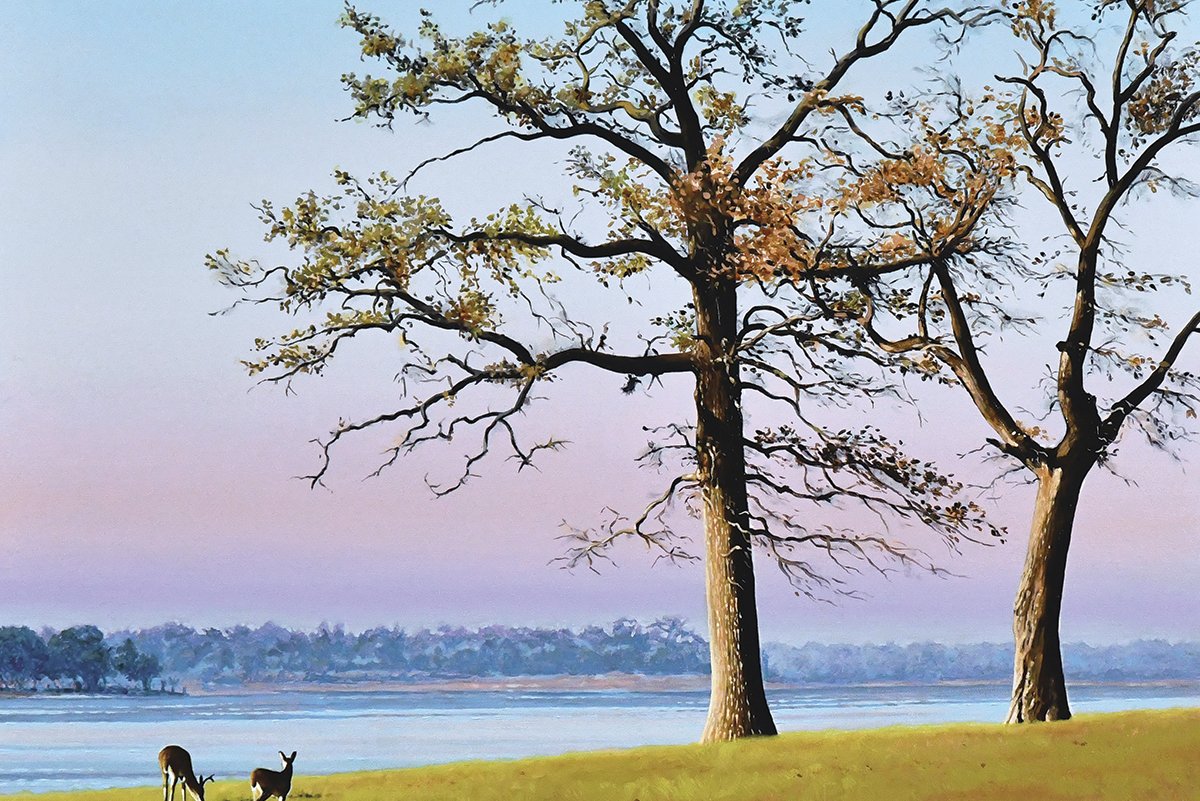
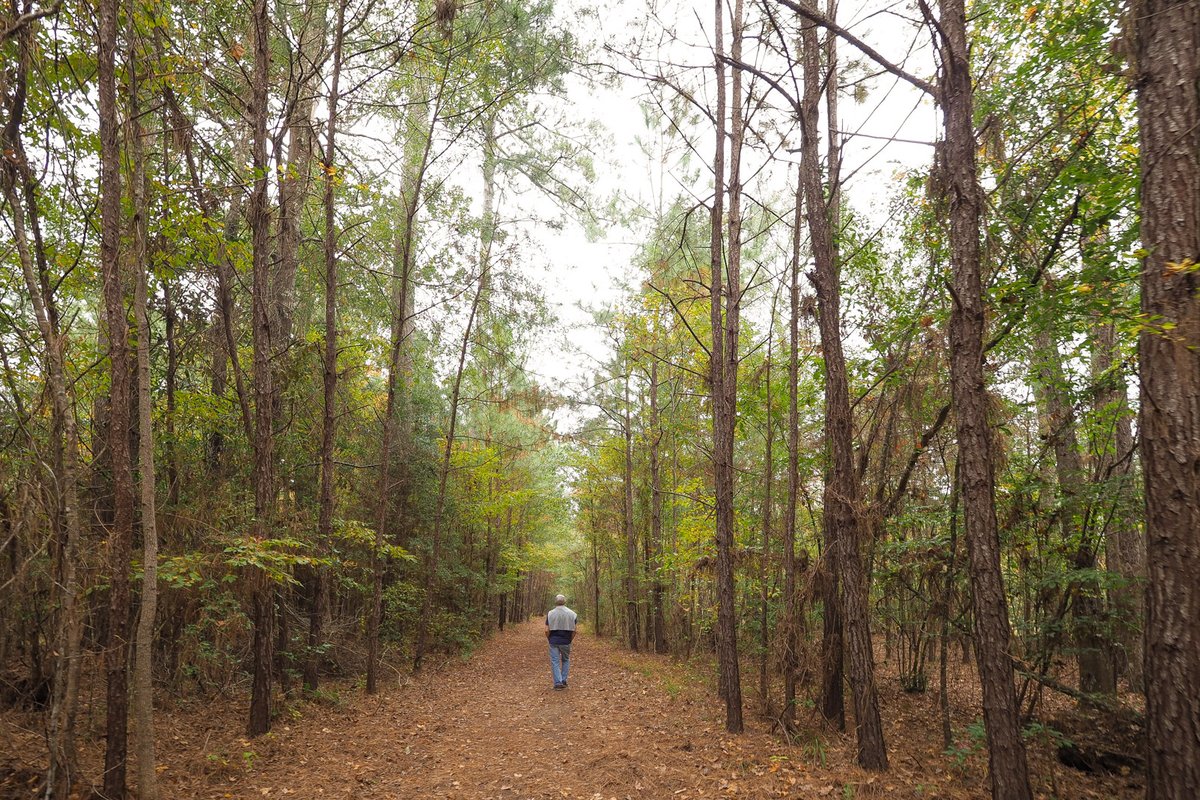
And critically: it reopens the river to the public. Hunters, anglers, hikers and families will be able to access nearly 7,000 acres of Trinity River bottomland that has been privately held for decades. The alligator gar are still there. The deer are still there. The pecans still fall every October.
The creation of Trinity River WMA is an acknowledgment that the river commons that once defined life in East Texas were not just a historical curiosity — they were a way of relating to the land that had real value.
I grew up in Palestine, and my family would meet Jackie and Billy Gragg every year to celebrate the holidays. Those celebrations always included a fruitcake from Eilenberger’s Bakery in town or the Collin Street Bakery in Corsicana, two institutions founded in the 1890s that sourced their pecans, in those early years, from the same common lands along the Trinity that everyone else relied on.
Though much has changed, the opening of the Trinity River WMA is in many ways a return to an earlier era when the river was one of the best places in Texas where anyone could go to fish, hunt or gather some nuts, so long as the hogs didn’t get them first.