One cold, rainy January afternoon, I found myself canoeing into Fisherman’s Park in Bastrop with numb, blistered hands as I took my final strokes in the Texas Winter 100K, a paddling race that stretches 100 kilometers along the Colorado River between Austin’s Lady Bird Lake and downtown Bastrop. A few years later, on a sweltering summer morning, I took in gulps of dense, humid air as I pedaled up a steep hill on Park Road 1C, the 12-mile length of pavement between Bastrop State Park and Buescher State Park. It was the home stretch in an epic, 60-mile ride exploring gravel roads north of the park, where the tall pines meet grassy prairies.
Between these worthwhile but exhausting journeys, I’ve found time to kick back and enjoy the more subtle gems of Bastrop’s outdoors scene. Visitors can find a wide array of activities to suit every outdoors seeker — from campfire chillers to intense athletes.
One of the oldest towns in Texas, Bastrop is located in the Lost Pines region along the Colorado River and has long been a refuge for those who treasure the tranquility of the river and forest. It’s often viewed as an affordable, scenic alternative to nearby Austin. Melanie Pavlas, executive director of the Pines and Prairies Land Trust, grew up vacationing in Bastrop in the 1980s before the area ballooned into the sought-after destination it is today. In spite of rapid growth spurred by commercial expansion through SpaceX, the Boring Company and film production projects, Bastrop has retained its sense of backwoods appeal.
“There’s something special about this region, whether it’s the smell and sounds of the pine trees, the Colorado River, the mixed pine-oak woodlands next to beautiful stands of native tall grass or the people themselves,” says Pavlas, whose organization owns several nature preserves in Bastrop County, where small wonders like springs, bogs and carnivorous plants lie hidden in the understory. “The Lost Pines region itself adds a unique diversity to the area, attracting a plethora of bird species utilizing both savannah, riparian and aquatic habitats, pine-oak woodlands and forests.”
Part of the secret to Bastrop’s outdoors appeal lies in the dedicated individuals and communities who have rallied around the area’s treasured natural features.
Michelle Waterman, who moved to Central Texas in 1994, became a regular visitor to Bastrop while her children attended camps at Bastrop State Park and McKinney Roughs, a park and preserve run by the Lower Colorado River Authority. Later, after purchasing kayaks for the family, she gained an even deeper knowledge of the town as she explored every bend and alcove of the Colorado River near Bastrop.
“While researching public river access on the internet I discovered the Colorado River 100 marathon canoe and kayak race from Bastrop,” Waterman recalls. “One of my co-workers and I decided to do it in 2009. We managed to finish in 22 hours in our 10-foot plastic kayaks, and I was hooked.”
Since that first race, she’s been given the title “Queen of the Colorado” by the paddling community and claims to know every inch between Austin and La Grange. In 2025, she took over as the Colorado River 100’s race director.
Waterman says Bastrop’s numerous amenities like parks, restaurants and lodging provide the perfect staging point to enjoy the area’s natural features.
“There is great bird watching, critter spotting, fishing, swimming and camping all along the river,” Waterman says. “Within probably a 15-mile radius of the city you can use Fisherman’s Park, the Colorado River Refuge, Bastrop State Park, Buescher State Park, Lake Bastrop, McKinney Roughs and Plum Park on the Colorado. All of these parks have nice hiking and biking trails and opportunities to paddle, fish, swim and camp.”
To Waterman’s point, Bastrop made our list of Texas’ top outdoor towns not just for the high-intensity adventures that happen there, but for the huge variety of opportunities packed into a small geographic area.
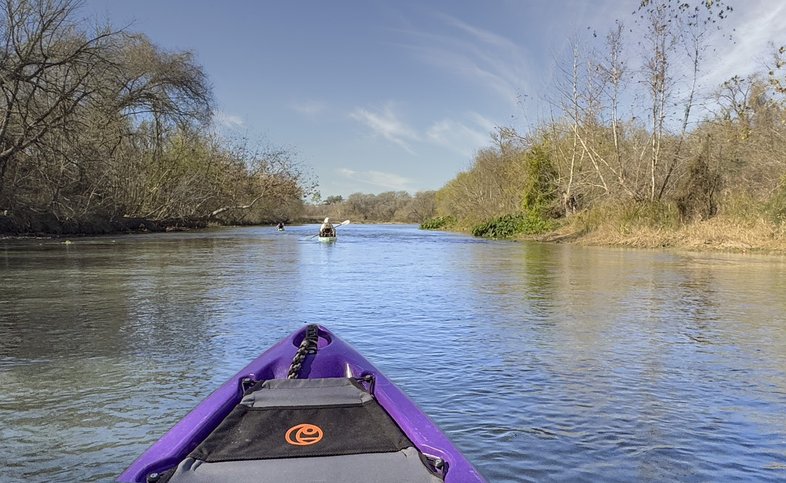
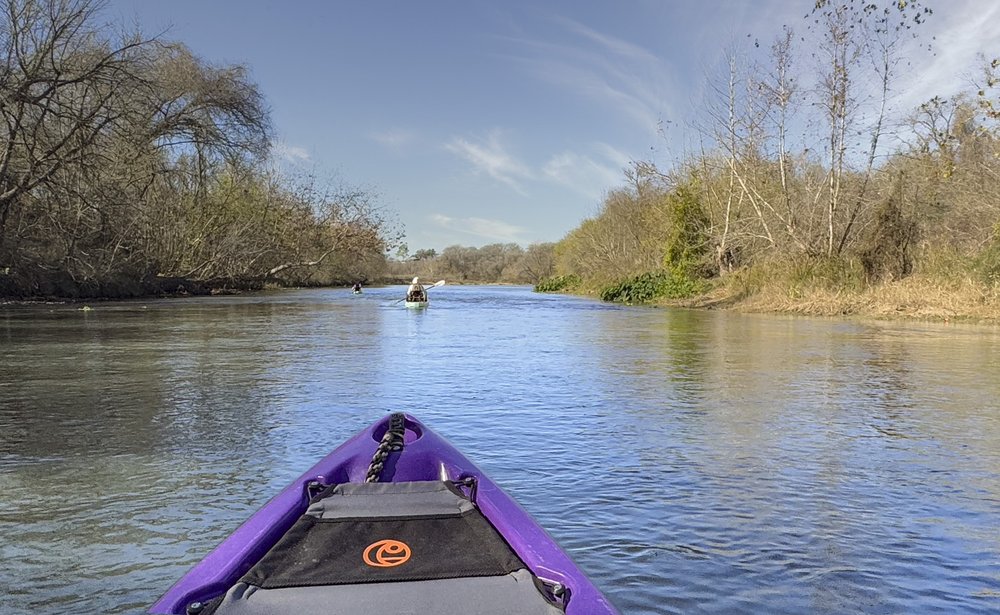
Paddling down the Colorado River in Bastrop.
Sonja Sommerfeld
Paddling down the Colorado River in Bastrop.
Sonja Sommerfeld
Be a River Rat
The Colorado river upstream from Austin is a tamed animal, domesticated by the Highland Lakes dams that have turned it into a haven for powerboaters and bass anglers. The river’s wilder side still is visible beneath Austin’s Longhorn Dam, where it begins its uninterrupted charge toward Bastrop and the Gulf. Near Bastrop, several access points make for two easy paddling trips. To experience the Wilbarger Paddling Trail, put in at the FM 969 bridge in Utley and paddle to Fisherman’s Park in Bastrop for a 14-mile paddle. You’ll see majestic cliffs and experience mild rapids. For a shorter jaunt, opt for the El Camino Real Paddling Trail: put in at Fisherman’s Park and head downstream for a 6-mile trip that ends at Bastrop County Nature Park in the Tahitian Village suburb. Several outfitters in town offer canoe and kayak rentals along with shuttle services. More serious paddlers have their pick of two paddling races that run through Bastrop: January’s Texas Winter 100K is a chilly race that starts before dawn in Austin and ends with an evening chili cookout in Bastrop; in September, the Colorado River 100 heads 62 miles downstream from Fisherman’s Park to the takeout point in La Grange.
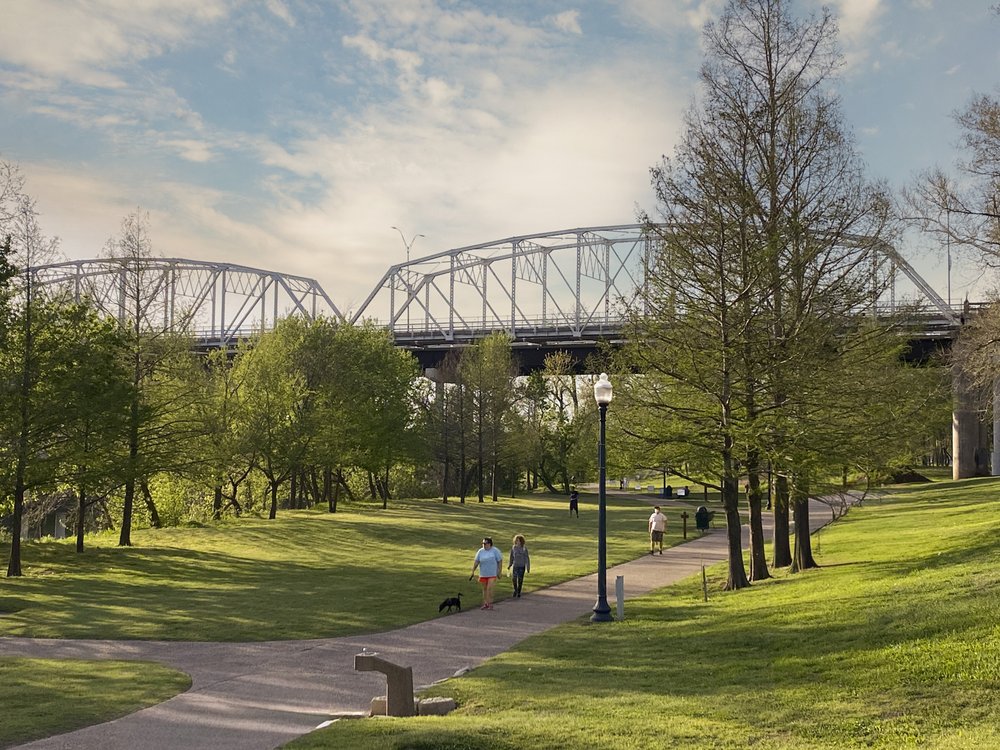
For an even more leisurely riverside experience, opt for a picnic at Fisherman’s Park, the town’s central greenspace. Later, take a stroll along the riverside June Hill Pape Riverwalk Trail, a paved corridor connecting Fisherman’s Park to Ferry Park.
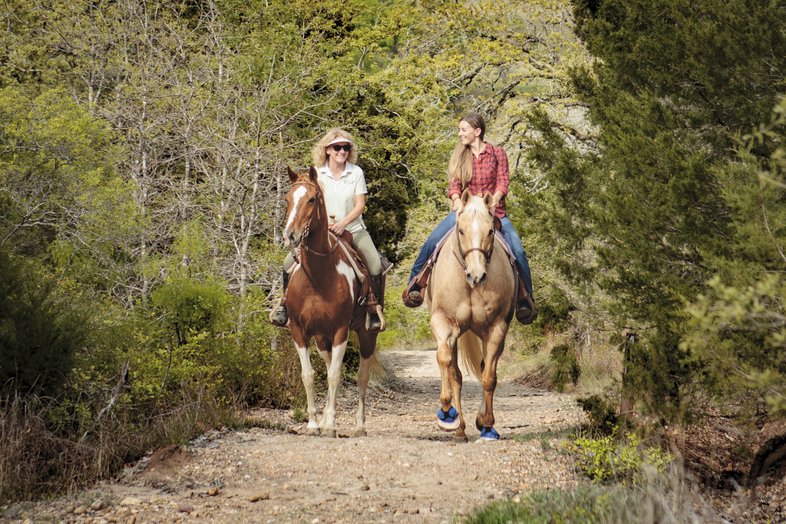
Riding horses at McKinney Roughs.
Earl Nottingham
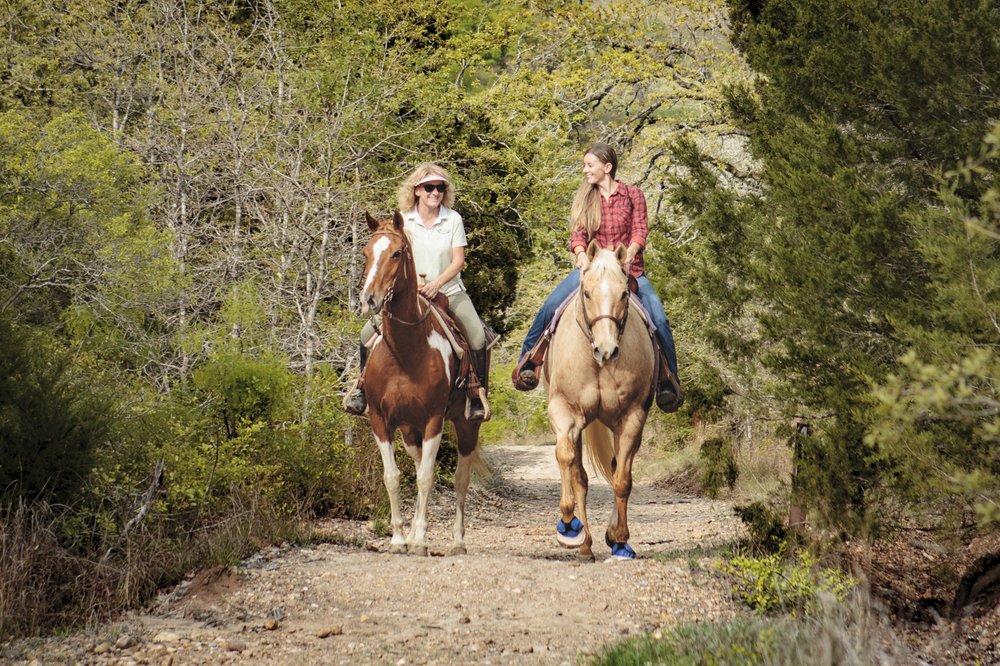
Riding horses at McKinney Roughs.
Earl Nottingham
Walk Through the Pines
Public green spaces abound in and near Bastrop, where the Texas Parks and Wildlife Department operates two parks in the Lost Pines, a unique forest of loblolly pines isolated from the East Texas pine forests. Bastrop State Park offers charming and rustic cabins for comfortable overnight stays and a pool that operates in the summer months. For a hike in the central area of the park, park interpreter Madalyn Miller recommends stringing together some of the park’s shorter trails: Park at the playground parking area, go down the Pine Warbler Trail (0.3 miles), take a left onto the Scenic Overlook Trail (1.7 miles), rest at the scenic overlook, head to the road and take a right to walk down the road to connect to the Post Oak Spur trail (0.5 miles), then take a left to get back to the Pine Warbler Trail. A few miles east, at Buescher State Park, a 30-acre lake offers fishing and paddling, and hikers and bikers can traverse 6 miles of trails. Modern cabins provide a comfortable lodging option.
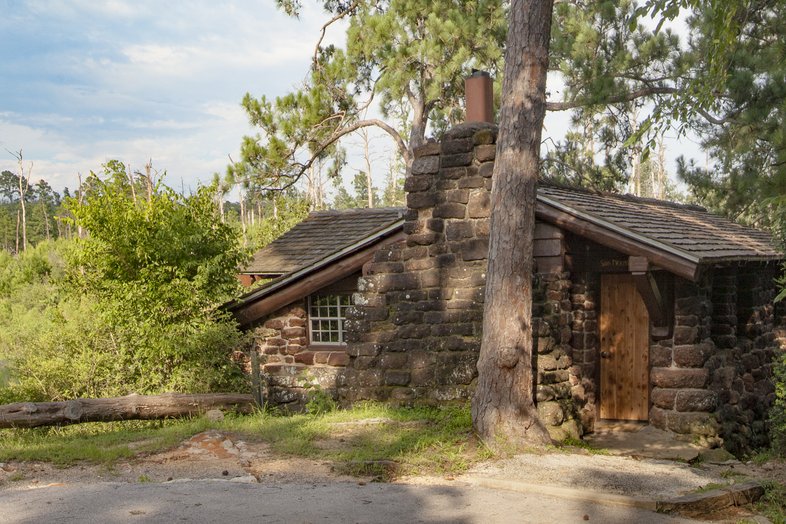
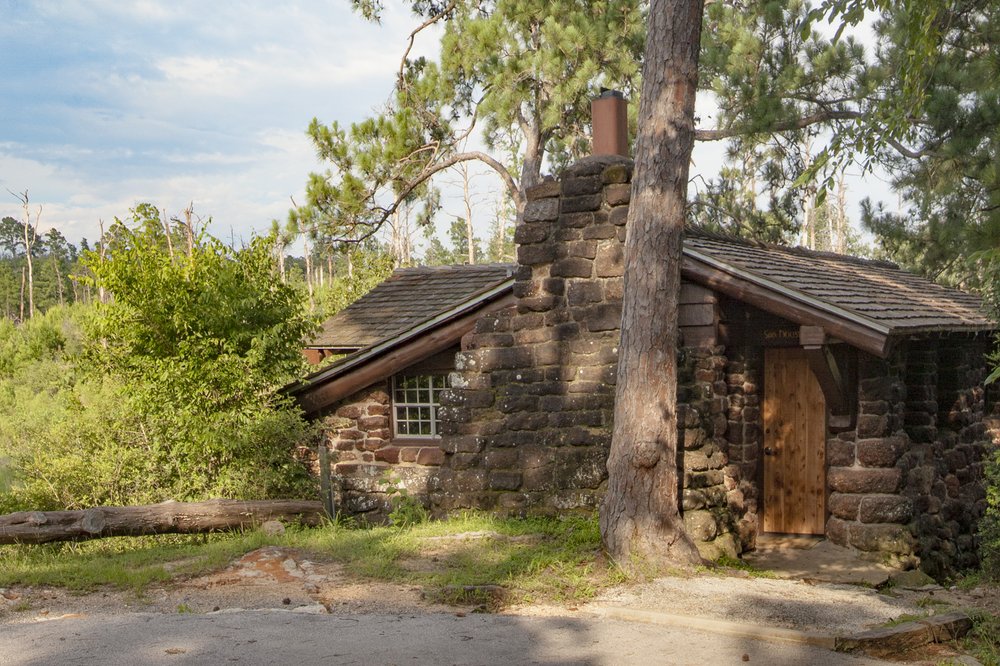
Bastrop State Park cabin.
Sonja Sommerfeld
Bastrop State Park cabin.
Sonja Sommerfeld
Local and regional parks also offer great alternative experiences. The Lower Colorado River Authority operates several parks in Bastrop. At McKinney Roughs, visitors can enjoy adventure activities like ziplining, ATVs, stargazing and more. Between the LCRA’s Lake Bastrop North Shore and South Shore parks, the agency maintains the 8.4- mile North South Trailway, which offers hikers and bikers a scenic route filled with waterfront views and diverse wildlife. Another hiking opportunity can be found at the Colorado River Refuge, a property owned by the Pines and Prairies Land Trust where visitors can access three miles of trail.
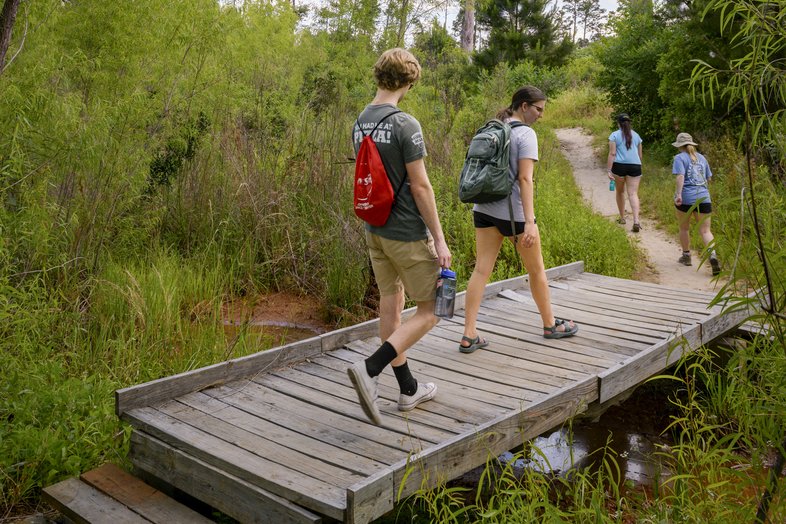
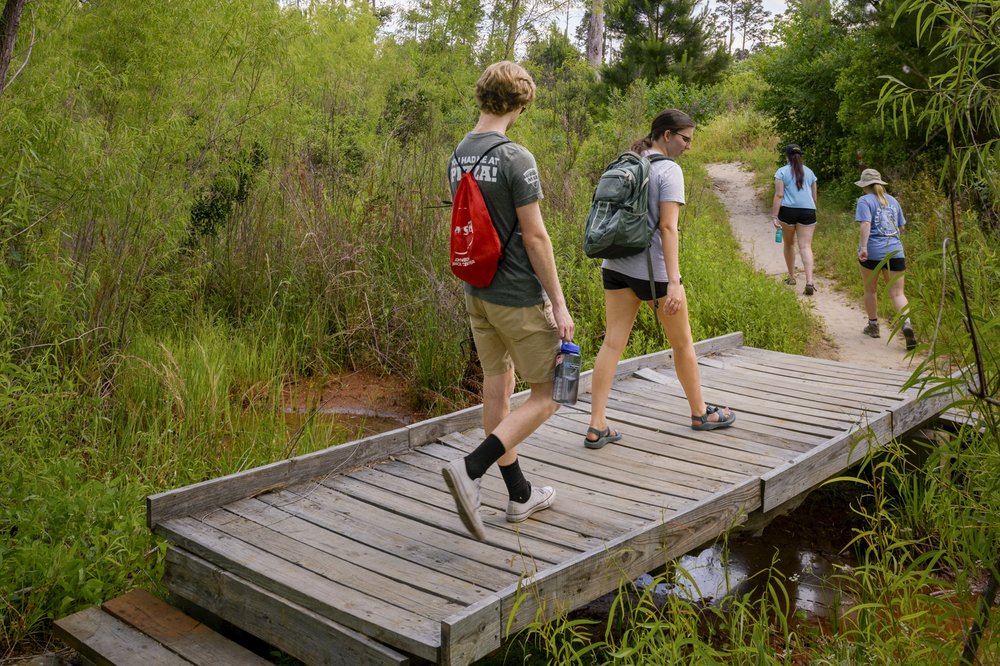
Hiking at Bastrop State Park.
Chase Fountain
Hiking at Bastrop State Park.
Chase Fountain
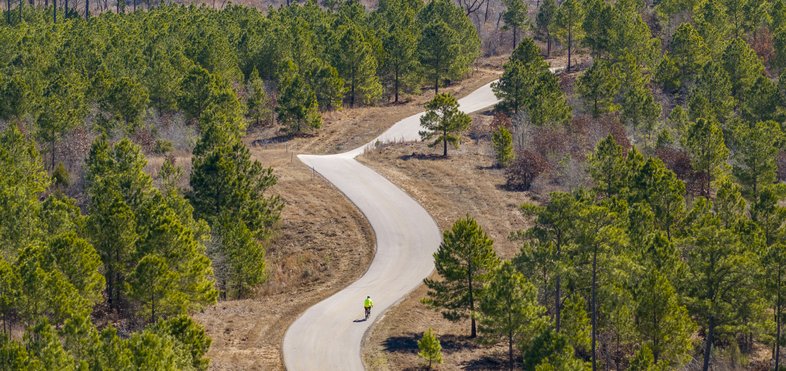
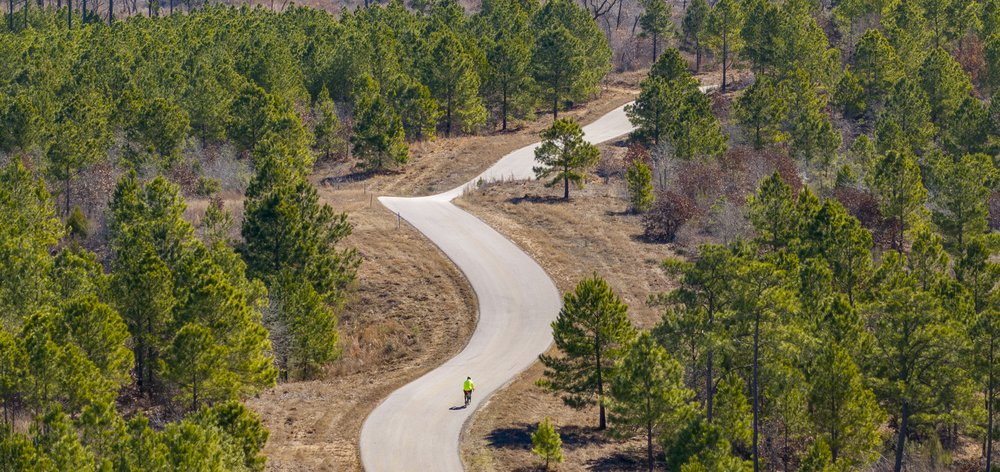
Cycling on Park Road 1C between Bastrop and Buescher state parks.
Chase Fountain
Cycling on Park Road 1C between Bastrop and Buescher state parks.
Chase Fountain
Pedal to the Medal
The scenic, 12-mile Park Road 1C between Bastrop and Buescher state parks takes cyclists through recovering and forested areas of the Lost Pines. Bring a bike with plenty of gears, or otherwise be prepared to get up out of your saddle and mash your pedals to make it up the steep inclines on this hilly stretch of pavement. Inside the parks themselves, cycling opportunities abound. All trails in Buescher State Park allow mountain bikes; in Bastrop State Park, the 4.5-mile, interconnected Tree Army Trails allow bicycles. At Rocky Hill Ranch in nearby Smithville, mountain bikers have plenty of terrain to explore across more than 17 miles of trail at one of Texas’ premier mountain biking destinations.