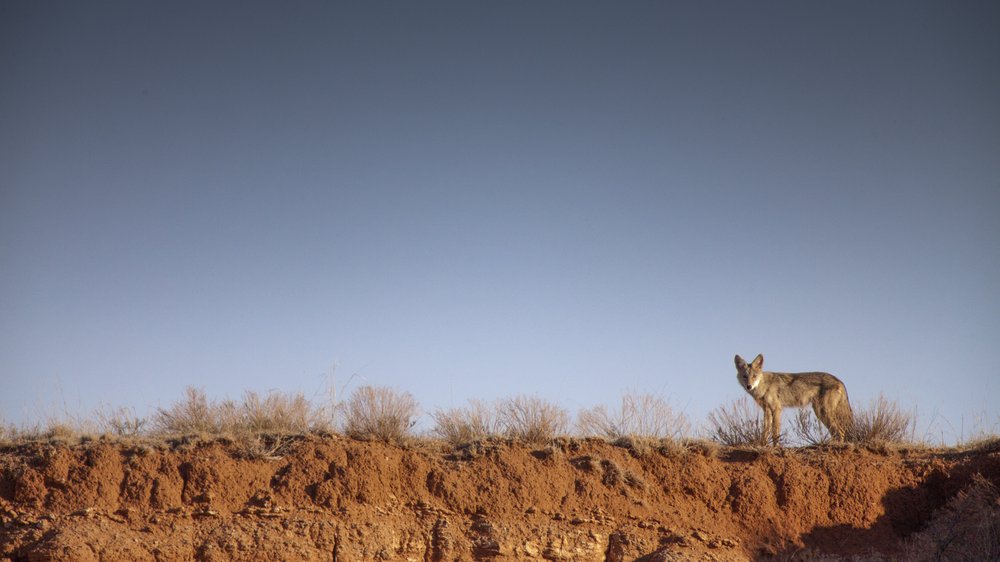
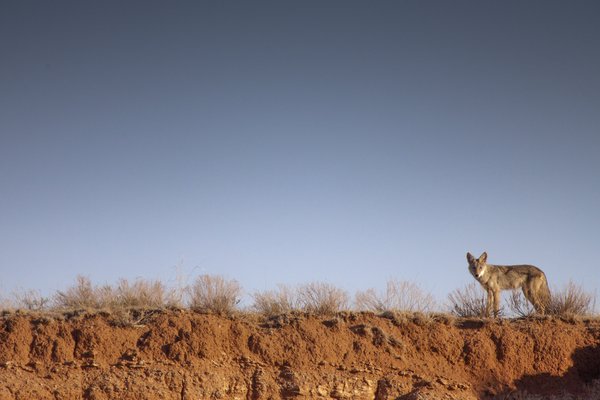
Twenty minutes after I sit next to a well-used game trail, I see movement to the northeast of the cedar tree in which I am hiding.
Out of nowhere, a sleek coyote steps into a clearing and glares in my direction. Everything I planned to make this moment happen materializes 20 yards away: A predator stands in the burnished orange bluestem in perfect afternoon light and remains motionless long enough for me to focus and squeeze the shutter. I capture two frames of 35mm slide film, and then the animal disappears. I notice my heart pounding.
In that instant, I made my first truly memorable wildlife image. That was the moment it clicked. It was exhilarating. Even though the scene is three decades old, I can recall it clearly. It was a defining moment in my eventual career as a photographer. It was the moment that my pictures became intentional instead of accidental.
But here’s the truth: Initially, I didn’t know the image was that good. Those were the days before digital photography, when I still had to expose the entire roll of film, ship it to a distant photo lab and wait for the images to return. A few weeks passed before I could finally look through the cardboard-mounted film slips and find the coyote. First, I thought someone else’s pictures had been mixed in with mine. I quickly realized that the slides were indeed my own. In the Northeast Texas wild, everything I’d learned about how to make an engaging wildlife photo came together at that moment.
Since that day, I have been blessed to have my photographs appear on hundreds of magazine covers, and work for some of the biggest names and companies in the outdoor space. And now, I guide photo workshops worldwide.
A Blend of Art and Technology
What I love most about nature photography is that nature comes first.
One time, while sitting in a makeshift ground blind on a ranch north of Canadian, the sun hadn’t breached the horizon when a pair of prairie-chickens flew in from the surrounding sage. Each year, the local prairie-chickens fly back to this same bare spot on the prairie (called a lek) to do their annual mating dance.
Within seconds, a male lowered his head and wings and started stamping his feet in his age-old mating ritual. I took several pictures of him and the other prairie-chickens that eventually showed up for the dance until they filled their card and flew off into the brush to do what amorous prairie-chickens do.
Reading about the mating dance or seeing it played out on TV is a somewhat sterile exercise. To experience it in person — I mean to really experience the sight of the chickens, the sound of the booming, the smell of the sage and the way a spring breeze feels on your skin while you are under a big, bright Panhandle sky — is transformative.
Once you see prairie-chickens doing their thing, it’s hard not to care about them. In Texas, prairie-chickens need lots of folks to care about them because they, like many grassland birds, are sadly imperiled.
That’s one of the big allures of nature photography. To snap a meaningful picture of any species creates a connection between you and it that may be unrivaled. Those moments I captured the prairie-chickens on digital medium are slices of time — 1/1000 of a second each — that never happened that exact way before and will never happen that way ever again.
Capturing nature’s fleeting moments and bearing witness to them — it’s a powerful allure.
To practice wildlife photography, you must learn to control all of the things that are within your control, like understanding all of your camera settings and what to set when. It’s also a lesson in watching the weather, learning about your subject and putting yourself in the very best position to get a great image of the subject you pursue.
There’s a technical allure to photography. Then there’s the art of it all as well. Nature photography blends a heavily technical discipline (understanding how shutter speed, aperture and ISO settings work together) with the beauty and science of nature. Plus you must master the art of understanding good light, composition and storytelling. Then, when things work right, you can impart emotion, drama and introspection all in the same frame.
Respect Your Subject
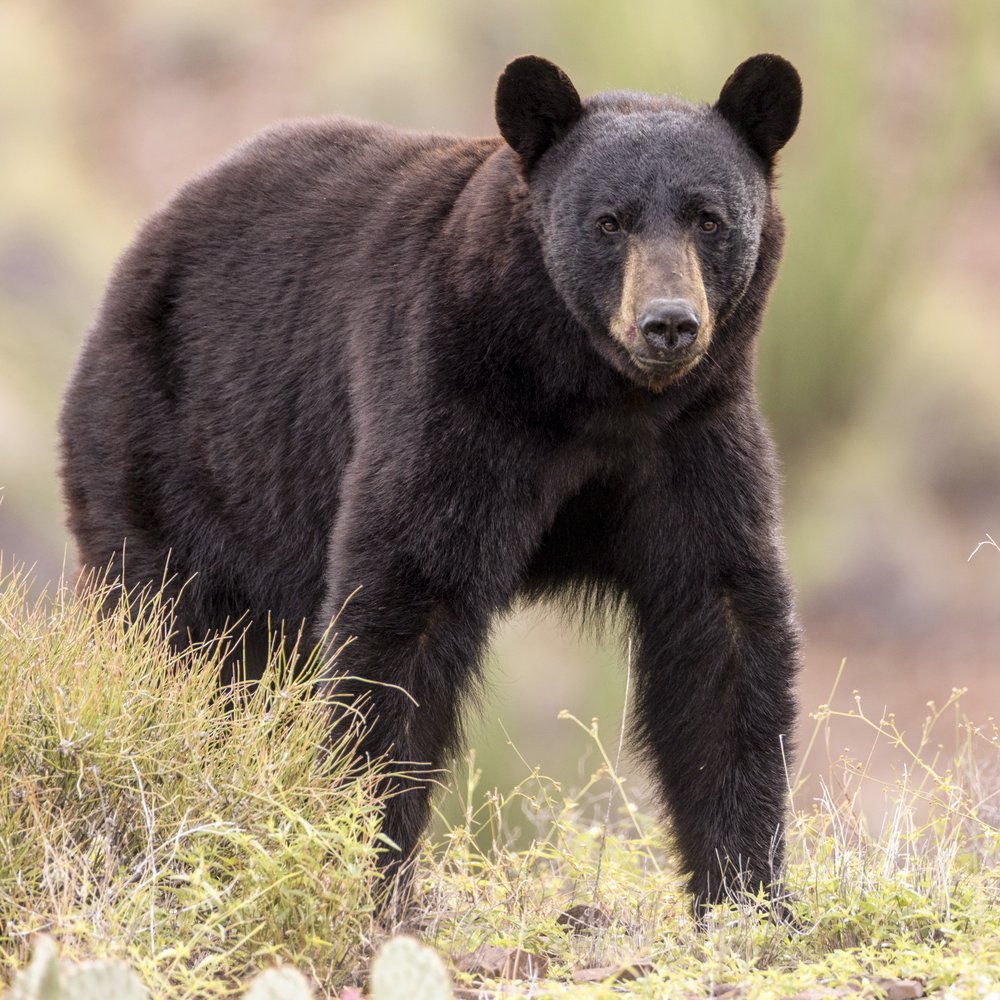
I saw this black bear just off Castolon Road, in Big Bend National Park, winding his way through cactus and scrub at the mountain’s base. This is the first Texas bear I’d ever seen – much less photographed.
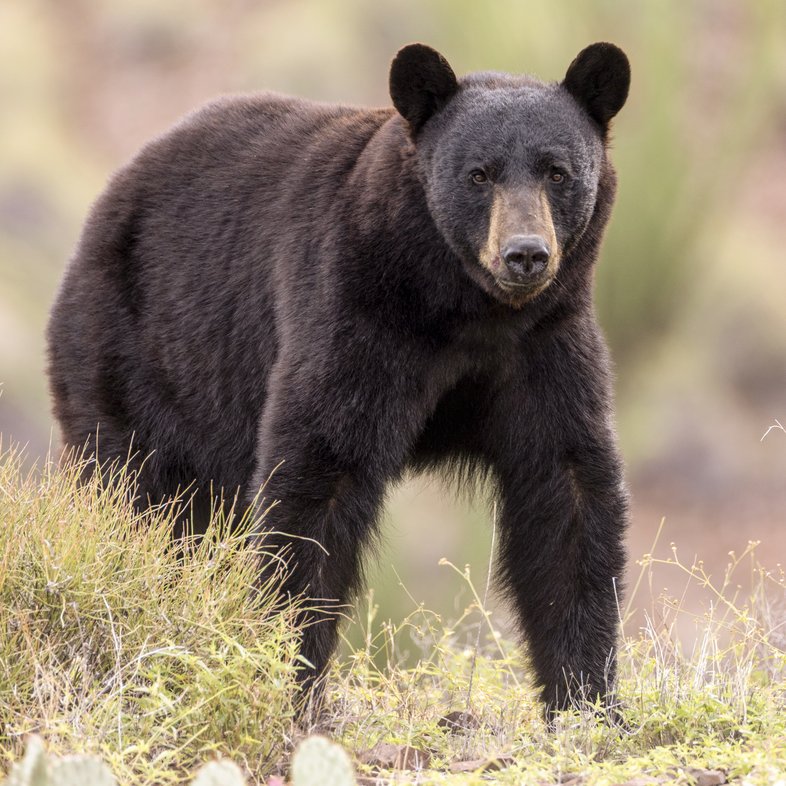
We’ve all seen social media videos of people getting too close to wildlife in national parks. It usually doesn’t end well for people or the wild animal. One of the hallmark principles of wildlife photography is to respect your subject and not do things that will disturb them or cause them undue stress. As such, photograph wildlife with telephoto lenses and keep a comfortable distance. If an animal changes its behavior because of your presence, you’re too close.
Learn Animal Behavior
Nine-banded armadillos use their sticky tongues to catch insects and lap up water.
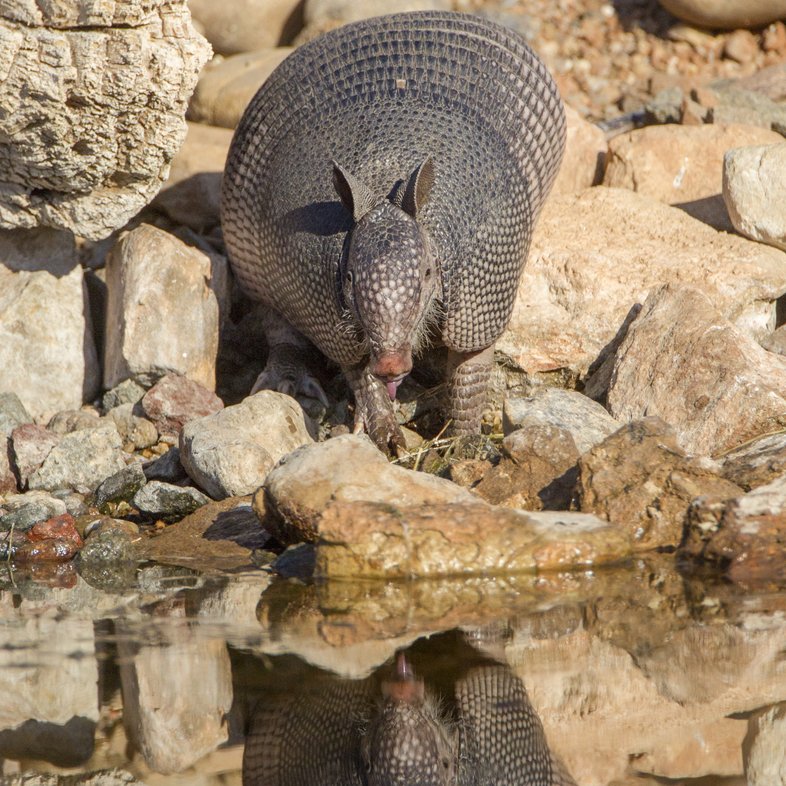
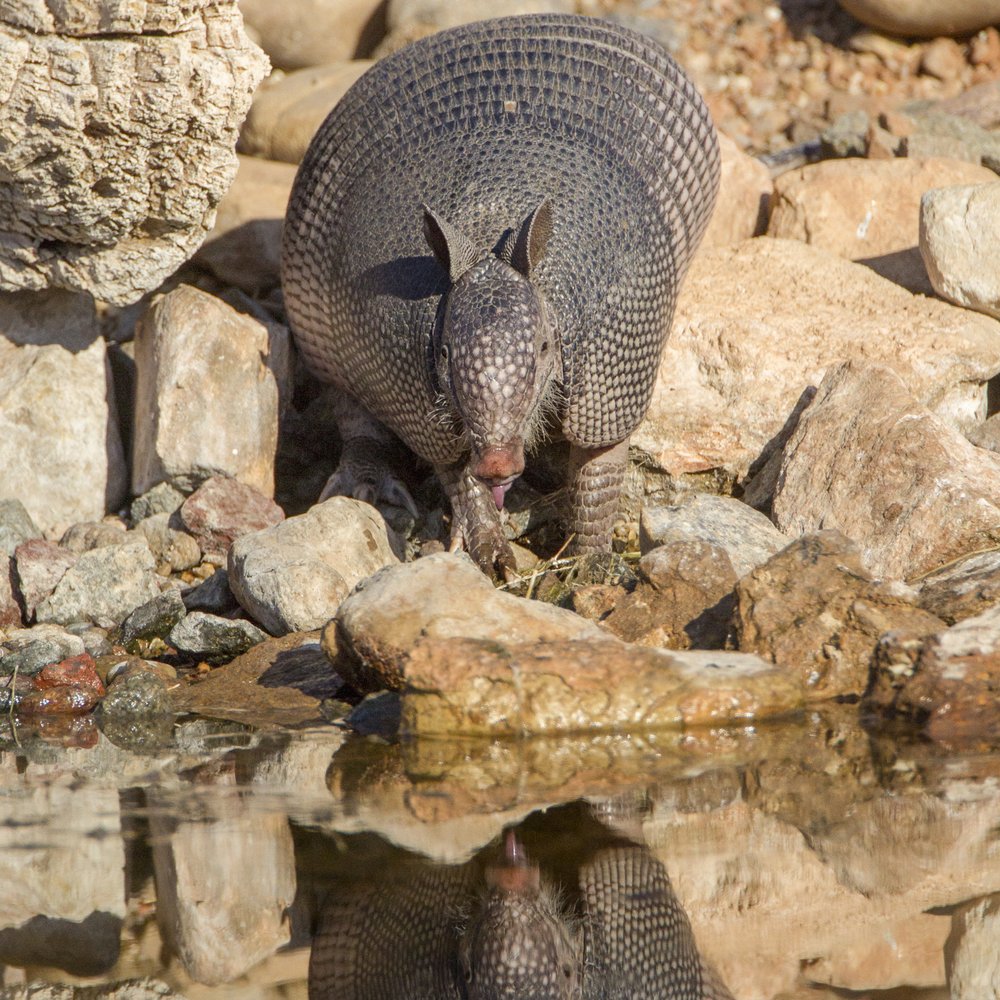
When you get really serious about wildlife photography, you are committing yourself to being as good a naturalist as you are a photographer. The best wildlife photographers study wildlife feeding patterns, mating rituals and seasonal migrations so they can anticipate and make reasonable predictions about when animals may be on the move. Read field guides, watch documentaries and spend time observing wildlife. In short, learn all you can about your subject.
Bad Weather Is, Well, Good.
In a wheat field near my home close to Childress, I’d often see coyotes out looking for prey. When coyotes hunt in snow or tall grass for rats and mice, they often sneak up on their prey until they are just a few feet away. Then, they’ll pounce.
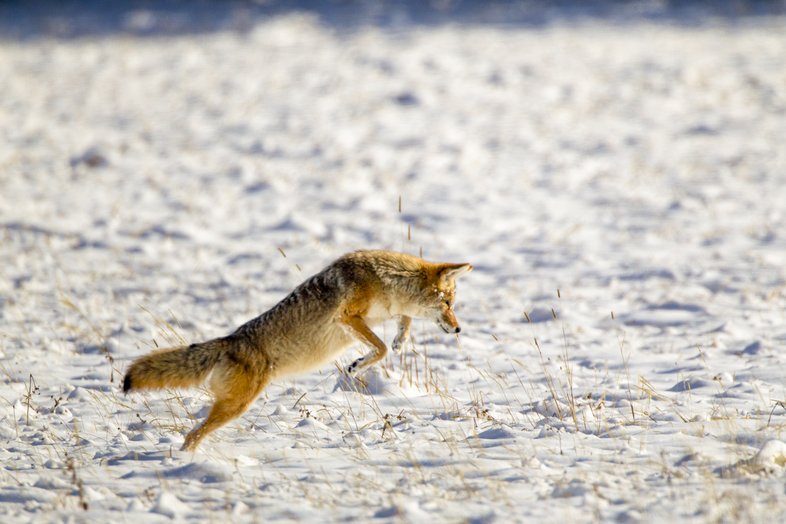
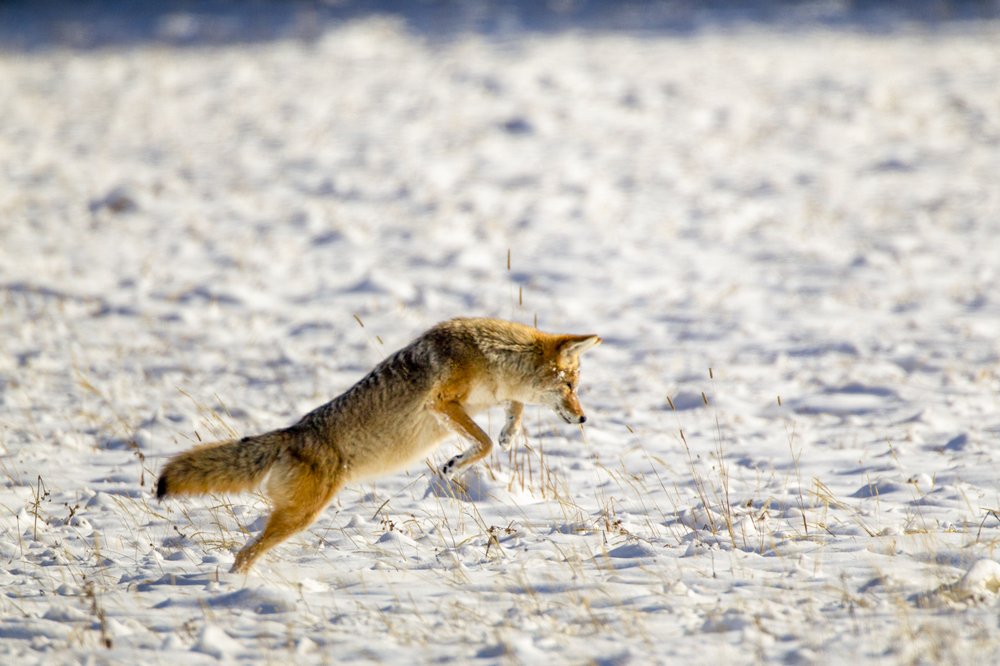
Blue sky days are fine, but if you are telling the true story of an animal, you want to see it in all kinds of weather. Fog, snow and rain lend a certain grittiness to an image that perfect weather days cannot. Even in inclement weather, animals still have to eat and move around.
Light Is Everything
Male bobwhite quail are animated when looking for a mate. They will often take a high perch from which to vocalize their familiar poor-bob-WHITE call.
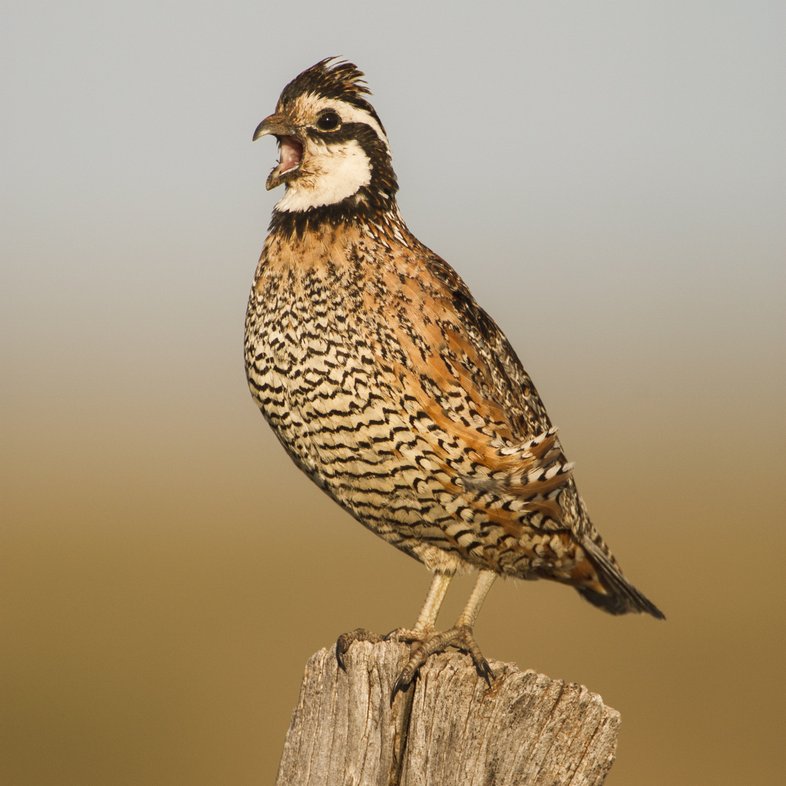
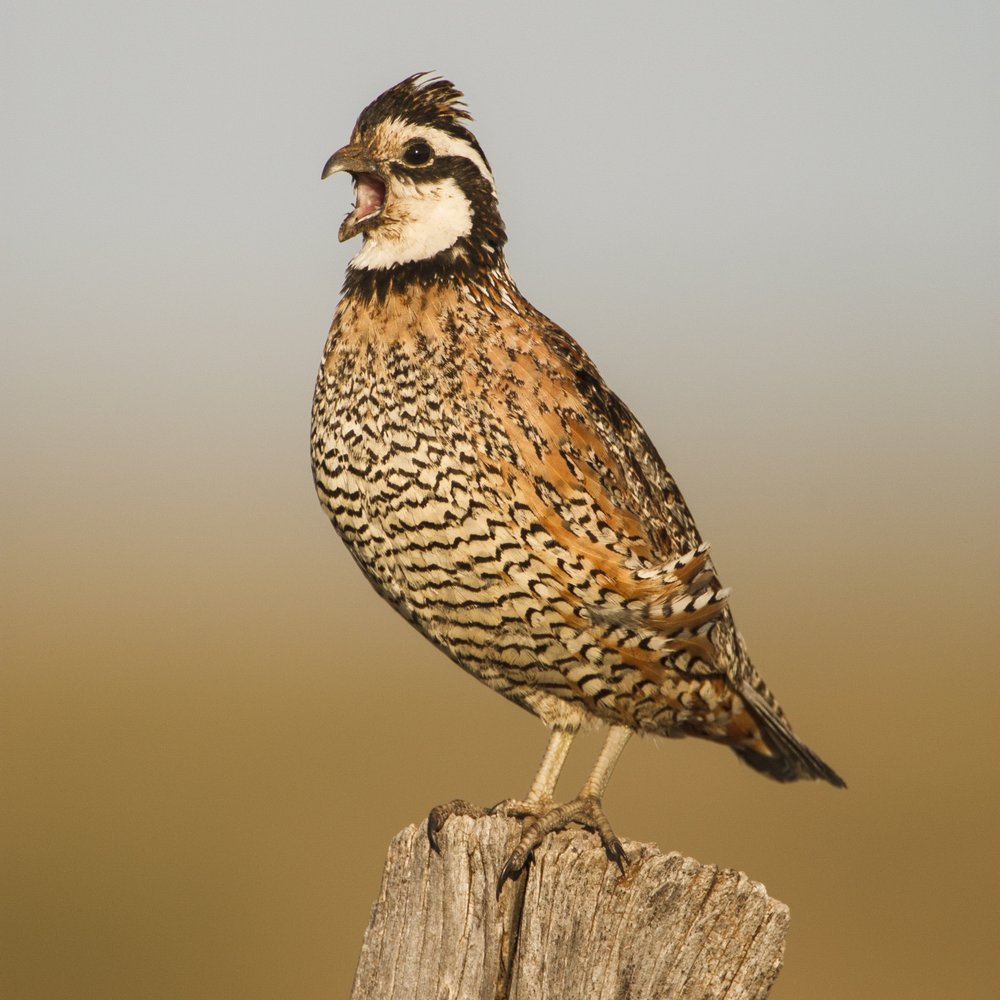
The best wildlife images typically occur during the first two hours after sunrise and the last two hours before sunset. The warm, directional light adds drama and dimension. Midday light tends to be harsh and flat, though overcast days can work beautifully for certain subjects.
Focus on the Eyes
A big bobcat slips from the brush at first light on his morning's hunt near Childress. Bobcats are elusive. To see a big male like this one makes the image even more special.
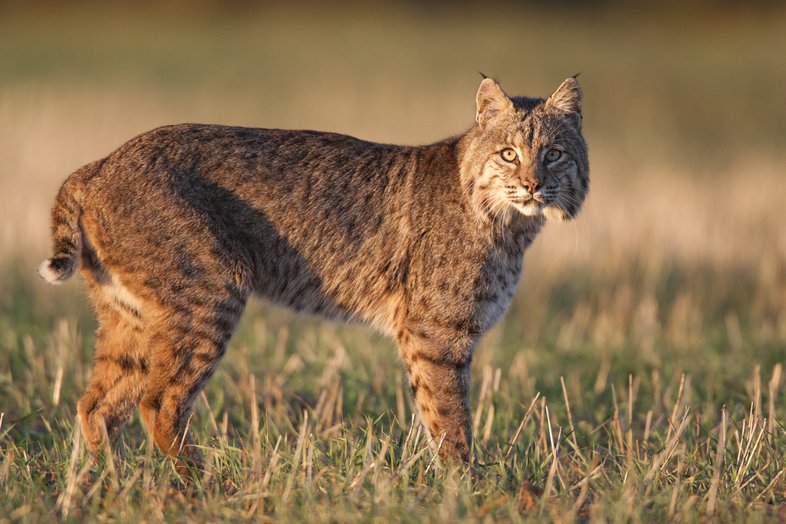
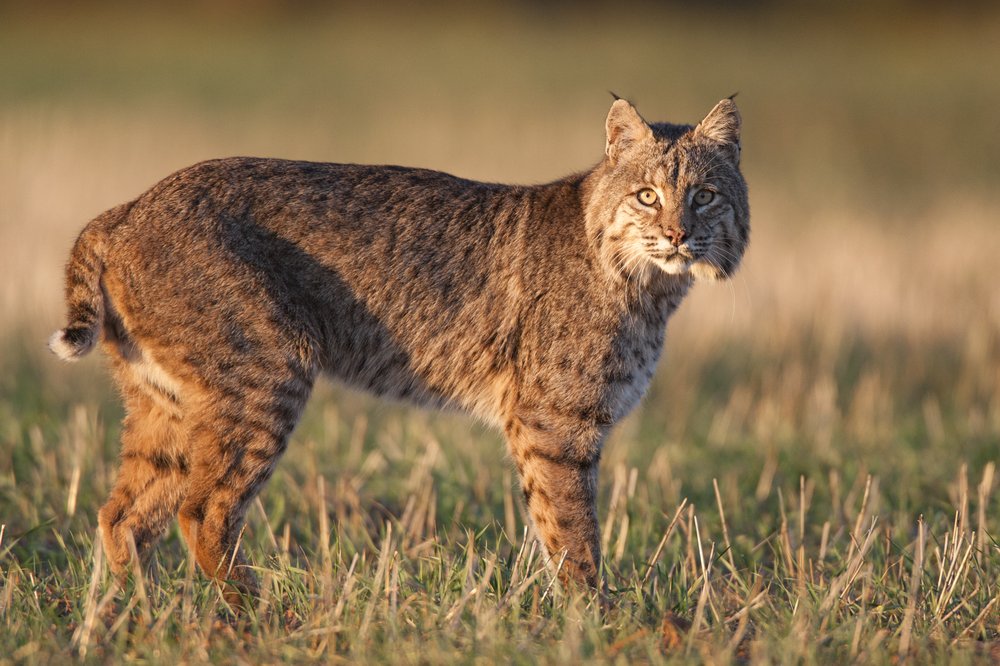
Since the eyes are the first thing you look at in a photo, the eyes of an animal must be in focus. There are times when you can get by with other parts of the image being a little soft, but if the eyes aren’t tack sharp, you can forget about it.
Tell Stories
For reasons I can’t explain, sandhill cranes, such as these cranes spotted near Lubbock, often point their heads skywards and call. It almost seems like they are simply celebrating being where they are with all of their fellow cranes.
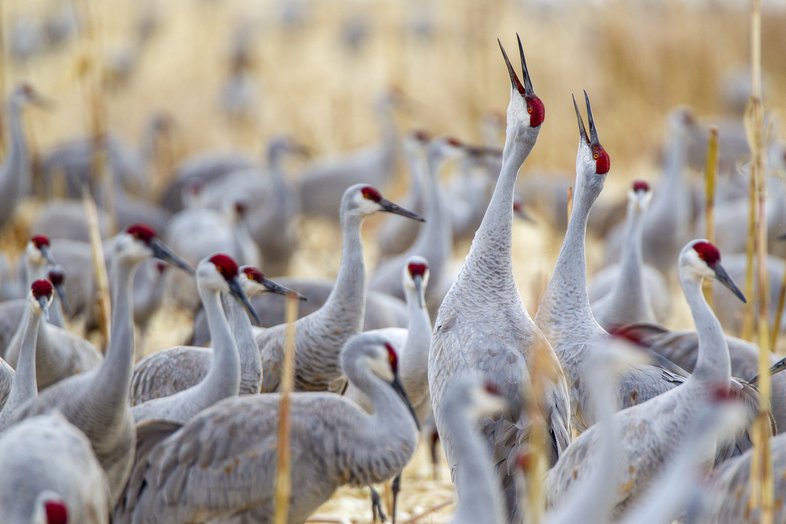
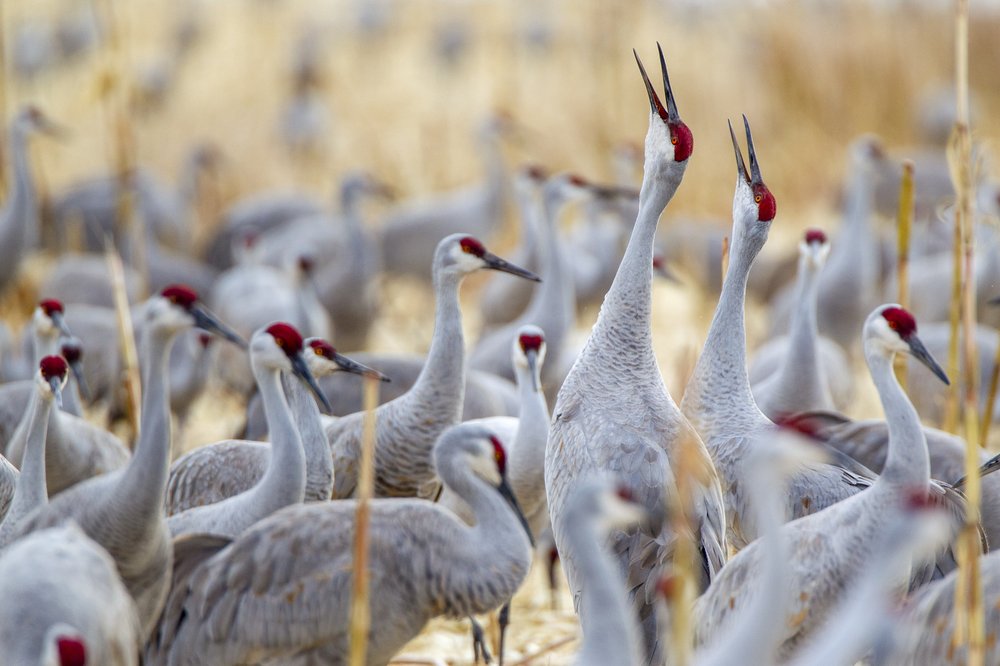
In addition to portrait shots, try to capture animals interacting with their environment, such as hunting, playing and caring for their young. I call this approach the Three Shots. The first shot is a yearbook shot. In other words, it is a nice portrait of the animal. The second shot is an environmental shot. An environmental shot is a picture of an animal that shows its habitat. It’s a small deer standing in some big woods. The third shot shows the animals engaging in an activity, such as feeding or fighting. A behavioral moment is always interesting. If you can get the three shots outlined, you are well on your way to telling a good story about that species.
Get Low
I find feral pigs to be fascinating animals. For this picture I wanted to accomplish a different view than most ever see. So with a remotely fired camera and some well-placed deer corn, I shot this image exactly how I imagined.
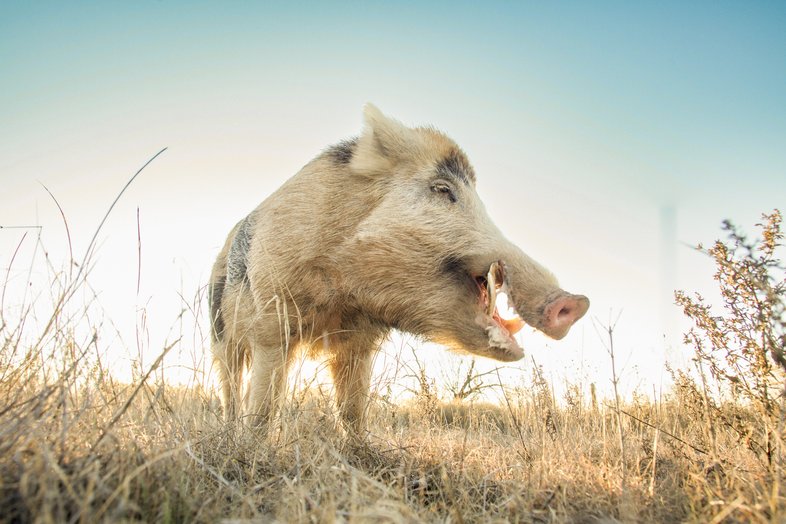
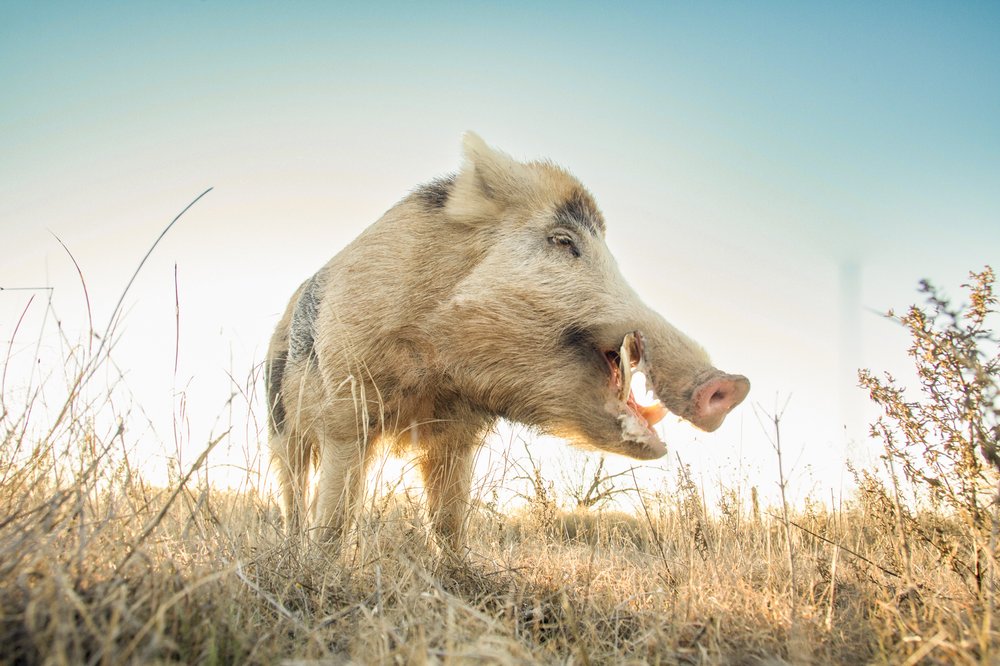
Generally, when shooting images of any wildlife, they look better when you are at eye level with the animal (or even slightly lower). I’m no psychologist, so I won’t pretend to be one, but I will say this: When you shoot images of animals at eye level, it’s as if you are getting a better look into their world. You see them as they see the world.
Be Prepared to Fail
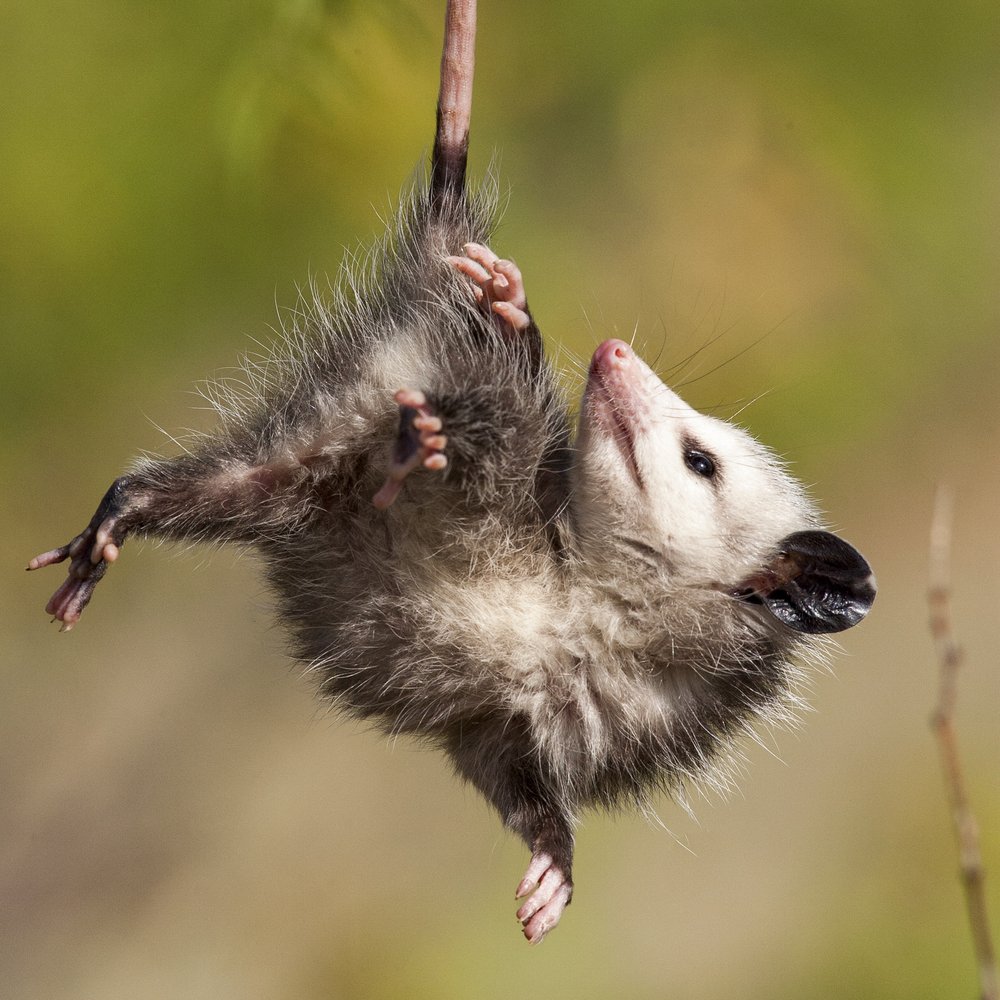
Young opossums learn early on to use their tails as a fifth limb.
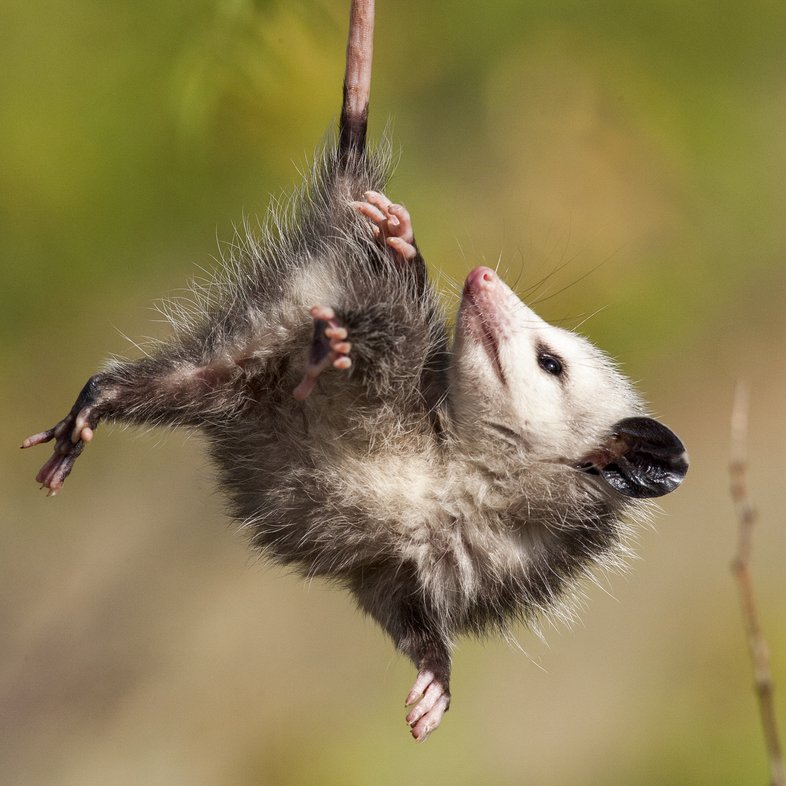
The greatest golfers in the world play the game knowing that they will never play it perfectly. It’s the pursuit of perfection that makes the game enjoyable for them. Wildlife photography is no different. When you go out, you’ll get blurry images, you’ll miss seeing animals, or you won't be ready when the action happens. Failure is part of the game. Embrace failure, learn from your mistakes and enjoy the process.