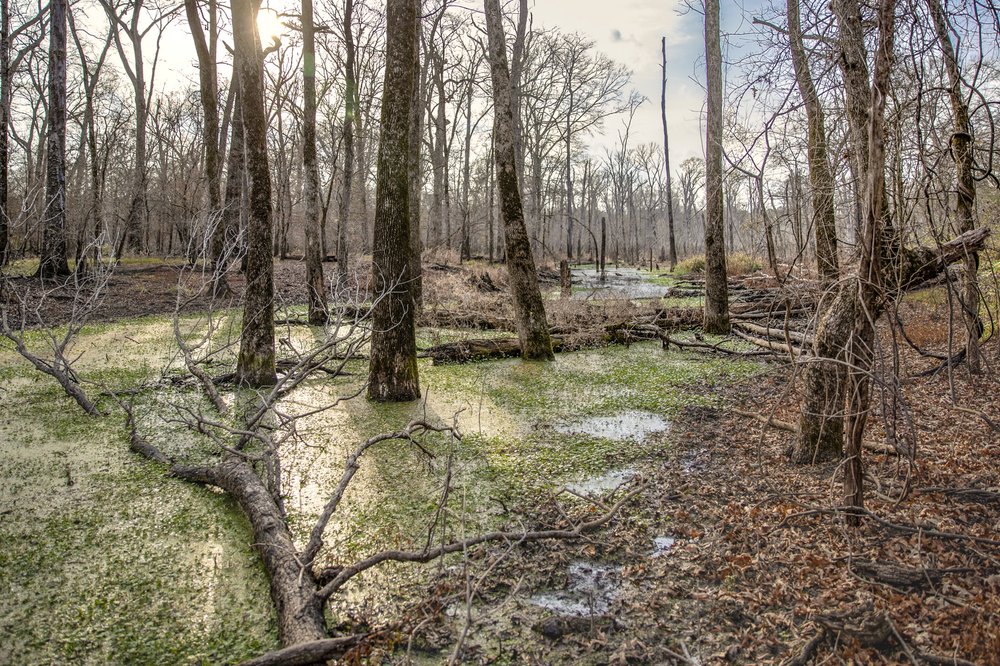
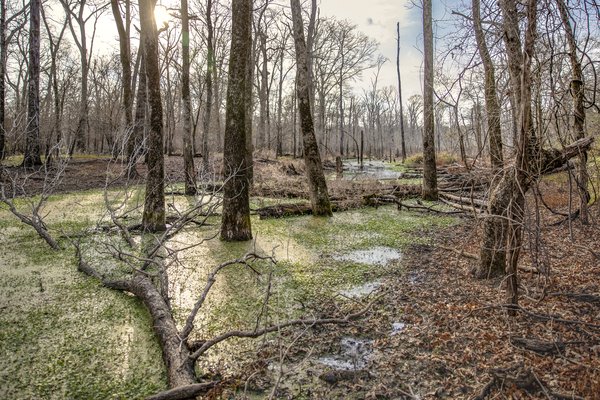
In the heart of East Texas, a few miles north of Tyler, Old Sabine Bottom Wildlife Management Area harbors one of our state’s last remaining stretches of bottomland hardwood forest, the majestic sponges of the natural world. These flat, swampy regions soak up the water from floods, reducing the severity of flood impacts to downstream communities. They also improve water quality by reducing soil erosion and filtering and flushing organic waste before it reaches open water.
Two hundred years ago, these forests covered almost 30 million acres in the southeastern United States. Only about 40 percent of that area remains, much of it in the lower Mississippi floodplain.
Between Old Sabine Bottom, the Mineola Nature Preserve and the Little Sandy National Wildlife Refuge (closed to public visitation), about 12,000 acres of this ecosystem still sit in relatively undisturbed peace along the sloughy, slithery Sabine River.
Unlike other WMAs, where ecosystem management relies on labor-intensive interventions like prescribed burns, ecosystem health at Old Sabine Bottom depends more upon seasonal fluctuations of the river. “Floods here are a cleansing force,” explains Jeremy Mayhew, a wildlife biologist at the WMA. They clear out congested underbrush and press the ecosystem’s metaphorical reset button. During heavy rainstorms, river levels can rise 20 feet or more, flooding the bottomland hardwood forest all the way to WMA headquarters, about three miles away from the banks of the main river channel.
So, instead of doing work to clear brush and otherwise manage the WMA’s nearly 6,000 acres, Mayhew and other staff can focus on making the land more accessible to visitors. Part of that mission is accomplished by maintaining around 30 miles of trails that snake between tall, thin trees and shallow, boggy lakes. The trails are well-utilized by hunters who use the paths as jumping-off points into the wilderness.
“Public hunting is our main reason for being,” says Mayhew, who’s worked at the WMA for three years. A wide array of public hunting opportunities on the property proves that purpose.
Although hunters constitute the majority of visitors at Old Sabine Bottom, Mayhew says there are numerous other activities for outdoors enthusiasts.
Jared Dickson was among the WMA’s recreational visitors long before coming to work at the Old Sabine Bottom as a fish and wildlife technician. When photographer Maegan Lanham and I visited the WMA in early January, it was only his first week on the job.
“When I was in grad school, I came out here a lot,” says Dickson, who was a student, and later lecturer, at UT-Tyler before joining TPWD. His favorite time to visit the WMA is after a flood, when the ecosystem at its liveliest and most dramatic. “As the water draws back down, it leaves isolated pools. Frogs like to lay eggs there and snakes come in there to eat things. You can just come in and [see] snakes by the handful.”
What To Do
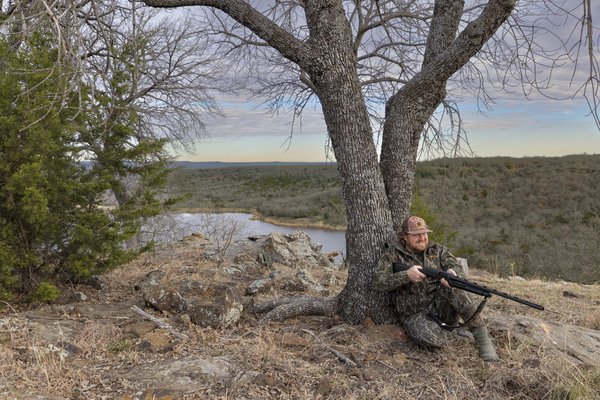
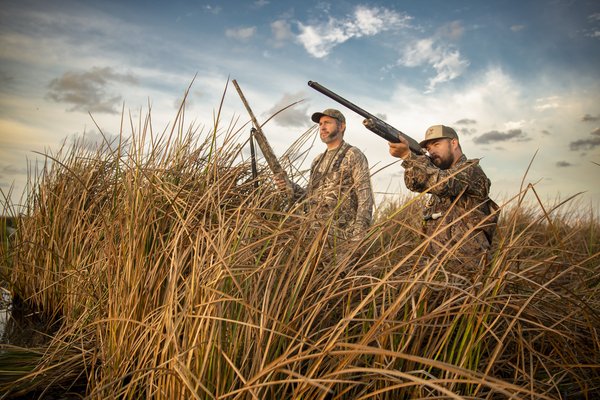
Hunting: Public hunts are the bread and butter of this East Texas WMA, and numerous drawn and walk-in hunting opportunities abound. Archery deer is one especially popular walk-in hunt, as is feral hog (archery only and general season). Squirrel hunting, though diminishing in popularity, is especially fruitful. “I’ve seen squirrels practically falling out of the trees,” Mayhew says, particularly near the main river channel. Climbing stands are popular among regular hunters at Old Sabine Bottom. To increase harvest chances, Mayhew highly suggests scouting in advance, noting that return hunters have the best success rates.
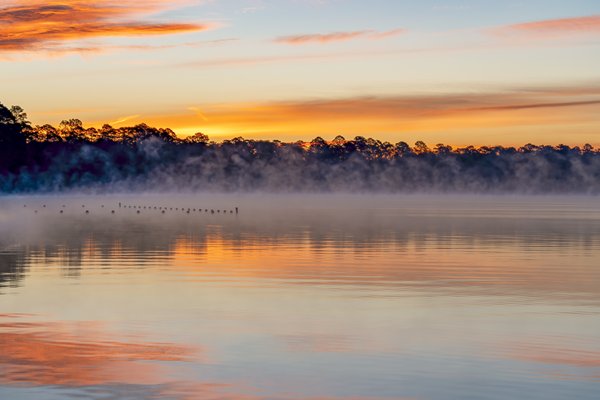
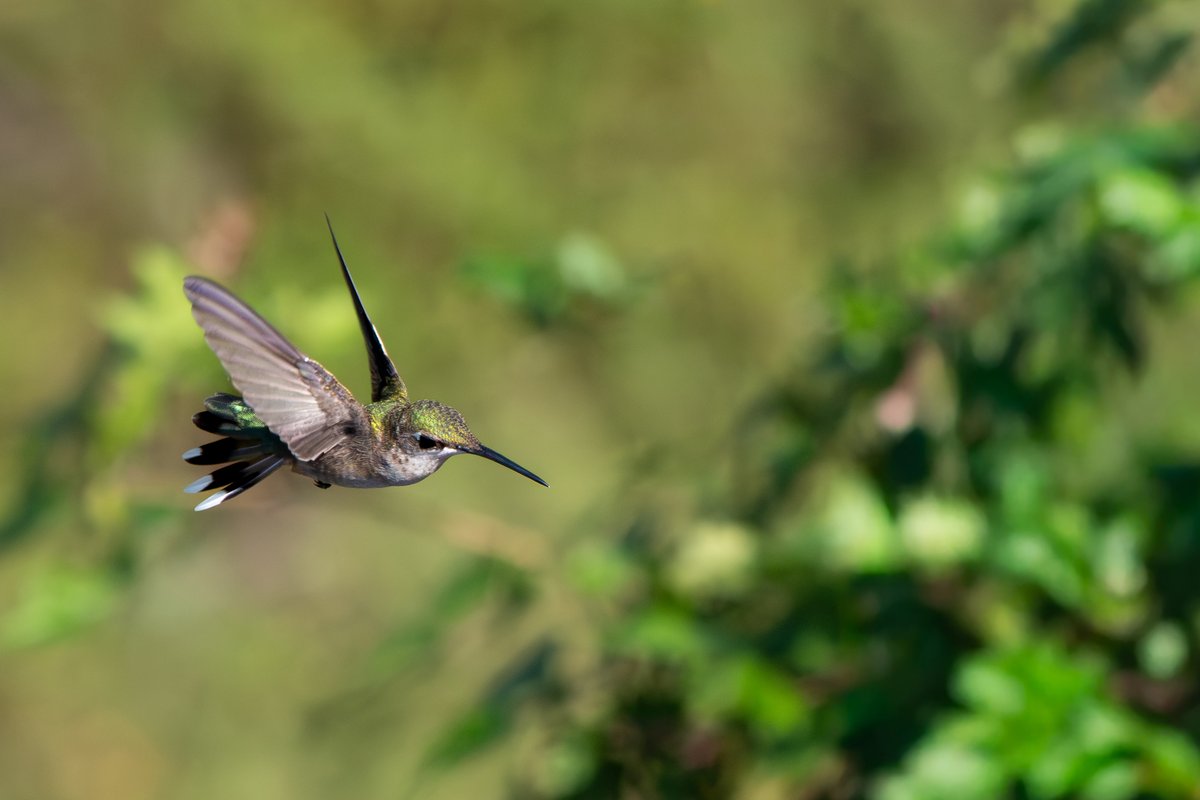
Birding: East Texas’ wetlands and lakes are hot spots for birders. The sloughs and small lakes at Old Sabine Bottom provide ample habitat for waterfowl. Other iconic East Texas species, like the pileated woodpecker and prothonotary warbler, may also be found here.
Hiking: Old Sabine Bottom is exceptional among WMAs for the extensive trail network that runs within its boundaries. About 30 miles of named trails are regularly maintained by WMA staff. The Channel Trail provides an especially beautiful walk along the swampy old Sabine River channel. Keep your eyes on the still water, where, if you’re lucky, you may see the dark eyes of an alligator peeking out above the surface. Trails are open to horseback riders and mountain bikers as well.
Paddling: The Sabine River can make for an excellent paddling spot if water levels are high enough. (Mayhew suggests at least 8 feet at NOAA’s Mineola gauge.) More than 17 miles of riverfront constitute the WMA’s northern border. Another access point is available off of FM 1804.
Camping: Three designated camping areas line the main public hunting road between the WMA headquarters and the river. No backcountry camping is allowed.