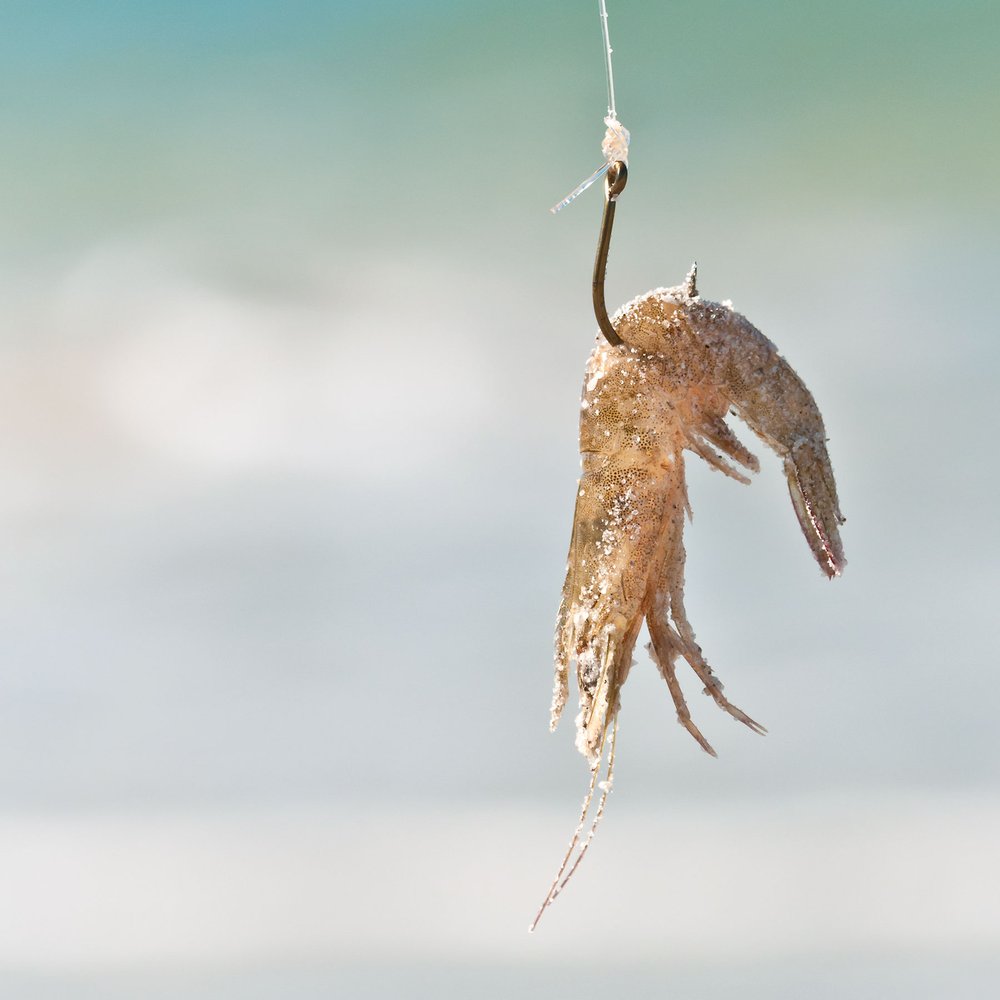
Many people don’t realize the potential impact that releasing live bait can have on aquatic life. Bait bucket introductions — anglers dumping live bait into a water body from which that bait did not originate — are one of the most common ways we spread aquatic invasives.
When it’s time to head home from your favorite fishing hole, you may have leftover live bait such as goldfish, minnows, crayfish or shrimp. Resist that voice in your head that says, “Don’t waste them” or “Just release them into the water.” Yikes! This practice has caused the spread of some of the most notorious invaders.
Just remember this: Don’t dump leftover bait in the water at the end of a fishing trip and don’t take live-caught bait (or bait that’s touched lake water) to another lake to use.
Alternatives include taking your bait home to use on a future fishing trip, offering it to another angler to use or placing it in the trash.
More helpful bait tips for preventing the spread of invasive species:
- Only goldfish and common carp or native shrimp, crabs, crayfish and nongame fish such as sunfish can be used as live bait. Some counties have special bait species restrictions — see the Exceptions to Freshwater Harvest Regulations at OutdoorAnnual.com for details.
- Keep a receipt for your bucket of purchased live bait. Water-draining rules for zebra mussels require all water be drained except for bait with a receipt.
- Bait that’s been in contact with lake water can be used only on that lake because zebra mussel larvae could be in water. Dispose of such bait before leaving the lake.
- Non-native shrimp — including frozen — can be especially problematic and can introduce diseases.
- Use it where you catch it: Even fish native to parts of Texas can become invasive outside their range.
- Taking any live nongame fish away from certain water bodies where bighead carp have been found is prohibited. Check OutdoorAnnual.com for more information on exotic species rules related to fishing.
- Thoroughly clean, drain and dry your boat and fishing gear — including bait buckets — before moving them to another body of water.