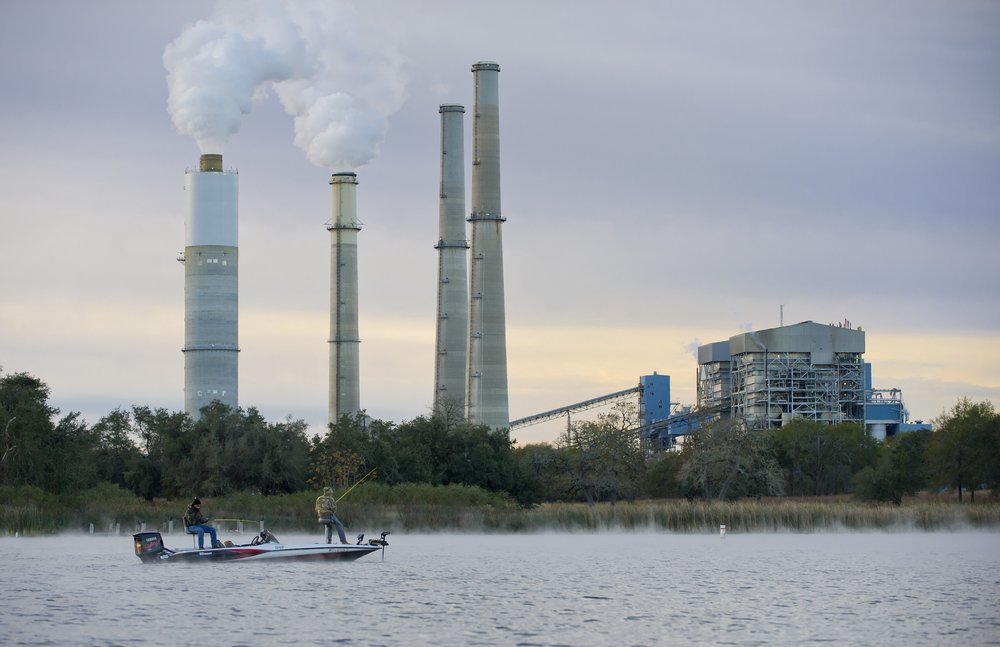
Texas has about 20 lakes used to supply cooling water for electric generating plants that also furnish good public opportunities for fishing. These lakes offer anglers a cure for the midwinter crazies that can strike as a result of too-short days, too much televised sports and too much couch time.
Admit it: After a couple of wintry months spent not fishing, seeing Bill Dance pull a big old bass or catfish out of the water and wave it in front of the TV camera makes you want to just snatch it out of his hand and smack him in the kisser with it.
When you reach that point, it’s time to head for a warm power plant lake to catch some fish yourself. Not just any lake will do, though. Those that mainly supply power during peak demand periods may not operate enough during winter to heat the water. Here’s a sampling of lakes you might want to try.
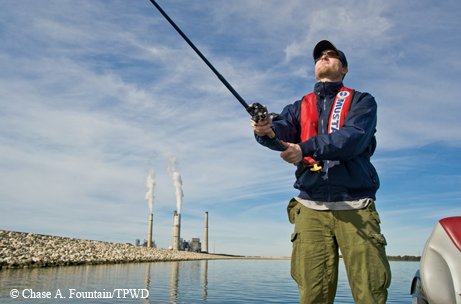
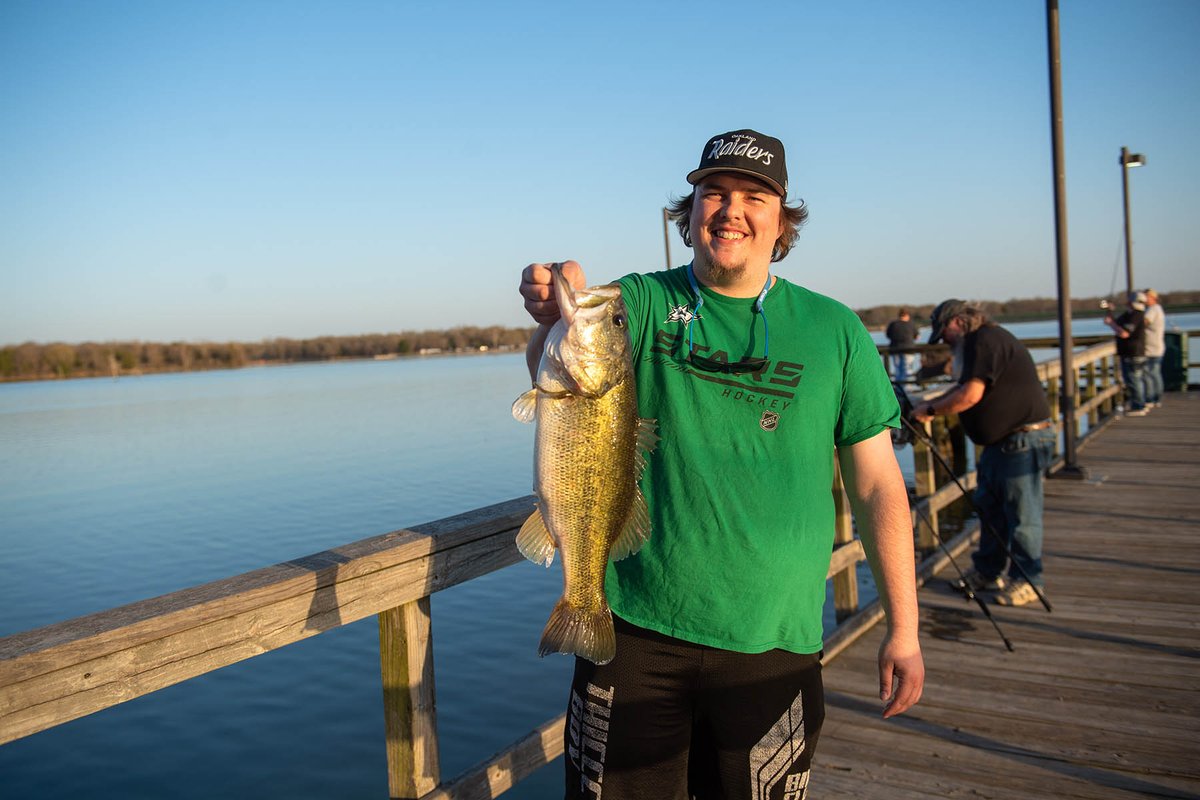
At Fayette County Reservoir near La Grange, the power plant elevates the water temperature and keeps bass active in winter.
Chase A. Fountain | TPWD
At Fayette County Reservoir near La Grange, the power plant elevates the water temperature and keeps bass active in winter.
Chase A. Fountain | TPWD
Coleto Creek Reservoir near Victoria supports some great fisheries, especially for largemouth bass and white crappie. It has complex and diverse habitat consisting of both native and exotic vegetation favored by fish.
“The beauty of the fishery is you can target and catch bass in a variety of ways,” says TPWD Inland Fisheries biologist Greg Binion. “Early in the morning, target main lake points and vegetation with top-waters, buzzbaits, lipless crankbaits and spinner baits. Fish pockets of vegetation in timber flats with Texas-rigged lizards and other creature baits. In deep-water habitats, use Carolina rigs and deep-diving crankbaits. Keep an eye on the sonar for balls of shad. Locate the shad and you will find the bass.”
For crappie, Binion suggests fishing the outside edge of timber flats adjacent to creek and river channels and the Coletoville Road bridge. Live minnows seem to work best.
Near San Antonio, biologist John Dennis recommends Lakes Calaveras and Braunig for winter catfishing. “Catfishing is good all year long all over Calaveras,” he says. “On Braunig, the hot-water discharges next to the jetty and under the bridge at the end of the west end of the reservoir are good spots.”
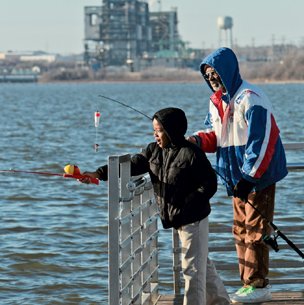
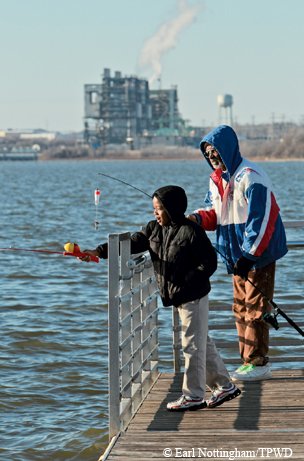
The weather is cold but the fishing is hot at Lake Arlington.
Earl Nottingham | TPWD
The weather is cold but the fishing is hot at Lake Arlington.
Earl Nottingham | TPWD
I can personally attest to the quality of catfishing on both Calaveras and Braunig. On one trip to Calaveras, we tied up along the rock riprap lining the intake canal and baited up with cheese bait.
If you’ve never tried cheese bait, you’re in for an experience. Basically it is rotted cheese mixed with some sort of binder to help it stay on the hook, such as cattails, and perhaps additional flavoring like garlic, blood or ground-up fish parts. It’s also commonly called stink bait, and you’ll quickly know why. Another name is punch bait, because the easiest way to get it on the hook — and not on your hands — is to punch the hook into the bait using a tool such as a stick or screwdriver with a notch in the end. It’s nasty, but catfish love it.
We were fishing our baits under bobbers set four or five feet deep, and it didn’t take long for the action to start. One of the neat things about catfish is that if you catch one, you’ll probably catch a bunch in the same spot. The smell of the stink bait in the water draws them in, and the more times you rebait, the more scent you add to the water.
You can also increase the odds of attracting fish by chumming the area with soured wheat or corn. Just fill a plastic bucket with tight-fitting lid about half-full of grain, finish filling it with water, snap on the lid and let it sit in the sun for about a week. (Note from experience: Do NOT let the bucket tip over and spill inside your vehicle, unless you like traveling alone with the windows down.) Experienced catfishers often bait several “holes” in an area before returning to the first to fish, then going on to the others in rotation when the bite slows.
Braunig furnished what remains one of my all-time best catfishing trips. We anchored up as close as permitted to the dam and fished cheese bait with a sinker and no bobber along the wing-wall leading to the gates. Big channel cats were stacked along the wall and were only too happy to bite. The four of us finished the day with 28 fish that overfilled a 100-quart ice chest.
Can you say tartar sauce, hush puppies and French fries?
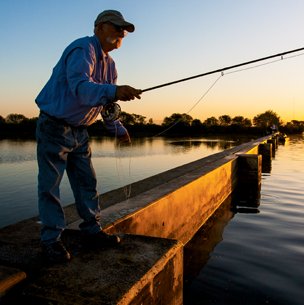
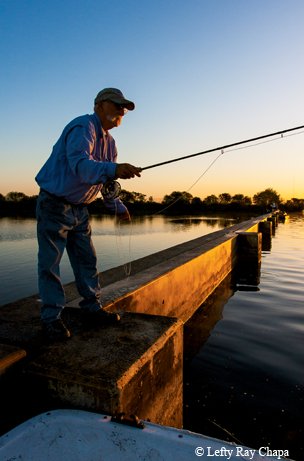
Lake Calaveras, where some anglers fish from the Crappie Wall, is a prime spot for catfish and red drum.
Lefty Ray Chapa
Lake Calaveras, where some anglers fish from the Crappie Wall, is a prime spot for catfish and red drum.
Lefty Ray Chapa
Both Braunig and Calaveras are also known for their red drum fisheries, which tend to be most productive in the heat of summer. However, fish can be caught any time of year trolling crankbaits, rattletraps, spoons or grubs under downriggers. On Calaveras, the structure across the intake channel known as the Crappie Wall is a favorite spot with anglers. You can tie up to the wall and stand on it while fishing, but be sure to wear your PFD when out of the boat. The wall is just wide enough to stand on and scootch past another person, and when a 30-inch-plus redfish slams a tiny gold spoon, you’d better have your feet firmly planted.
Hybrid striped bass are also present in both reservoirs. Fishing for them tends to be better in the warmer months, but in winter concentrate on the hot-water discharge areas. You may also find them holding at the base of the dam. Tie up to the floating boom blocking the approach to the dam and cast a slab as close to the concrete wall as possible. The trick is to wait to reel until after you’ve counted to 15. The slab has to sink down to them. Then it’s reel, set the hook and hang on.
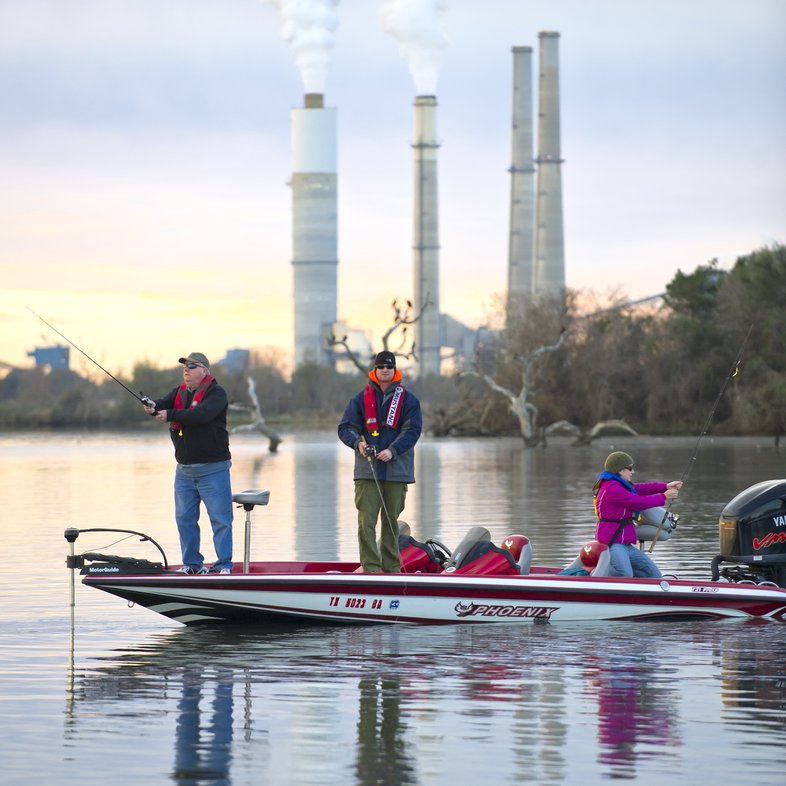
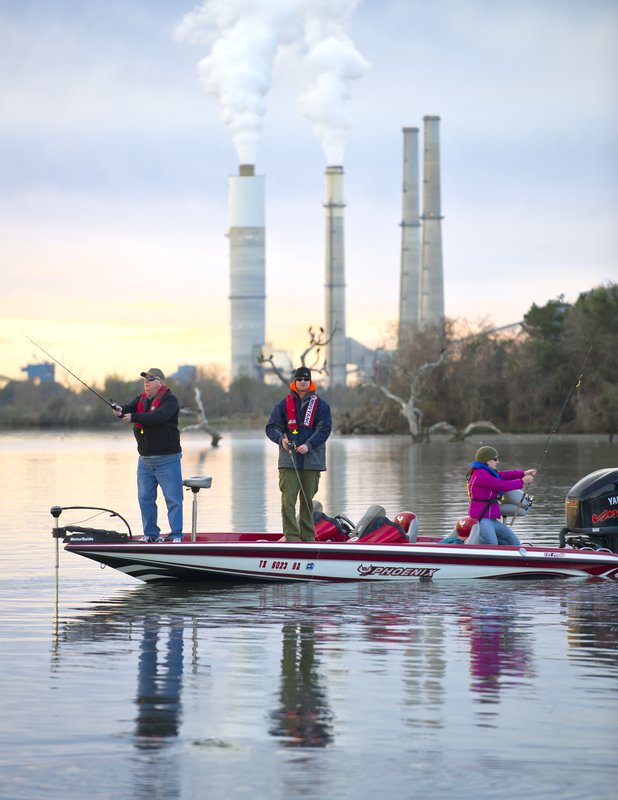
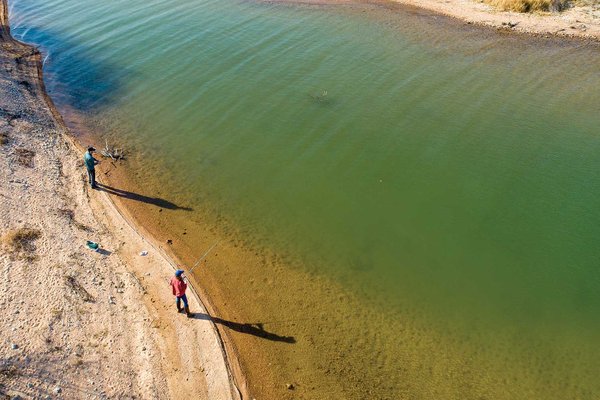
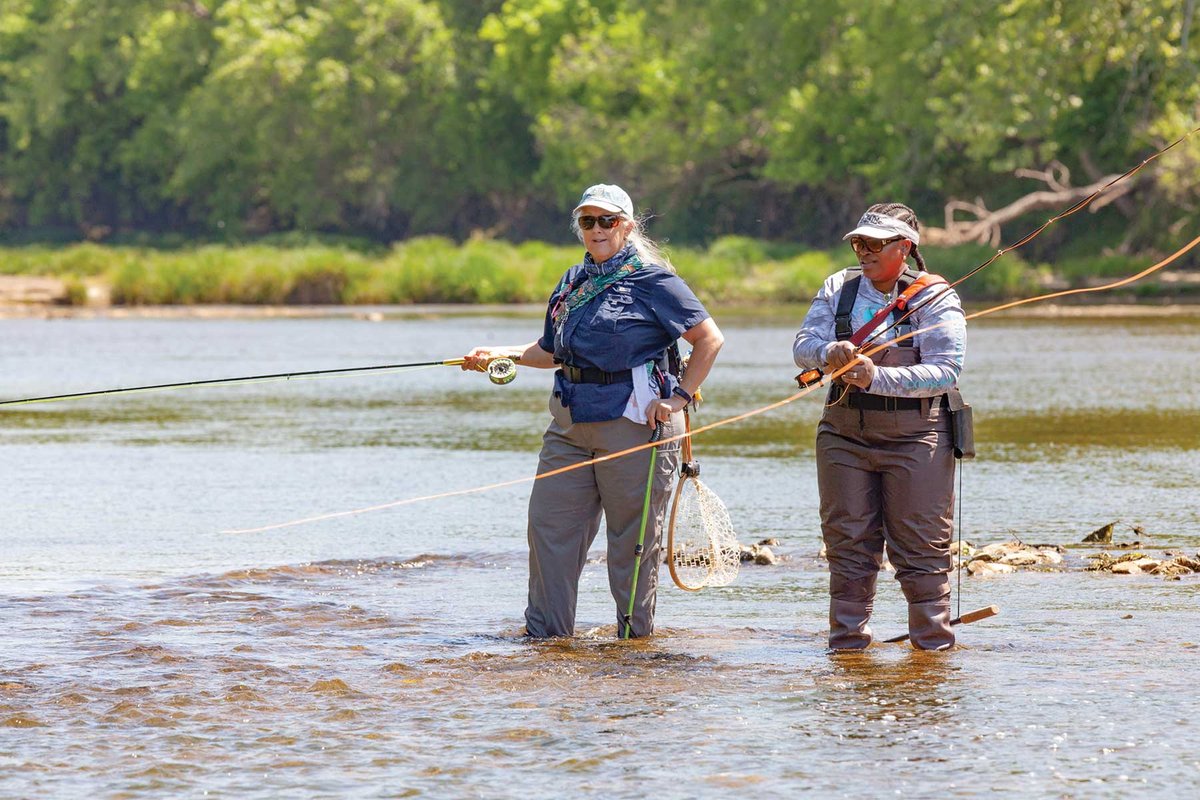
Winter fishing at Fayette County Reservoir.
Chase A. Fountain | TPWD
Winter fishing at Fayette County Reservoir.
Chase A. Fountain | TPWD
South of Dallas-Fort Worth, Squaw Creek Reservoir is a catfishing dream in winter.
“The channel catfish population is one of the best in Central Texas,” says fisheries biologist Michael Baird. “It boasts the highest catch rate of any of the surrounding reservoirs and has a balanced population, with good numbers of larger fish in good-to-excellent body condition. Fish up to 28 inches are not uncommon.”
Angler access at Squaw Creek is limited. It is open to bank fishing within Squaw Creek Park from 7 a.m. to 4 p.m. Thursday through Sunday; boaters are allowed on the lake during those hours on Friday, Saturday and Sunday.
“Typical catfish rigs and baits work well in this reservoir, and fish can be found in normal haunts such as submerged outcroppings, mouths of creeks, submerged boulders, laydowns and flooded timber,” Baird says.
In general, anglers experienced in fishing power plant lakes look for warm water, current and baitfish. Many recommend seeking places where water temperatures are in the 60s. And the worse the weather, the better the fishing, some say.
Besides, any day spent catching fish yourself is better than watching someone else do it on television.
Take that, Bill Dance.