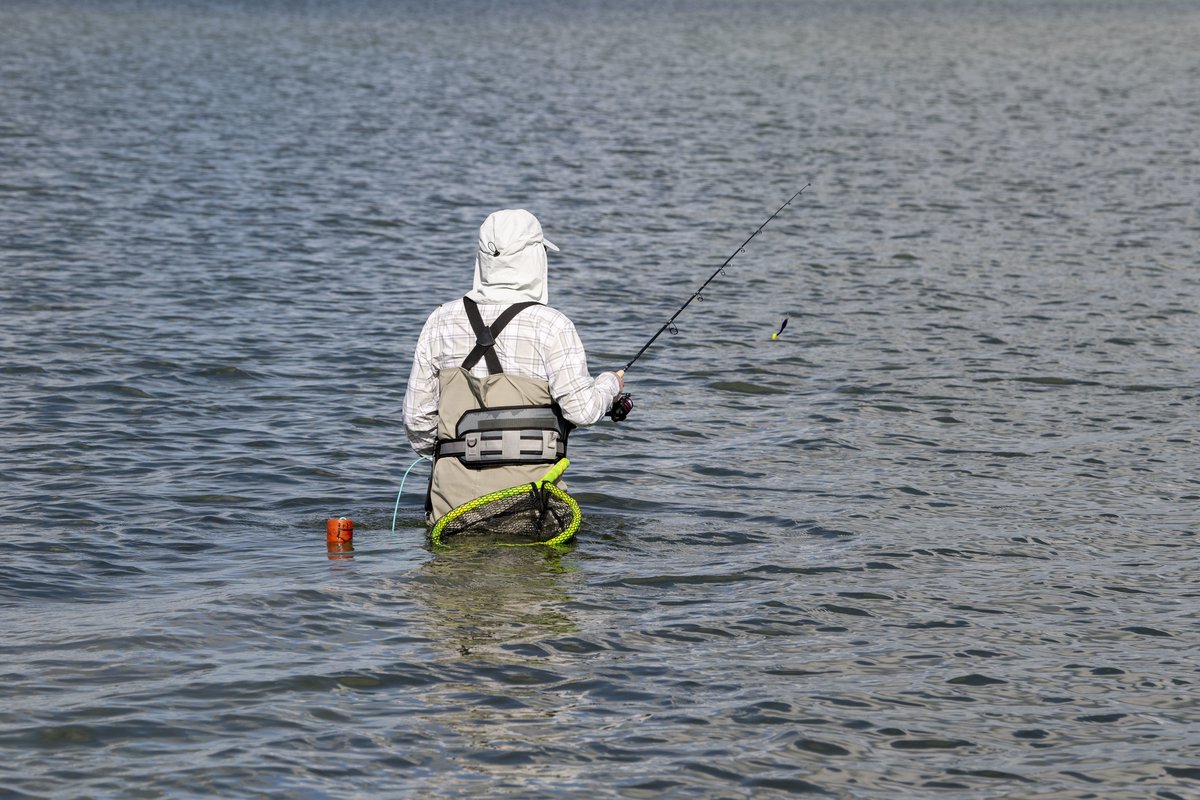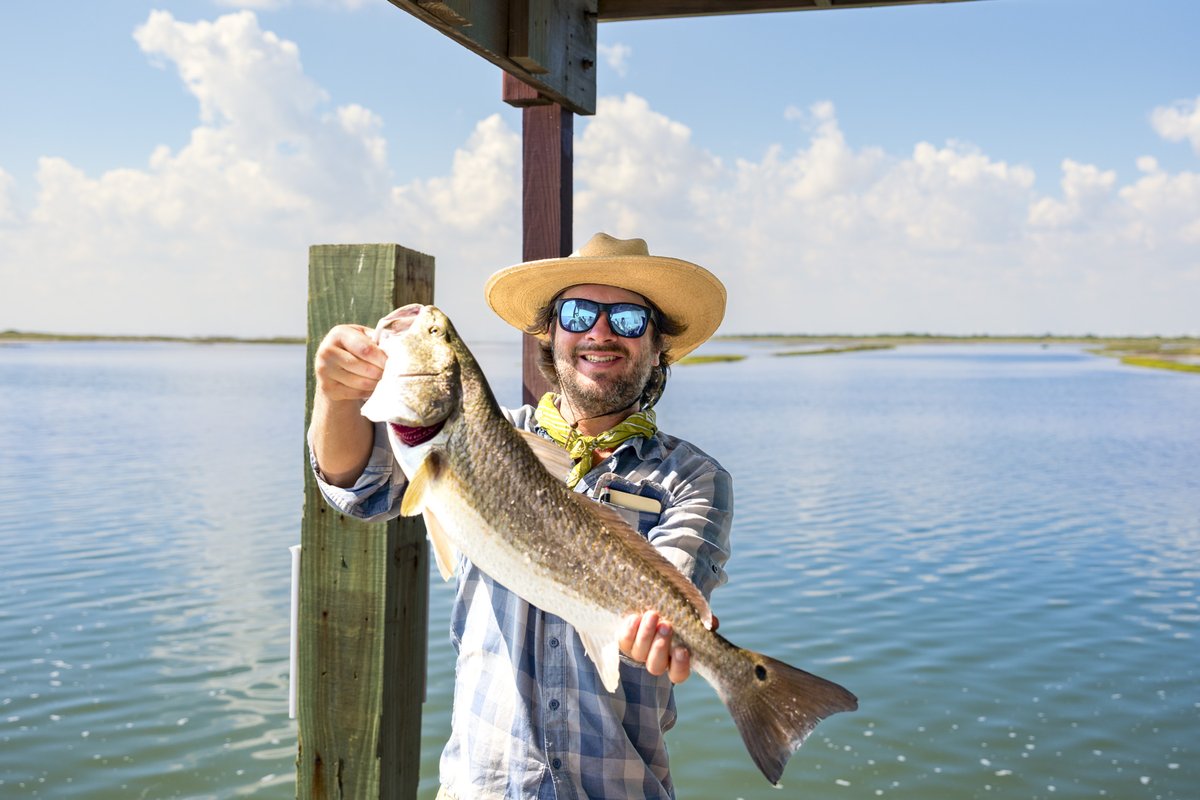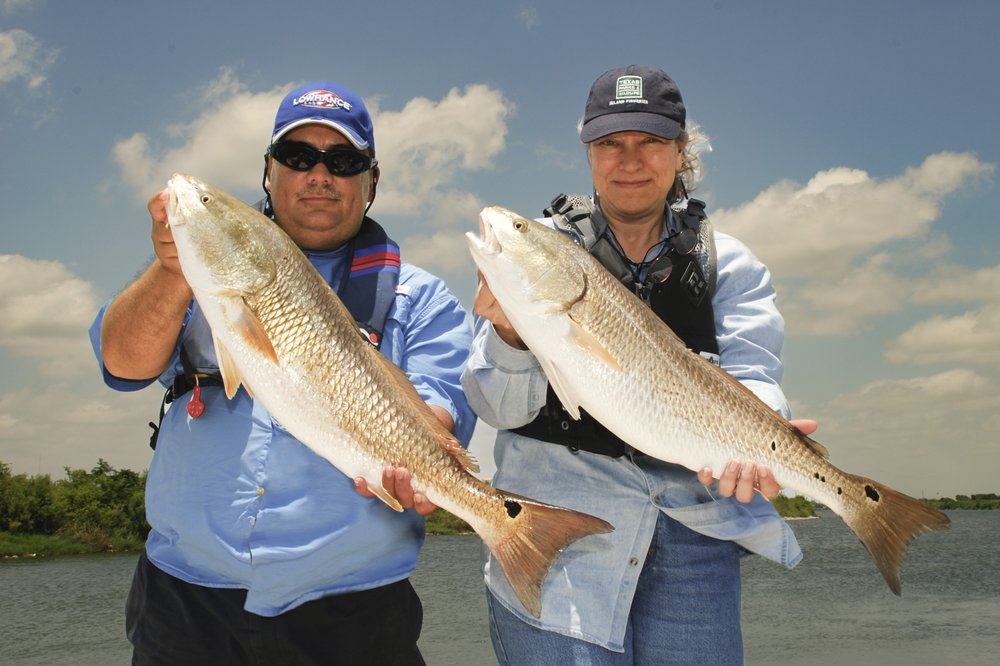
Picture this: You’re battling a 35-inch red drum as the sun rises over calm waters, the fish’s bronze flanks flashing as it makes another powerful run. The Gulf Coast? No — you’re less than 30 minutes from downtown San Antonio, and you didn’t even need to pack saltwater tackle.
This place is one of Texas fishing’s best-kept secrets.
The red drum’s comeback story is legendary among Texas anglers. Once overfished to near collapse, these copper-colored fighters now thrive thanks to ongoing conservation efforts by the Texas Parks and Wildlife Department (TPWD). But here’s what most people don’t know: some of the state’s most productive red drum fishing happens not along the coast, but in two unlikely oases on the outskirts of San Antonio.
Growing up in the Hill Country, I thought my father had lost his mind when he announced we were going red drum fishing less than an hour away. Red drum? In freshwater? Near San Antonio? I was convinced he’d confused his species until I felt that first explosive strike.
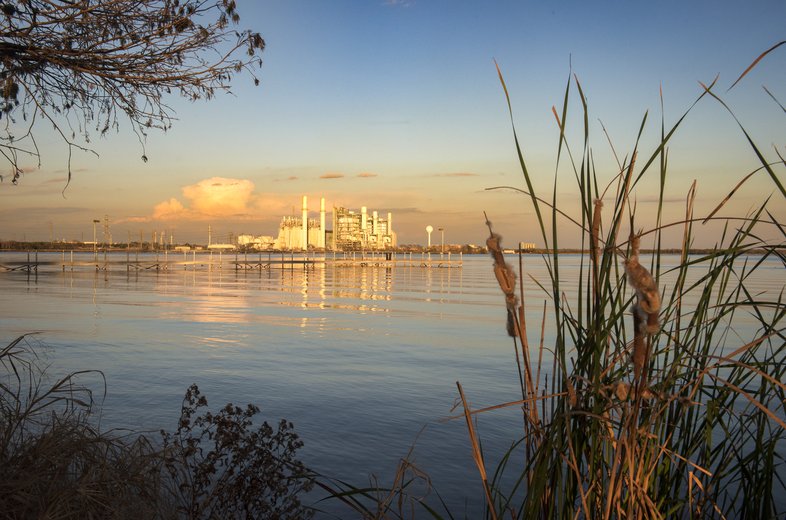
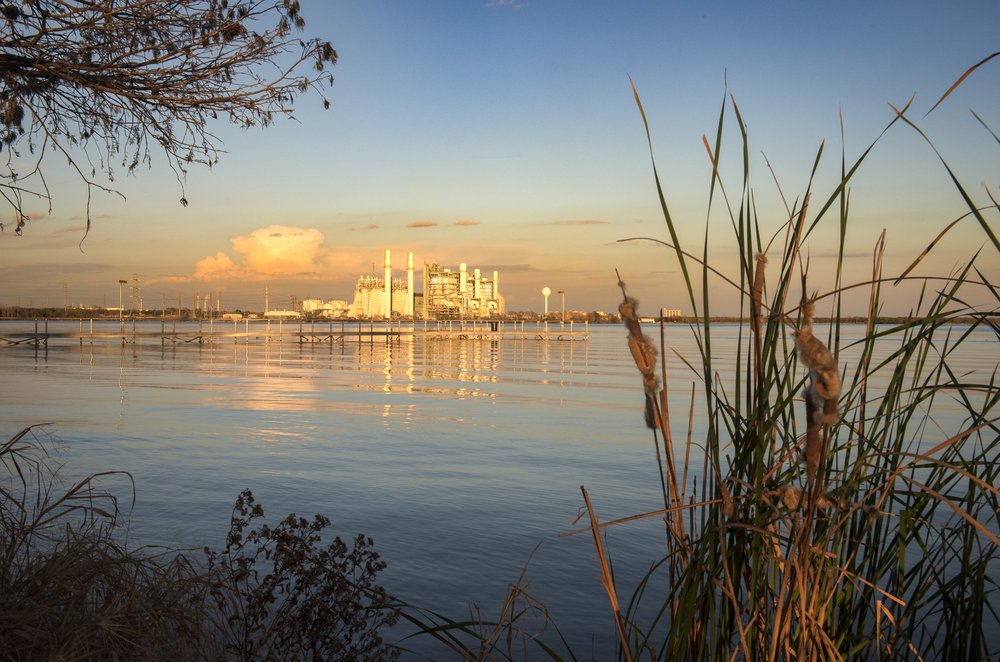
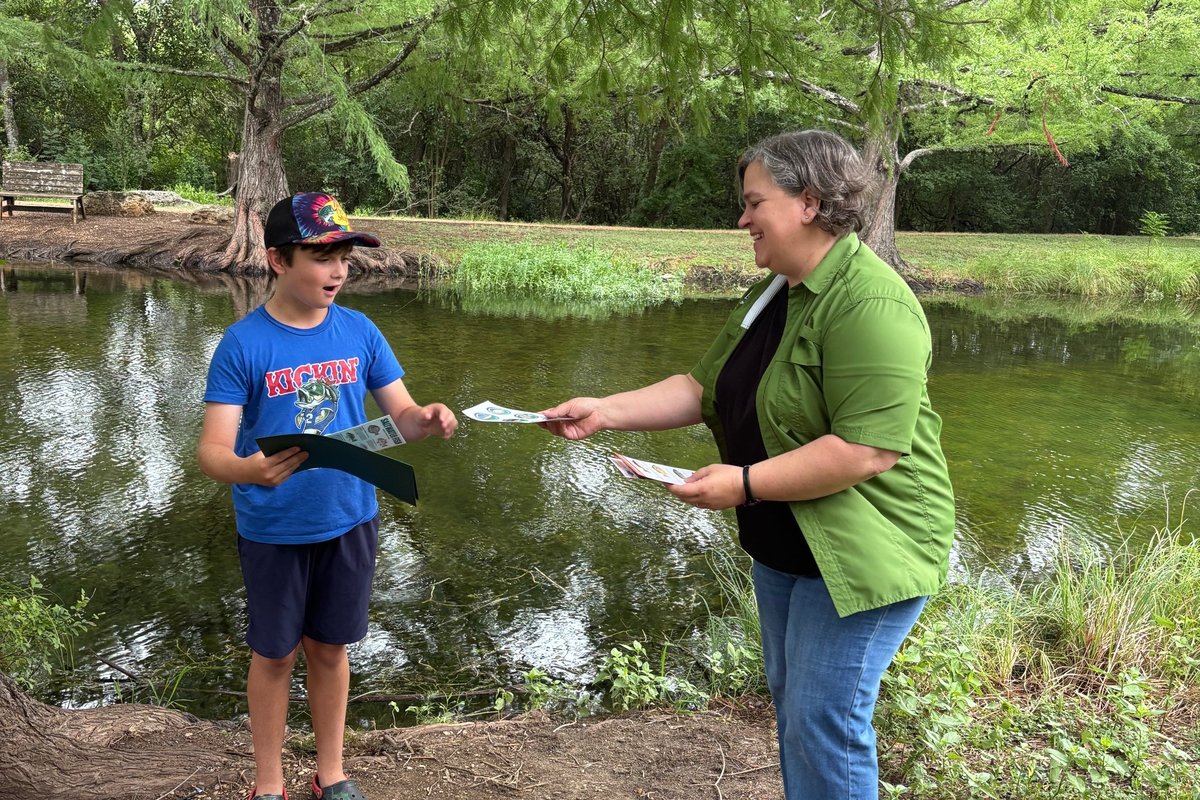
The adjacent power plants keep these Texas reservoirs warm year-round, allowing the survival of stocked redfish fingerlings.
Chase Fountain
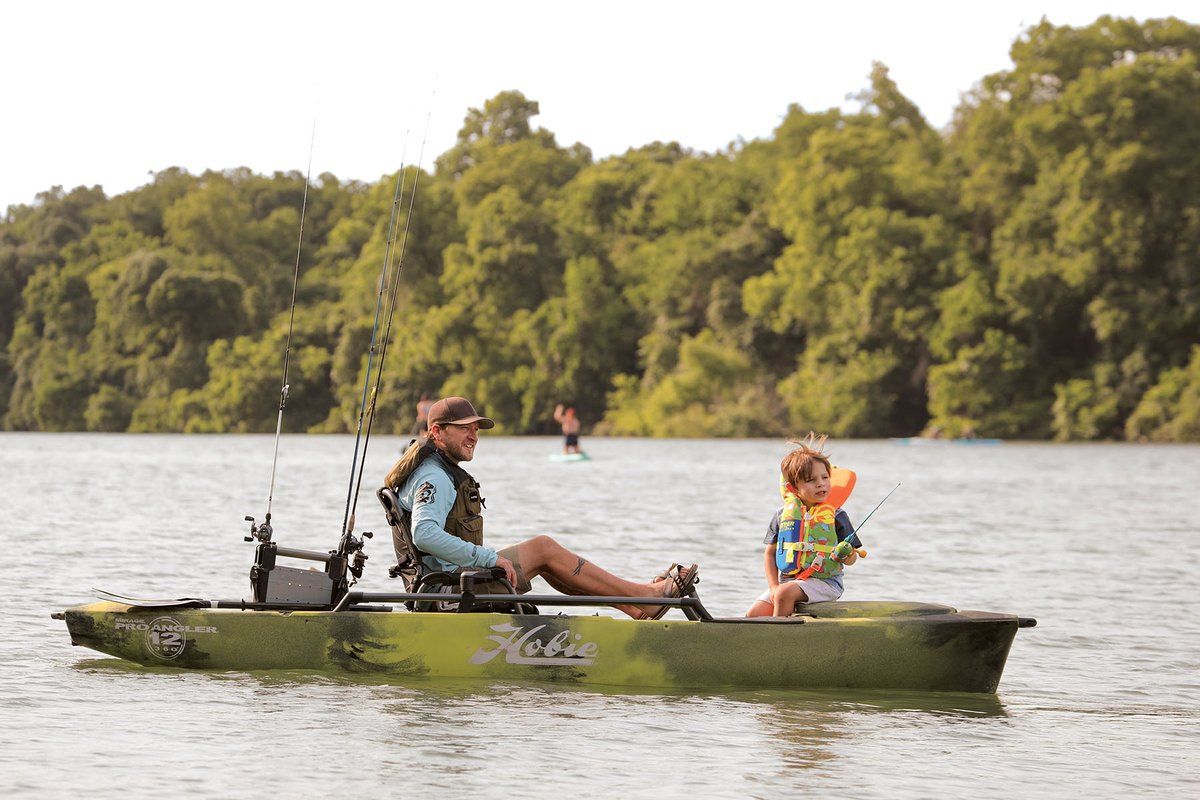
The adjacent power plants keep these Texas reservoirs warm year-round, allowing the survival of stocked redfish fingerlings.
Chase Fountain
Calaveras Lake and Braunig Lake aren’t your typical Texas reservoirs. These Bexar County lakes are kept warm year-round by adjacent power plants, which allows for the survival of the stocked fingerlings and growing adults. Each year, TPWD stocks roughly 1 million red drum fingerlings into these waters. March through August are prime months for catching reds.
Unlike their coastal cousins, these freshwater reds can’t reproduce — they’re completely dependent on annual stockings. The red drum here can attain considerable size, and some fish reaching 40 inches have been reported from the lakes.
Success on these lakes requires a different playbook than coastal fishing. Red drum here are structure-oriented predators, lurking around rock riprap, dam faces and canal mouths. The key? Read the water. Watch for the telltale signs: nervous baitfish dimpling the surface, diving birds marking schools or the subtle swirl of a feeding red just beneath the surface. When you spot the action, strike fast.
Your tackle box doesn’t need to be complicated. Chrome spoons flash like wounded shad in the clear water, while soft plastics worked along drop-offs trigger aggressive strikes. Shore anglers swear by fresh shrimp and crawfish. When summer heat drives fish deep, don’t be afraid to troll rattling crankbaits along the thermocline.
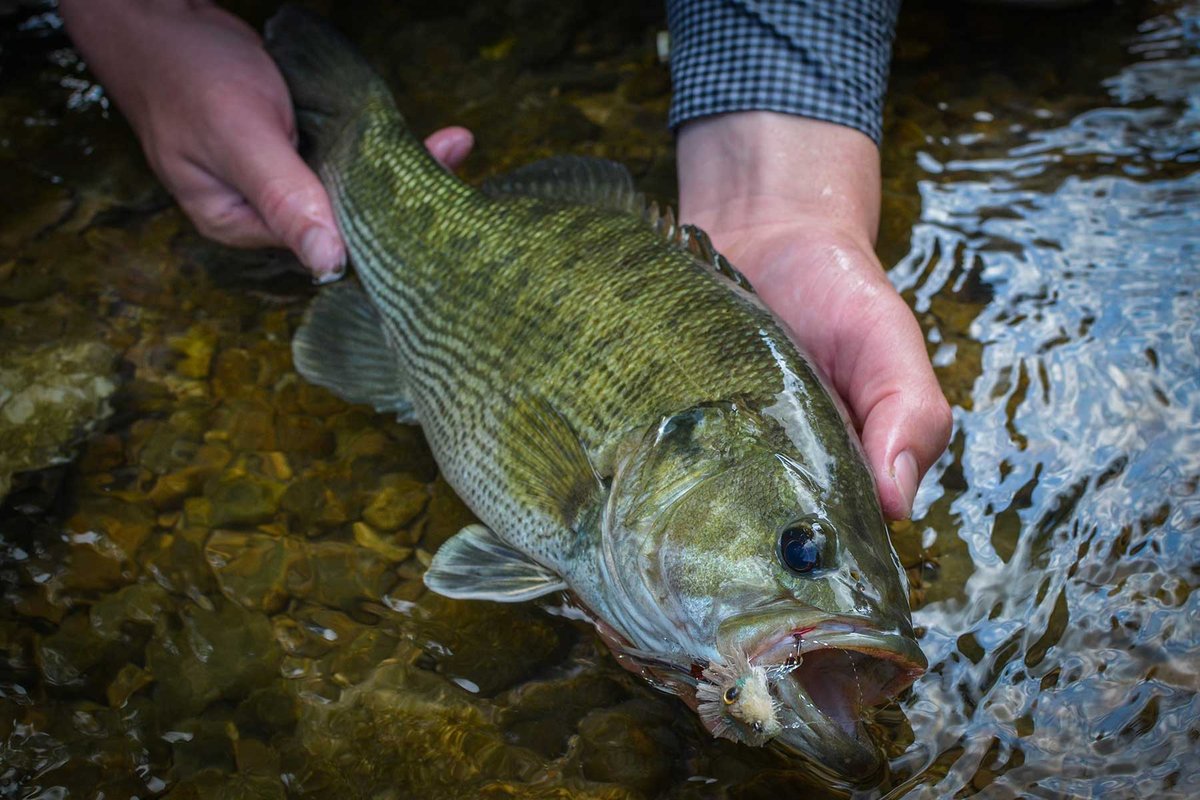
While reds are the headliners, these lakes offer worthy supporting acts, too. Fishing for blue and channel catfish is good all year, with some of the best fishing occurring in the spring.
Back at the dock, cleaning your catch provides a rewarding end to the outing. My family’s go-to preparation? Blackened red drum on the half-shell.
Both lakes operate through Thousand Trails Management Services (daily use fees apply). The facilities cater to every angling style: shoreline access for bank fishermen, boat ramps for serious anglers and guide services for those wanting insider knowledge.
Fair warning: Word is spreading about these urban fishing gems. Weekend holidays can get crowded, so smart anglers book camping spots early or hit the water on weekday mornings when the fish are hungry and the crowds are thin. Check current TPWD regulations before you go — bag limits and size restrictions apply.
Calaveras and Braunig lakes offer something unique: legitimate trophy fishing with urban convenience. You can catch sunrise on the water, battle fish that would make coastal guides jealous and still make it home for lunch.