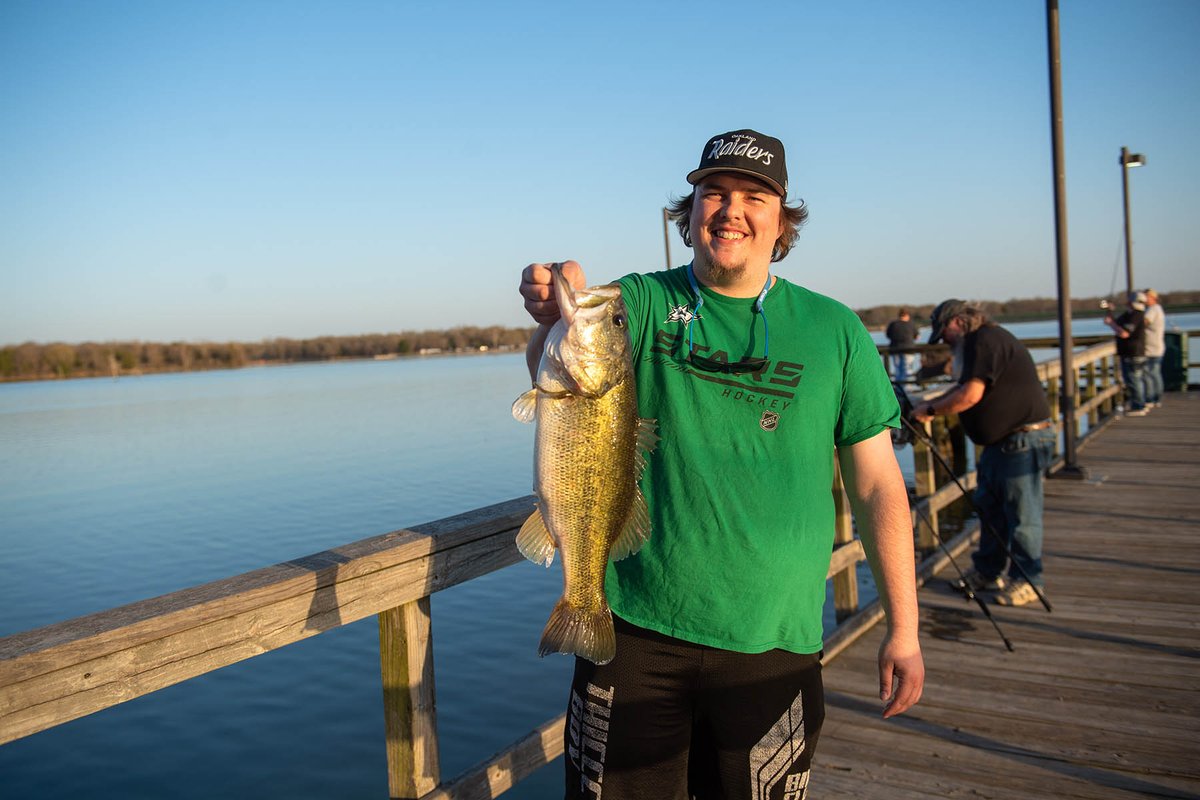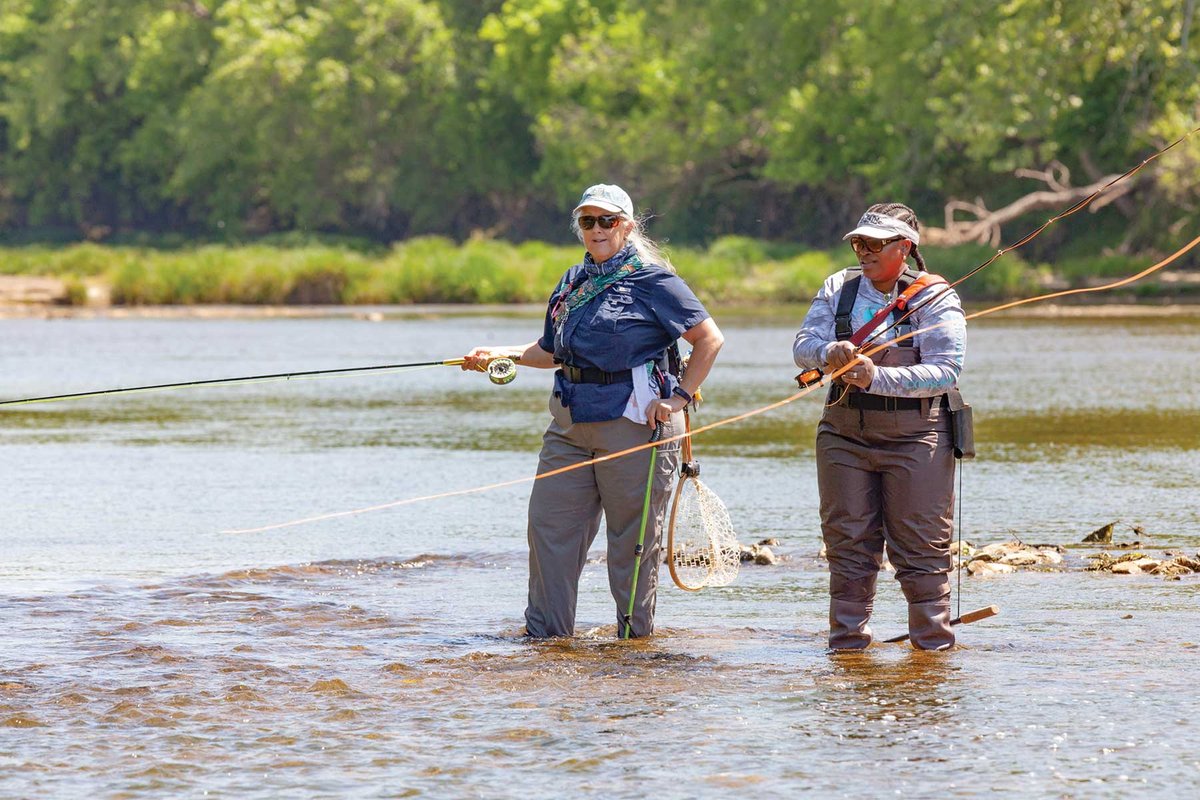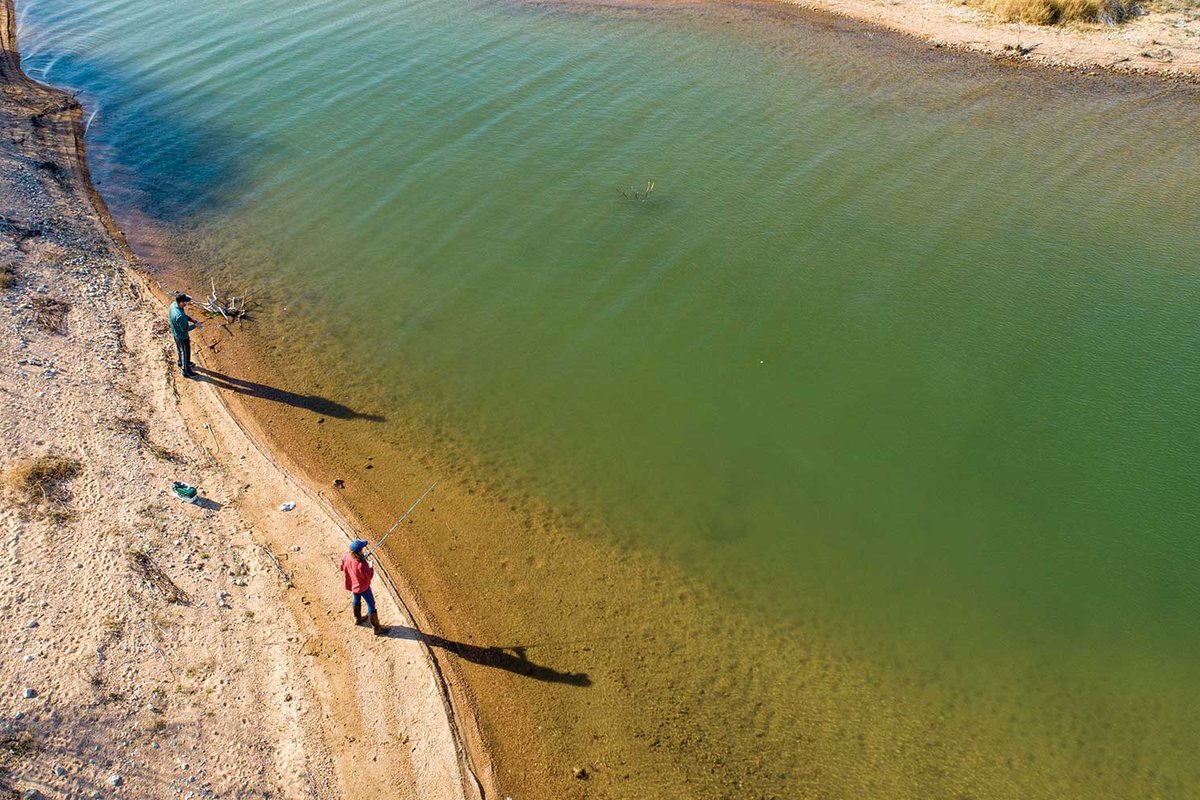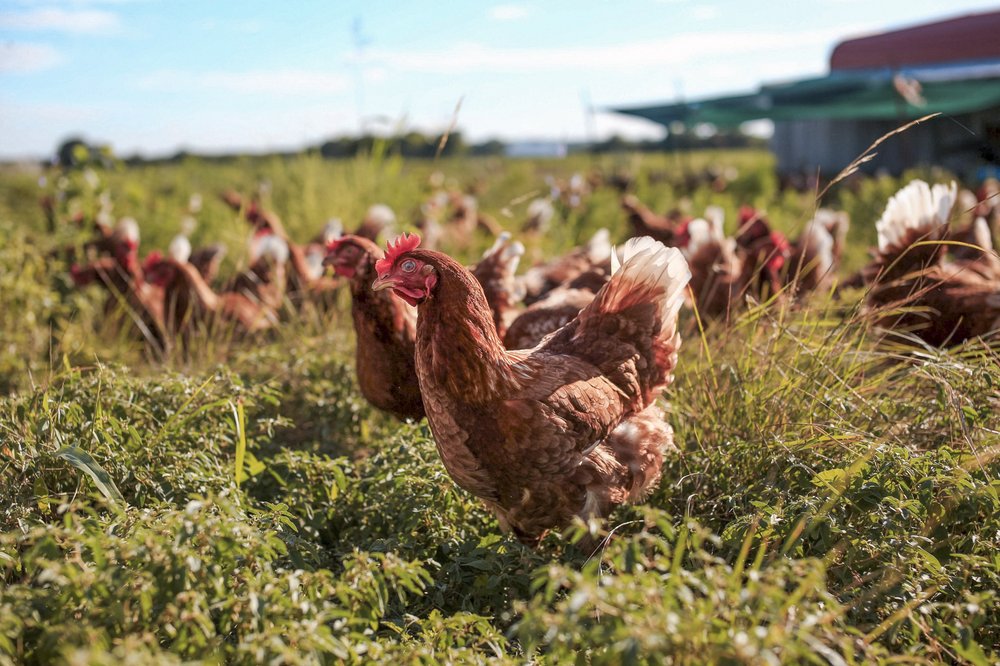
If you've ever field-dressed a deer at dusk or pulled a redfish out of a Texas bay at first light, you already understand something most people have forgotten: food has a source, and that source matters. And yet, for decades, we’ve treated it like a commodity instead of a relationship.
Living in Texas, surrounded by farmers, ranchers and food producers who care deeply about the land, it never made sense to me that their food was often the hardest to find. The disconnect was more than just a logistical hurdle; it felt like a loss of heritage. We are a state defined by our vastness and our yields, yet the average dinner table has become a stranger to the soil just a few miles away.
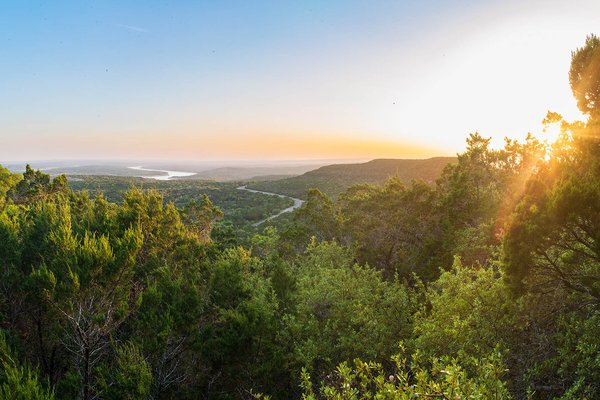
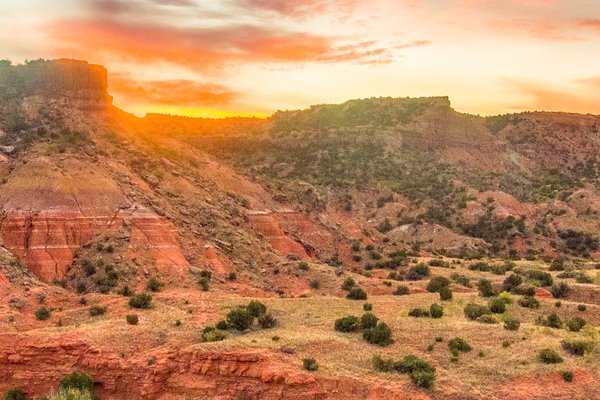
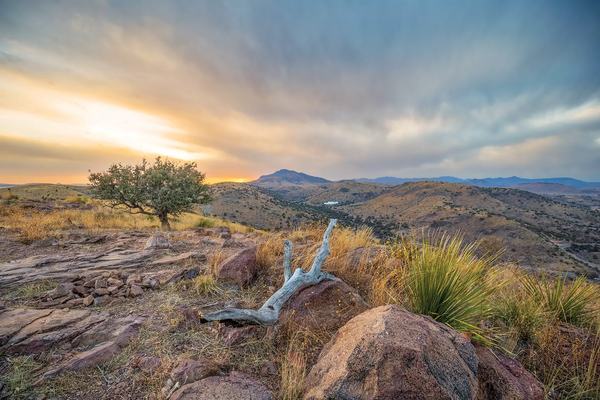
Hunters and anglers connect to this heritage every season. They plan around what’s available, not what’s convenient. They respect limits — bag limits, size limits, the hard-won wisdom of conservation built up over generations. They know that a whitetail in the Hill Country can taste different from one in the Panhandle because it is different. It carries the grass, the soil, the browse of that specific place. The same is true of a speckled trout pulled from the Laguna Madre versus one from Sabine Lake.
Fifteen years ago, I was asking questions that felt simple but were surprisingly hard to answer. Where did our food come from? Who grew it? Why was it easier to buy bananas from South America than it was to buy carrots grown down the road? I was living in East Austin on our family’s urban farm Rain Lily — a region rich with agricultural knowledge and stewardship — yet much of that local food was being pushed aside in favor of convenience and scale. The system felt upside down, and I wanted to do something about it.
From the beginning, my idea behind starting Farmhouse Delivery was simple: create a direct connection between local farms and households, honoring the work of producers while making it easier for people to eat seasonally and sustainably. We weren’t trying to replace grocery stores, we were trying to reintroduce local producers to the supply chain — ranchers like Peaceful Pork in Mathis, Shirttail Creek in Brenham, G&S Groves in McAllen and Texas Iberico in the Hill Country.
One of the most important lessons I learned early on is that eating locally means letting go of the illusion of endless choice. When you commit to seasonal food, you accept that nature sets the menu. That’s not a limitation — it’s an invitation. It asks you to slow down, pay attention and eat in rhythm with the land. It is an understanding that we are participants in an ecosystem, not just consumers of a product.
A tomato in July tastes different because it is different. It carries the heat, the soil, the rain — or lack of it — of that season. It should feel heavy in your palm, its skin taught and warm from the vine, releasing an earthy, peppery scent that lingers on your fingers long after the first slice.
The story doesn’t end with the tomato.
It continues through the Fredericksburg peaches of midsummer, which perfume an entire kitchen with a floral, honeyed sweetness so potent you can almost taste the sugar in the air before the juice even hits your chin. It moves into the crisp, bracing snap of a Rio Star grapefruit in the dead of winter — thick-skinned and heavy with a tart, ruby-red brightness that wakes up the senses. And it thrives in the autumn harvest of peppers; from the waxy, cool crunch of a bell pepper to the sharp, capsaicin-heat of a serrano that makes the back of your throat tingle and your brow dampen. These are sensory milestones. They are tactile reminders of where we are in the year, just like September 1 for doves and red snapper season in the Gulf.
Moreover, fresh produce complements wild game cooking. Game meat has strong, rich flavors that pair well with fresh, seasonal produce. There’s no better combination than locally harvested game and fish paired with seasonally produced vegetables.
Eating seasonally connects us not just to flavor, but to place. When customers receive a seasonal vegetable box, they’re participating in that cycle. They’re supporting farmers at the moment their crops are thriving, not forcing production out of sync with nature. They are choosing to eat food that hasn’t been hurried into a simulated ripeness, but has instead been allowed to develop its true character in the Texas sun.
My project started with a few meal kits made for friends, then led to meeting chefs like Jesse Griffiths at the back door of Vespaio delivering tomatoes. Sixteen years later, it continues to evolve, but the “why” remains the same. Food should tell a story — not just the game and fish we catch but the food we grow. It should reflect the land it comes from and the people who produce it. And it should make it easier — not harder — for families to eat well while doing good.
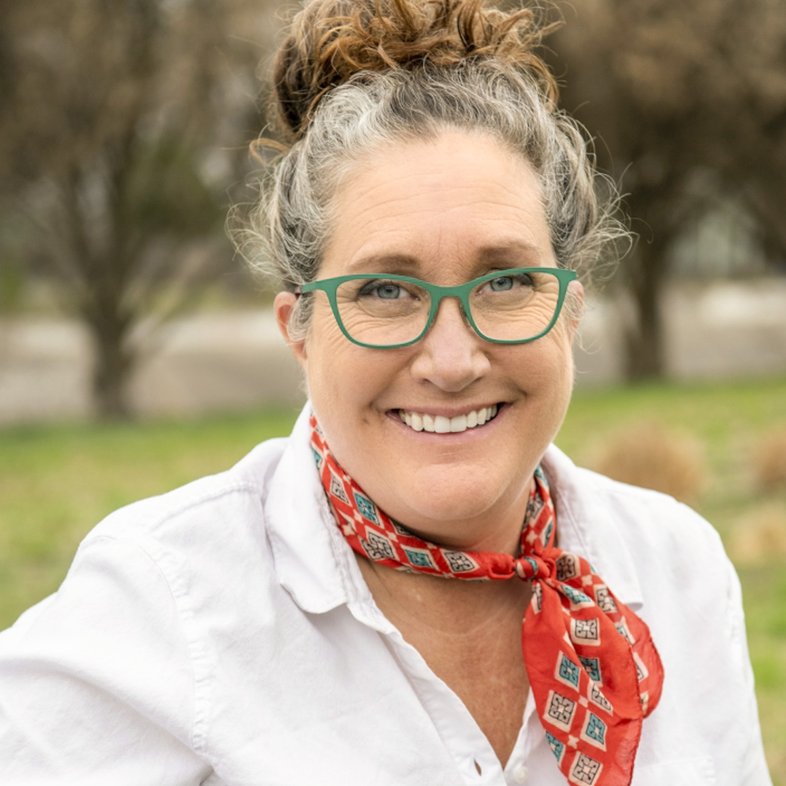
Stephanie Scherzer is an urban farmer and local food advocate who co-founded Farmhouse Delivery in 2009.
Laura Hajar
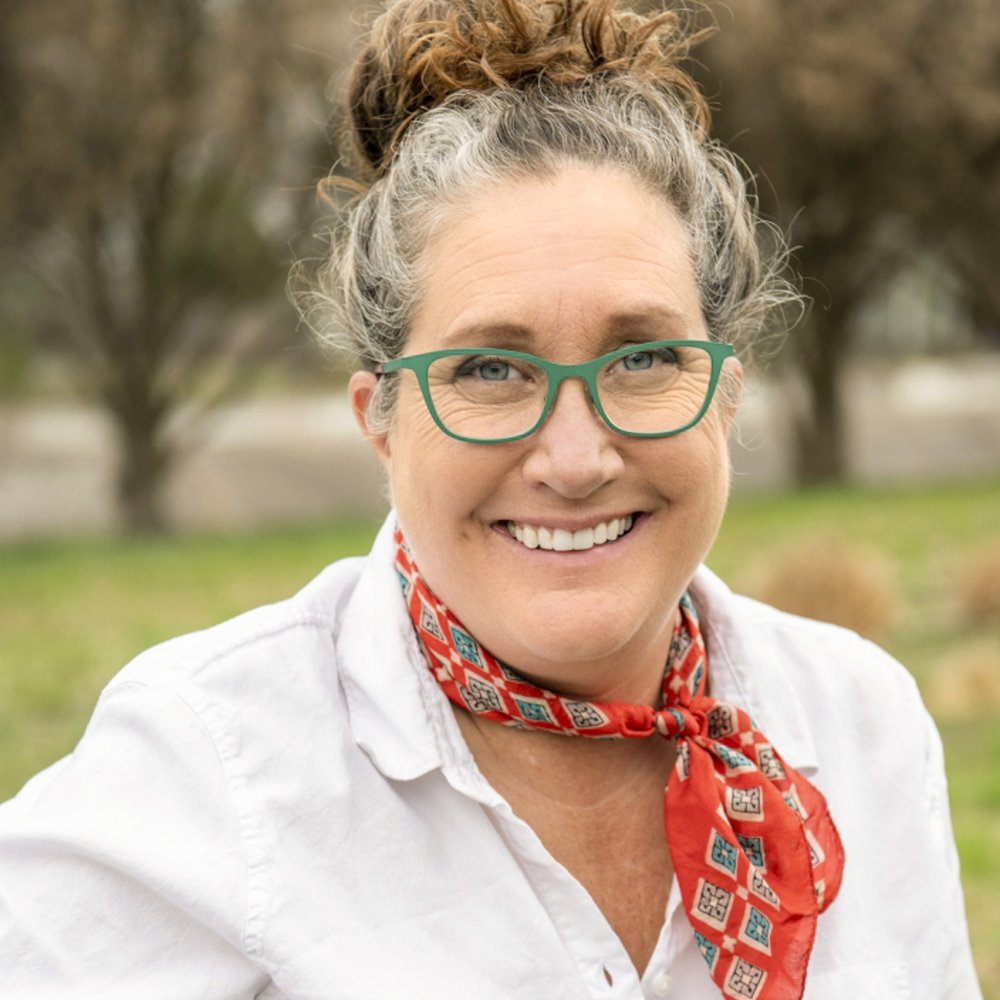
Stephanie Scherzer is an urban farmer and local food advocate who co-founded Farmhouse Delivery in 2009.
Laura Hajar