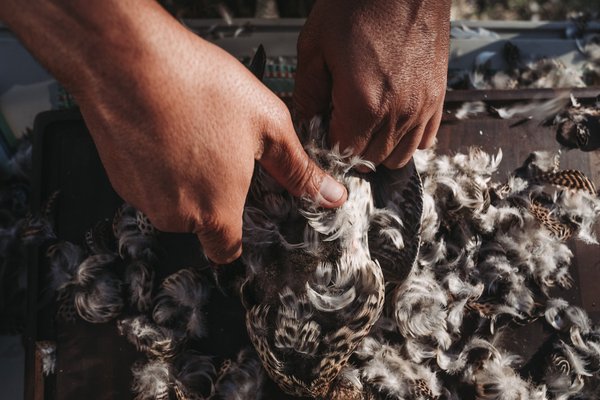
Working in restaurants teaches you to understand ingredients. But 20 years later, busting through cedar to recover a deer, I finally understood the land that creates ingredients.
January in Texas brings its own reckoning. The freezers are full, tags are spent, and if you’ve done it right, you've collected enough memories to last until September. This year’s haul: early season dove, October wood ducks, a Hill Country doe and two wild hogs. Time for cassoulet.
At my Mediterranean wine bar in San Antonio, cassoulet was ritual. Cassoulet is a rich stew originating in France, made up of beans and several types of meat all spiced with aromatic herbs and garlic. Every Wednesday in winter, the aroma would fill the dining room, and by 7, we’d be sold out. Customers loved it — called it their favorite dish and made reservations weeks ahead just for those Wednesdays. I’d watch them close their eyes at the first bite and feel something close to pride.
That was before I understood what I was missing.
I left restaurants years ago and found my way into wine. The wine business kept me close to good food, tasting my way through America’s best restaurants. But somewhere between the Napa Valley and the Texas Hill Country, I started questioning what we called “sourcing.” Sure, I knew our heritage pork came from Sunnyvale Farms, knew they used sustainable practices, could recite their feed program. But that felt like knowing someone’s résumé instead of knowing them. I wanted to go deeper — to understand what it really meant to bring meat from field to table. Having never hunted or even held a gun, I started with sustainable farming. Turns out I couldn’t grow anything worth eating. So in my late 30s, I picked up hunting as a different path to the same destination — getting closer to my food.
Many hunting seasons later, here I am in my cabin, the one by the creek where I write in winter and cook when I need to think. This cassoulet started three days ago with duck legs submerged in their own fat and wild boar sausage I made last week. These preparations can’t be rushed — they get better with time, developing flavors in the refrigerator that no amount of heat can replicate in a hurry.
The final assembly begins this morning. The venison gets cubed from the shoulder, seared hard, then braised in Texas Tempranillo — just enough to yield but still with backbone. I learned that from a winemaker friend who hunts these hills. For the crust, I blend native pecans with breadcrumbs — a little of both worlds, which seems right. The beans are traditional Tarbais, because even in Texas, some French traditions deserve respect.
The smell builds slowly. First the duck fat from the confit. Then the wild boar sausage. Three hours in, I crack the oven door and breathe deep. It smells like memory — not just of busy restaurant Wednesdays, but also the morning I quartered that doe in the dark, hands shaking more from adrenaline than cold. The smells evoke even more — a duck blind in December rain, mesquite coals and Hill Country mornings.
My friend Michael arrives early, as usual. He was there for my first duck hunt, when I couldn’t hit anything and blamed the borrowed gun. Now he brings wine, because some things from the old life improve the new one.
“Smells like your old place,” he says.
“No,” I tell him. “It doesn’t.”
He grins. He gets it.
Michael sets the bottle on the table — a Côtes du Rhône, earthy enough for the wild boar, structured enough for the venison. Years ago, I’d have served three different wines with this. Now I know that one good bottle, shared with people who understand the story in the pot, matters more than perfect matches.
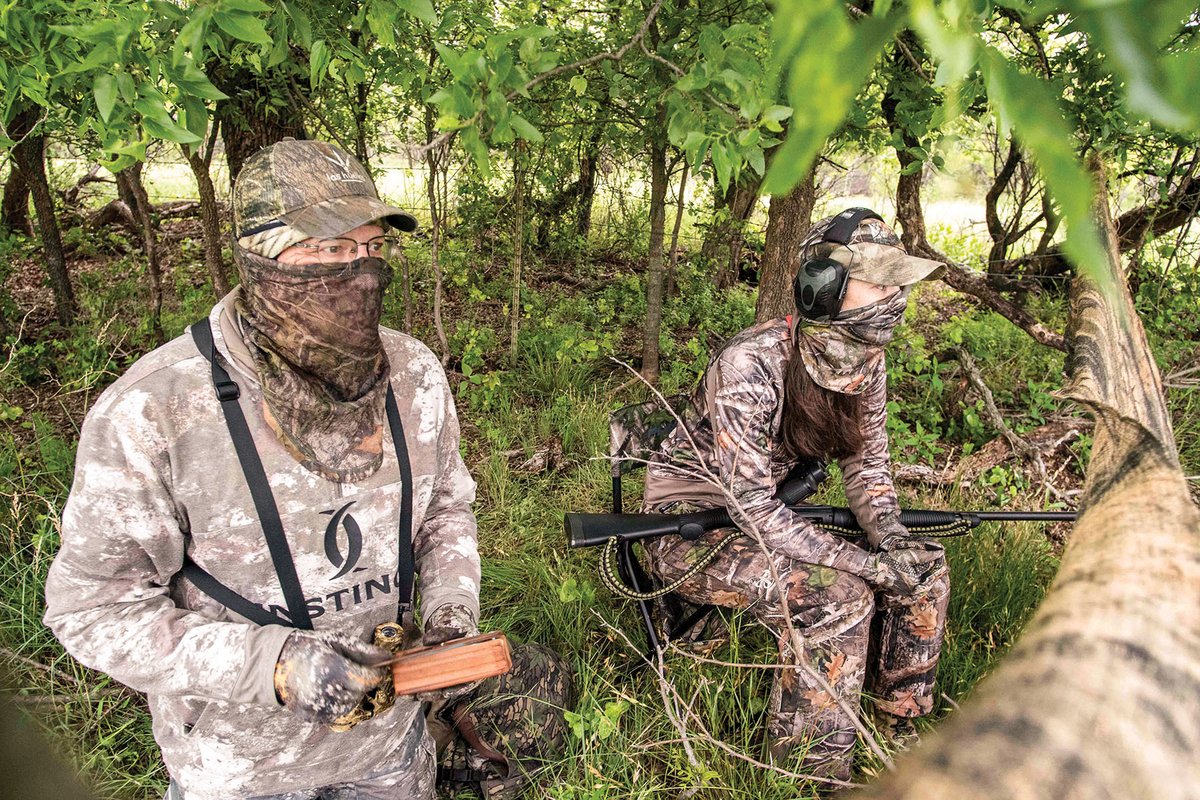
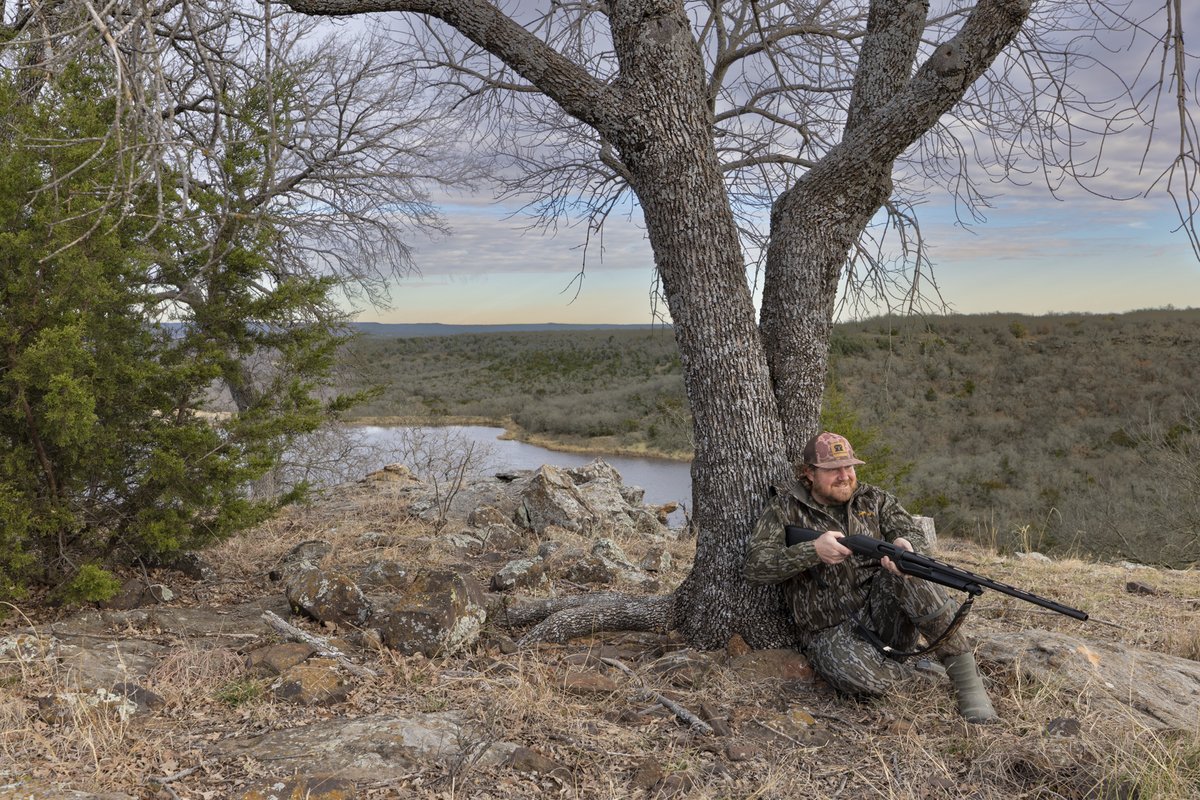
But it’s more than just the food that’s changed. Every hunter around this table has become a conservationist, whether they meant to or not. You can’t spend seasons watching water levels drop in stock tanks, or see browse lines creep higher on the trees, without understanding your role in the balance. We’ve all bought duck stamps, joined conservation groups, spent weekends clearing invasive species. The deer I harvested this year came from a property where we’ve spent five years managing the ratio of does to bucks, watching the herd health improve season by season.
This is what I didn’t understand as a non-hunter — we’re not taking from the land, we’re participating in it. Every animal in this cassoulet represents hours of observation, of learning their patterns and needs, of understanding how cedar breaks connect to spring seeps, how acorn crops affect protein levels, how rainfall shapes the herd. You become a student and a steward of the land because you have to. Success depends on it.
By evening, the table’s full. Everyone here has shared a blind, a tracking job, a long walk out in the dark. The cassoulet comes out of the oven with its pecan crust golden, its depths bubbling promises. I ladle it into bowls, trying not to think about plating, letting it be what it is.
The first bite brings silence. Good silence. The kind that happens when food does what it’s supposed to — connects us to something beyond the plate.
Someone asks about the recipe. I start to explain, then stop. How do you write a recipe that starts with a September scouting trip? That includes knowing which dove field holds birds through October? The recipe isn’t just ingredients and technique — it’s the whole season leading to this moment.
Outside, a norther’s blowing in. Inside, steam rises from bowls, wine flows, and stories overlap. Nobody’s reviewing this meal. But watching my friends’ faces, I know something I never knew in all my restaurant years.
The best meals aren’t about perfection. They’re about the truth of how they came to be. The French peasants who invented cassoulet knew this. Take what the land gives. Honor it with time and heat. Share it with people who understand the price.
Everything else is just cooking.