We gather them off the ground as children. We crack and shell them at Christmas. We gobble them up in buttery ice cream, sugary pralines and gooey Thanksgiving pies. In the pantheon of Texas foods, none is older or more storied than the pecan.
It’s our state’s official nut, pie and tree — and a symbol of Texan strength and resilience. But how did the pecan become identified with the Lone Star State around the world?
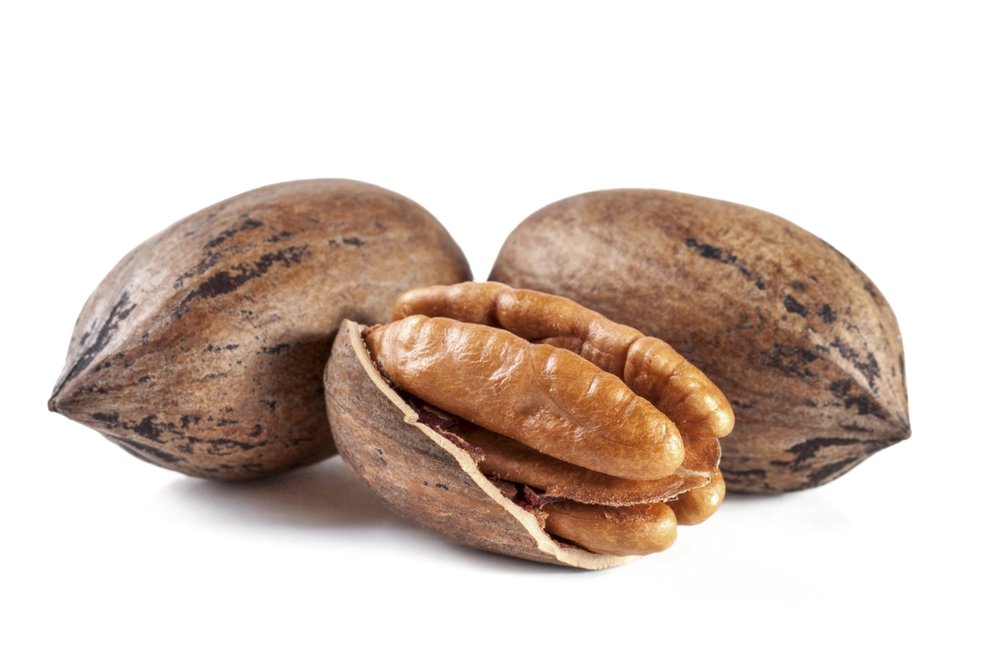
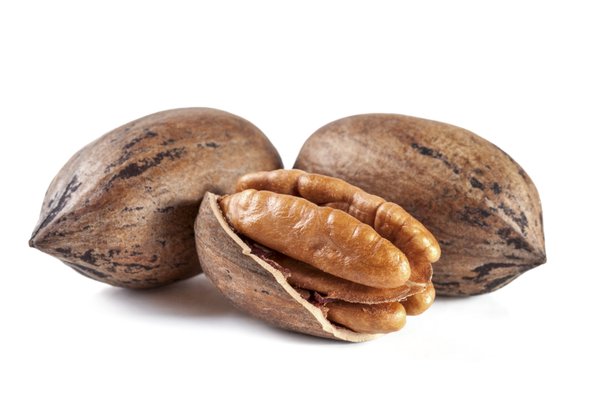
Taking their name from an Algonquin word for “nuts requiring a stone to crack,” pecans are the only tree nut indigenous to North America and have grown here since prehistoric times. They thrive in the fertile floodplains across much of Texas, east to the Mississippi River and up to Illinois. Well-suited to long, hot summers, pecans are technically not nuts but drupes: stone fruits with single hard-shelled seeds encased in fleshy exteriors — or in the pecan’s case, a green husk. Coffee beans, olives and peaches are also drupes.
Whatever you call them, pecans provided essential nourishment for many Native Americans. They pounded pecans into nut milk, a proto-protein shake ideal for the elderly and young. Called powcohicora, it was also fermented into an intoxicating beverage.
New arrivals soon encountered the pecans. Spanish explorer Cabeza de Vaca, the first European to land in Texas in 1528, wrote about pecans: “...the trees are very large and there is a great number of them.” Later conquistadors called the pecan nuez de la arruga — wrinkle nut — and took scores of them back home. Colonists considered the rich, buttery nut a delicacy, and George Washington and Thomas Jefferson planted pecan orchards of their own.
By the mid-1800s, settlers were arriving in Texas in droves — and cutting down pecan trees by the thousands to clear land for cotton and cattle. They made furniture from the wood and devoured the delicious nuts, sometimes felling an entire tree just for one year’s output. Pecan trees started disappearing, and some worried they might go extinct. But one man was determined not to let that happen.
In 1874, a young English immigrant named Edmond E. Risien was on his way to California when he stopped at San Saba in the Hill Country. He never left. Enamored by the area’s pecan trees, Risien staged a competition to find the best nuts. The prize-winning pecans were particularly toothsome and thin-shelled, so he hunted down their source: a single tree with only one branch. The landowner had sawed off all the other branches to harvest the nuts; he left the last one only because he needed something to stand on.
But pecan trees are tough — and the tree survived. Risien purchased it and started experimenting with grafting to reproduce its superior nuts. Native pecan trees grow wild and hardy, but generating larger nuts with thinner shells takes considerable effort … as Risien discovered. After many years and hundreds of failed attempts, he finally succeeded in creating “paper shell” pecans. He developed dozens of varieties from the offspring of the tree, known as the Mother Tree. His work launched the cultivated pecan industry in Texas, now one of the world’s largest producers. A pecan promoter extraordinaire, Risien shipped seedlings to numerous celebrities including President McKinley, Queen Victoria and the poet Lord Tennyson.
Pecans spread far and wide, even traveling to the moon on two Apollo missions. Many people around the planet see pecans as quintessentially Texan. “Texas pecans have earned a stellar reputation worldwide … they’re often viewed as a luxury ingredient,” says Wendy Cunningham, who owns The Art of Pecan, a pecan oil and snack producer in Dripping Springs. “People are fascinated by the story of pecans as a native nut of the Americas, and the connection to Texas itself also adds to their appeal. Texas is known globally for its bold flavors and larger-than-life culture, and pecans fit right into that narrative.”
Pecans hold a special place in our hearts, agrees Serena Schaffner, chief marketing officer of the American Pecan Council. “If you ask most Texans, they’ll tell you they grew up with a pecan tree in their grandparents’ backyard. Pecan trees really can be found anywhere in the state, so people have a real local and personal connection.”
The Mother Tree is now at least 170 years old and has been struck by lightning several times. But she still stands proud, says Kristen Millican, the great-great-granddaughter of Edmond Risien. Millican and her family run Millican Pecan Company on land he passed down. “The Mother Tree’s offspring, which make up the original orchard, are still thriving and producing pecans.”
The famous tree is off-limits to sightseers for its own protection, but you’re welcome to shake the trees nearby at Great San Saba River Pecan Company. More than 10,000 trees grow on the property, where visitors can harvest their own nuts every autumn with old-fashioned cane poles. If you’d rather glimpse the inner workings of a commercial pecan operation, Royalty Pecan Farms in Caldwell offers monthly tours. Hop in a hay wagon to explore the scenic 500-acre property with a passionate pecan professional.
For the largest nut, head to Seguin’s Pecan Museum of Texas, where you can gawk at a 16-foot-long fiberglass pecan along with antique shelling tools and whimsical pecan artwork. The Seguin Pecan Fest every autumn features a shell-cracking contest; the towns of Richmond and Groves also host fall pecan festivals with cook-off competitions for the tastiest pecan creations.
Yet the finest preparation of the nut may have already been invented: pecan pie. Texas bakeries dish out drool-worthy slices of the southern treasure, but most Texans agree: The best pecan pie can be found on your family’s table when you’re gathered together to celebrate. Deep-rooted, enduring and full of character, the pecan represents the indomitable spirit of Texas.
So the next time you tuck into a piece of wrinkle nut pie, give thanks for the pecan that connects us to the land we love, the history we hold dear, and the Texans who share these cherished traditions — and their pie.