Some people call them invasive pests. I hope to call them delicious.
I’m chasing the abundant. My plan is to harvest and eat three invasive species wreaking havoc on Texas’ native flora and fauna: aoudad, feral hog and nutria. Photographer and seasoned hunter Justin Rex will join me, because I’ll need all the help I can get. When all three species are in the freezer, Justin and I will make one grand, exotic dinner. The question is, how will we prepare them?
The Hunt
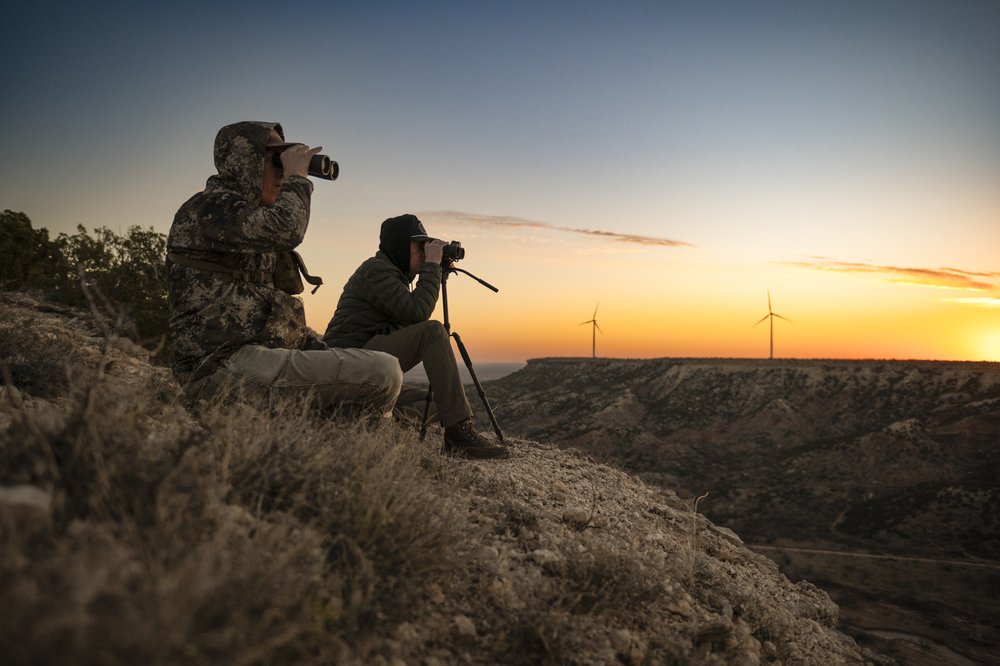
We drive along Griffith Creek to the back of the canyon and start our ascent up the steep caliche road. We gain 500 feet in elevation as my guide, Rand Martin, navigates his Ford F-250 around two switchbacks to the top of the Caprock Escarpment. I’m in the passenger seat of the crew cab, and Justin sits in the back. I get out to open the gate. Across the canyon on the rim, I notice the wind turbines are static. The wind is still asleep. We are at Caprock Gap Ranch, my family’s hunting property south of Post. The sun is low on the horizon. Its light flickers through the cedar and mesquite trees as we drive to Aoudad Canyon. We park at a gravel cul-de-sac beneath a massive wind turbine. Its long blades are silent and still. Rand is my nephew. I taught him how to ride a bike, and he’s spent the last six years as my hunting mentor. He guides our section of the Caprock along with a neighboring ranch. He knows this rugged country better than anyone.
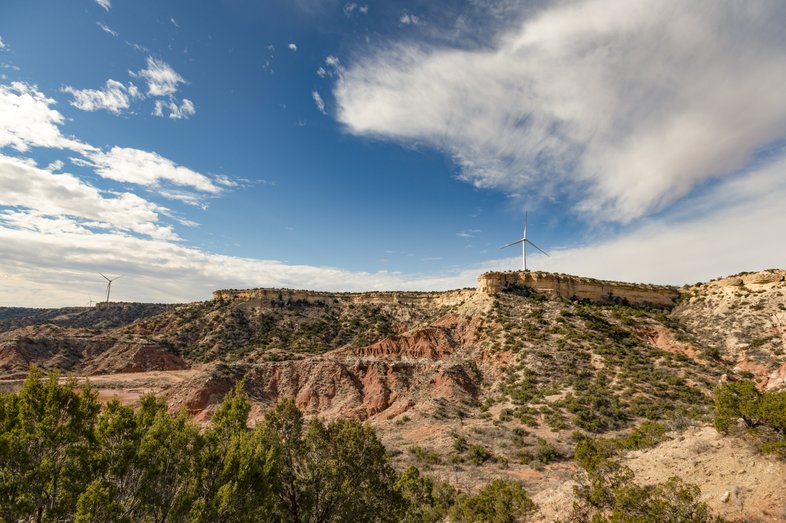
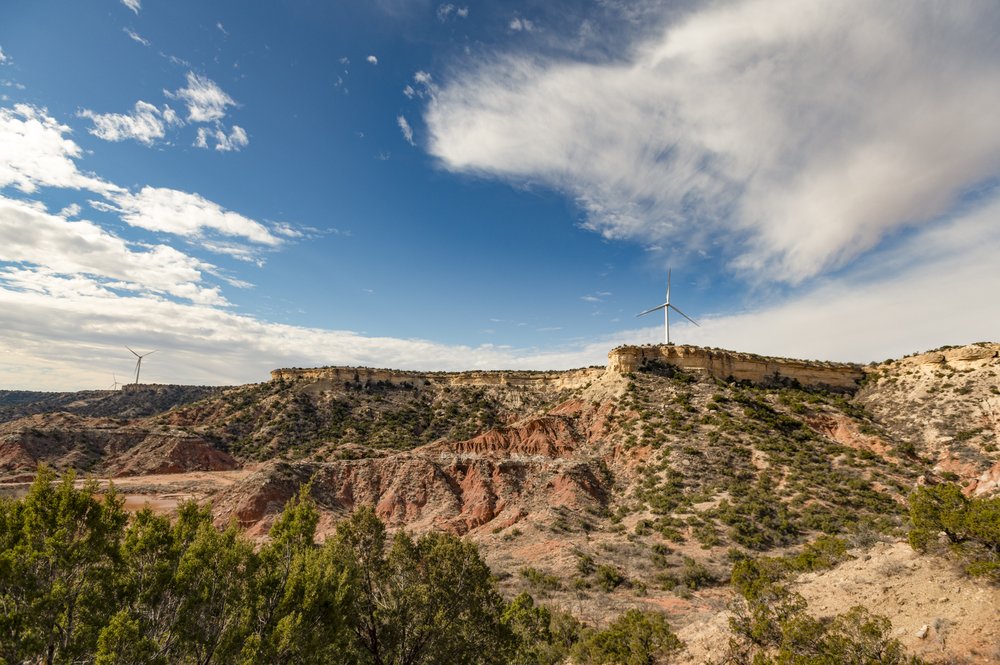
Canyons of the Caprock
Canyons of the Caprock
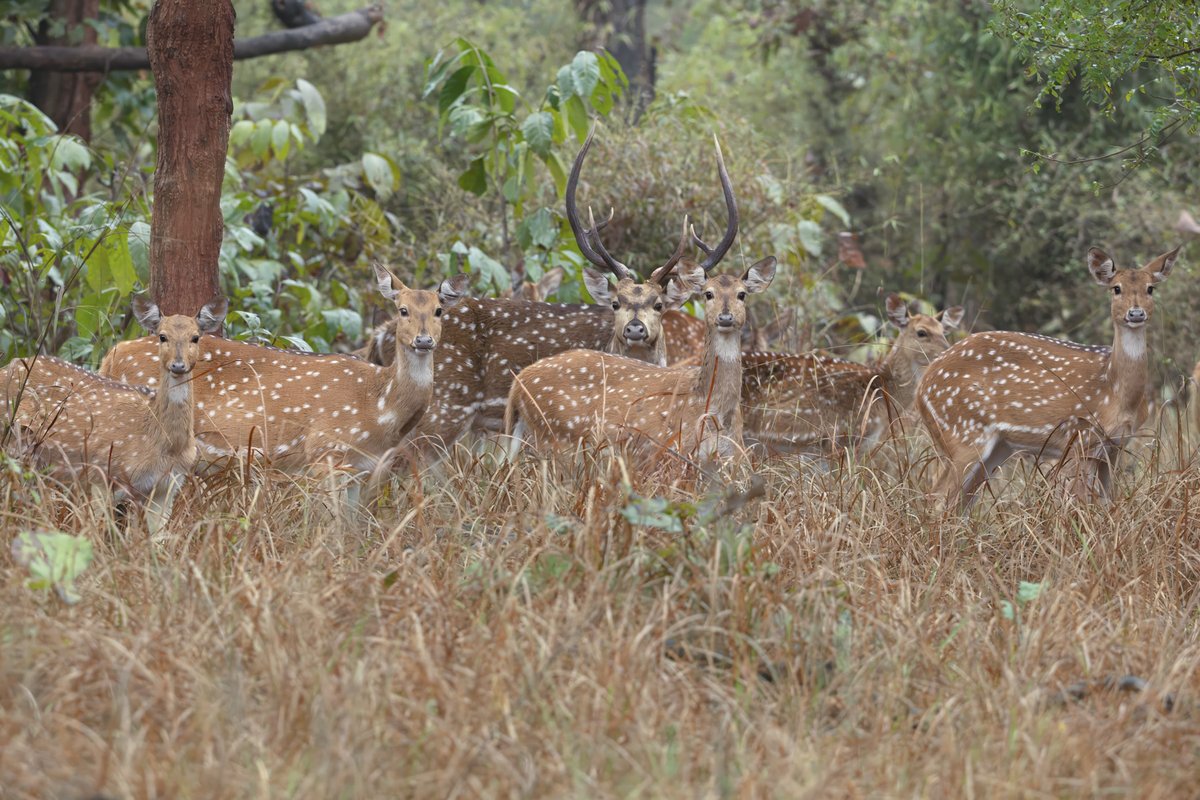
In the late 1950s, aoudad were released in Palo Duro Canyon for hunting on private ranches. The sturdy animals adapted well to the harsh Panhandle environment, and their numbers grew as they roamed farther south along the canyonlands of the Caprock Escarpment, where the Llano Estacado (the Staked Plains) drops abruptly into a land of deep gorges, caves, sheer rock faces and small canyons. Aoudad also roam freely in the Trans-Pecos, where they compete for habitat with native bighorn sheep.

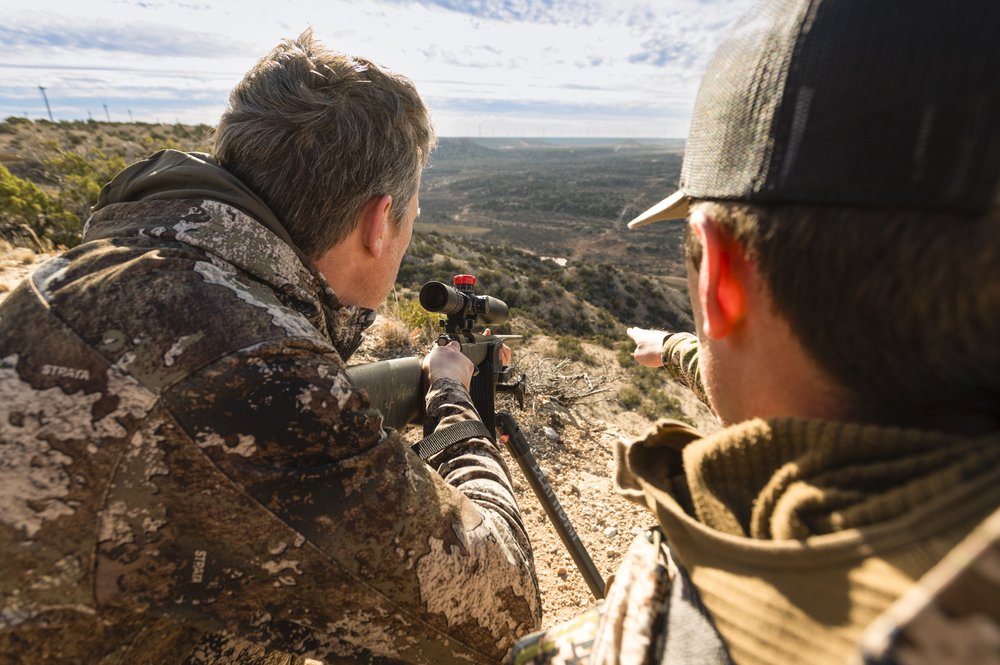
Hunting for aoudad.
Hunting for aoudad.
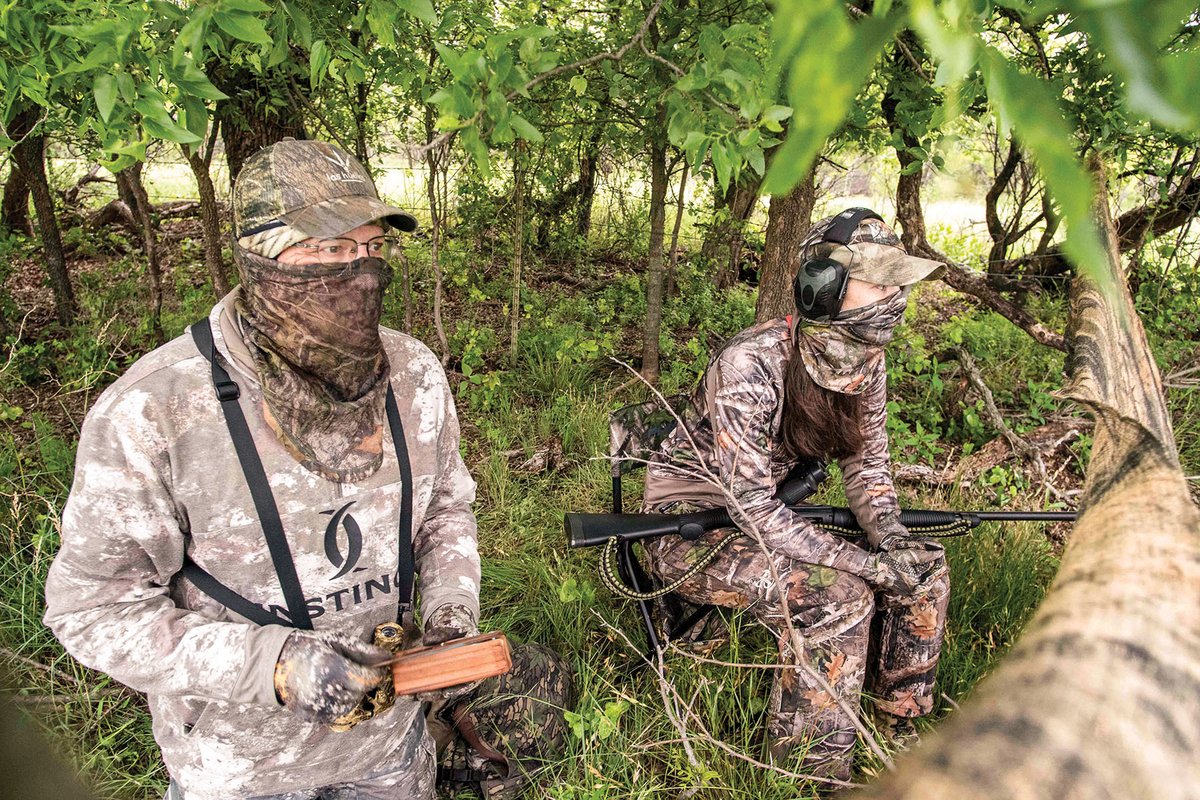
It is a gorgeous January morning (there’s no hunting season on aoudad). The sun is shining, and the temperature is in the high 40s. Justin and I hike with Rand through the scrubby timber to the precipice of Aoudad Canyon, a name my mom, Treva Hawthorne, bestowed on this corner of the Caprock. As we creep closer to the edge of the canyon, Rand spies a couple of ewes beneath us; he motions for us to get down. I hand my rifle to Rand, and he clamps it on shooting sticks. I scoot up to the tripod and look through my scope. Rand directs me to follow a narrow trail where I see two ewes roughly 180 yards away. I breathe — wait — and pull the trigger. The aoudad falls out of view. Rand runs to the edge. “Give me your gun,” he shouts and takes another shot to finish the aoudad. We hike down the cliff face through a crack, bushwack through the cedar bushes and scurry along the loose gravel until we find the young ewe. Rand helps me field dress, skin and quarter our harvest. We place the meat in game bags and hike it out.
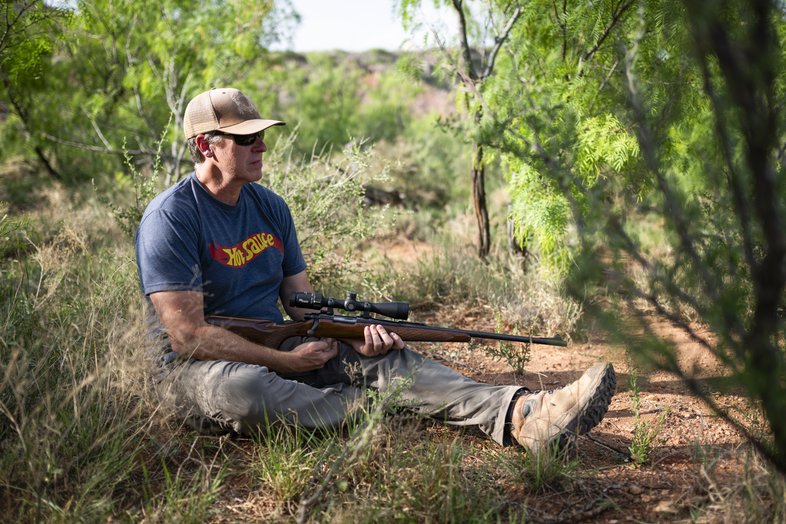
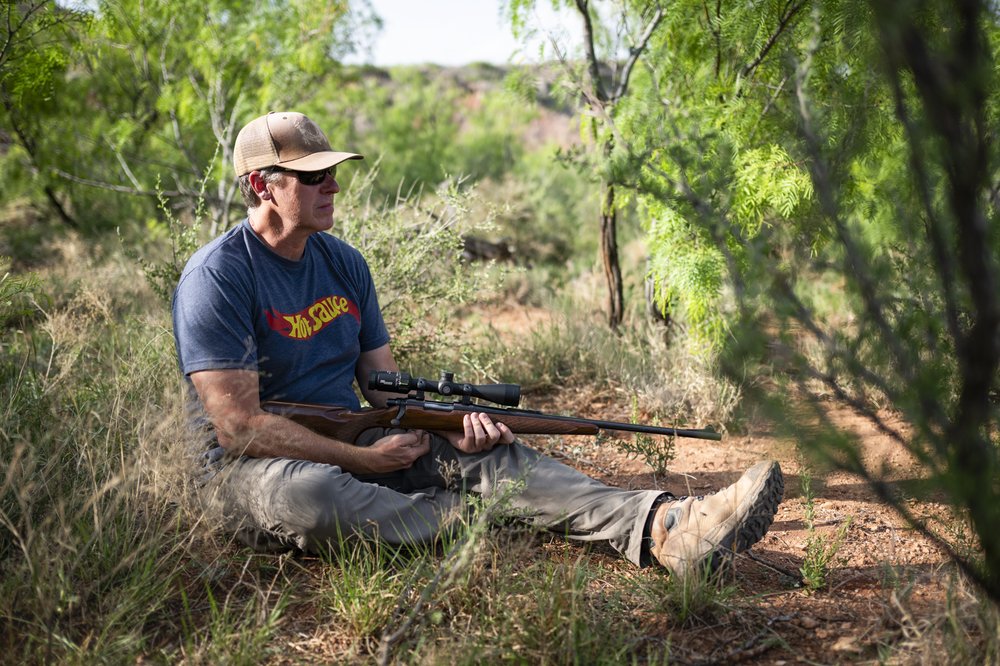
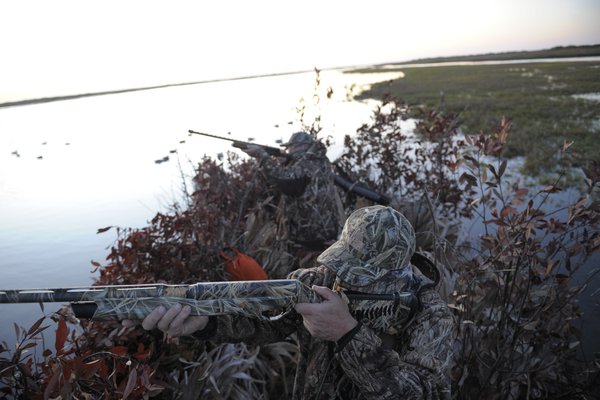
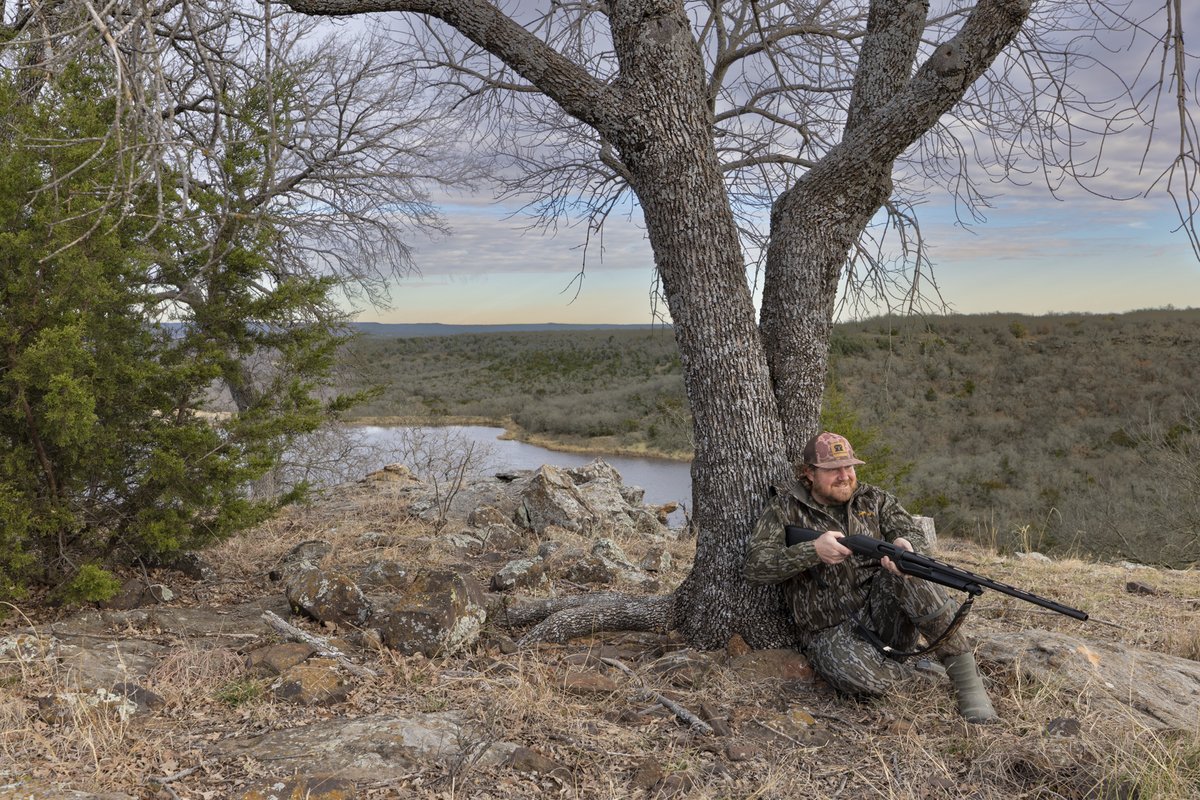
On the hunt for feral hog.
On the hunt for feral hog.
The Hunt/Wait
Justin and I meet at Caprock Gap Ranch in March and spend two days roaming the property. We spread corn along a road that leads to a feeder and then wait. Nothing. Justin and I post up in few more places and, still, nothing. We see no pigs for two days. A few weeks later, Rand is at the ranch feeding cattle and scares up a sounder (group) of hogs next to a pond. He sends me a video of them running next to his Polaris. I call Justin, and he meets me there a few days later. We set up next to the pond and see not one pig. Rand fills two different feeders at opposite ends of the ranch with corn, and we feed for a few weeks. Justin and I return to the ranch and choose the wrong feeder. Nothing on four legs shows up. We drive to the other site and scare up the same sounder of hogs. They run into the mesquite trees before we can get off a shot. It’s early June, and we’re running out of time. Neither Justin nor I have skinned a hog, and we don’t want to practice that in the summer heat.
I mention my troubles in finding a pig to a friend, Reese Grimmett. “I’ve been shooting one every evening at my place,” he says. “C’mon on out!” Reese lives on Chipmunk Ranch northeast of Snyder. “The next time you shoot one, cut out the backstraps for me,” I joke. A few days later, he shoots one in a wheat field and texts me a picture of two large backstraps in Ziploc bags. I’m relieved because it’s June, and Justin and I still need a nutria.
The Hunt
For the last several months, I’ve been calling state wildlife management areas in East Texas looking for a nutria. The report is bleak. “We’re just not seeing any nutria,” Cody Dunagan, a biologist at the Angelina-Neches/Dam B Wildlife Management Area, tells me. “I think the alligators are doing their job.” I call an East Texas exterminator that specializes in wildlife removal. They return my message with a carefully worded voicemail. “We are calling you back in regard to acquiring a nutria for consumption,” the voice says. “We’re not going to be able to help you with that for liability reasons.” Did I mention that a nutria is a 12- to 20-pound, semi-aquatic rodent with raccoon hands and webbed feet? It looks like a beaver, except it has long, white whiskers and a rat-like tail, and yes, I plan to eat one.
Nutria were brought to the United States in the late 19th century to supplement the fur trade. When the fur market collapsed in the 1940s, many of the swamp rats were released into the wild. Others were introduced to Texas and Louisiana in hopes the voracious herbivores would consume vegetation that was choking ponds and waterways. Unfortunately, nutria do not eat algae and generally disregard the flora growing underwater.
After my search turned up dry in East Texas, I am surprised to learn that nutria have migrated to the Trans-Pecos, infiltrating the Rio Grande and Pecos rivers. That’s when I put in a call to Ryan Thornton, the West Texas preserve manager with The Nature Conservancy. He lives on The Nature Conservancy’s 20,426-acre Independence Creek Preserve, a lush oasis in the Chihuahuan Desert about 40 minutes south of Iraan. Independence Creek is a tributary for the lower Pecos River, and I had heard there were nutria on the property. Ryan confirms they do, so I ask if we can harvest one to eat. Ryan does not flinch. “Invasive species management is one of the tools we use at The Nature Conservancy,” he says. The only condition was, since it was The Nature Conservancy’s property, Ryan would have to harvest the nutria.
It's mid-June when Justin and I drive through the Independence Creek Preserve gates. Long flowing mesas mingle around two small lakes with large pecan trees growing along the shoreline. We get the lay of the land the next morning and start our hunt around 7:30 p.m. We ride with Ryan in a dark blue Ford F-150 parallel to a raceway (water canal) that connects several small ponds. A large crepe myrtle and magnolia tree grow right next to the briskly flowing canal. It’s odd to see this much water in the desert. It’s all fed by Caroline Spring, which produces 3,000 to 5,000 gallons per minute, flowing into Independence Creek and ultimately into the lower Pecos River.
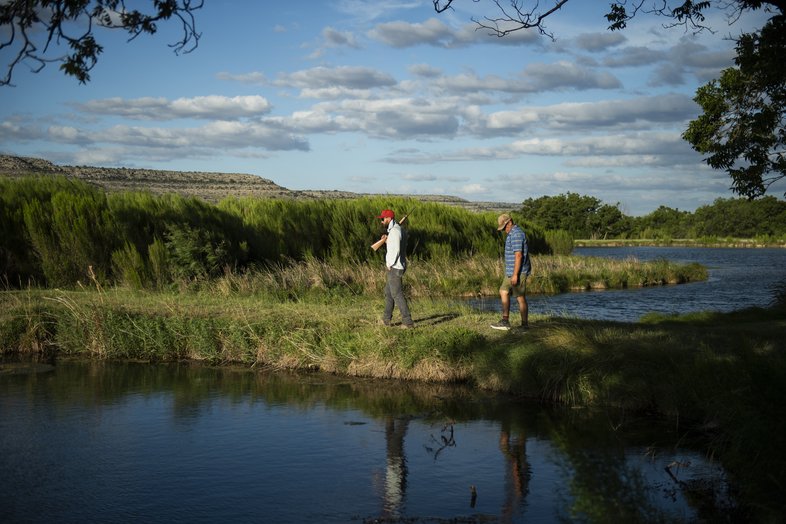
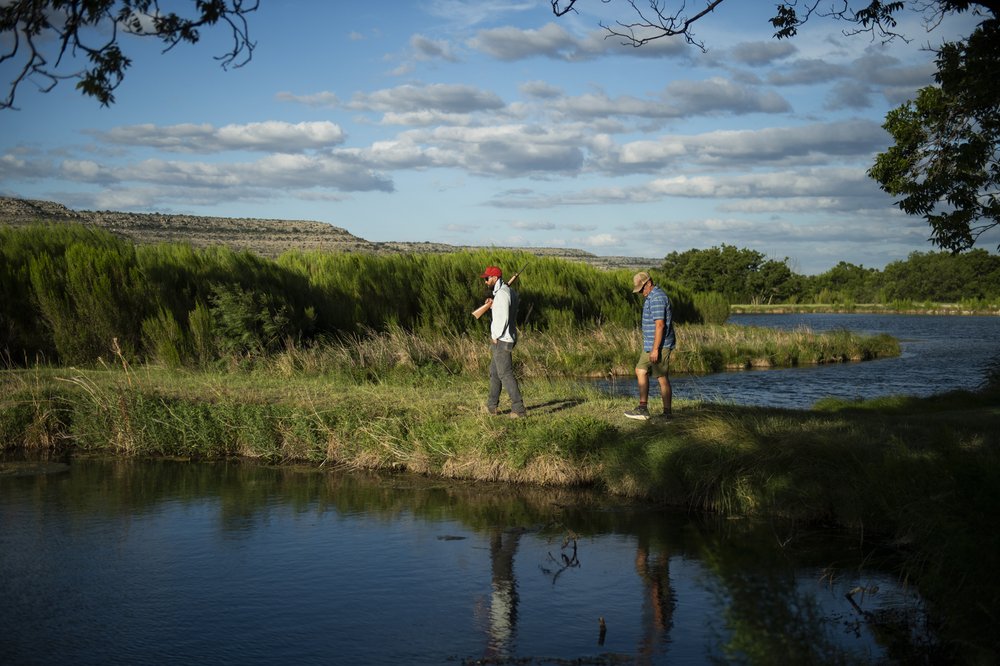
On the lookout for nutria at Independence Creek.
On the lookout for nutria at Independence Creek.
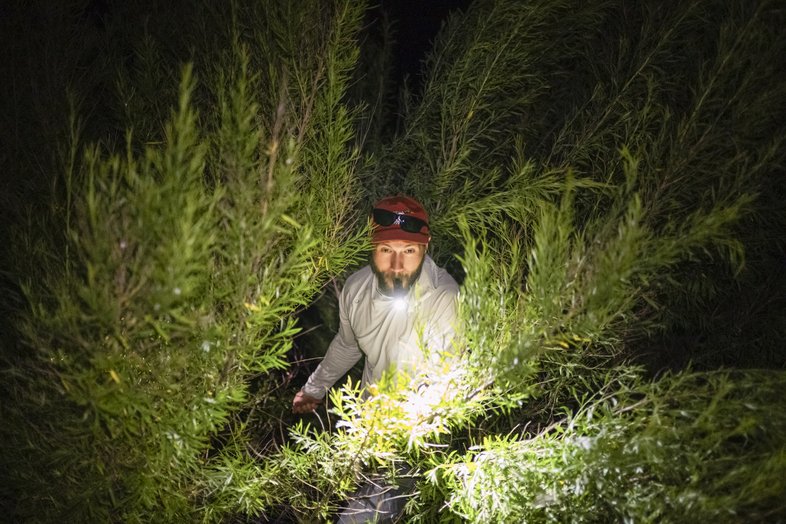
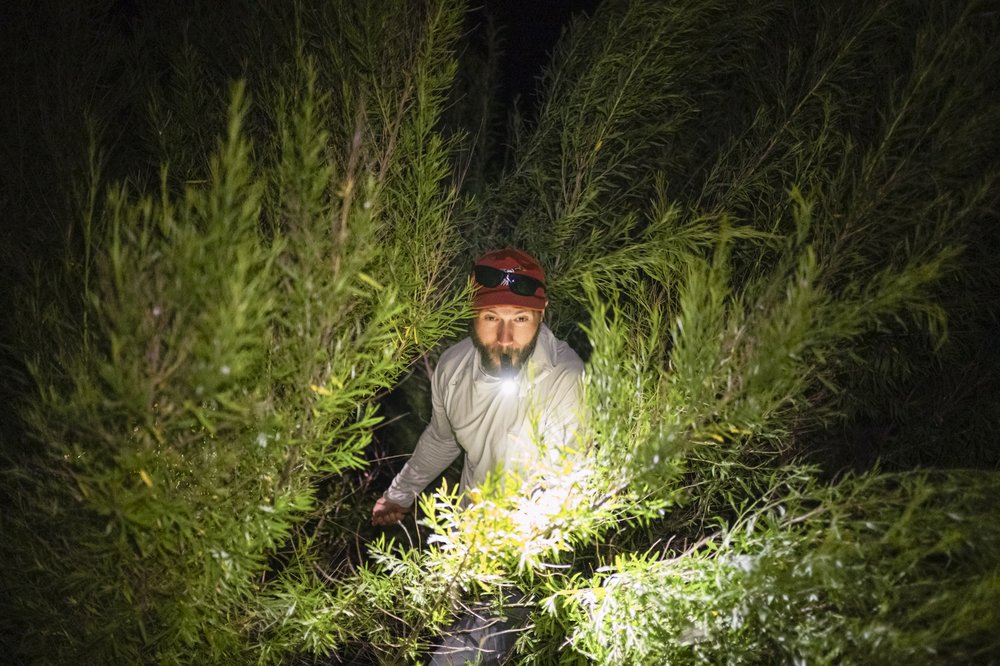
Ryan Thornton walks through brush to find a nutria.
Ryan Thornton walks through brush to find a nutria.
We drive up and down the raceway and around the lake for hours and see no nutria. When the sun goes down, we break out the spotlights and catch the reflection of a nutria’s eyes as it swims across the main pond. Ryan fires a .22-caliber rifle with iron sights into the water. It is pitch black, and the furbearer disappears. They can stay underwater up to five minutes. We have a few more sightings with shots taken, and each time the swimming rodent disappears. It’s 10:30 p.m, and I’m losing hope. We decide to take one last drive by the large pond. I shine my spotlight to the far bank and catch one at the edge of the water. Ryan takes a shot and … it’s confirmed, we got one. When I see the nutria up close with its dark, wet fur and its freakishly large rat tail, I question if I really want to eat this thing.
The Dinner
Justin and I convene at Caprock Gap Ranch in late July for our invasive species dinner. By this time, we’d sampled both the feral hog and aoudad. Both are exceptional with no hint of game. Neither of us had tried the nutria yet. Over the last seven months, Justin and I debated what tonight’s menu would be. We finally settled on nutria nachos for an appetizer and feral hog and aoudad tacos for the main course.
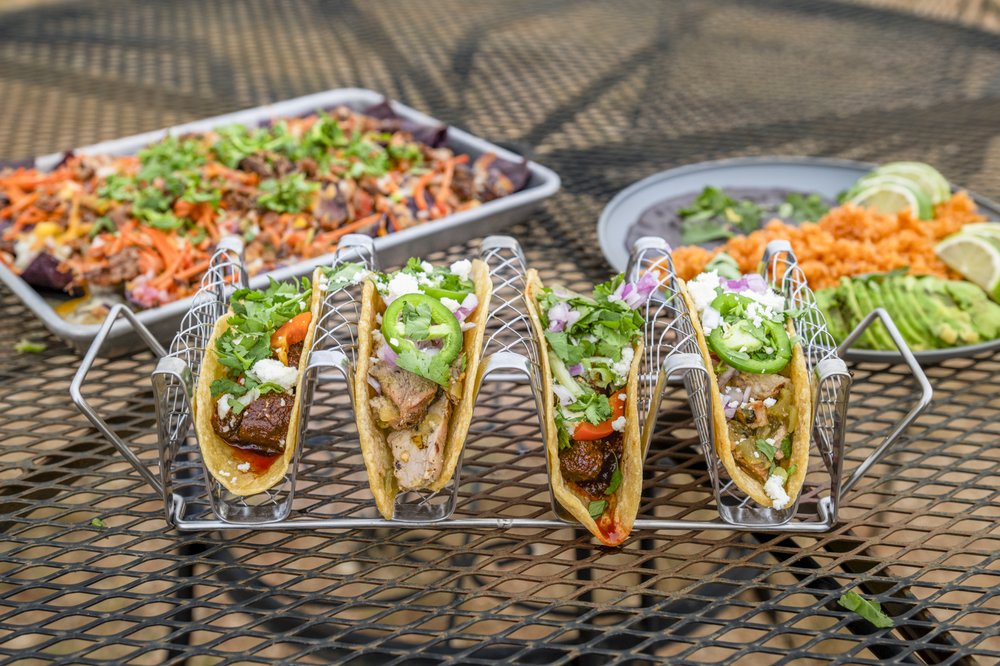
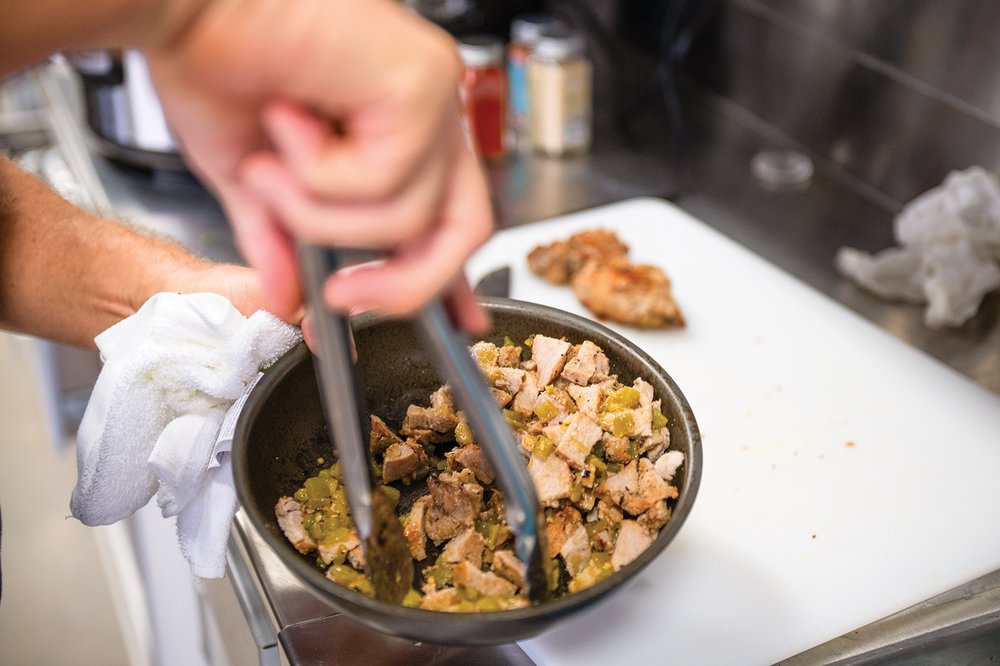
I season the nutria liberally and put it in an Instant Pot pressure cooker and set it for 50 minutes. Justin makes Chili Colorado with the aoudad. I take the pork, which I’d marinated for several hours, sear it and finish it in a small smoker. I dress the aoudad Chili Colorado tacos with crumbled sheep’s milk cheese, onion, fresh jalapeño and cilantro. For the feral hog tacos, I add green chili, sheep’s milk cheese, bell peppers, green onion and cilantro. The Instant Pot chimes, telling me the nutria is ready. I pull it out, and it falls off the bone.
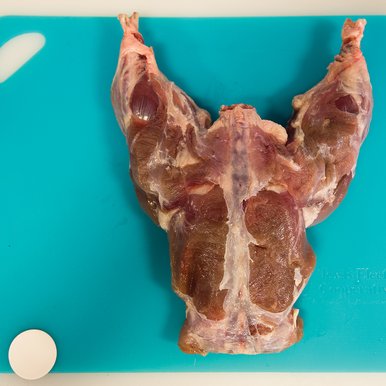
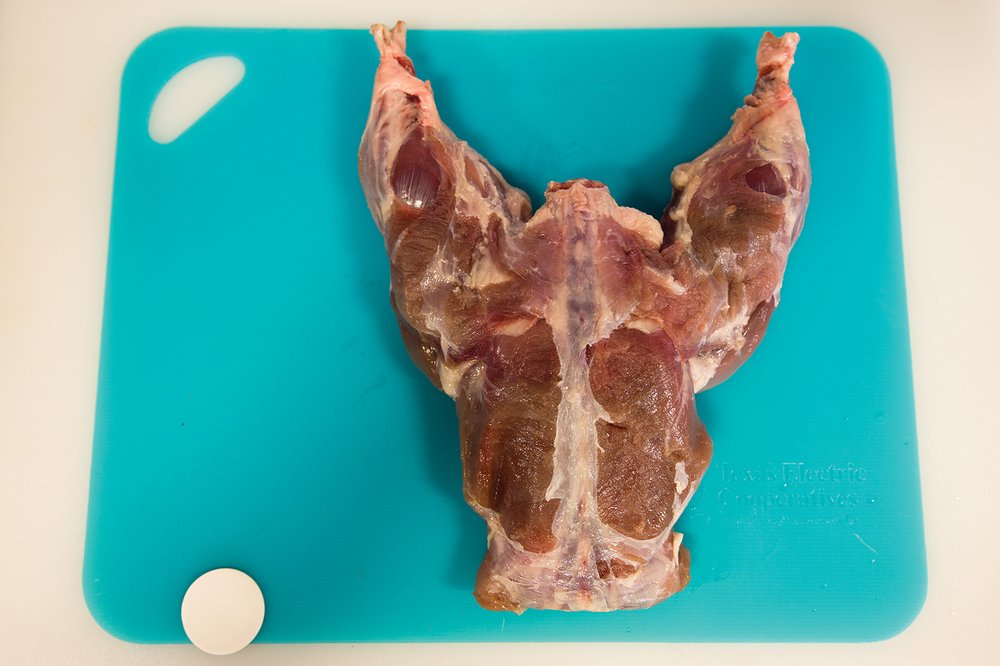
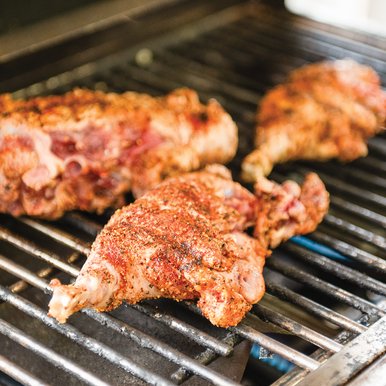
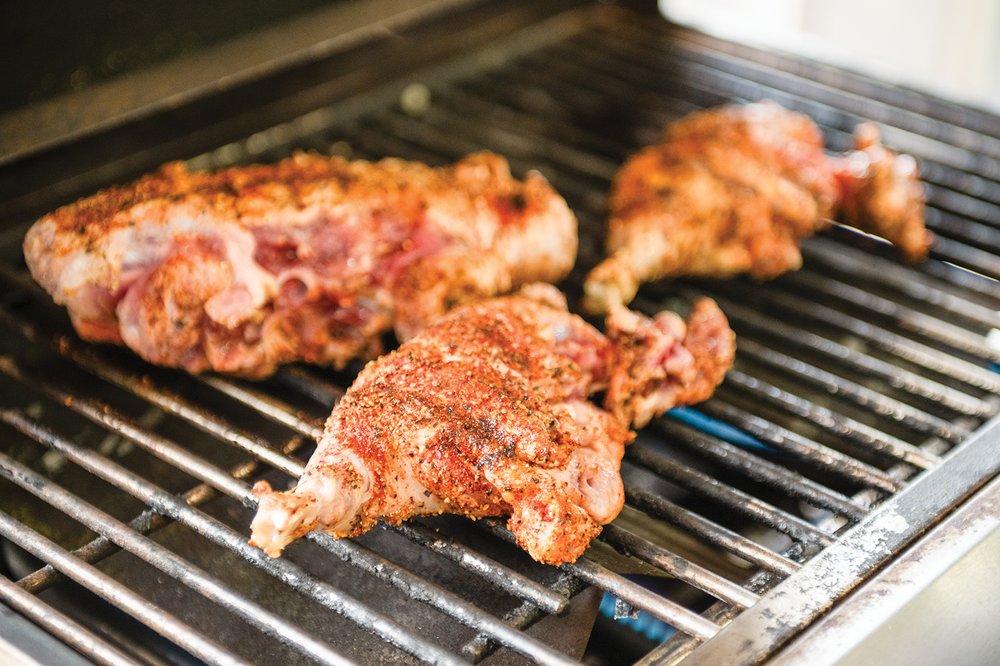
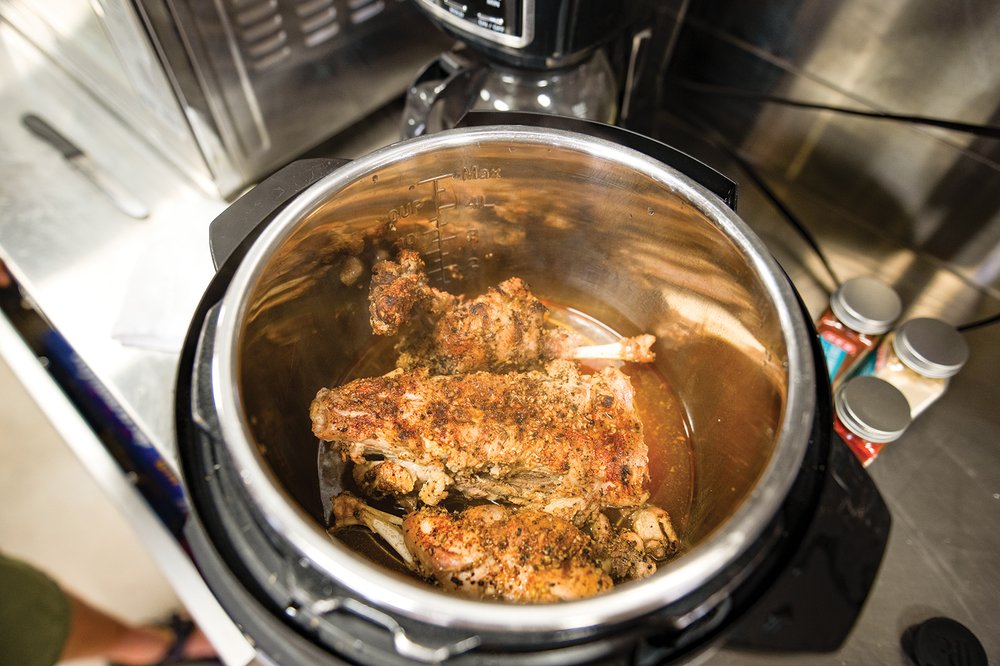
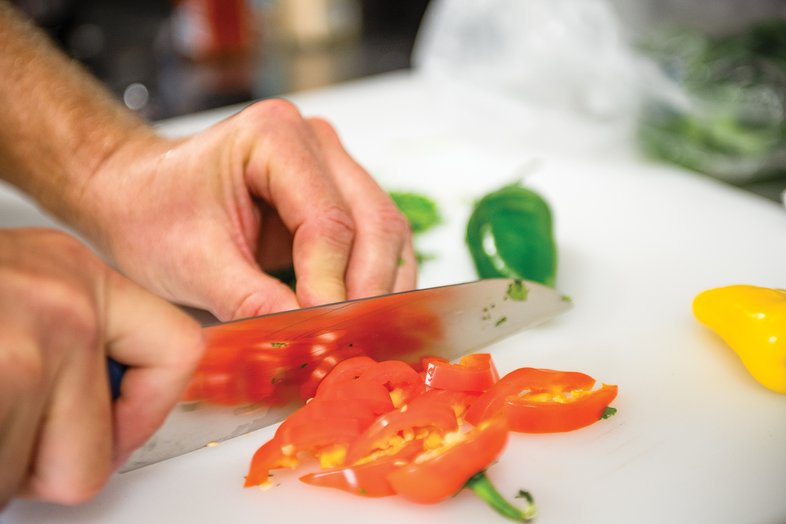
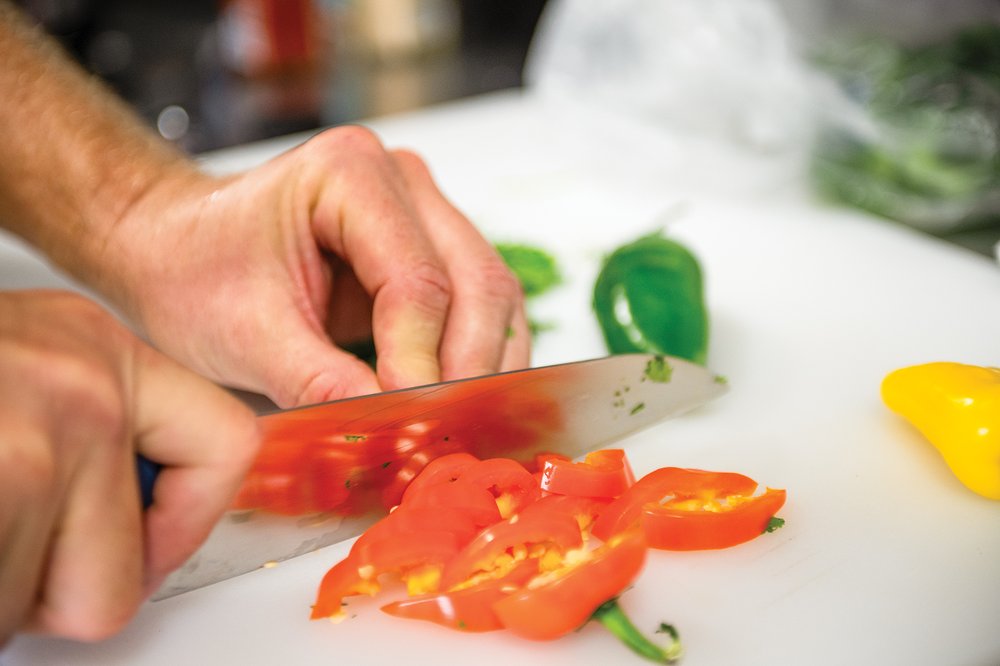
I take my first bite and, drum roll please, gosh darn, it’s good! It tastes like a tender turkey leg. I top the nachos with shredded nutria, shredded carrots, bell pepper, onion and shredded cheese. Justin picks up a nacho with a heaping pile of shredded nutria and eats it. “You know, when you take a bite with bunch of nutria on it, you think, oh man this is going to taste weird,” he says. “And then, it’s just good. It’s really good.” I agree. Our invasive nacho/taco dinner is a success. Here’s to eating more invasive species.