As autumn ushers in lower temperatures and cooler waters, several fish species start schooling along the Texas coast. Saltwater fishing enters its peak in the fall.
With a new, lighted pier spanning 1,620 feet into St. Charles and Aransas bays, Goose Island State Park welcomes visitors coming to see what they can catch.
This time of year, redfish and flounder start their spawning migration by swarming the coastal bays and estuaries, making it prime time to catch these saltwater gamefish. In addition to those species, you can land spotted seatrout, black drum and more, with a little luck and the right bait.
“The end of the pier is a good place to catch some monster black drum,” says park Superintendent Edwin Quintero. “It’s a well-known spot for that.”
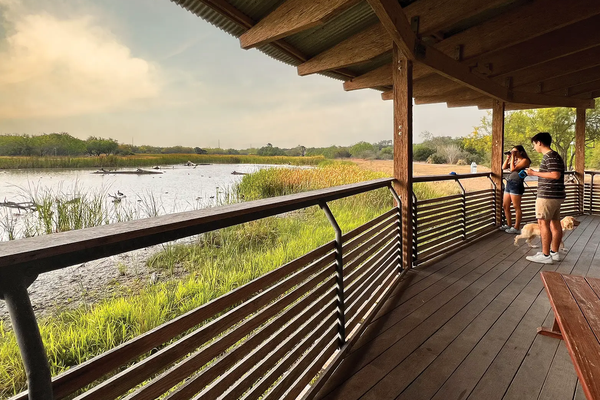
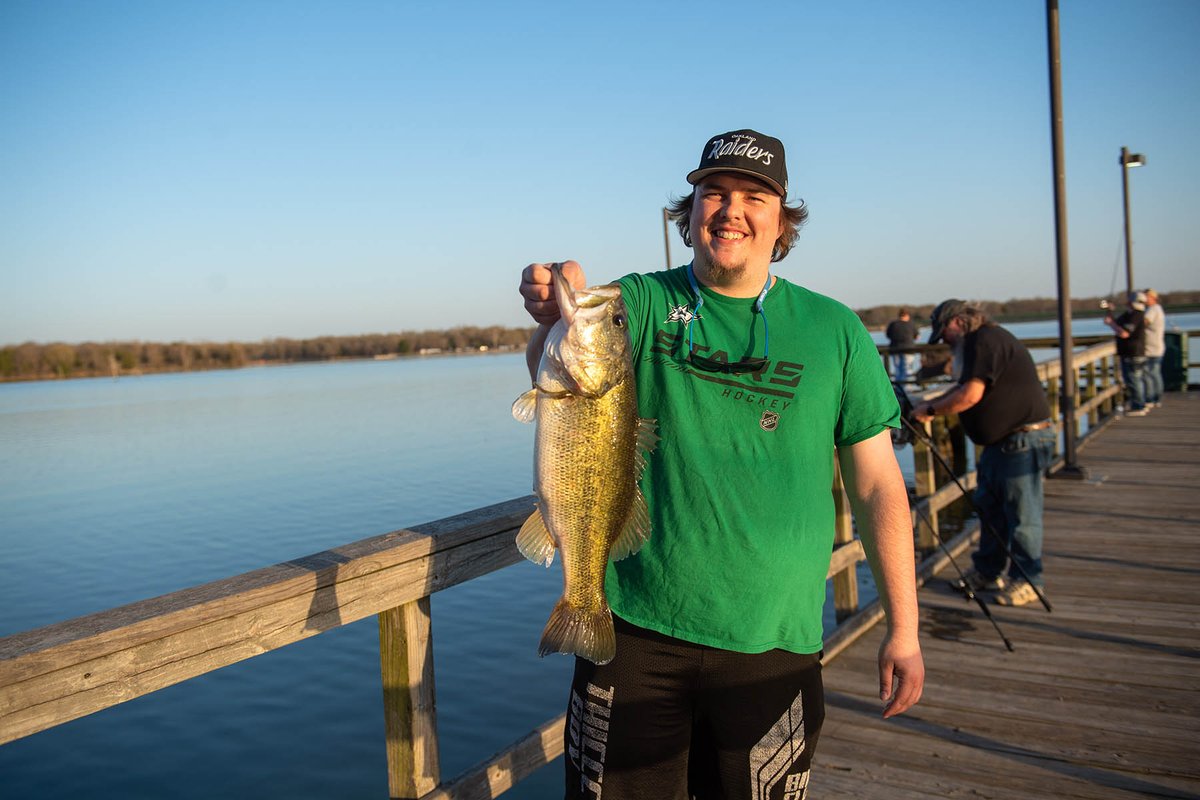
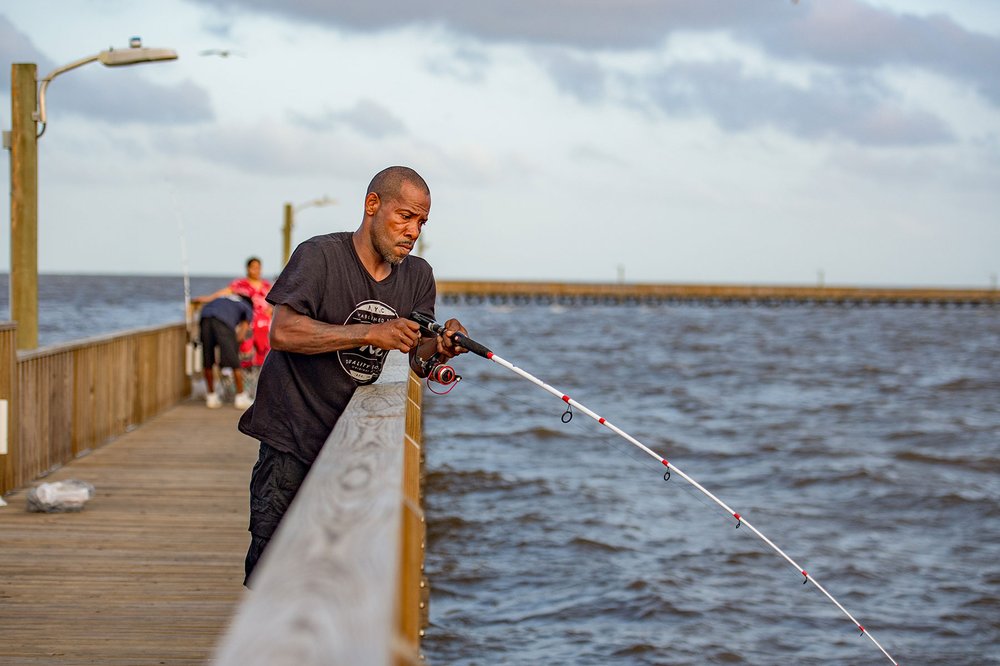
At Goose Island, you can fish from the pier or from a boat or try wade-fishing. You can fish from your campsite. You can fish all day — nighttime fishing is good, too.
If you didn’t bring a pole, the park will lend you one. If you don’t have a fishing license, guess what: You don’t need one if you’re fishing from the shore or the pier inside in the park. How could it be any easier?
“When we talk to people camping on the bayfront, they tell us they’ve been coming here for generations, fishing with their parents and grandparents,” Quintero says. “It’s definitely become a tradition."
Off-line
While fantastic fishing’s the lure at Goose Island this time of year, you’ll love the campgrounds and sights of the park.
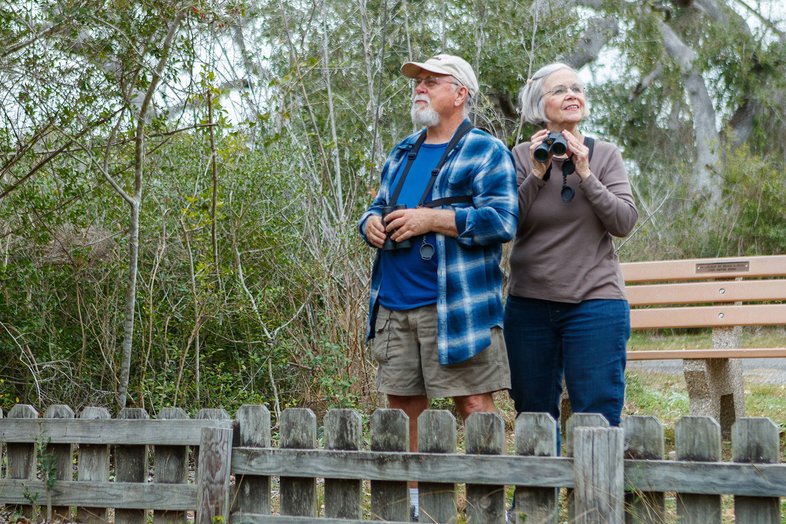
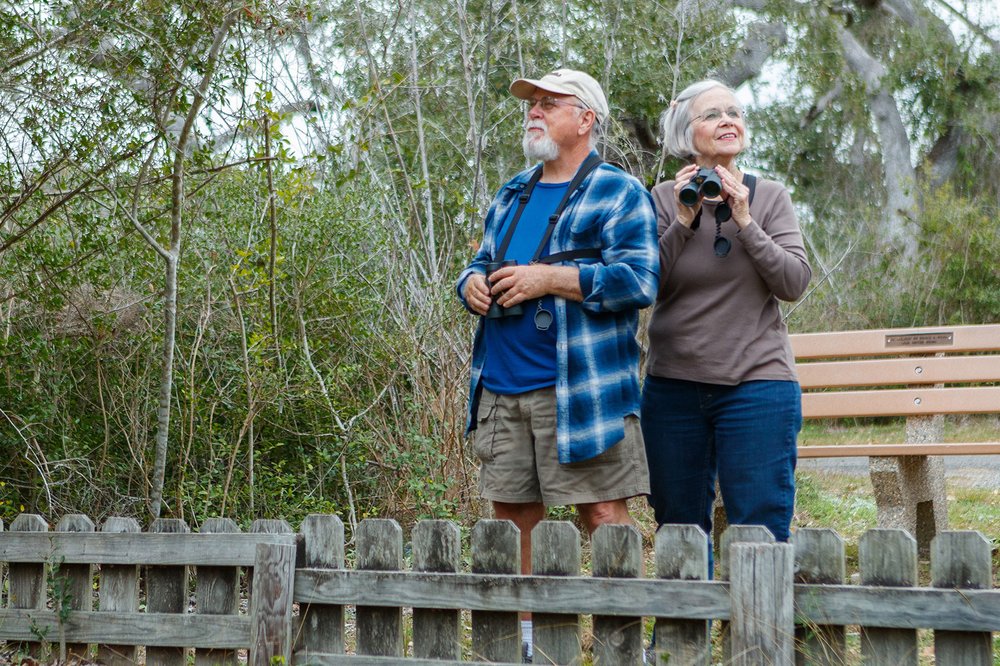
Birding
More than 300 varieties of birds can be found here: herons, egrets and spoonbills in the marshes, and springtime warblers in the woodlands.
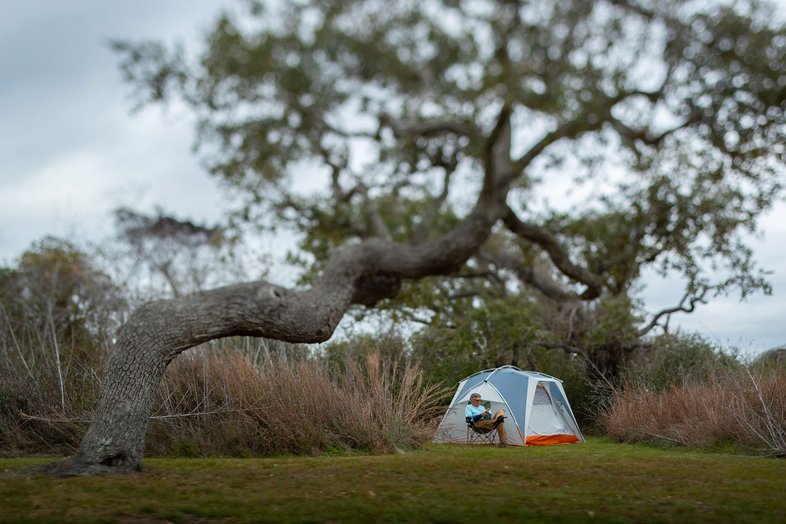
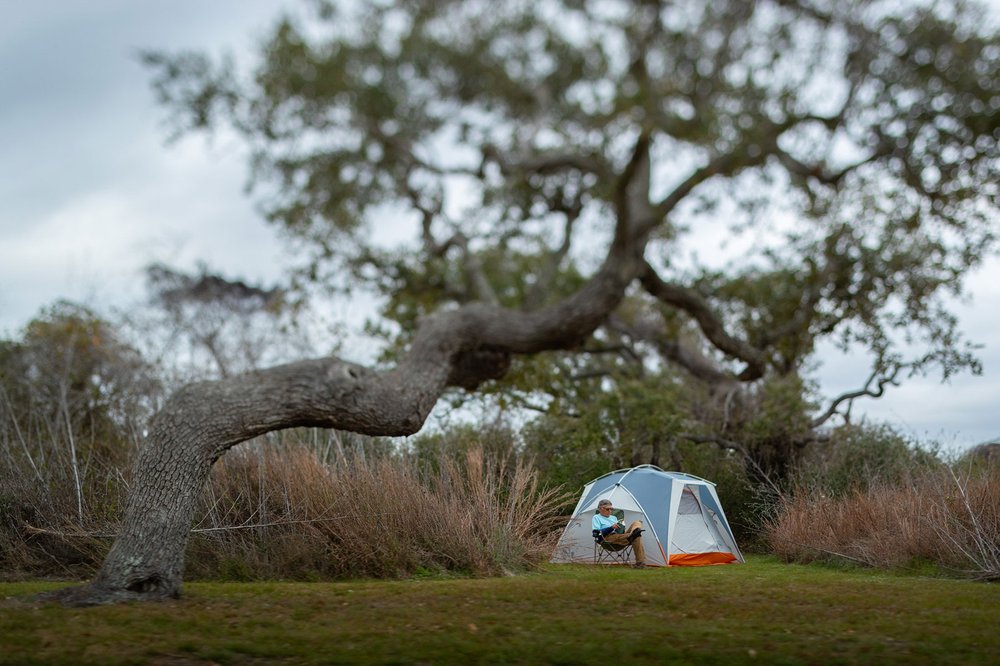
Camping
Take your pick of camping right on the bay or within the shelter of the live oak forest. Each offers a unique experience.
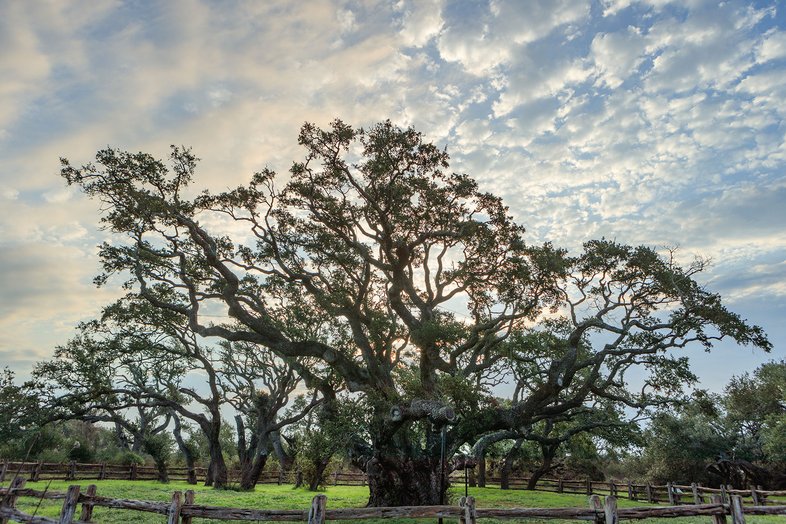
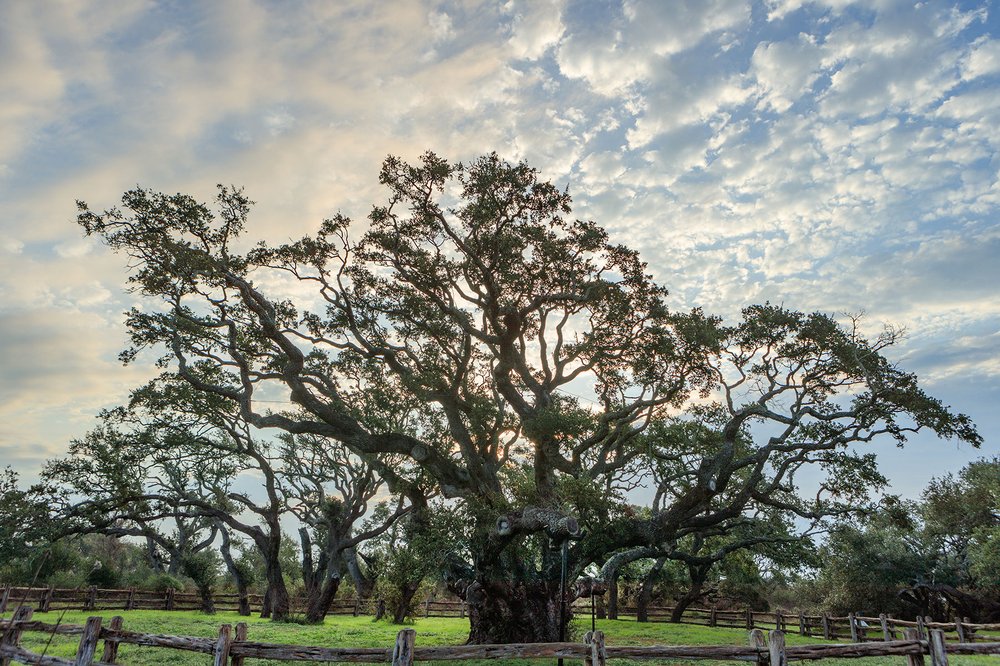
The Big Tree
Goose Island’s Big Tree is one of the largest and oldest live oak trees in the nation. Marvel at its broad trunk and its ability to survive hurricanes and droughts.