Whether you approach Port Aransas by land or by sea — I arrive aboard the free 24-hour ferry earlier this year — it won’t take long for your mind and body to reset to what the locals call “Island Time.”
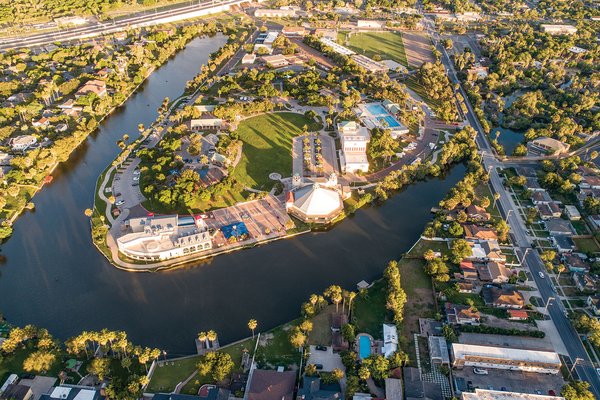
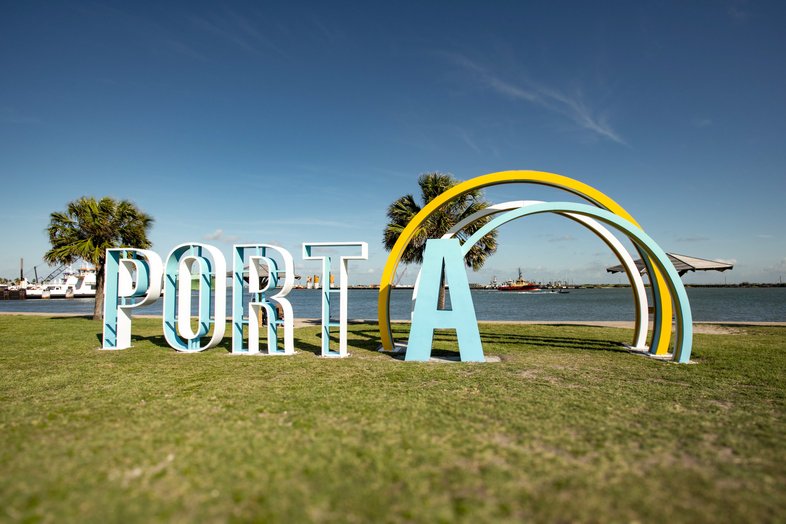
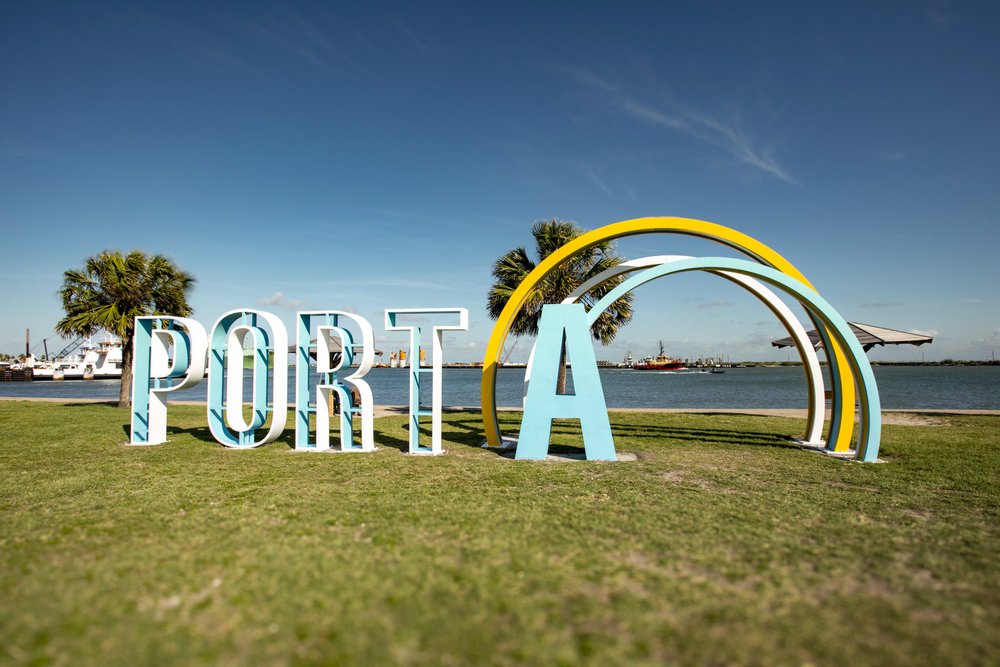
Located at the northern end of sandy Mustang Island, Port A is a charming seaside destination that doesn’t take itself too seriously. Cruising to my condo for a three-day stay, I pass along the busy business strip, counting spots where you can rent golf carts and beach buggies to tool around town, and spy tourists goofing in front of the giant shark head at the entrance of Mirage Beachwear. I’m more of a nature guy, but the scene still brings a smile.
Stepping onto the sand at the far end of Access Road 1-A, one of several points right in town where you can cross the dunes to the Gulf shores, the gentle sea breeze lowers my blood pressure by a half-dozen points. I have always enjoyed my time in Port A, where I have surfed along the jetties and fished frequently. In so doing, I have followed in the steps of many other wash-ashores, including perhaps most famously President Franklin D. Roosevelt. In 1937, FDR spent several days on the Texas coast and reportedly boated several large tarpon.
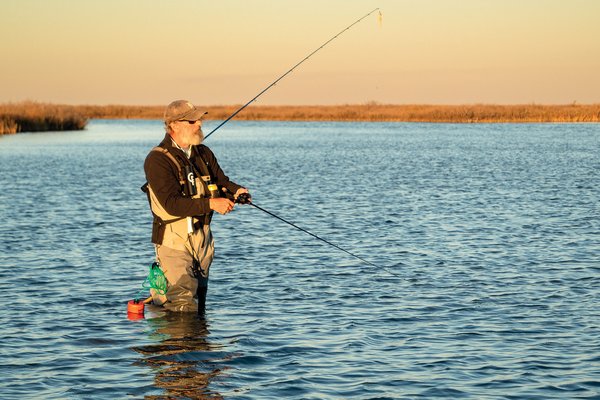
“It’s just a great place for all kinds of recreation,” says Capt. Tom Pennington, who I connect with on my second day in town for a fly-fishing excursion. Originally from Fort Worth, Pennington relocated to Port Aransas after 27 years as a photojournalist ducking in and out of conflict zones, finishing his photography career shooting amateur and professional sporting events, including the Olympics. “My wife and I decided raising our kids here just made sense.”
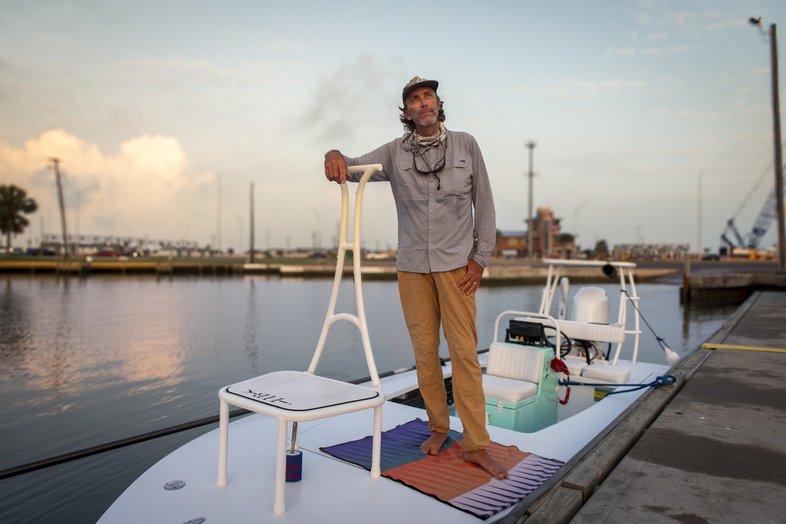
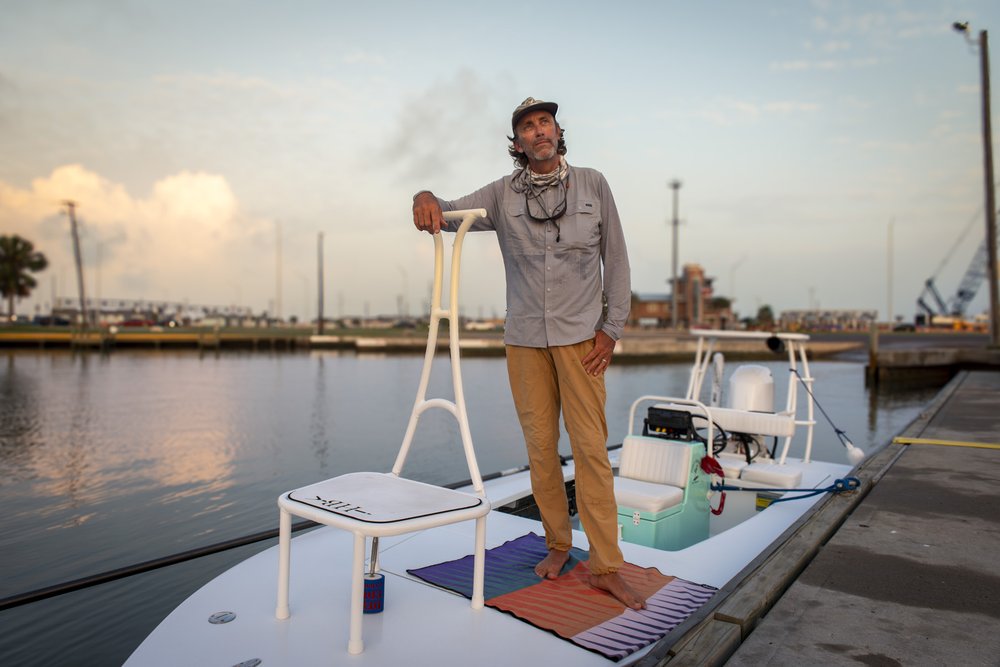
Fishing guide Tom Pennington: “It’s just a great place for all kinds of recreation.”
Chase Fountain
Fishing guide Tom Pennington: “It’s just a great place for all kinds of recreation.”
Chase Fountain
Indeed, Port Aransas may be most famous for its “Fishing Capital of Texas” boast — the town received official recognition from the Texas Legislature in May 2025 — but island life promises visitors a lot more than just angling. Though it seems timeless, this barrier island located at the heart of Texas’ Coastal Bend was created by sandy river deposits over the past 5,000 years or so. A hotspot for birding, it boasts an extensive system of parks and preserves. These give walkers and bicyclists an opportunity to get some exercise (if golf carts aren’t your jam), enjoy the fresh air and scan for dozens of migratory and resident species.
Even not-so-birdy Texans love to stop by to visit the rare wild flamingos (and one zoo escapee) that have turned up at the Leonabelle Turnbull Birding Center since 2023. Texans have our own native pink birds, the roseate spoonbills, but the flamingos are quite distinct. Having seen the exotic visitor earlier this year myself, I can attest this flamingo is the real deal. It was quite the surprise!
After fishing, birding and paddling around Port A, another surprise for me was that I had so much fun without setting foot in the sand after that first night. I also enjoyed al fresco dining, and visited with one of the state's leading oyster cultivators at the Texas Clear Water Oyster Gardens. With so much fun so close to town, I didn’t make it to Mustang Island State Park (I’m a big fan), or further afield to the wild beaches of Padre Island National Seashore down the road.
More than missed opportunities, though, these are reasons to get back on island time.
Chase Fountain
Chase Fountain
Cast a Line
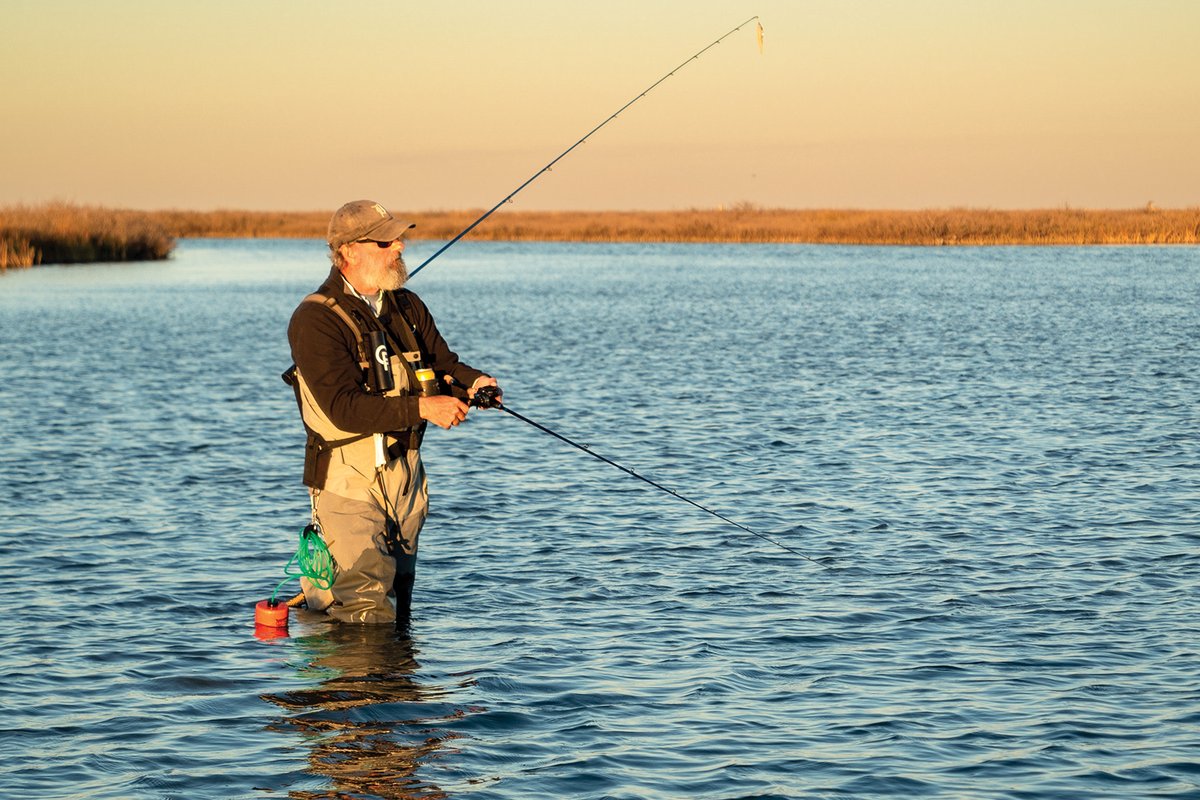
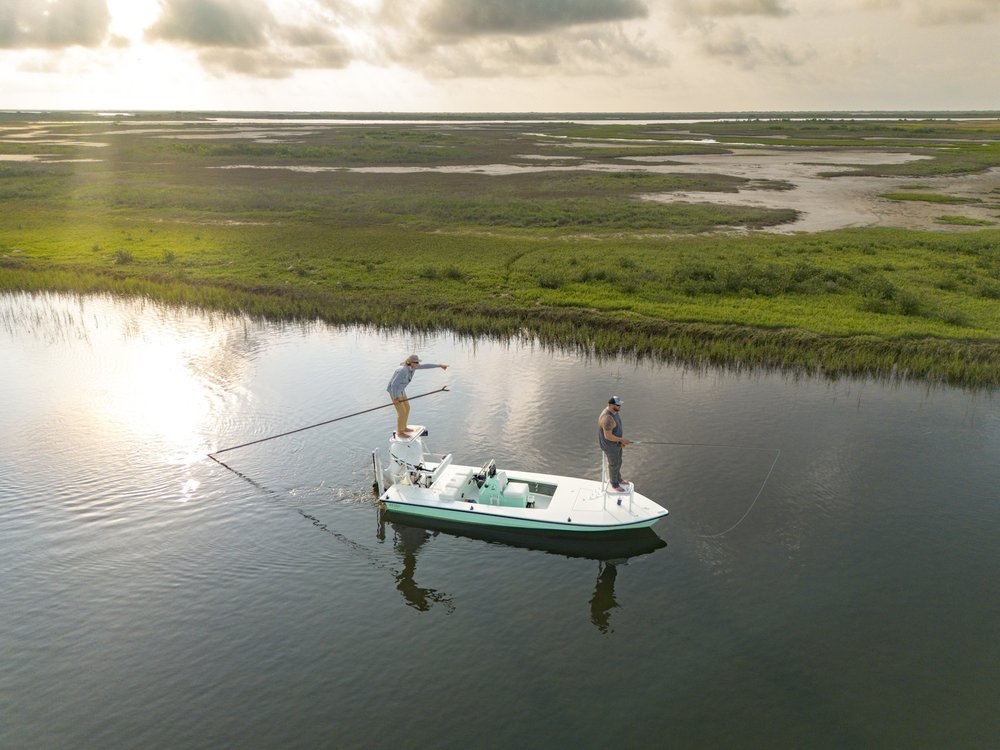
"STRIP IT, strip it, strip it.” That’s Tom Pennington’s mantra as he coaches me. We are fly-fishing in the shallows along the north end of Mustang Island and the Lighthouse Lakes complex. The waters around Port Aransas teem with fish life. We are casting for black drum and redfish, hoping to hook up a “big ugly” drum. But my real goal, if I’m honest, is to pick up a few pointers to improve my casting and increase my chances at scoring some fishy table fare.
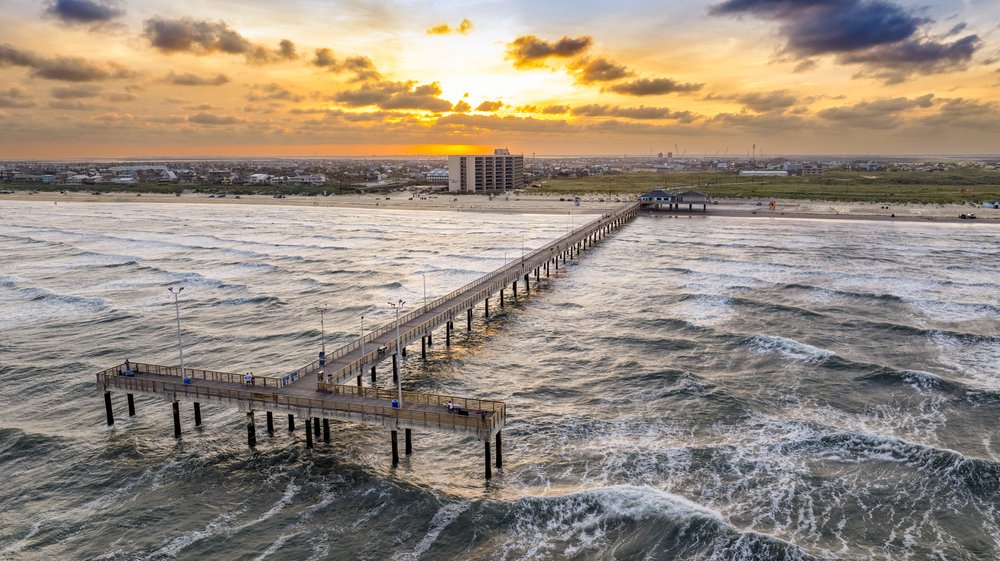
Wide-open angling opportunities exist in Port A — it has everything from deep-sea charters to inshore sight-casting for immature tarpon with seasonal shots at larger fish. The jetties and piers along Aransas Pass and into the Gulf offer chances to catch your limit. You can target speckled trout, sheepshead, Spanish mackerel and even blacktip shark from family-friendly, 1,240-foot-long Horace Caldwell Pier (the wave train at the pier is also popular with surfers).
It’s a breezy day, and the water is a little stained, but Pennington keeps his eyes peeled as we pole along the flats. “There's one at 11 o’clock,” he directs me, “about 20 feet out.” I lay the line out almost perfectly, just in front of a shadowy 3-foot-long drum, nearly hitting him in the mouth. My fly is met with a refusal. This happens again and again as we hit the back lakes. I’ve had better luck fishing Port A in the past, reeling in a Texas slam — redfish, flounder and speckled trout — using my trusty spinning rod. So I focus on casting and line management.
As we continue to make our way around the bay, I learn that Pennington is friends with mariculture specialists Bill and Amelia Strieber, who run the Texas Clear Water Oyster Gardens. When the day is done, I check in with Bill at his oyster shack, and go home with a dozen fresh oysters. It’s not necessarily the seafood I was looking for, but it still makes a lip-smacking meal.
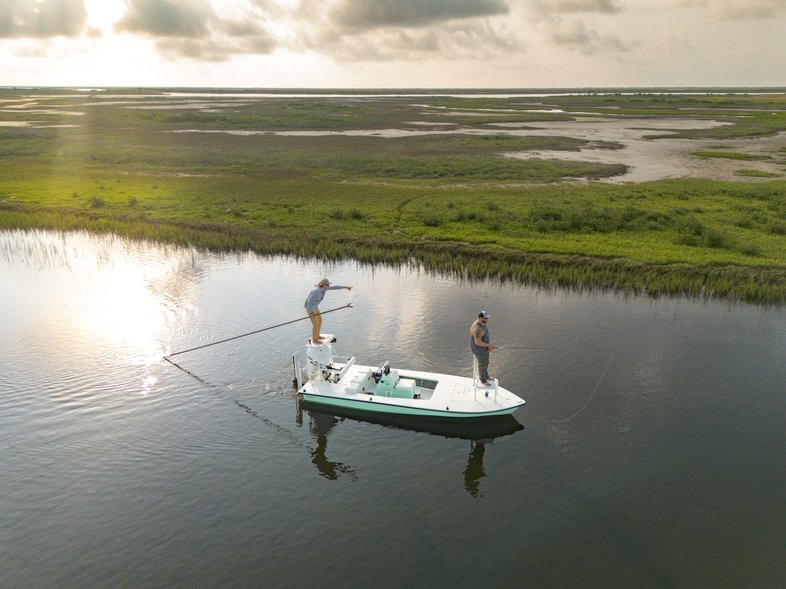
Fishing Redfish Bay.
Chase Fountain
Fishing Redfish Bay.
Chase Fountain
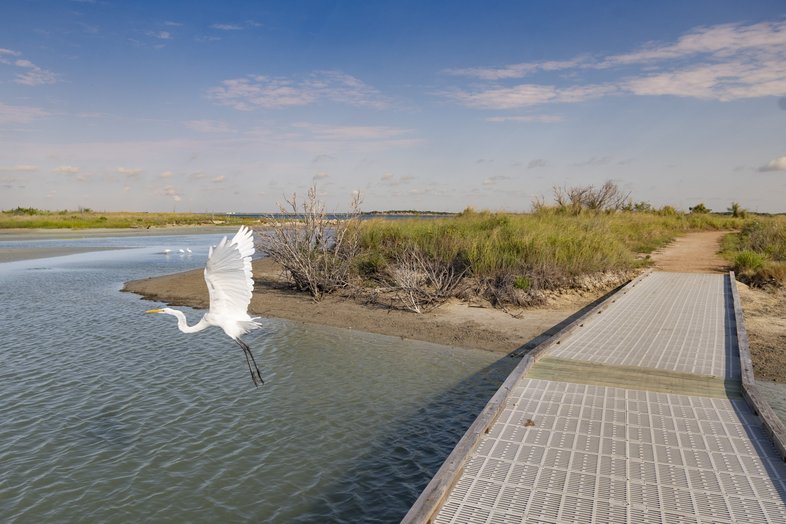
Great egret at Charlie's Pasture.
Sonja Sommerfeld
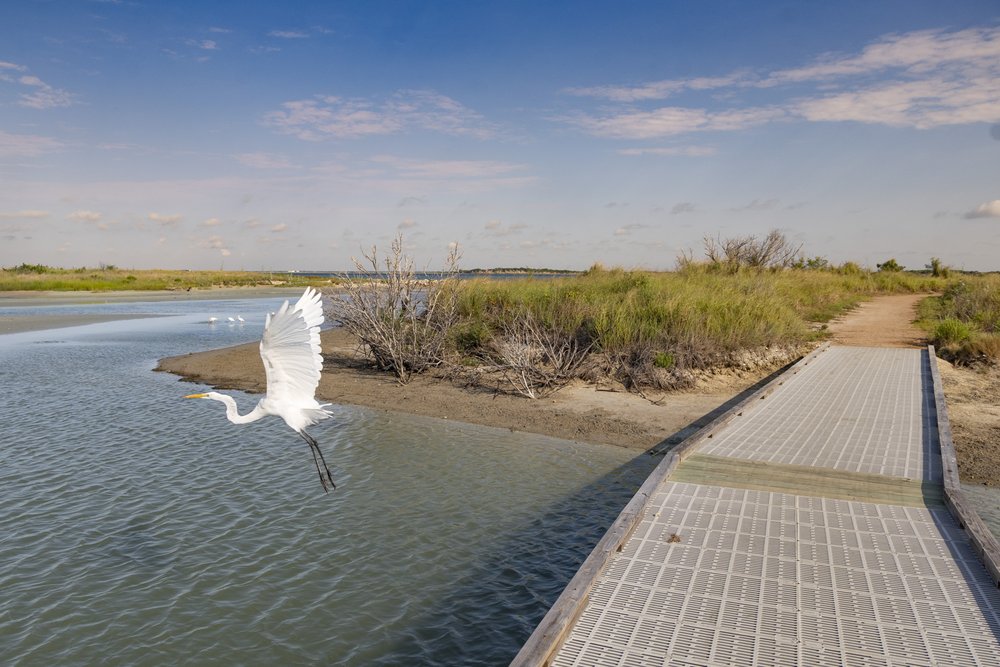
Great egret at Charlie's Pasture.
Sonja Sommerfeld
Make a Feathered Friend
In 2019, Rae Mooney faced a tall order when she joined the City of Port Aransas as nature preserve manager. It was just two years after Hurricane Harvey made landfall on the Texas coast, and the parklands along the shore, especially near the Corpus Christi Ship Channel, had been swamped and the town’s boardwalks destroyed. Insurance and grants, including money dedicated to Texas in the wake of the earlier 2010 Deepwater Horizon oil spill, helped restore the collection of parks, including Charlie’s Pasture, Paradise Pond and the Turnbull Birding Center.
“For summer visitors, a lot of people just come for the beach, and they don’t even know this is here,” Mooney tells me as we visit the newly restored and expanded preserve system. A few bulkheads are the most obvious sign of the recovery efforts, with extensive elevated paths — open to bicycles as well as walkers — extending through the wetlands. We pause and watch some frigatebirds that have blown in from the Gulf.
During my visit, I spot other list-worthy species such as a white-rumped sandpiper and Tennessee warbler (the flamingo had departed by May, as had Port A’s population of wintering whooping cranes). Moreover, Mooney tells me this year’s spring fallouts were reportedly some of the best local birding in the past 20 years, and more than 115 birds were spotted from the Turnbull Center observation tower in a single day during a “Big Sit” event. Free introductory birding classes are available to everybody from older winter Texans to local grade-school kids.
Even so, the preserve system is not only for birds and birders. Weekend yoga is regularly offered beneath the shade pavilion at Charlie’s Pasture, which offers 1,200 acres to navigate. “Our goal with the outdoor recreation program is to make sure people can access these open spaces,” she says. “Even if you’re not birding, the trails offer a great way to explore.”
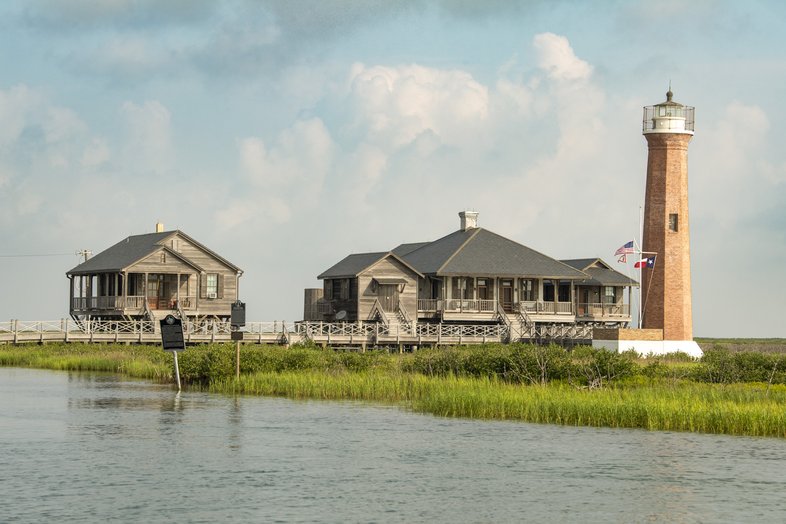
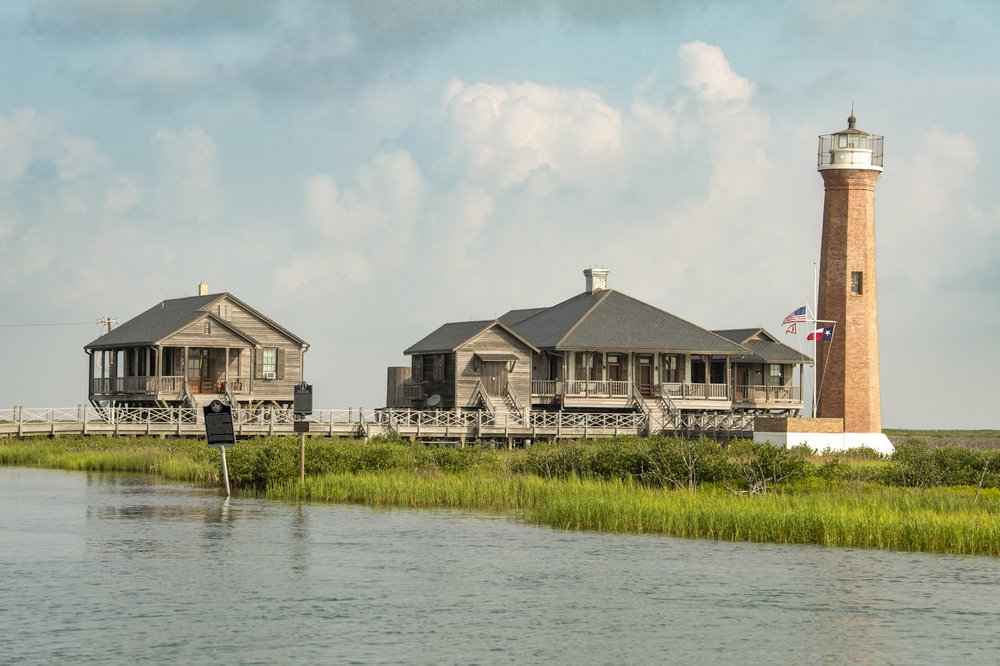
Lydia Ann Lighthouse at Lighthouse Lakes.
Chase Fountain
Lydia Ann Lighthouse at Lighthouse Lakes.
Chase Fountain
Dip a Paddle
Having spied the Lydia Ann Lighthouse with my guide Pennington, I wanted to spend more time at the Lighthouse Lakes exploring the mangrove islands and sea-grass channels near the lighthouse and the protected Redfish Bay State Scientific Area. I left my fishing tackle behind because, truth be told, I likely would never make it back in time for dinner if I had it. Instead, I ring up guide Hector Rios at Coastal Bend Kayaking, and he shuttles me to the newly improved launch area off Texas Highway 361, which boasts new shade pavilions, picnic areas and lights and bollards to enhance public safety.
The Lighthouse Lakes Paddling Trail was the state's first official paddle trail, and this is my first time back since kayak fishing the area more than a decade earlier.
Rios warned me to watch for shipping traffic as I crossed the Aransas Channel, and once I reach the first marker for the 5-mile Cutters Loop, it appears I have the entire 50-square-mile Redfish Bay virtually to myself, other than the wading willets and splashing mullet. I point my kayak northeast and trace the swampy shallows in the general direction of the Lydia Ann Lighthouse. My goal is to make a pass near the historic lighthouse, which has served as a navigation aid since before the Civil War. The day is lovely and the watery expanse is well signed with TPWD markers to help paddlers find their way.
The sunset casts an orange glow as I complete my loop. It took me about two hours to go five miles, and along the way I noticed sparrows in the mangroves and dolphins in the deeper channels. Texas has developed more than 90 paddling trails since the Lighthouse Lakes trail was unveiled in 1999, and the pathways near Port Aransas remain some of the best. With routes including the 6.7-mile South Bay Loop and the 6.8-Mile Redfish Loop, you could spend days paddling — or birding and fishing, if that’s your thing — or just enjoying the scenery of the coast.