One late afternoon in mid-February John Roley, surveyed the deep cracks and fissures forming an intricate lattice pattern in his land’s soil. He stood in the middle of a restored, dry playa lake — a saucer-shaped depression surrounded by a bed of sun-dried spikerush and pink smartweed. Restoring his playa was a major step in helping him enhance habitat quality and secure future groundwater — a decision Roley knew would be beneficial for both people and wildlife.
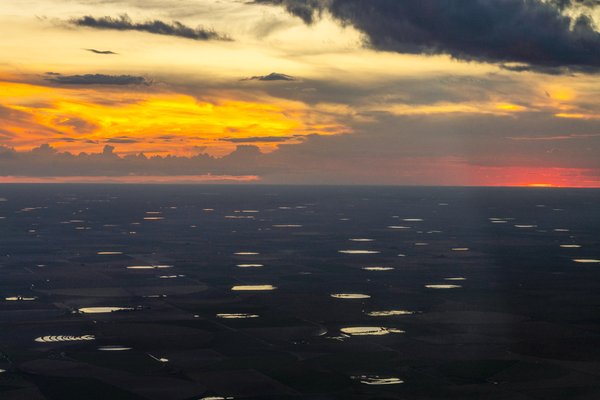
Playas, also known as mud holes or buffalo wallows, are temporary wetlands found at the lowest point of a watershed. The round, shallow basins are lined with clay soil that collects and holds rainfall and runoff.
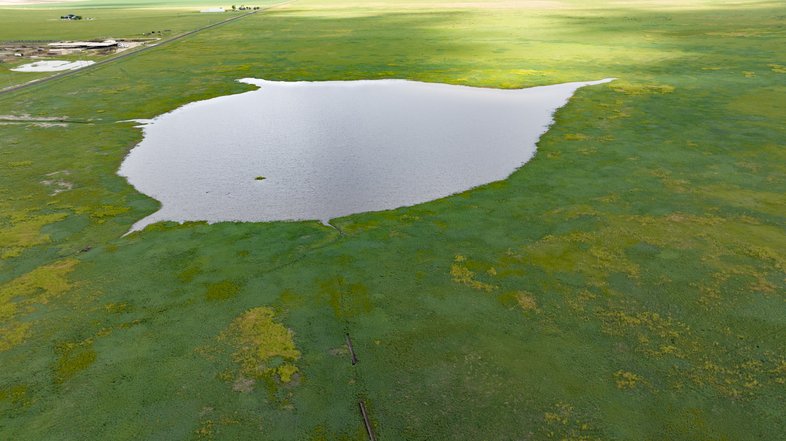
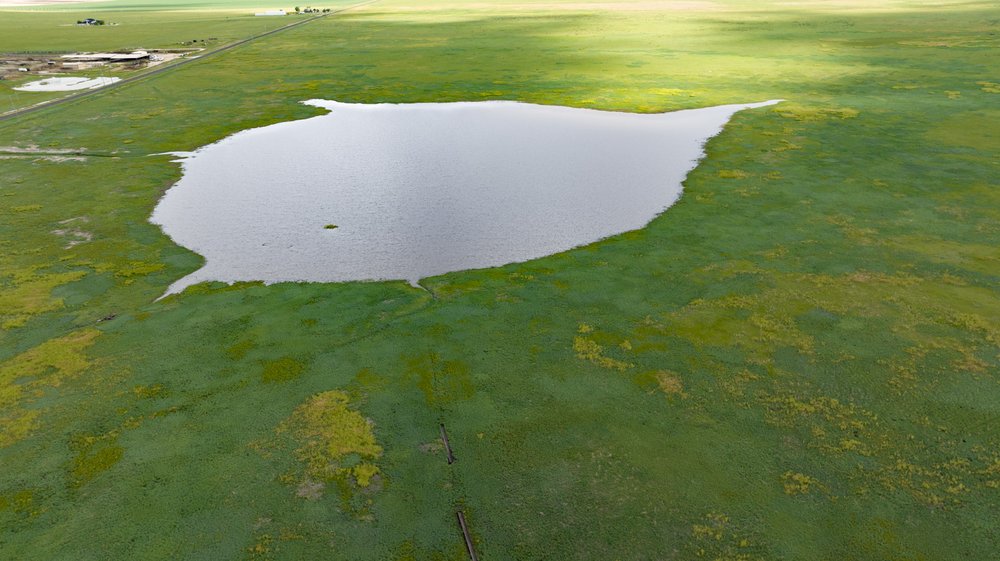
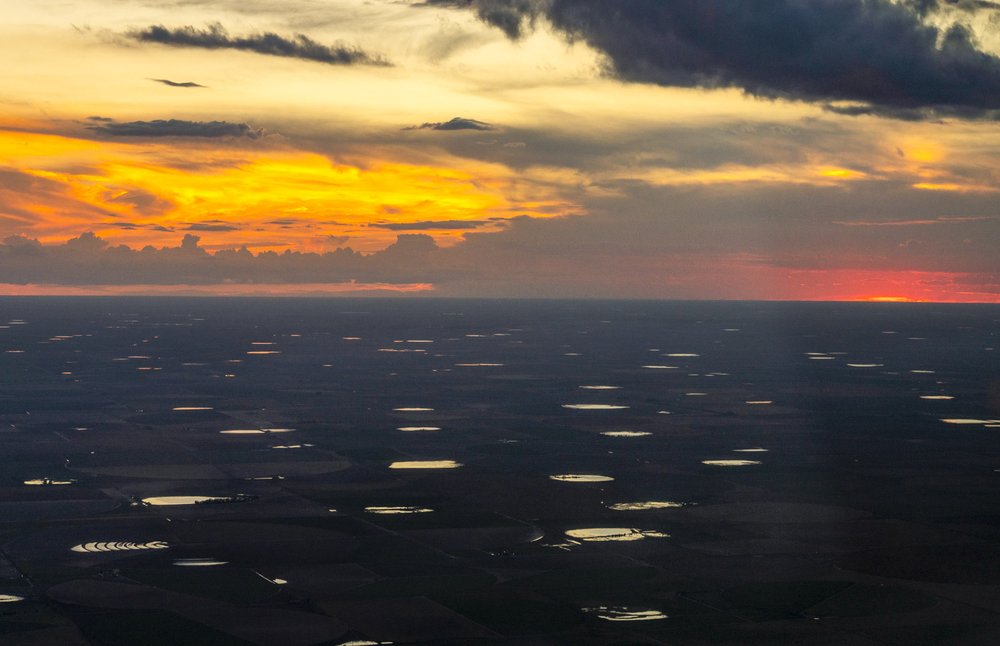
The Texas Panhandle may seem an unlikely place for a wetland to occur, but there are estimated to be more than 23,000 playas in the state.
Playa Lake Joint Venture
The Texas Panhandle may seem an unlikely place for a wetland to occur, but there are estimated to be more than 23,000 playas in the state.
Playa Lake Joint Venture
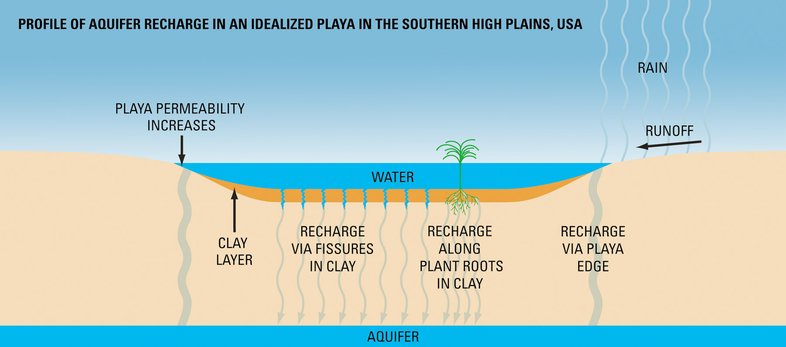
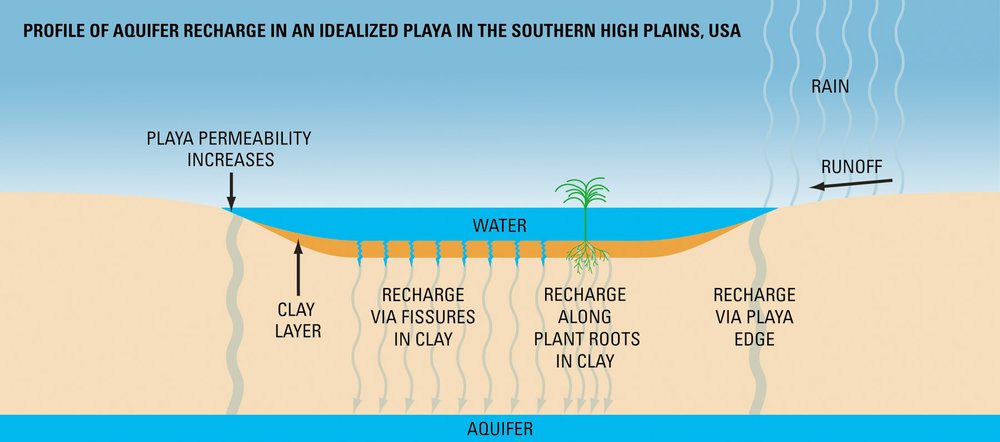
Playas are also recharge wetlands, meaning water flows through them to the underlying aquifer. After a rainstorm, a healthy playa funnels water down to the Ogallala Aquifer through large cracks in the soil; then as the clay becomes wet and swells, the playa holds water, becoming a productive ecosystem supporting wildlife and livestock.
To the casual observer, the Texas Panhandle is an unlikely place for a wetland to occur, but there are estimated to be more than 23,000 playas in the state.
Alarmed by the declining groundwater levels in the region, Roley knew he was in a unique position to manage his land to support a more sustainable future, and playas were a nature-based solution for protecting his ranching legacy.
Managing for Wildlife
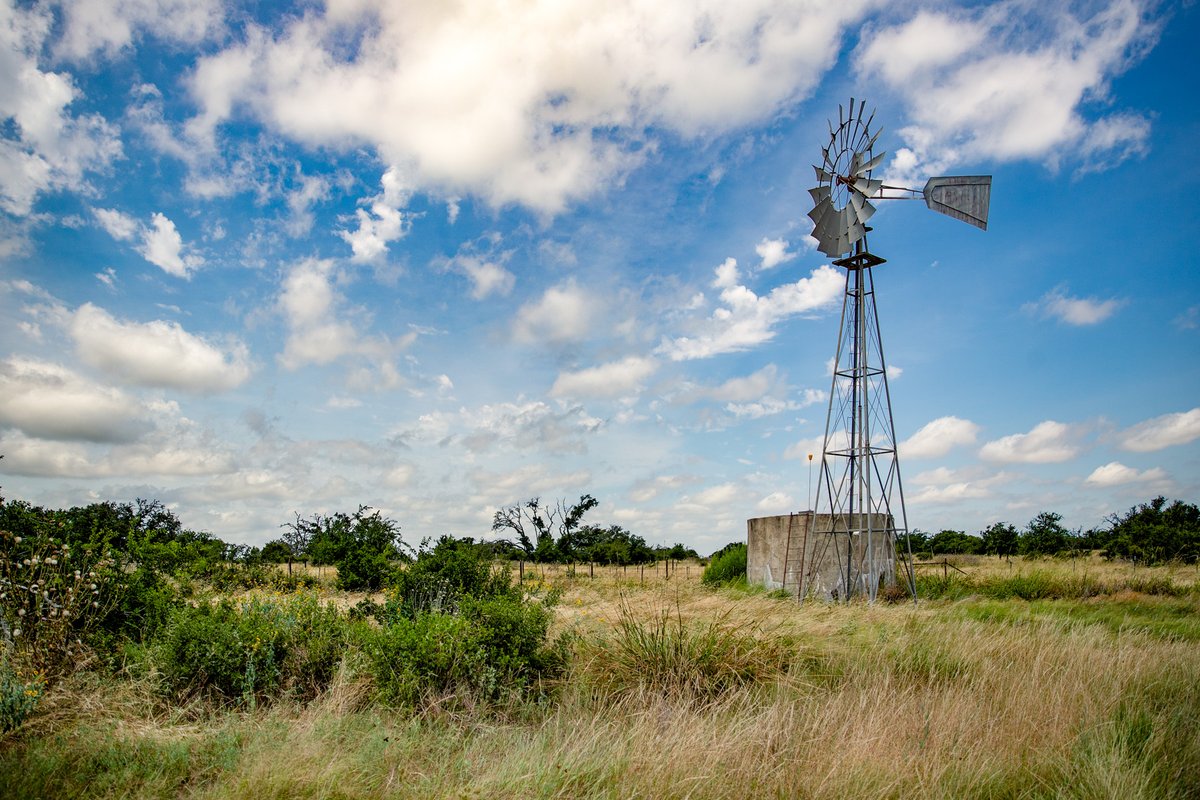
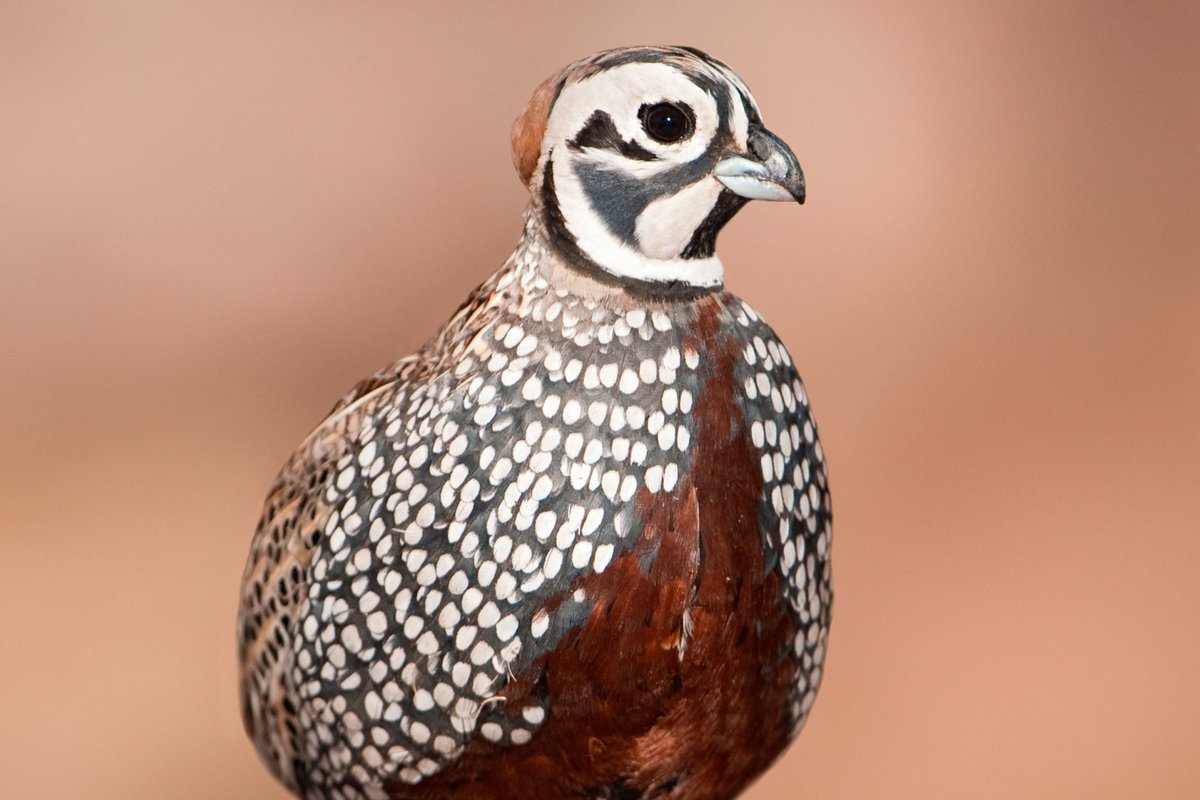
Along the Yellow House Draw at the headwaters of the Brazos River Basin, Roley manages his 2,200-acre property known as Little Las Vegas Ranch with wildlife in mind. The water that replenishes the aquifer from Roley’s restored playa goes directly back into his livestock and wildlife operation. Not a few hundred yards from his playa, a mule deer herd or covey of quail can drink fresh water every day from a timed water pump that drains into a refurbished satellite dish.
Across this dry landscape, playas are the main source of water for migrating waterfowl, cranes and shorebirds in the Central Flyway, as well as resident prairie birds. Protective grassland buffers around playas also provide habitat for many species.
“Playas hold the majority of the biodiversity in the region, and it also makes the surrounding grassland healthier when a playa is functioning,” says Heather Johnson, migratory game bird specialist for the Texas Parks and Wildlife Department (TPWD). “You will see where there’s a playa in grass that we’ve restored, all the grass is green around it, where everything else near it is just brown.”
Roley concurs. “If you look at where my well is, for the cattle and for the wildlife, it’s right in that area,” Roley says. “Why would I not want to restore that playa lake to get more water to seep into the ground, so I’d have water for the future?”
Playa Lake Joint Venture
Playa Lake Joint Venture
Putting Playas to Work
Playas provide important habitat, but they also provide many benefits for people, such as cleaner water going back into the aquifer that can support families and towns, recreational activities (e.g., hunting, bird-watching, photography) and flood control.
To provide these benefits, playas have to be functioning properly. A healthy playa has an intact clay basin — without excavated pits or ditches — that is not buried by sediment from nearby fields, and is surrounded by a vegetative buffer. These grassland buffers improve the quality of the water entering the playa basin and, in turn, the water that reaches the aquifer. Water from the surrounding watershed can freely enter the basin through a grassland buffer without being diverted from the playa by roads, terraces or other impediments.
Unfortunately, many playas don’t fit the description of healthy, but there are opportunities for landowners and producers to put their playas back to work. Through conservation programs, they can receive financial and technical assistance for restoring playas on their land.
“Playas are by far the number one resource a producer can have on their land,” Johnson emphasizes. “When a landowner repairs a playa, they are gaining the benefit of that recharge directly under their property.”
Johnson worked with Roley to guide him through the restoration process. With a seasoned history of working with playas, Johnson leads the Texas Playa Conservation Initiative (TxPCI) — a partnership founded by TPWD, Ducks Unlimited and Playa Lakes Joint Venture. Together, the partners offer funding, expertise and on-the-ground support to help landowners restore and conserve playas.
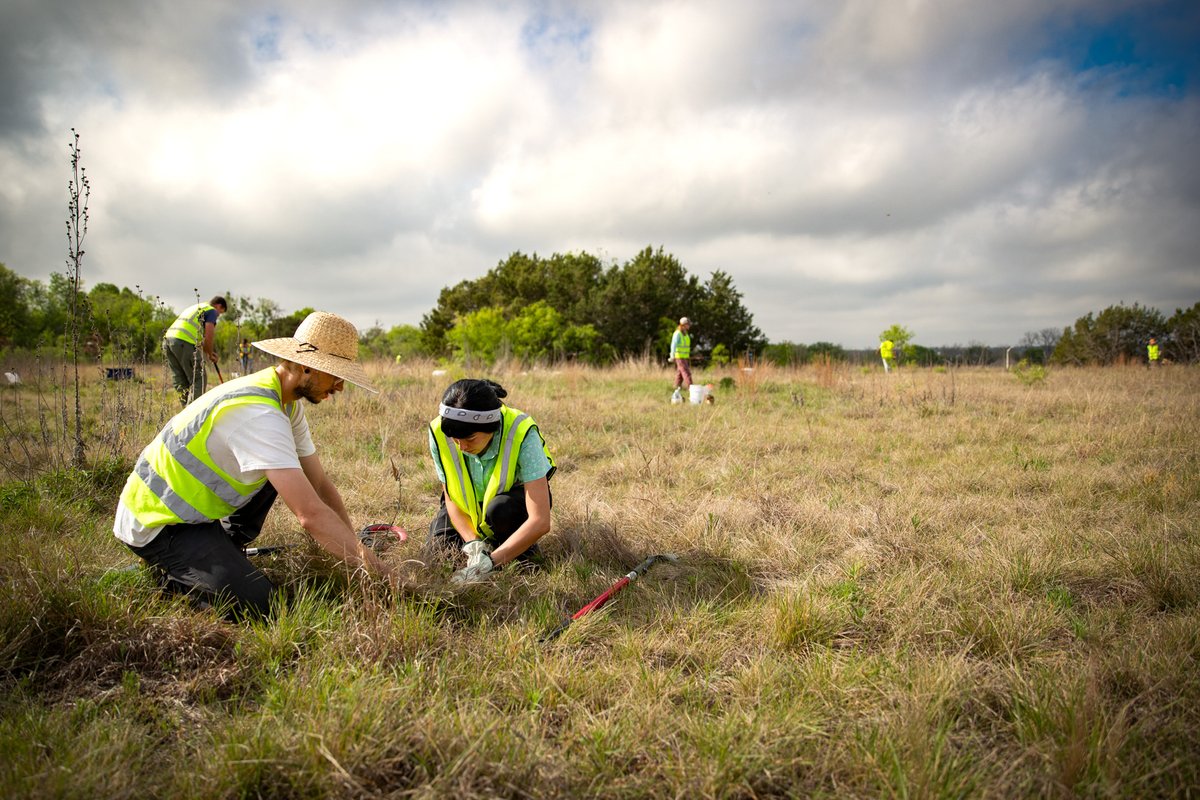
Playa restoration reverses past modifications to playas by removing accumulated sediment, filling drainage features, redirecting water back into the playa and planting native vegetative buffers that protect the playa by preventing sediment from reaching the basin.
With help from the Texas Playa Conservation Initiative and technical support through USDA Natural Resources Conservation Service (NRCS), Roley restored the playa on his property — fencing it off from cattle grazing, redirecting runoff through a filtration system and managing a native vegetation buffer to protect the clay basin from sediment erosion.
“I’m grateful to Texas Parks and Wildlife and NRCS,” Roley says. “It's been a good deal, and I just want this to continue.”
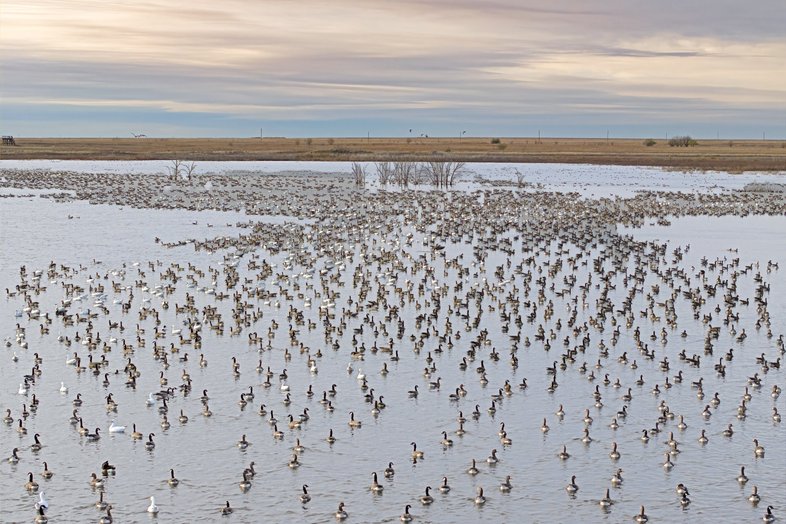
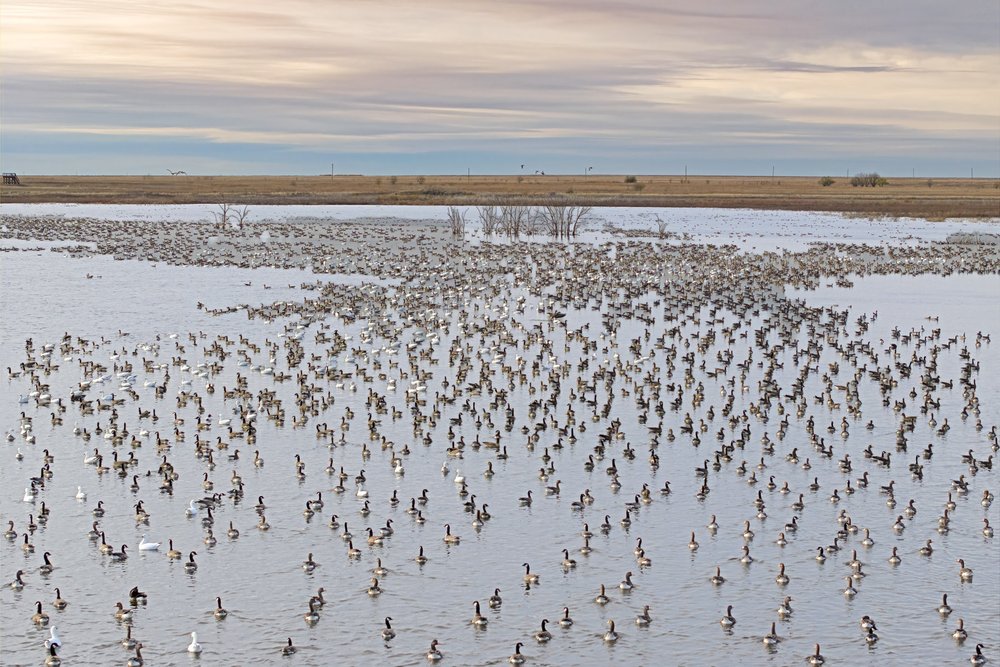
Playa lakes provide habitat for wildlife such as migrating geese.
Gary Kramer
Playa lakes provide habitat for wildlife such as migrating geese.
Gary Kramer
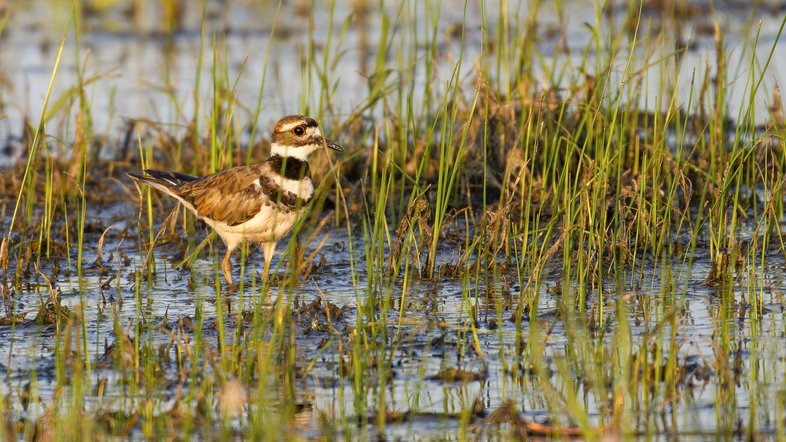
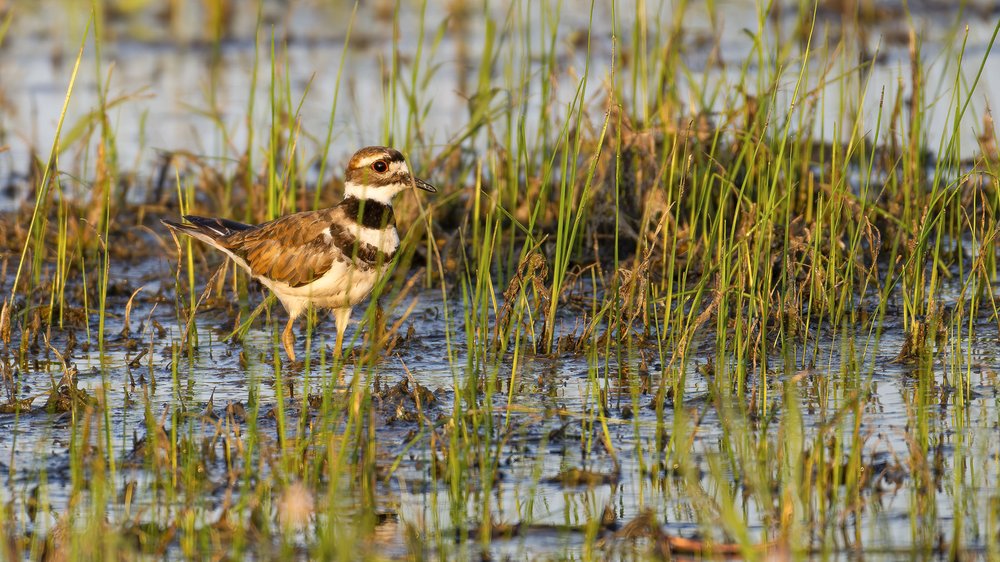
Playas support native birds such as killdeer.
Dillion Jones
Playas support native birds such as killdeer.
Dillion Jones
Recharging the Aquifer
At one time, water recharge for the Ogallala Aquifer was thought to be impossible. However, scientists now know that healthy playas are a primary source of groundwater recharge, contributing up to 95 percent of water flowing to the aquifer. Recharge rates in playas are 10 to 1,000 times higher than other areas. According to the U.S. Geological Survey, the average recharge rate across the playa region is about three inches per year — that’s three inches of water the size of the playa moving toward the aquifer each year.
“Playas are one of the only, if not the only, vectors to recharge the Ogallala Aquifer on top of the Caprock,” Johnson says.
Playas have an unpredictable and rapidly changing wet-dry cycle, which is essential to how they work. No matter the amount of water — whether dry, moist, saturated or flooded — playas are always working. Since they depend on rainstorms to fill with water, it is not uncommon for a playa to be dry for long periods, years even, or to be wet several times during a growing season. “There’s a common misconception that a playa should be wet year-round or frequently. That’s not necessarily the case,” Johnson explains. “Wet and dry cycles are very important.”
When dry, the clay soil in the playa basin contracts and forms large cracks. When the clay becomes saturated, the cracks close, allowing the playa to hold water. Even when the clay basin is sealed, water continues its journey toward the aquifer through the clay along roots and other small channels as well as through the soil around the playa perimeter.
Roley has come to learn that the benefits of playas are still happening even if you can’t necessarily see that progress on the landscape.
“I knew what a playa did, but I didn’t really know how effective it would be,” Roley admits. “You don’t understand how much it’s going to rain. You don’t understand how long it takes exactly, but it does work.”
While recharge occurs slowly — sometimes decades to centuries, depending on the depth of the aquifer — restoring playas still represents one of the most effective and economical ways to return water to the aquifer.
When it comes to water, Texans face the same multistate challenges seen throughout the Western Great Plains. Prolonged periods of cloudless skies and drought, coupled with impacts from intensified water withdrawals, pose a long-term risk to the aquifer. The Ogallala, the largest aquifer in North America and a crucial source of water for U.S. agriculture, has been in decline for decades, with withdrawals far exceeding recharge. As groundwater levels decline, many towns and communities are searching for solutions to continue providing abundant, clean water for future generations.
Often overlooked or underappreciated, playas, when healthy, can provide a sustainable water source for communities and rain-fed operations, as well as water filtration. Roley’s dedication to conservation earned him the 2025 Lone Star Land Steward Ecoregion Award from TPWD. By restoring his playa, Roley recognized the vital role playas play in replenishing groundwater, and he hopes that his story will spark other landowners in the surrounding communities to do their part.
“You need to share your story, and that’s what I’m trying to do. I think it’s important for water and for our future,” Roley says. “I just think what I did was on a very small scale. But if everybody does it, it’ll be a big deal. I can’t imagine living out here without water.”
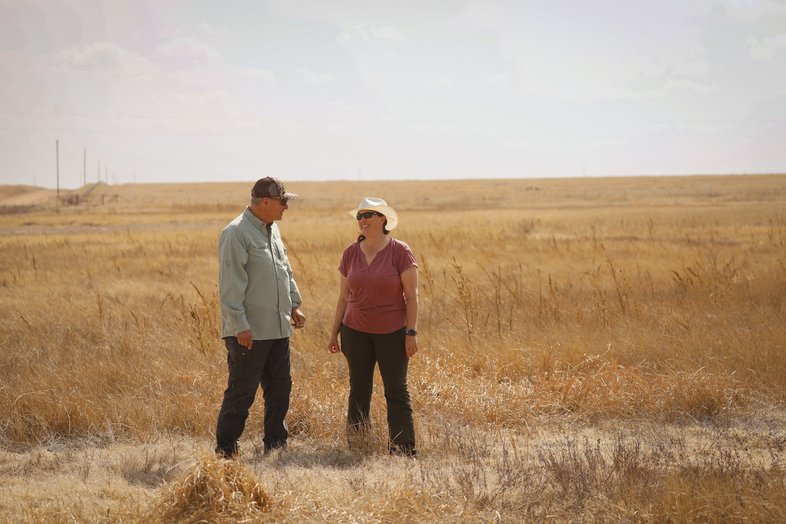
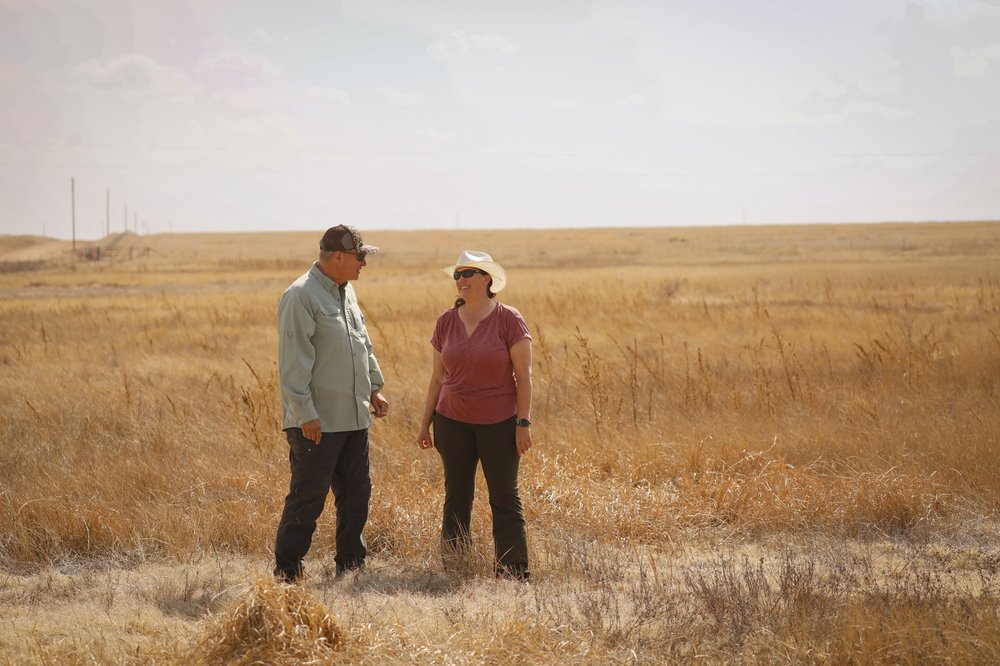
John Roley of Little Las Vegas Ranch and Heather Johnson of TPWD worked together on restoring playas on his land.
Joseph Richards
John Roley of Little Las Vegas Ranch and Heather Johnson of TPWD worked together on restoring playas on his land.
Joseph Richards
Playas Helping Communities
That sentiment was also a central theme of the Conference on Community Water held in Hereford in February. Nearby community members, landowners, producers, industry leaders, city officials and water experts gathered to explore long-term solutions for improving water quantity and quality, supporting land and protecting resources for the next generation.
Within 10 miles of the City of Hereford, there are 125 playas that can potentially be restored. If all playas within this area are restored, they could potentially provide over 322 million gallons of recharge to the aquifer annually. The highest density of playas throughout the Western Great Plains exists within the Texas Panhandle.
“Hereford and the surrounding communities rely on a clean, dependable water source, and restored playa lakes are a big part of that solution,” says Tavin Dotson, Texas playa biologist for Ducks Unlimited. “When playas are functioning the way they should, they quietly do a lot of work for our water supply. Restoring them gives the region a practical, locally driven way to protect their water future.”
Pairing playa restoration with efforts to reduce aquifer overuse, such as through irrigation efficiency and other methods, can have long-term benefits for communities. Once water use has been reduced, restored playas can provide a sustainable source of future water and provide critically important habitat for wildlife species.
“We’ve seen interest in playa restoration grow in recent years as communities continue to look for solutions to secure future water,” says Lily Abromeit, Tomorrow’s Water coordinator with Playa Lakes Joint Venture. Tomorrow’s Water is a multistate, multipartner effort to support playa restoration around communities over the Ogallala Aquifer and includes team members from several organizations based in Colorado, Kansas, New Mexico, Oklahoma and Texas.
“By reducing aquifer overuse, restoring playas and managing runoff within playa watersheds, communities can ensure a sustainable water supply for communities and future generations,” Abromeit says.