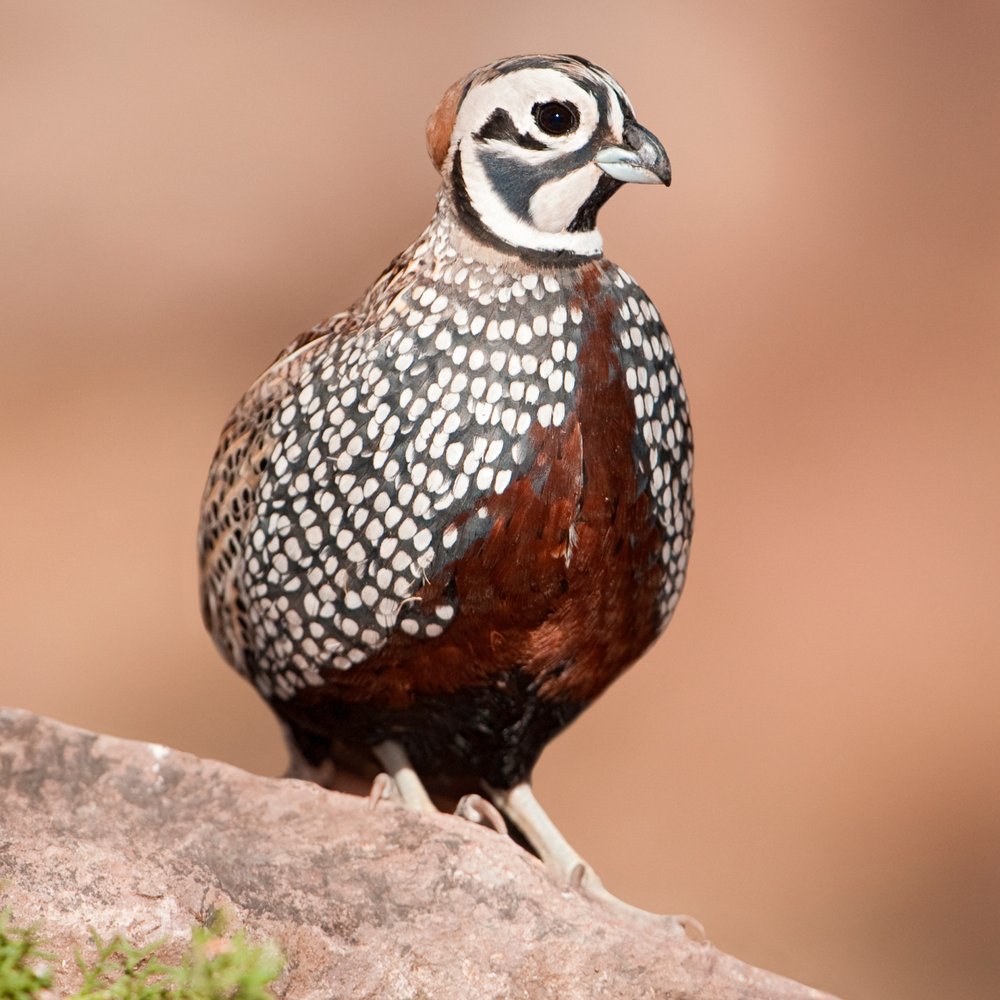
For many Texans, quail hunting is more than just a fall recreational activity. It’s a treasured tradition deeply rooted in the cultural fabric of the state. The northern bobwhite quail is a classic example; it’s often found gracing the Thanksgiving table, placed proudly next to the turkey.
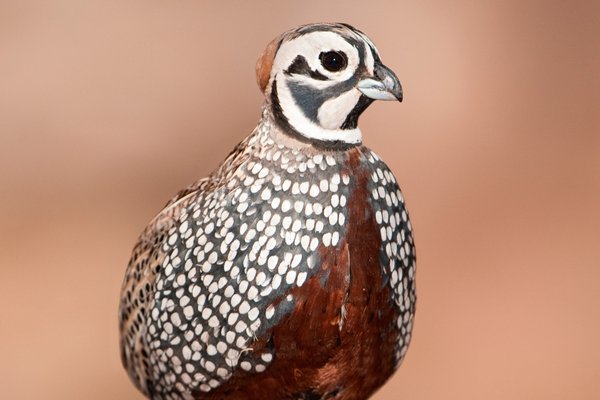
However, nestled in both the mesquite brushlands of the South Texas Plains and the grassy woodlands of the Edwards Plateau are two fragile species that often go unnoticed: the Montezuma quail and the chestnut-bellied scaled quail.
Conservationists from the Texas Parks and Wildlife Department, along with partners from Texas A&M University Kingsville and Purdue University have observed a disturbing decline in both populations.
These species naturally fluctuate in number, but recent data shows a sudden drop followed by an unusually low plateau — a troubling sign for long-term stability.
“These are highly charismatic species of Texas, and yet they’ve started to flatline,” says John McLaughlin, a wildlife biologist with TPWD. “There’s been a lot of focus on wildlife-friendly management practices for common animals like bobwhites and deer, but those techniques can negatively impact more complex, native ecosystem communities that these quails need to thrive.”
That’s where TPWD comes in. Grassroots initiatives began in the early 2000s, but these days scientists are expanding beyond local boundaries.
To encompass the Montezuma quail’s entire range, which stretches into central Mexico, researchers are using genetic sampling techniques to understand population structure and health. Meanwhile, chestnut-bellied scaled quail projects zeroed in on eliminating ecological threats such as invasive grasses that limit forage cover.
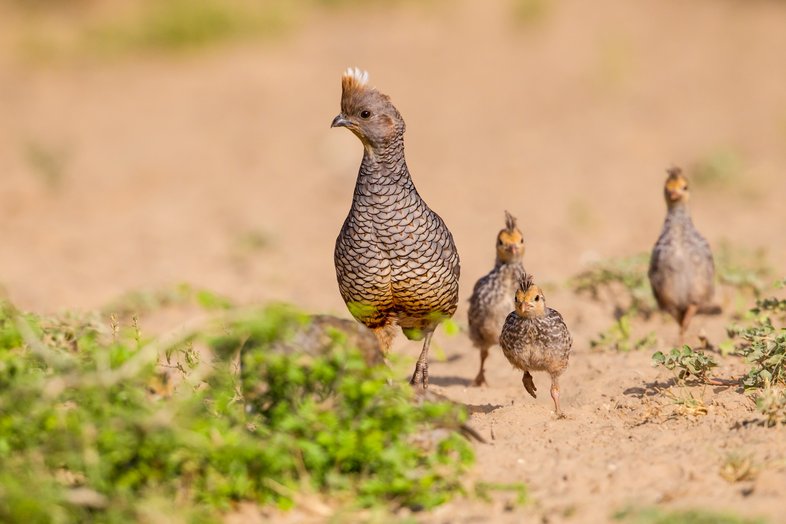
Conservation strategies focus on habitat management for the chestnut-bellied scaled quail, a bird that is intricately linked with the unique thornscrub ecosystem in South Texas.
KAC Productions
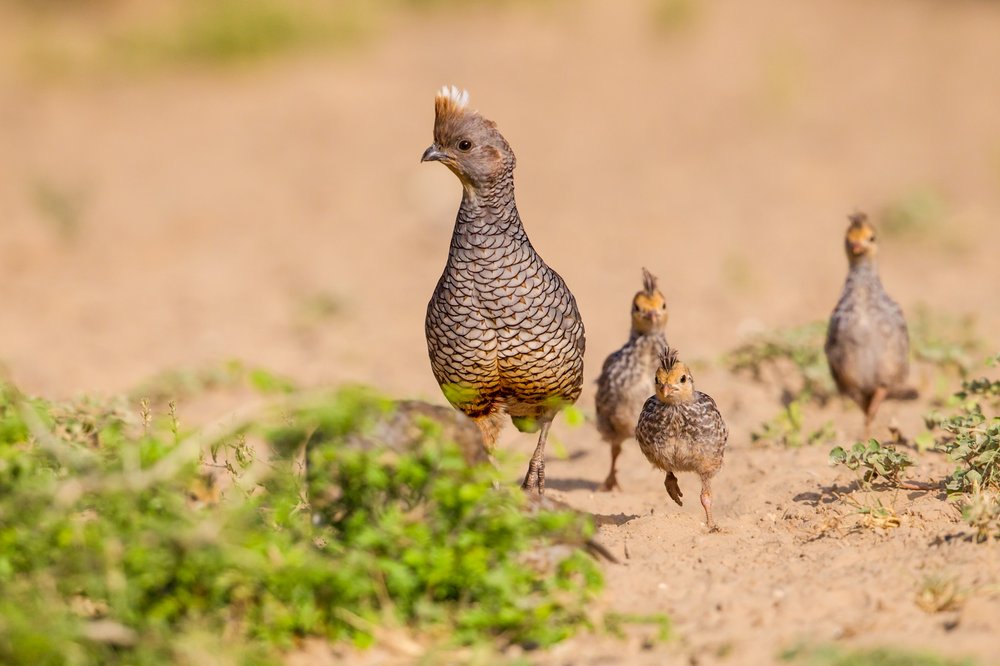
Conservation strategies focus on habitat management for the chestnut-bellied scaled quail, a bird that is intricately linked with the unique thornscrub ecosystem in South Texas.
KAC Productions
“These birds are part of a much larger ecosystem, supporting dozens of other species,” explains McLaughlin. “When we think about the importance of this region and not just these unseen quails, but birds in general, it’s huge.”
Genetic Diversity
Montezuma quails are known for their secretive nature. They prefer a diverse mix of native grasses and shrub species that offer suitable nesting cover, and their range includes southern Texas and most of Mexico.
They often stay close to dense cover, where they dig with elongated toes to uncover nutrient-rich tubers, or thick, underground stems that look like a potato or an onion. This behavior is an essential part of their foraging strategy.
While restoring shrubland habitat remains a cornerstone of this small critter’s conservation, genetic degradation may be a prominent factor in their dwindling numbers. Populations of any species with reduced genetic diversity can face extinction risk because they lose access to “raw material,” or genetic codes that form new genes, and find it harder to adapt to changing environments. Lower variation in traits, like heat tolerance or disease resistance, means fewer adaptations overall.
Scientists can help combat a lack of genetic diversity through gene
mapping, a technique used to determine the specific location of a gene along an organism’s chromosomes. Once a genetic blueprint is created, wildlife biologists can directly observe why specific adaptations are or are not present.
“The aim was to map their entire genetic structure to better understand how populations are connected or isolated,” says McLaughlin. “We collected about 200 samples from central Mexico up to the Texas Hill Country and matched them to identify which populations are most compatible for potential genetic rescue or translocation efforts.”
This project could one day bolster declining Montezuma quail populations by taking the most genetically diverse groups and reintroducing them to affected areas in Texas — effectively spreading more genes.
“Any genetic rescue or translocation is probably about 10 years out, but it’s a necessary long-term goal alongside habitat stabilization efforts,” explains McLaughlin.
Habitat Restoration
Unlike the Montezuma quail, conservation strategies for the chestnut-bellied scaled quail are focused on habitat management.
“This species is intricately linked to the unique Tamaulipan thornscrub communities that define South Texas habitats,” says Patrick Schutz, a wildlife biologist with TPWD. “When these systems are simplified or invaded by non-native grasses, it impacts their ability to nest and forage effectively.”
For example, invasive bluestem grasses have turned once-diverse landscapes of blackjack oak, acacia trees and mesquite into homogenous grasslands with little to no foraging cover.
Chestnut-bellied scaled quails rely on cover for safe movement across habitats. Without it, they may be confined to fragmented areas — further limiting their ability to find food and evade predators, such as a Cooper’s hawk.
“When that land is cleared, native plant species are not going to come back; they’ll be overrun,” says Schutz. “That’s why it’s important to preserve old-growth thornscrub as much as possible.”
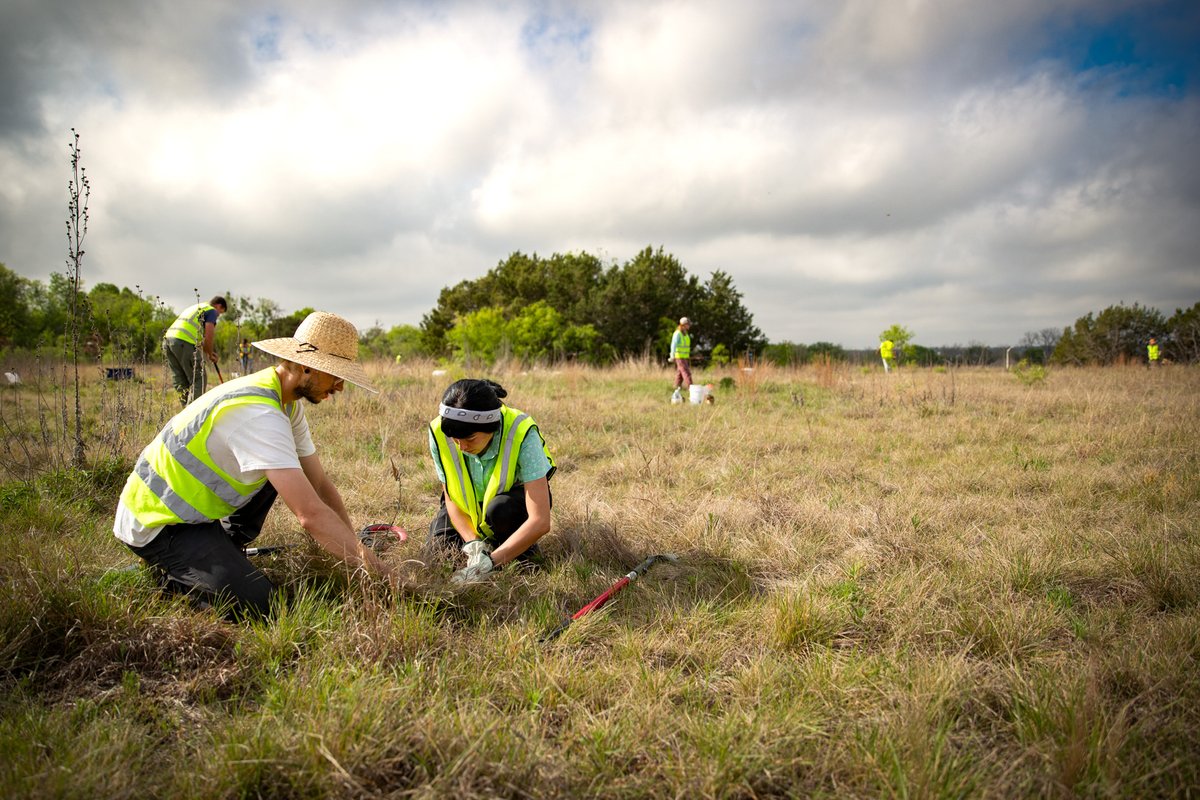
TPWD conservationists are steadily monitoring chestnut-bellied scaled quail populations and movement patterns through trapping, while also collaborating with private landowners to restore isolated sections of dwindling thornscrub. This will ensure the quails can travel freely between resource-rich pockets of land otherwise closed off.
Gathering data can also ensure conservation efforts remain scientifically grounded and resilient in the face of future environmental changes, including climate variability or expanding urbanization.
“Texas is a private land state,” says Schutz. “The protection of old growth and the monitoring of population numbers by individuals is critical for supporting many bird species, not just quail — and I think our research efforts and education initiatives are showing good progress. But we will continue to focus on those key habitats and ensure their connectivity.”