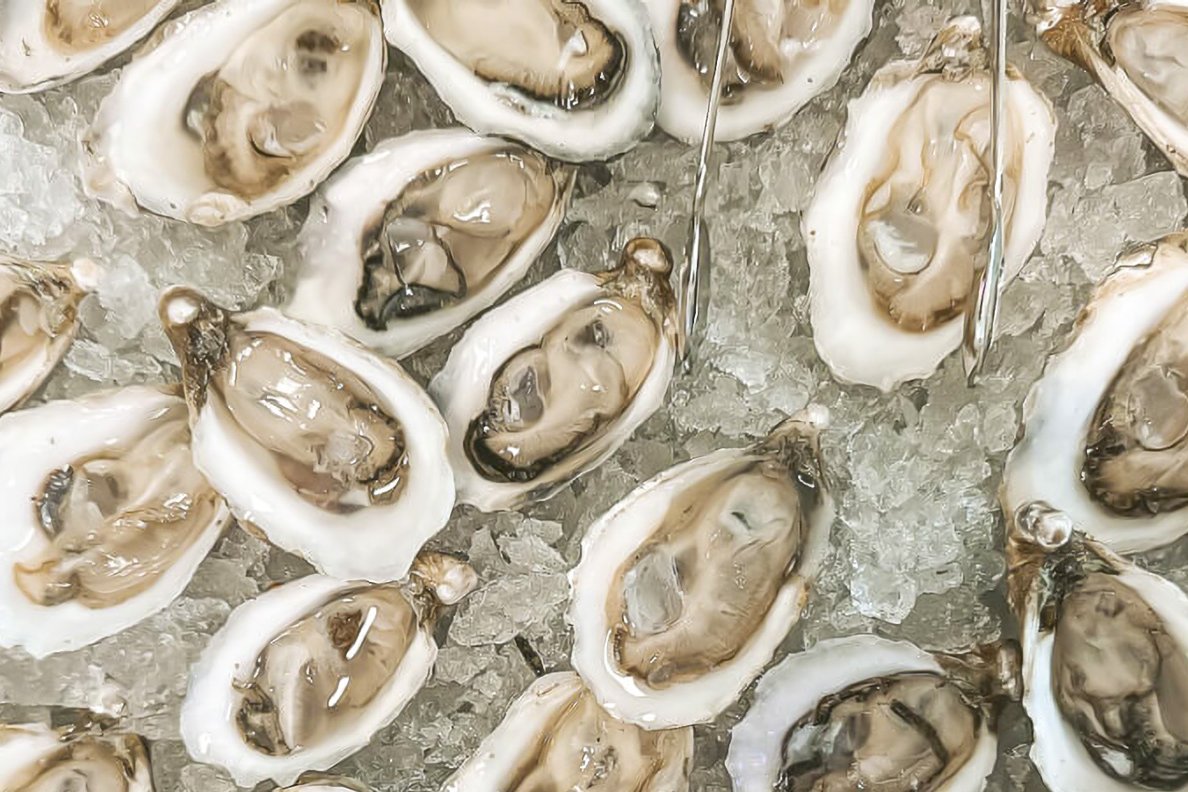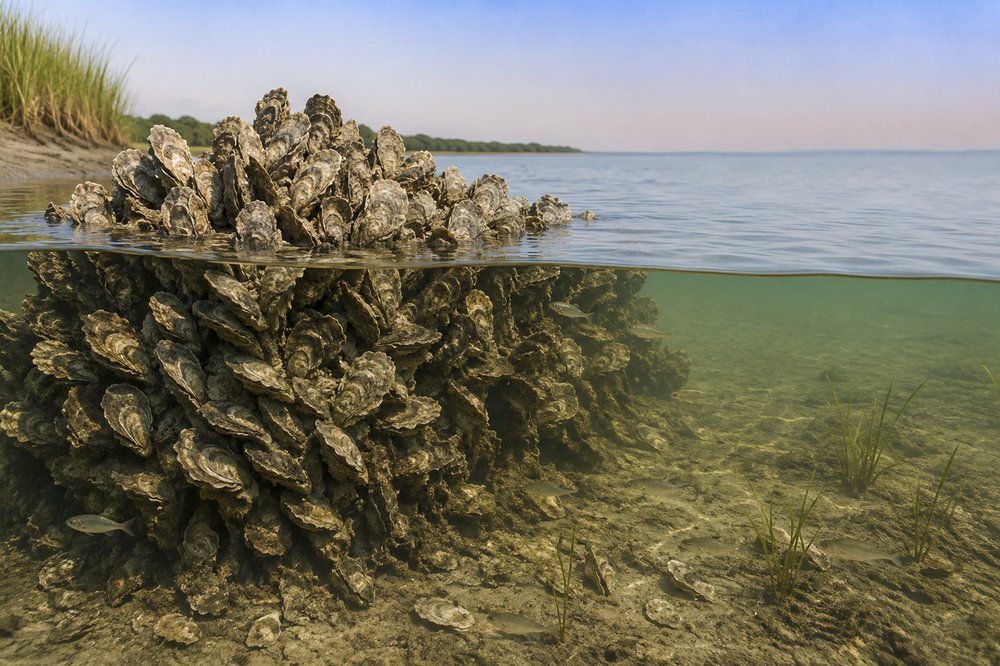
Beyond their culinary appeal, oysters are among the Gulf Coast’s most important ecosystem engineers. Their reefs provide habitat for fish, shrimp, crabs and countless other aquatic species. A healthy adult oyster can filter up to 50 gallons of water a day while helping stabilize shorelines and improving water quality.
“As goes the oyster, goes the bay,” says Grahame Jones, executive director of the Texas Conservation Alliance and chairman of the Texas Parks and Wildlife Department’s Oyster Advisory Committee.
Today, Texas has lost more than half of its historic oyster reefs as hurricanes, floods, drought, disease and decades of harvest pressure have taken their toll. “There’s no silver bullet,” says Dakus Geeslin, deputy director of TPWD’s Coastal Fisheries. “It’s going to take a portfolio of management strategies.”
One of the newest tools in that portfolio is the S. Reed Morian Oyster Buyback Program, a public-private partnership between TPWD and Texas Parks and Wildlife Foundation (TPWF) designed to reduce harvest pressure on wild oyster reefs while creating a more sustainable future for the commercial fishery.
The program honors the late S. Reed Morian, former chairman of the Texas Parks and Wildlife Commission, whose passion for the Texas coast and ability to bring people together helped shape modern oyster conservation.
For years, Texas has worked to reduce pressure on wild oyster reefs through restoration projects, harvest regulations and other management tools. The oyster license buyback program, authorized in 2017, at first generated little participation.
That changed in 2025. With support from TPWF donors including key funders Laurie and S. Reed Morian Foundation and the Coastal Conservation Association, TPWD offered commercial license holders a fixed payment of $30,000 per license, replacing the reverse-bid process used in previous rounds. The response exceeded expectations. TPWD retired 112 commercial oyster licenses in the first round and another 46 in the second, removing nearly 30 percent of the state’s commercial oyster fleet.
Every license retired represents one less boat competing for oysters on Texas’ public reefs, giving them a better chance to recover.
“When you make a direct offer, these guys know exactly what they can get for it,” says Justin Woody, who runs one of the state’s most successful oyster operations on Galveston Bay and is a member of TPWD’s Oyster Advisory Committee. “It’s not a guess.”
Jones credits TPWF with bringing together commercial oystermen, recreational anglers, conservation organizations, private donors and TPWD around a common goal.
“There seems to be a lot of unity,” Jones says of the effort at large. “I can’t remember it ever being as unified as it is now. It’s the most successful oyster license buyback program in the history of the U.S., as far as that period of time goes.”
The buyback is only one piece of a broader conservation strategy. TPWD continues restoring oyster reefs; expanding opportunities for private oyster cultivation through Certificates of Location, which allow growers to cultivate oysters on designated bay bottom; encouraging oyster mariculture; and adapting harvest management as conditions change. Together, these complementary strategies are designed to rebuild healthy reefs while sustaining a viable commercial fishery.
Commercial oystermen, state fisheries managers and conservation organizations — groups that have not always agreed — are increasingly working toward the same goal: healthy bays capable of supporting both oysters and the families who depend on them.
For Woody, success won't be measured by the oysters he harvests, but by what he leaves behind.
“I’m hoping that when I leave it, there’s still opportunity,” he says, “and that the next generation has the chance to make a life on the water, just like I did.”