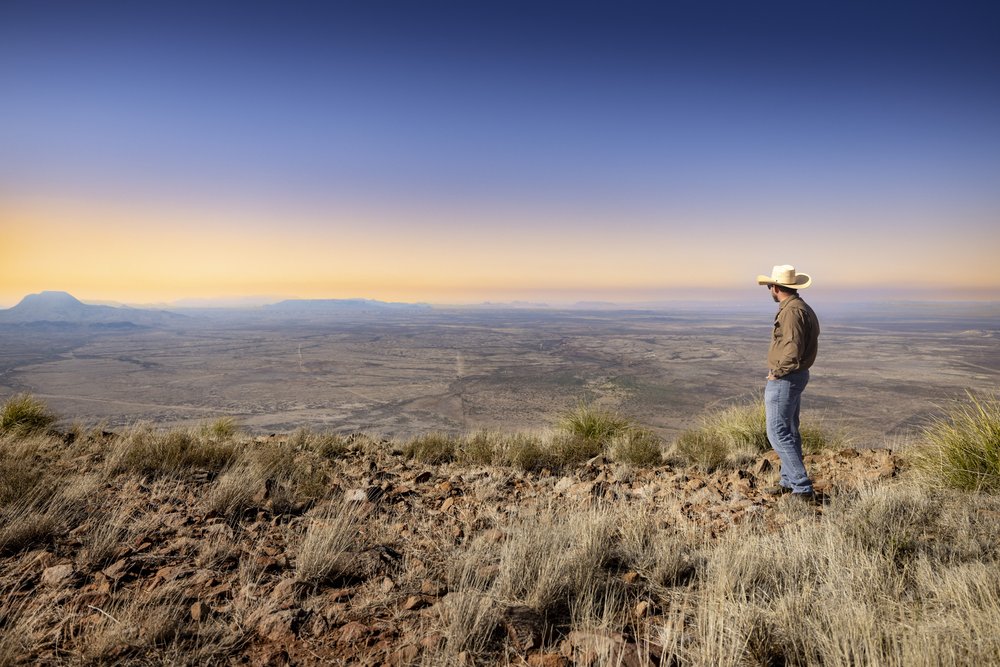
Standing proud south of Alpine, Elephant Mountain rises nearly 2,000 feet above the Chihuahuan Desert floor and more than a mile above sea level. The flat, 3.4-square-mile top of the mesa provides a refuge for wildlife. Elephant Mountain is known as a “sky island” — an isolated mountain ecosystem where elevation gives way to cooler temperatures, lusher vegetation and an abundance of wildlife.
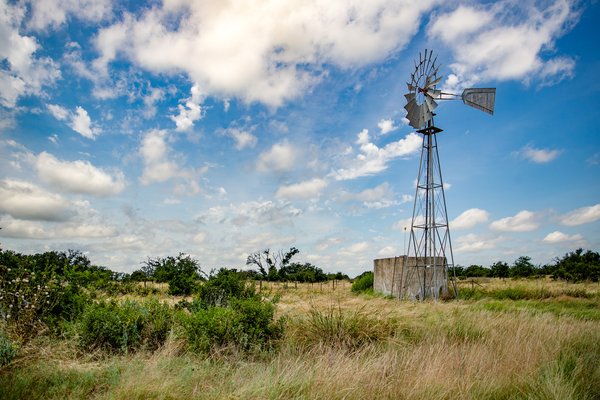
At the property’s lowest elevations, creosote flats and rocky, dry creekbeds cover the desert floor, stretching for miles in every direction. Above, steep slopes are dotted with oak, mountain mahogany and juniper. Climb higher still, and the landscape changes again, opening into grasslands.
At Elephant Mountain Wildlife Management Area, the 23,000-acre Texas Parks and Wildlife Department property that encompasses the entire mountain, visitors can see the full scope of this ecosystem in one place — a rare opportunity on public land in Texas.
“It’s not an area where you’re going to run into anybody else,” says Cody McEntire, the WMA’s wildlife biologist. “It’s kind of that nice feeling of being away and being connected to the outdoors.”
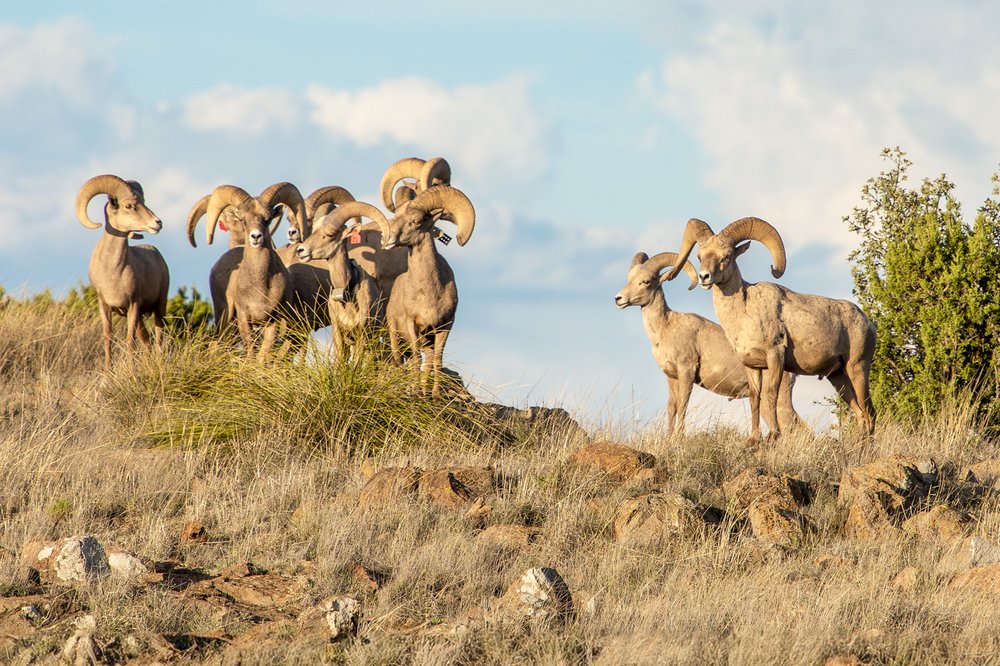
Though you won’t find elephants here, another keystone species makes its home on the steep slopes of this magnificent West Texas destination. Once extirpated from the Lone Star State, desert bighorn sheep have made a comeback with the help of decades-long reintroduction efforts. Elephant Mountain now serves as a stronghold for the species — it’s the home of 150-200 hundred bighorns and has served as a source for new reintroductions at Franklin Mountains State Park in El Paso and other mountain ranges in far West Texas.
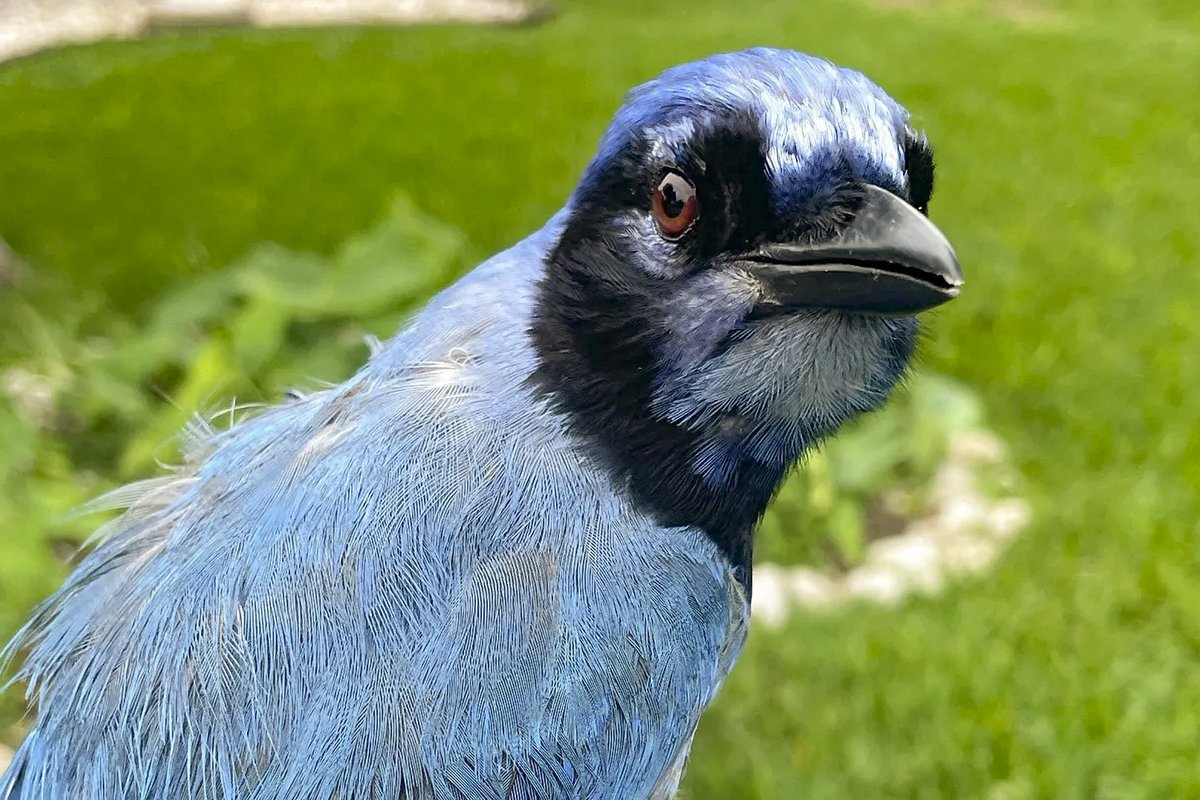
In addition to bighorn sheep, an abundance of other wildlife can be found on the WMA. It’s situated along the Central Flyway, an important migratory bird route. Birders regularly visit the property in search of species that are uncommon elsewhere along the Central Flyway. Flycatchers, desert songbirds and other migratory species are drawn to the mountain’s mosaic of habitats as they pass through the region, while year-round residents such as cactus wrens and meadowlarks thrive in the desert landscape.
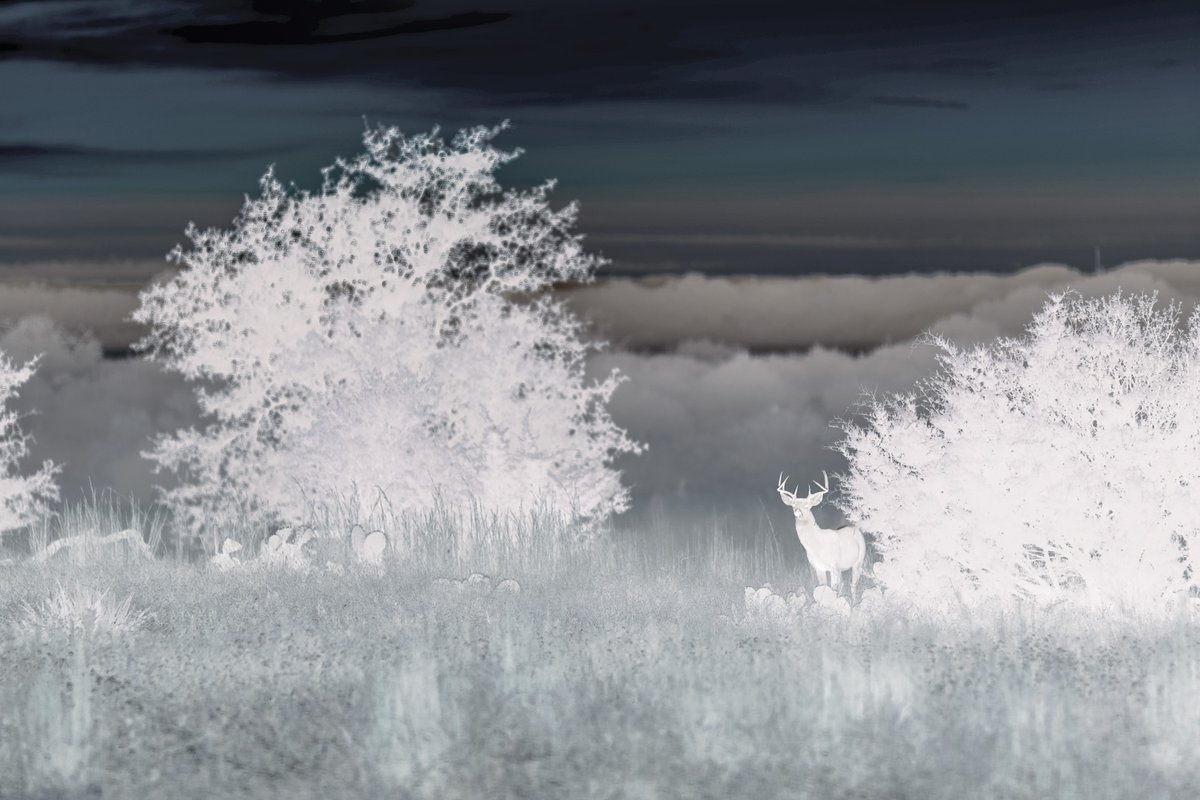
Mammals are equally varied. Visitors may spot mule deer, white-tailed deer, elk, javelinas, mountain lions and even black bears in the Del Norte mountain range, a portion of which is located on the easternmost side of the WMA. Reptiles abound as well, from Texas horned lizards to several species of rattlesnakes and nonvenomous snakes that make their home in nooks along the rocky slopes.
While Elephant Mountain WMA welcomes visitors for recreation, research is at the core of the property’s purpose. Researchers are currently studying carrying capacities of large fauna on the property, interactions between bighorn sheep and mule deer and the optimal timing of animal relocation events.
Unlike more heavily visited destinations, Elephant Mountain offers room to roam. There are no developed hiking trails winding through the backcountry and few crowds to interrupt the silence. Visitors are free to explore much of the landscape on foot, following old roads or wildlife trails through country where solitude is often the greatest reward.
That’s what McEntire loves most about the WMA. From his favorite vantage point on the property, looking south, he can see Big Bend National Park on the horizon, with the Chinati Mountains visible in the distance.
“It’s just one of those big, grand views that lets you know how small we are in this big country,” McEntire says.
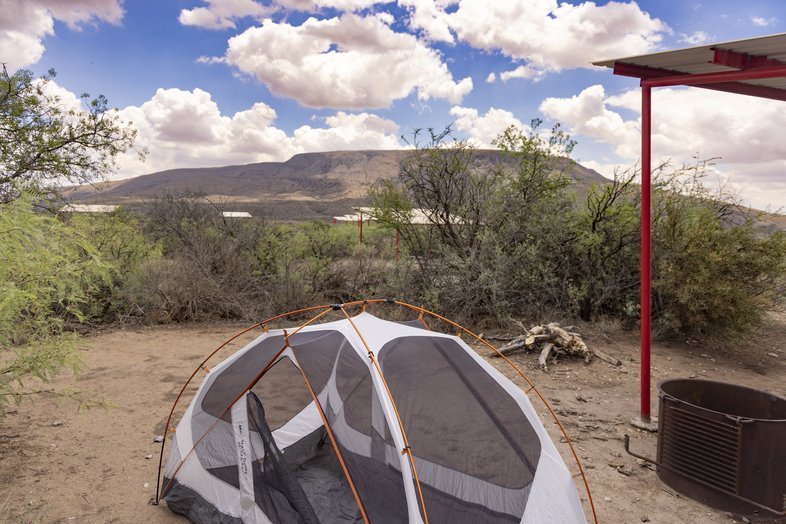
Camping at Elephant Mountain.
Sonja Sommerfeld
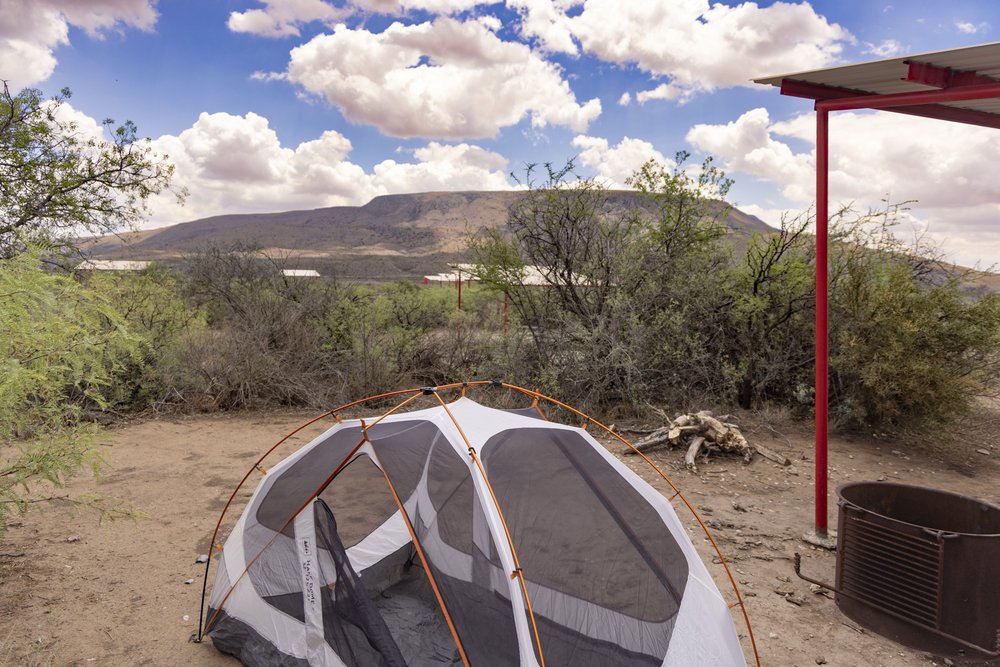
Camping at Elephant Mountain.
Sonja Sommerfeld
What to Do
Camping: Thirteen primitive campsites offer a quiet alternative for visitors exploring the Big Bend region. Each site includes basic amenities, making Elephant Mountain a peaceful base camp for hiking, wildlife viewing and photography. Campsites are first-come, first-served and offer picnic shelters, fire rings and a composting toilet. There is no electricity, and available water is not potable, so visitors should bring everything they need for a remote stay. Cell service is limited.
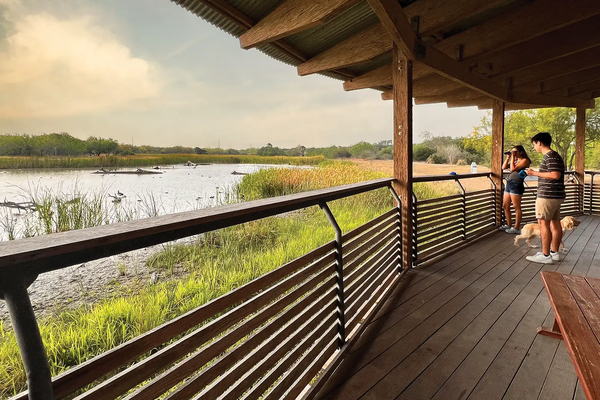
Wildlife viewing: A wildlife observation blind, constructed by the Texas Bighorn Society, overlooks a spring frequented by desert bighorn sheep, mule deer and other wildlife (open April 1 to Aug. 31). Visitors familiar with spotting sheep often have a good chance of seeing them from the blind, while javelinas, elk, jackrabbits and a variety of desert birds may also make an appearance
Hiking: Hiking and biking are permitted on approximately 30 miles of public access roads on the WMA. In addition to using the roads, visitors can walk off trail. McEntire recommends checking out the Del Norte mountain range. However, take care to avoid the slopes and top of Elephant Mountain itself, which is off-limits to general visitation to avoid disturbing resident bighorn sheep.
Hunting: Public hunting opportunities include walk-in dove and quail hunts through the Annual Public Hunting Permit, as well as drawn hunts for mule deer, javelina, desert bighorn sheep and, beginning last year, a guided elk hunt.
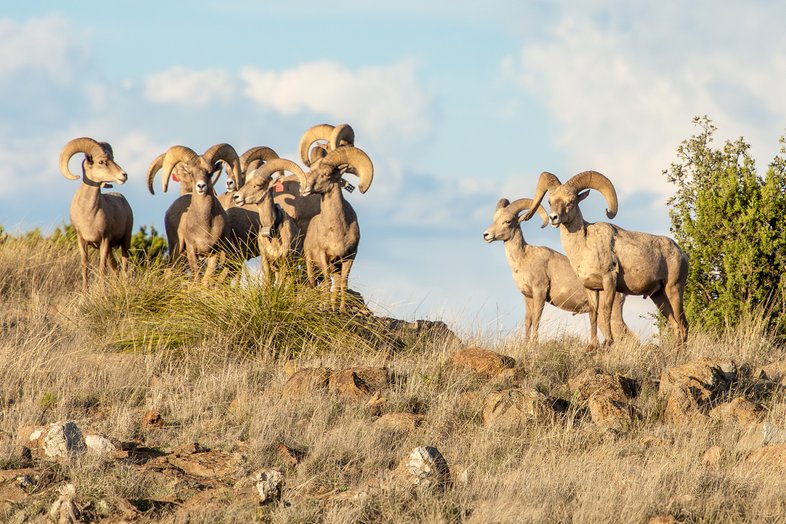
Elephant Mountain contains a herd of bighorn sheep.
Chase Fountain
Elephant Mountain contains a herd of bighorn sheep.
Chase Fountain