“Out here, you are a part of something bigger than yourself,” says Ryan Reitz, project leader of the Kerr Wildlife Management Area.
He’s been doing research here for over 15 years. His passion for conservation is inspiring.
“We are paid to learn. That’s our whole goal — learn and share,” Reitz says. “We each contribute small steps into decades and decades of work. It’s interesting and rewarding to think about where we’re at today, what role we played in that, and how our research will help in 30 years.”
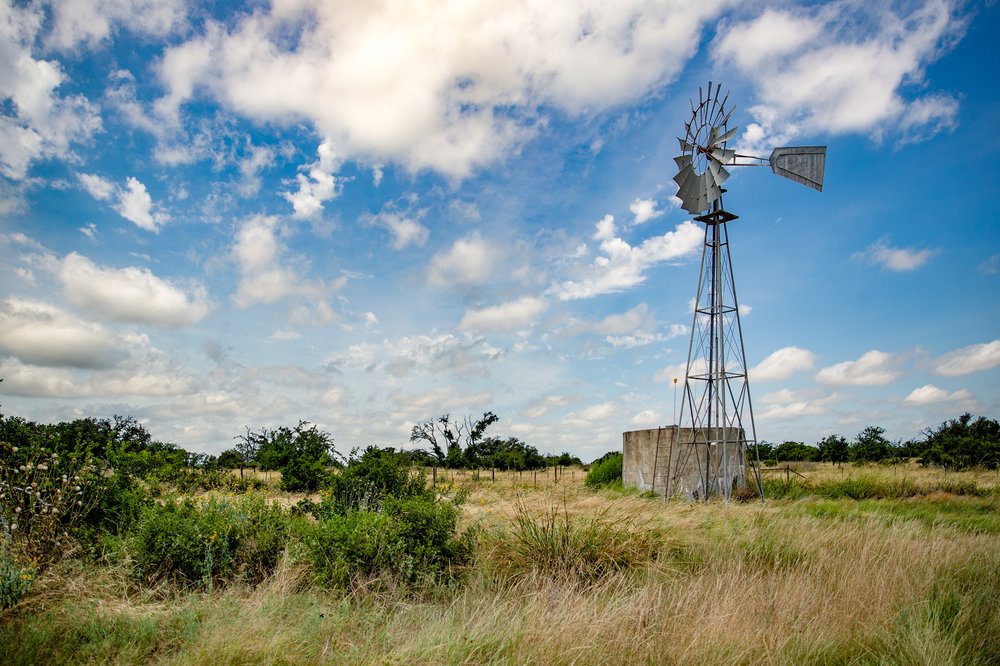
Kerr Wildlife Management Area, or “The Kerr,” specializes in land and wildlife management, contributing to the understanding and management of species such as white-tailed deer. The Kerr is classic Hill Country — oak and juniper woodlands scattered along limestone-covered hills. One of the oldest WMAs, research began at the Kerr in the 1950s. The WMA’s main mission is to conduct wildlife studies in a controlled environment and demonstrate those practices to landowners and resource managers. According to Reitz, it’s like a living laboratory.
See the Kerr WMA come to life, courtesy of Cory Ames
“So much research used in management today started at the Kerr. Very basic things, like food habit studies,” Reitz explains. “What do deer eat? How do other animals compete for food with a white-tailed deer? Many studies are done here and have been replicated in many other places.”
The research gives staff at the Kerr an understanding of how to manage land to keep wildlife healthy and productive. Biologists continue their deer research today along with many other projects — prescribed burning, feral pig control and drone technology for wildlife surveys.
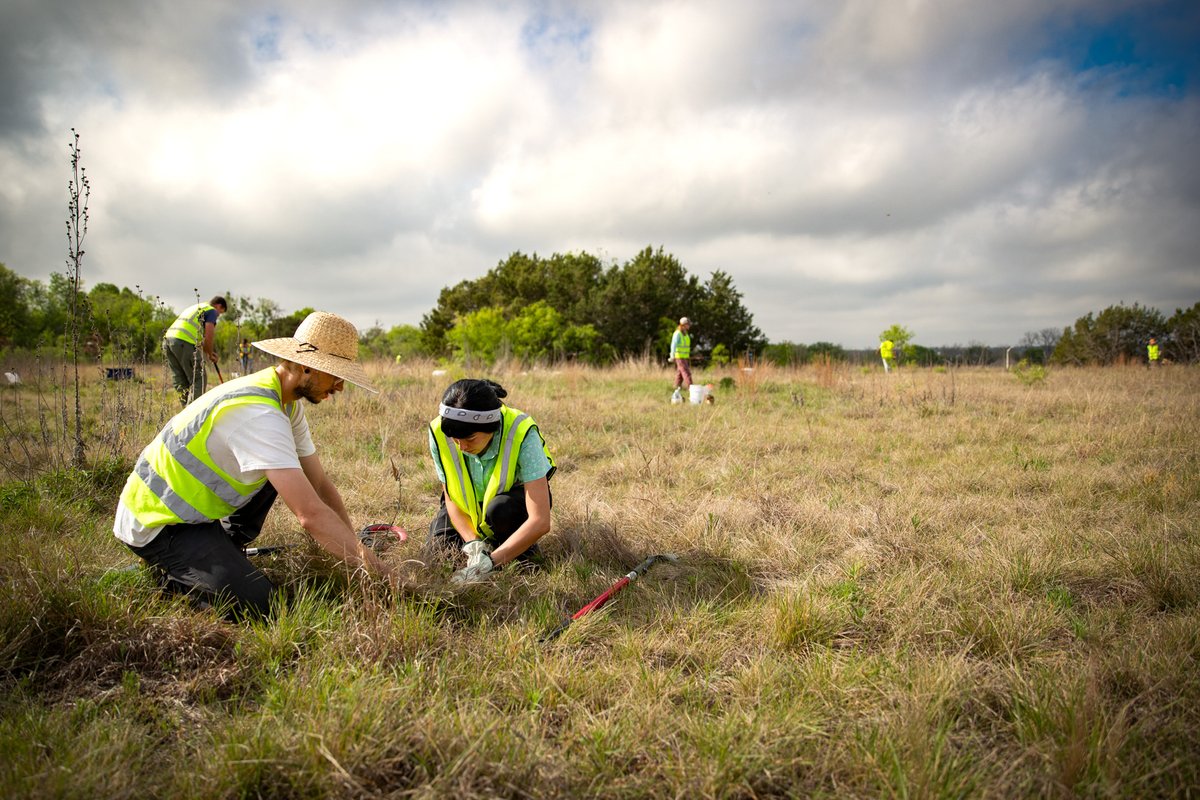
The Kerr is a learning facility for not only the staff that work there, but for different communities in Texas as well. Throughout the year, the WMA hosts educational programs and seminars for groups focused on learning about everything from monarch butterflies to big game species management.
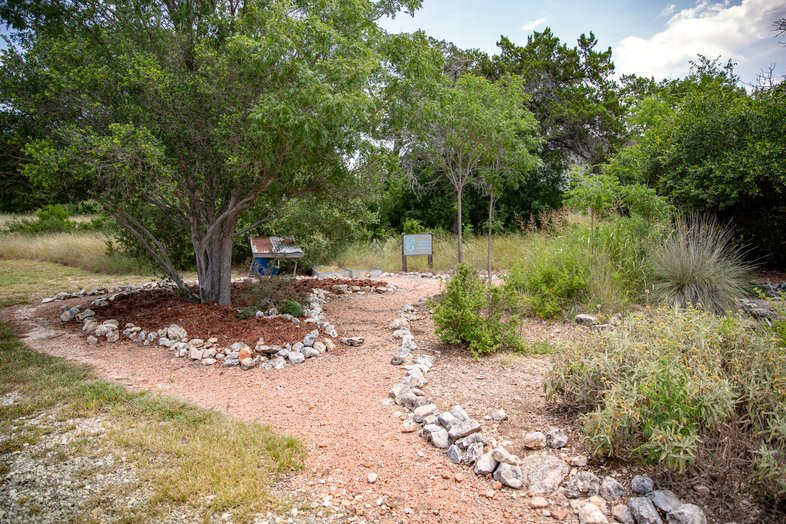
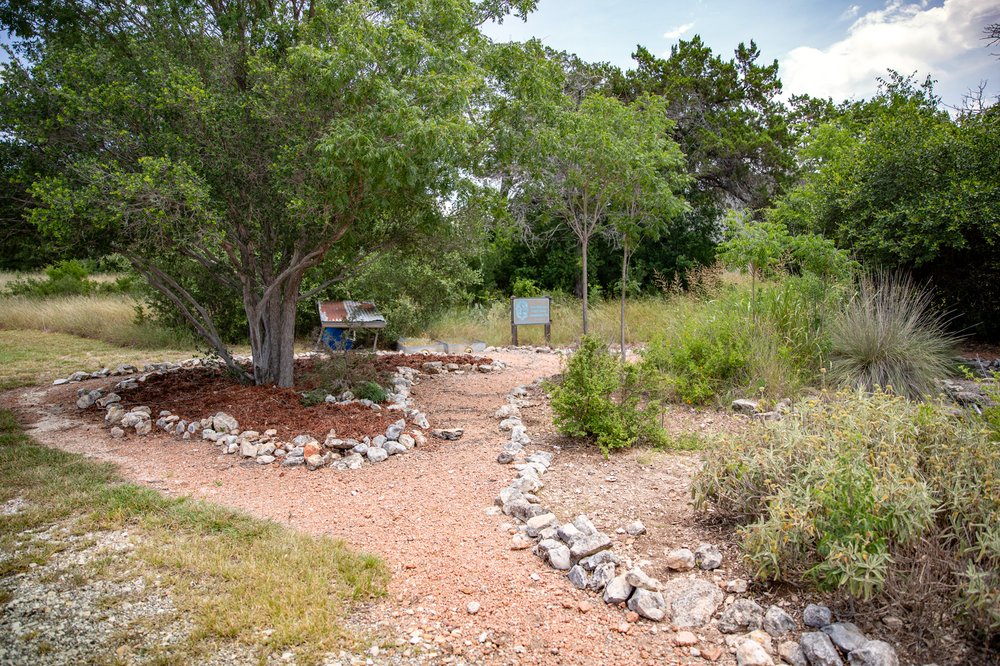
A wildlife habitat demonstration site showcases native plants.
Maegan Lanham
A wildlife habitat demonstration site showcases native plants.
Maegan Lanham
“The key component to outreach here is that healthy land equals healthy wildlife,” Reitz says. “We can talk about birds, monarchs or raising trophy bucks. Folks come out here to learn about the genetics and nutrition work we have done in the research facility, and present studies for solutions in chronic wasting disease. They can experience all of this — we get deer nerdy around here.”
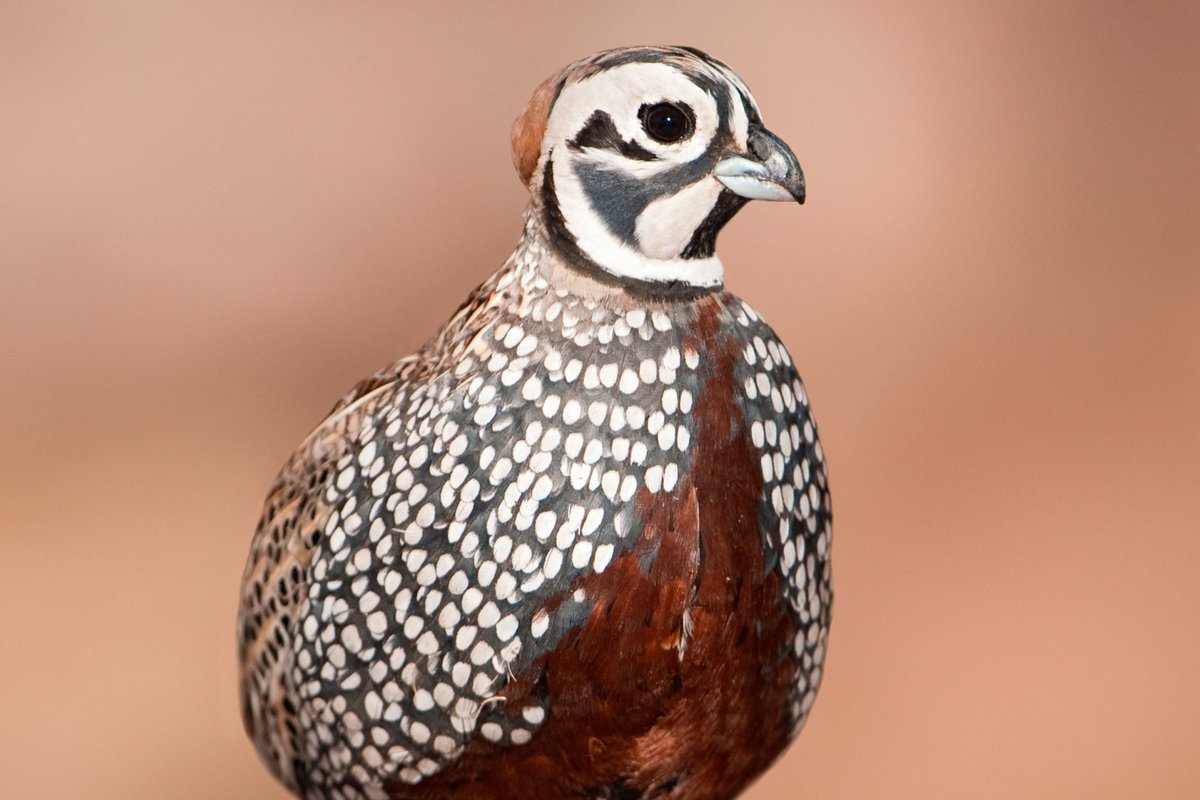
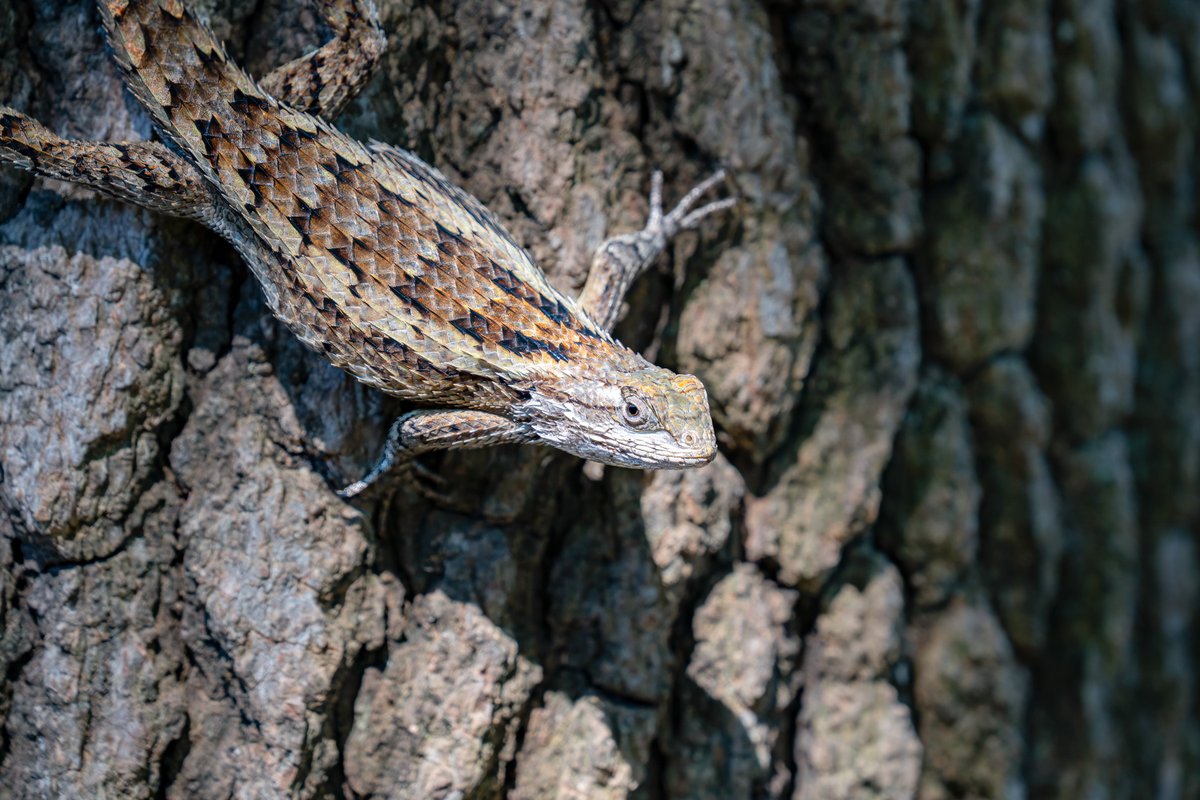
Many wildlife species call the Kerr home, including bobwhite quail, javelina, mourning dove, fox squirrel, bobcat and armadillo. Many reptiles and migratory birds can also be found within the almost 6,500 acres of land. Birders come to see the endangered golden-cheeked warbler and the recently de-listed black-capped vireo.
Hunting is another popular activity at the Kerr, with drawn white-tailed deer hunts offered in the fall and winter, and wild turkey hunts in the spring. Public hunts contribute to keeping the land and wildlife healthy, and are used as a tool to control populations and improve the overall health of deer on the land.
Overall, staff at the Kerr want to instill in visitors how important land health is, not only to wildlife, but to humans as well.
“To learn about land health is pretty special,” Reitz says. “What it takes to improve and maintain land health is important because it affects our water, our rivers, everything from game species to nongame species. It’s relevant to everything in conservation, from little birds to snakes, lizards and white-tailed deer.”