Biologist Howard Crenshaw has long prided himself on his ability to identify plants. He competed in collegiate plant ID competitions and now serves as a judge at plant ID contests. “That’s always been one of my passions,” he says. “I guess some people might call me a plant nerd, but I don’t know. We all have our things that make us smile.”
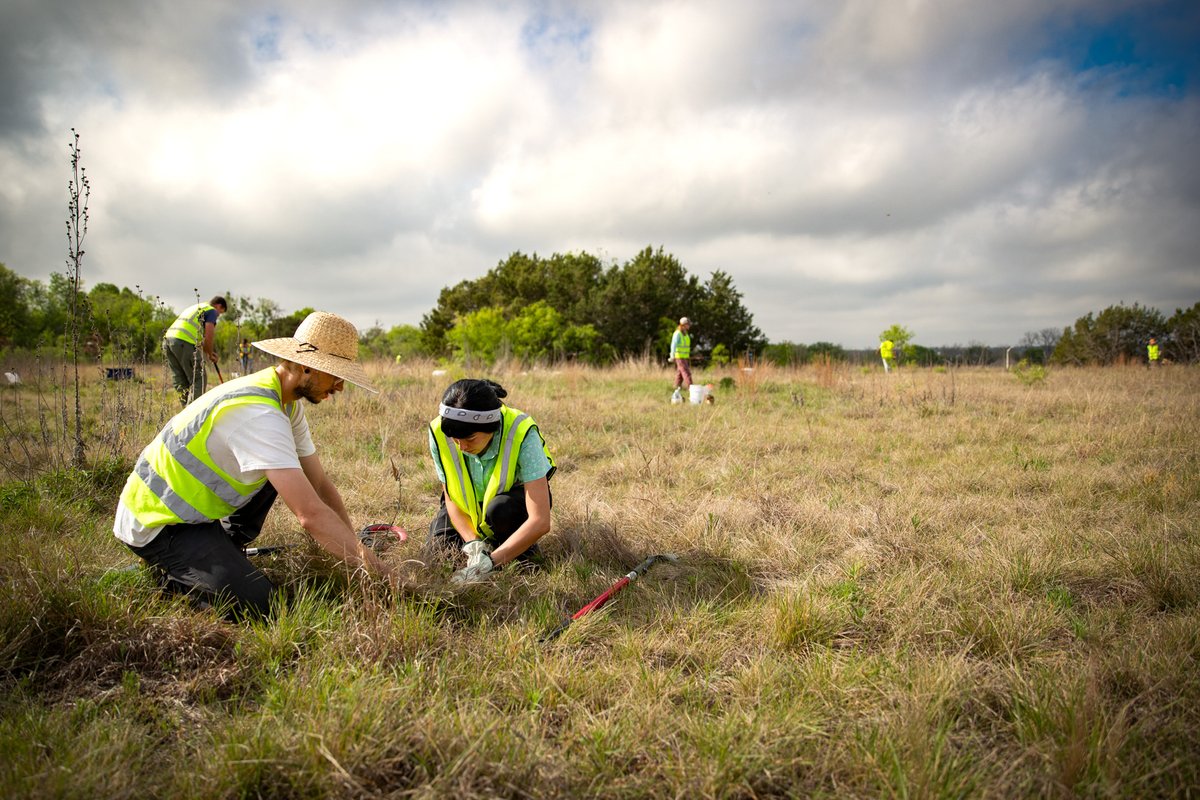
Plants are part of his job now, too. As biologist and manager at the Cooper Wildlife Management Area in North Texas, he oversees the WMA’s habitat and prairie restoration work. He gets excited when he sees tough-to-establish plants such as the sunflower-like compass plant and the pollinator-friendly rattlesnake master pop up in the prairies he’s restoring.
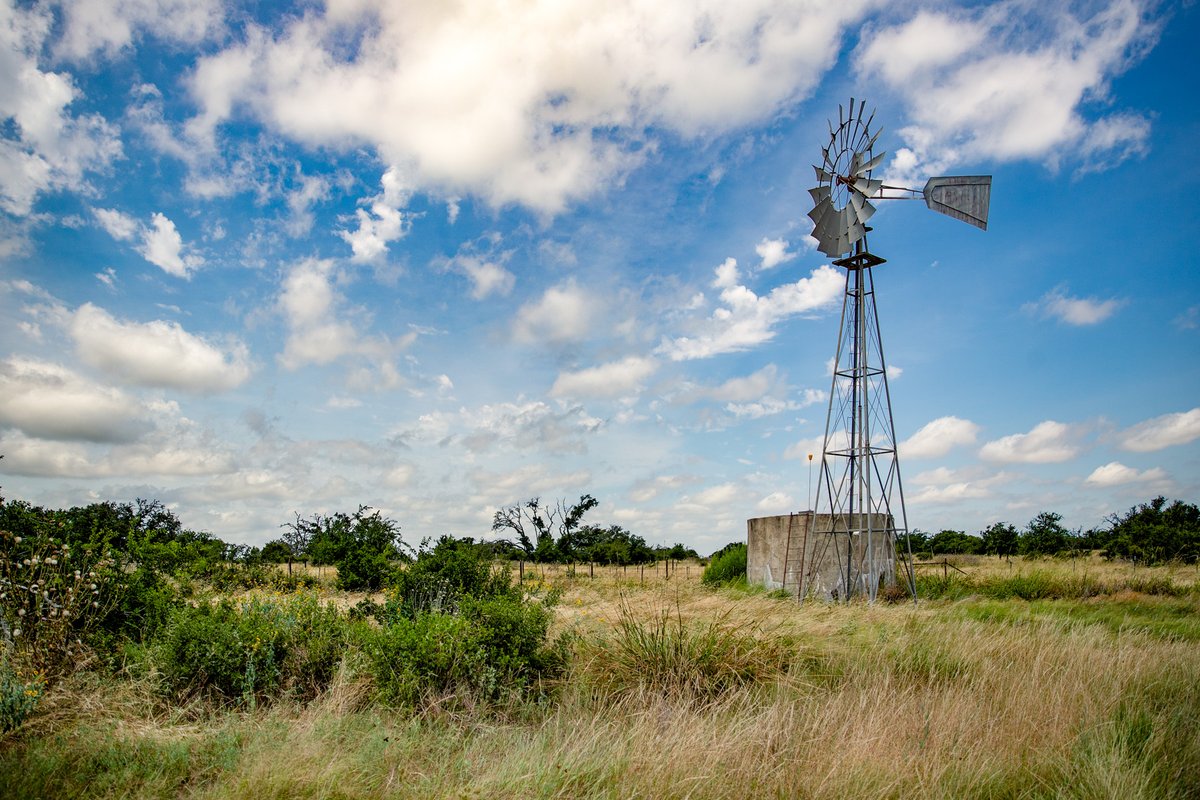
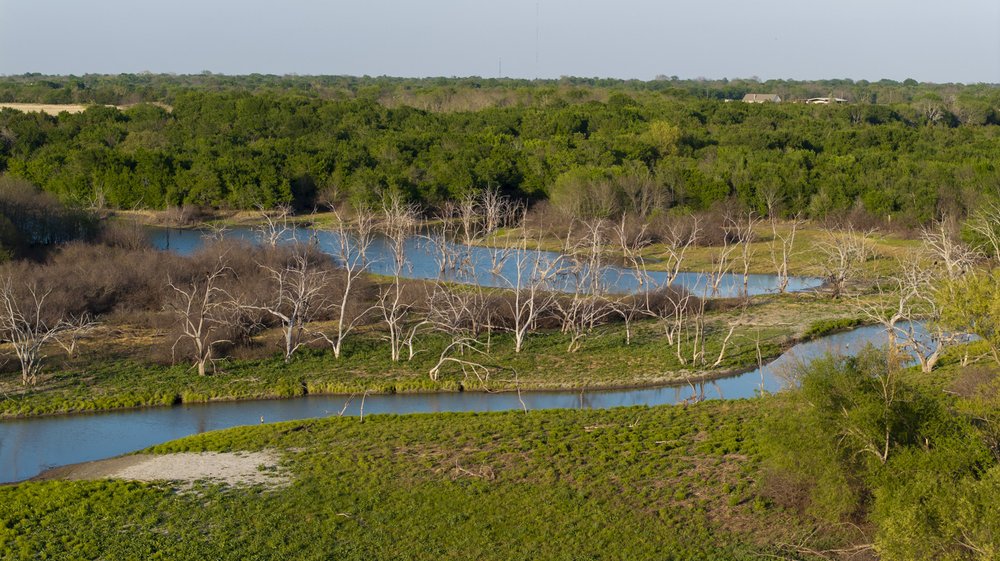
Cooper WMA exists in the easternmost reaches of the Blackland Prairie, and the 14,480-acre property surrounds Jim Chapman Lake (formerly Cooper Lake). The WMA occupies the western part of the lake, a narrow band of shoreline around the lake and the bottomland below the dam.
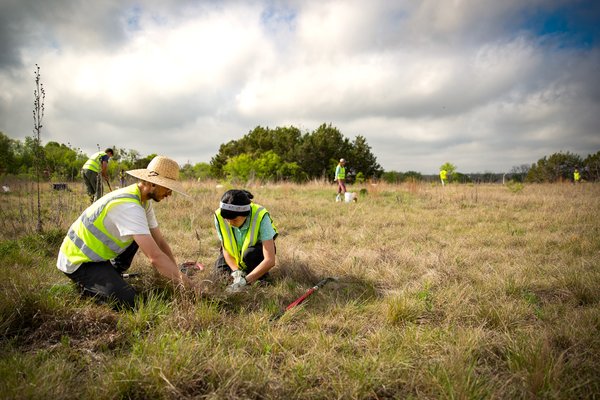
Restoring the prairie has been one of the main areas of focus in Crenshaw’s 18 years there.
“Most of this area was cotton agriculture,” Crenshaw says.
“It can be a real challenge when you start talking about restoration. How do you restore something that’s been altered to the extreme?”
At Cooper, Crenshaw and his team turned to Aldo Leopold’s traditional land management tools of ax, cow, plow, fire and gun, leaning on ax and fire to get the job done.
Invasive KR bluestem, eastern red cedar and honey locust had moved in and taken over Cooper’s landscape. With the absence of historical wildfires, woody plants and invasives established themselves where native grasses should have dominated.
On a prairie, fires aren’t destructive, they’re transformative. Fires maintain grassland health and vigor by clearing out dead plants, promoting soil microbial growth, increasing wildflower diversity and allowing native wildlife to thrive. Burned areas regrow quickly, stimulated by fire, and the natural beauty of the landscape returns. Prairie plants, with long and complex root systems, are remarkably fire-adapted.
After conducting a series of prescribed burns and native seed plantings at the WMA, “now we actually see big bluestem, Indiangrass, Eastern gamagrass,” says Crenshaw, naming several native Texas prairie grasses. “We get a lot more use from native wildlife species. The birds we see now are much more diverse. Before, you might just see some cowbirds, mockingbirds, cardinals, basic stuff. One of the interesting species that we have recently found is a LeConte’s sparrow. One year we counted like 157 LeConte’s sparrows using this property in just a two-day period.”
LeConte’s sparrow is a Species of Greatest Conservation Need in Texas and an indicator of healthy prairie.
Prairie restoration is more marathon than sprint. Patience is key. “We’ve had situations where we plant native grasses and start burning on units, and three years later we’re thinking, ‘Well, nothing happened. It didn’t work,’” Crenshaw says. “And then all of a sudden one spring the weather lines up and you get the right conditions and start noticing stuff popping up, and then five years later you see some success, and then 10 years down the road you realize that these things just take time.”
In addition to the prairie, Cooper WMA contains sections of river bottom, upland hardwoods, wetlands and post oak savannah. Cooper State Park is next door. And, of course, there’s the lake at the center of it all.