For over three decades I have called Central Texas my home. In the span of these 30-plus years, my days have been filled with photography, hiking, fishing and immersing myself in the tranquil depths of Hill Country creeks. The clear blue waters of those creeks have been the backdrop to my journey, reflecting the joys of capturing moments through the lens, trekking creekside trails, casting lines for the elusive catch and reveling in the cool embrace of a refreshing swim.
Creeks are relatable. They’re everywhere. While rivers carry a grand authority, creeks exist in the background of everyday life, easy to overlook, running through backyards and under small bridges. There may even be one down the street from you. Creeks are the places we stomped around as kids, exploring new places, catching crawdads and fishing for sunfish (or “perch” as many Texans call them).
In the twilight years of my grandmother’s life, she lived in a quaint cottage on Scudder Lane in Wimberley, steps away from the serenity of Cypress Creek. The pristine waters, more than a picturesque backdrop, were her haven — a sanctuary where time slowed and the world unfolded at its own leisurely pace. From her old wooden chair on her porch, she spent countless days observing the dance of wildlife that graced her personal stage. Deer, squirrels and the occasional turkey took turns wandering by.
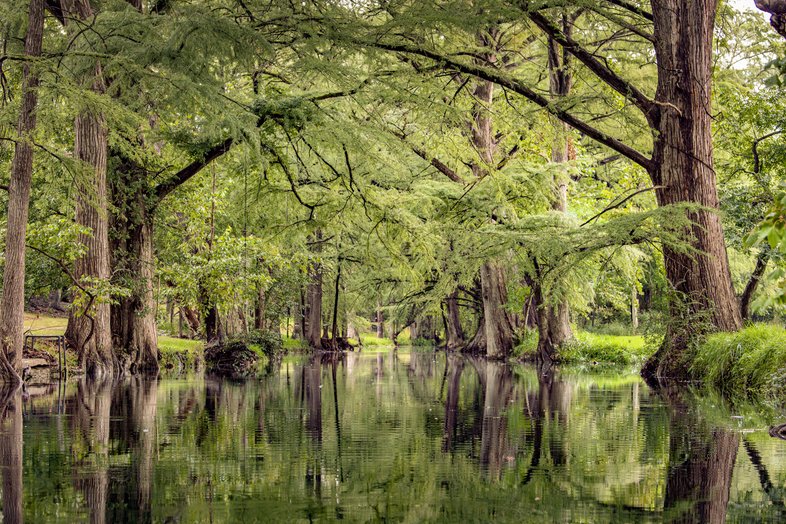
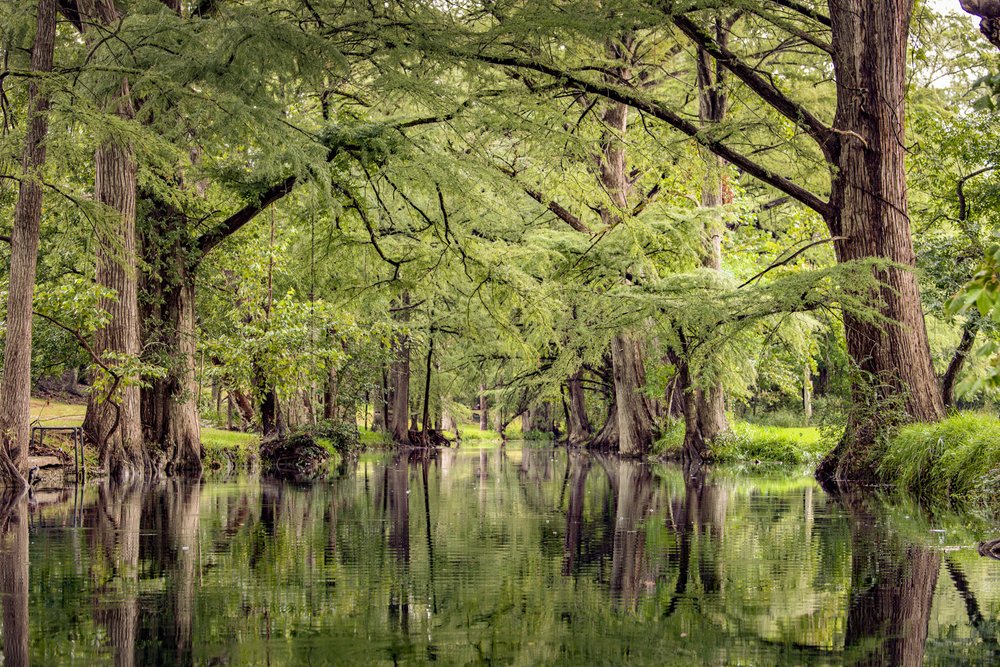
Cypress Creek, Wimberly
Cypress Creek, Wimberly
Her connection with the creek ran deeper than mere observation; it flowed through the lines of her fishing rod as she patiently sought the elusive largemouth bass. Days turned into weeks as she honed her angling skills, casting her line toward the roots of the giant cypress trees. At the age of 85, a new chapter unfolded as she dipped her brushes into the hues of watercolors and oils. Cardboard was often her canvas, and the scenes she painted were a kaleidoscope of Hill Country landscapes.
In her artistic strokes, I saw the manifestation of a life well-lived. As she painted, she breathed life into memories, crafting visual tales of the landscapes that had nurtured her existence. And so, her legacy, much like the timeless flow of Cypress Creek, continues to ripple through time, marked by love, connection and the enduring beauty of the Texas Hill Country. She passed away at 95, and I’m comforted to know that she lived a full and happy life along banks of Cypress Creek.
My grandmother’s relationship with Cypress Creek drew my attention to the connection that almost every one of us has with a local stream. For the past few years, I’ve sought to capture the spirit of various Texas creeks in photos, and I hope you enjoy the products of my endeavors. For each creek photo, our writing staff has sought out a piece of legend, lore, or personal history to accompany the image. May these photos inspire you to take a walk in the bed of your local creek and appreciate the life and beauty that these streams bring to our everyday surroundings.
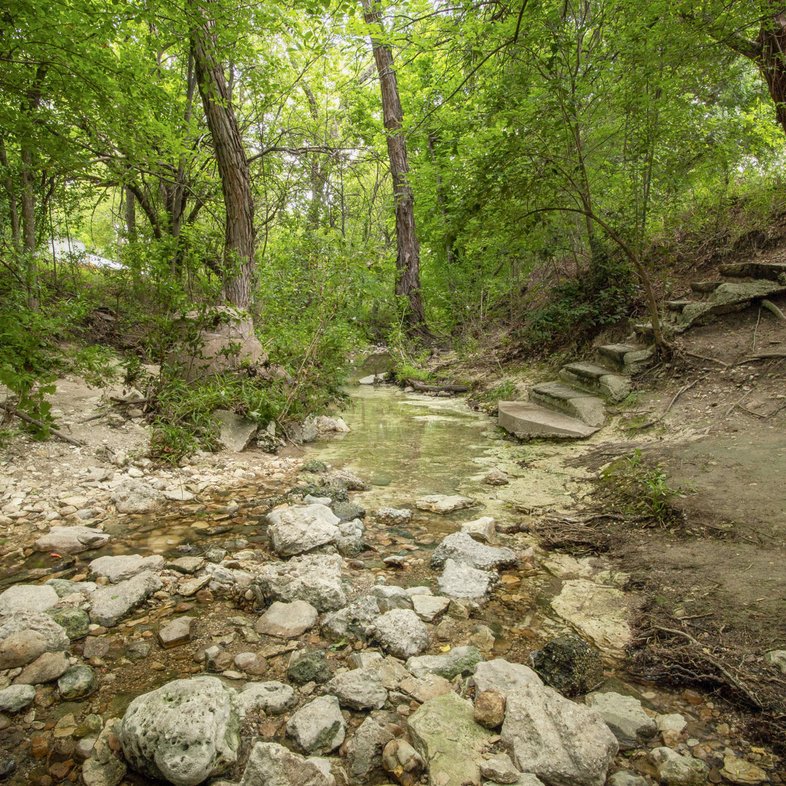
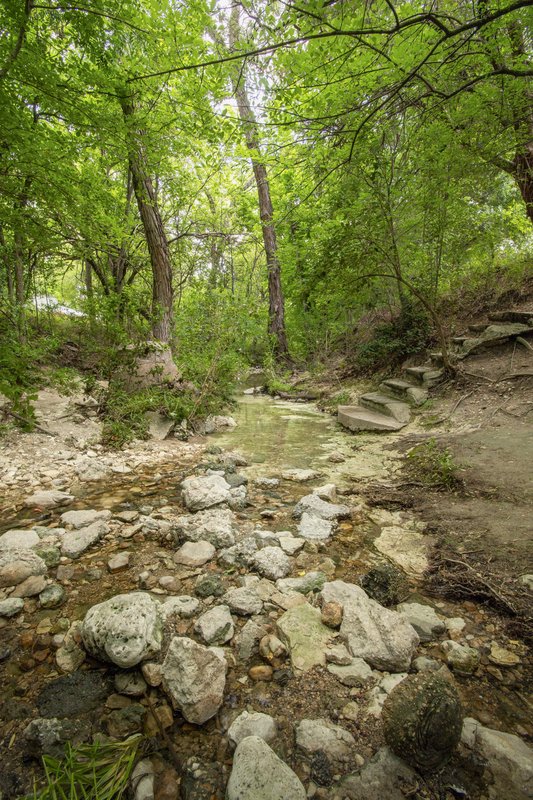
Unnamed Creek Austin
Unnamed Creek Austin
Unnamed Creek
Austin
Folk Singer Creekbed Carter Hogan’s lyrics are woven through with references to the natural world, from sycamore trees to scorpions to dirty rivers. The name “Creekbed Carter” came about as Hogan sat with friends in their backyard in Austin’s Cherrywood neighborhood, looking out into a creek so small it doesn’t even register on Google Maps. The neighborhood is criss-crossed with several creeks, most feeding into the larger Boggy Creek, which itself feeds into the Colorado River. “The tributaries that make up the Colorado River system are so important to me, and I’ve been sitting beside that one little neighborhood creek for all 11 years I lived in Austin,” says Hogan. “I’ve cried there a bunch, and explored the creek beds, and gone on dates at its edges. I don’t know if they’re called sewer creeks or what, but they’re really special to me. A cast-off place where trash and beauty collide in really moving, unique ways.”
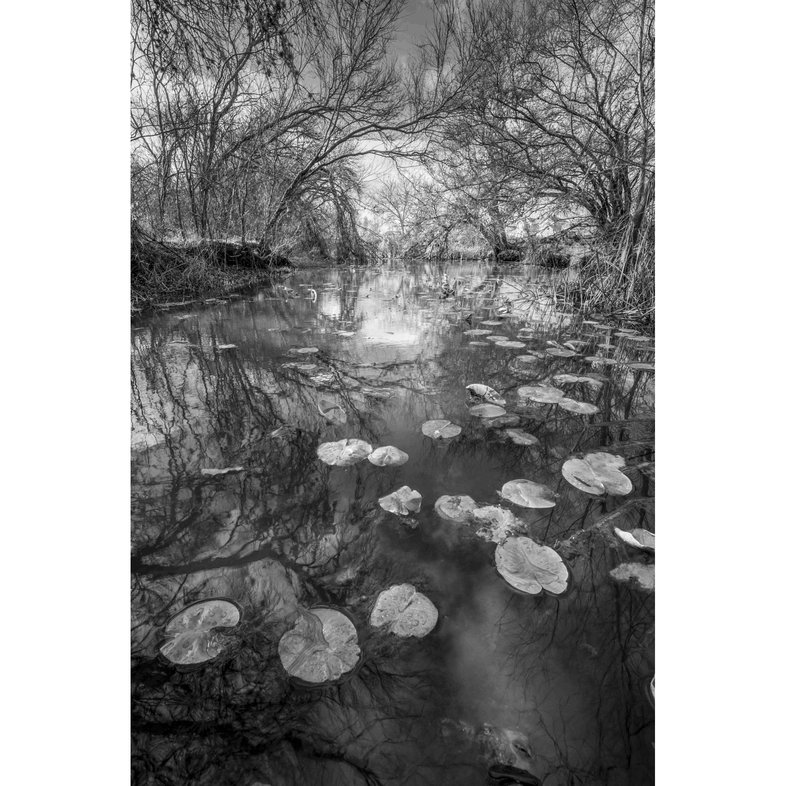
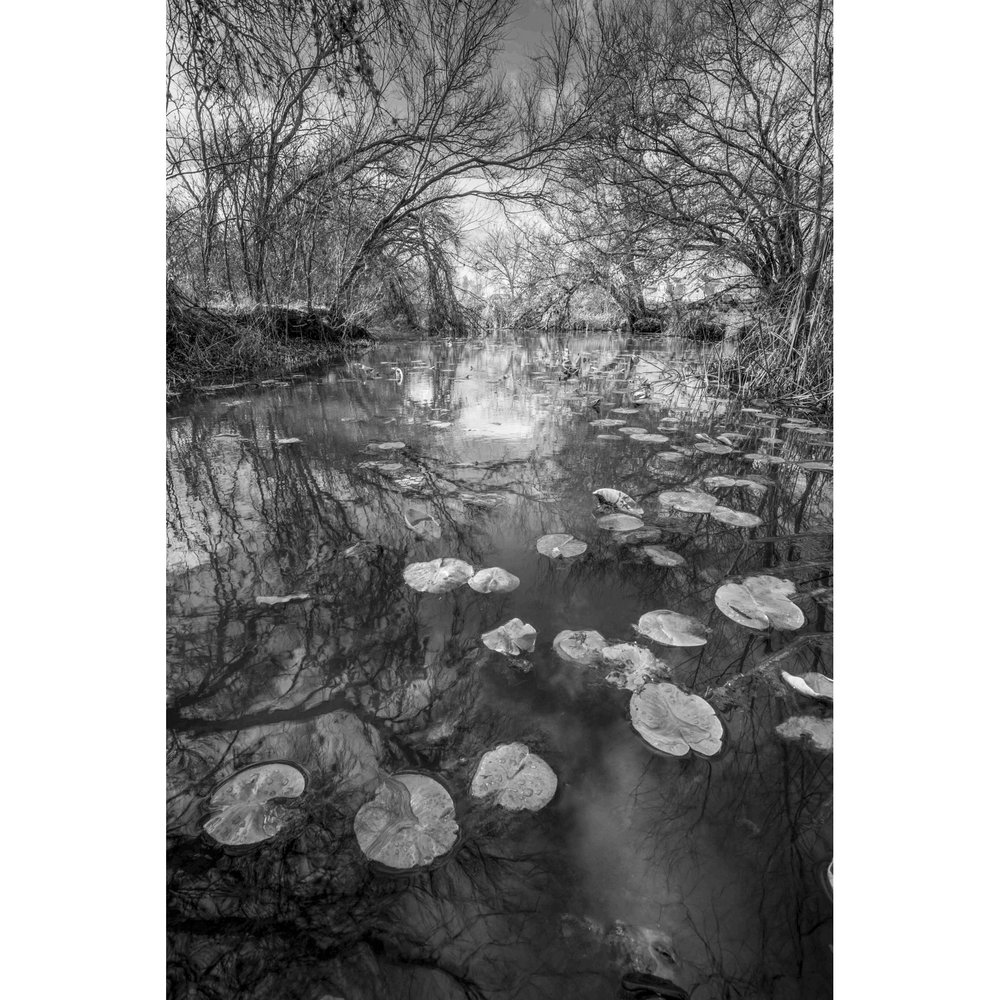
Woman Hollering Creek, Seguin
Woman Hollering Creek, Seguin
Woman Hollering Creek
Seguin
“LA GRITONA. Such a funny name for such a lovely arroyo. But that’s what they called the creek that ran behind the house.” In Sandra Cisneros’ short story Woman Hollering Creek, the eponymous stream flows throughout the story, and the narrator Cleófilas wonders about it. She’d moved to Seguin from Mexico for marriage, and when her new husband first tells her the name of the creek, she laughs. But as her husband becomes abusive and Cleófilas fears for herself and her young child, the metaphor of the creek takes on a darker tone. Was it named for a woman screaming in rage? In pain? Or La Llorona, the weeping woman who drowned her own children? In the end, the local doctor helps Cleófilas escape back to her family in Mexico. He sends a woman, Felice, to pick her up while her husband is at work. As they drive away across the creek, Felice lets out a holler. To her, the creek — pretty much the only thing in town named after a woman — represents freedom. At first the holler startles Cleófilas, but then she begins to laugh. It came “...gurgling out of [Cleófilas’] own throat, a long ribbon of laughter, like water.”
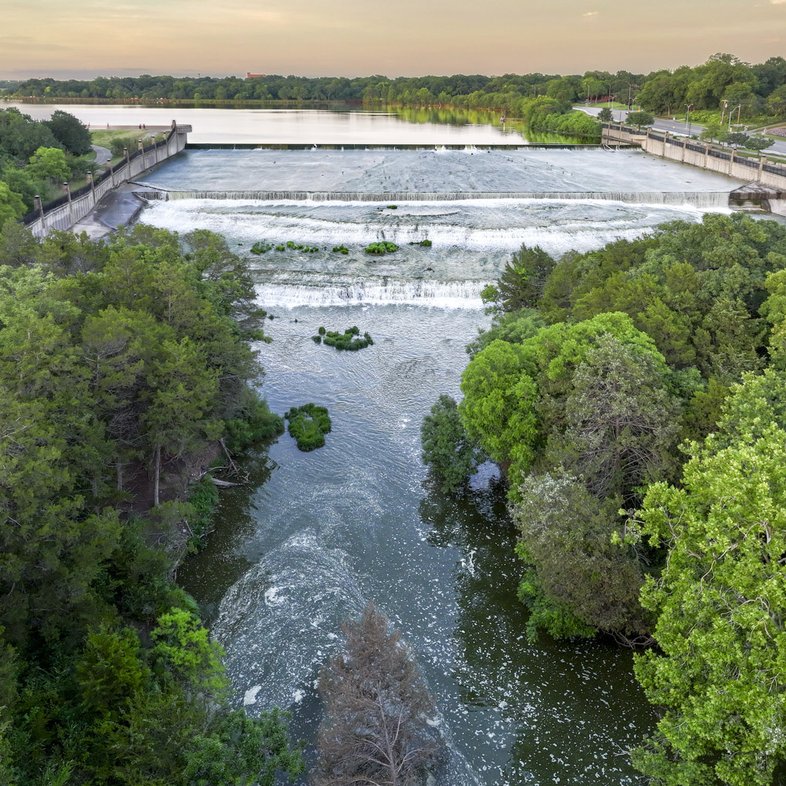
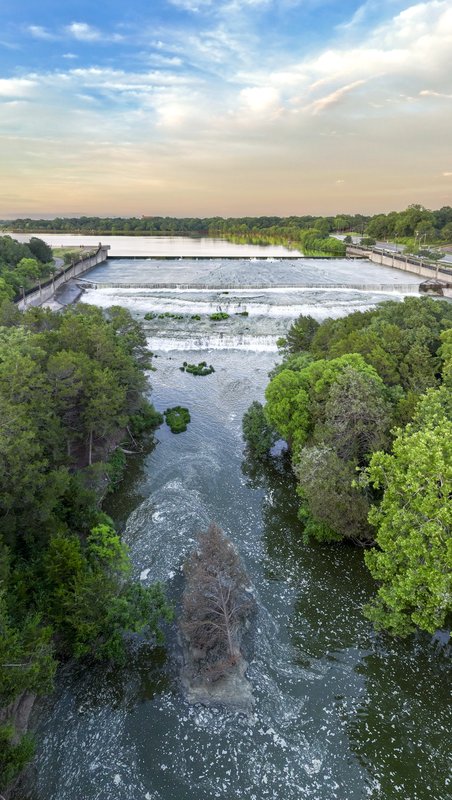
White Rock Creek, Dallas
White Rock Creek, Dallas
White Rock Creek
Dallas
Photographer Chase Fountain was born just a few blocks away from White Rock Creek, and some of his earliest memories were looking out the car window as his parents drove by the spillway. “I always thought: This must be what Niagara Falls look like,” Fountain says. The historic spillway and 2,100-foot-long dam were built in 1911 to manage water levels and prevent flooding. Today, it is lined with hiking trails and scenic overlooks and quiet reminders of Dallas history.
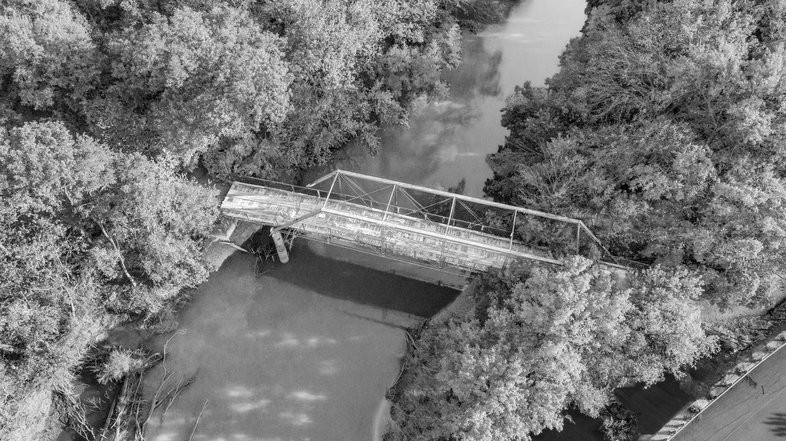
Hickory Creek, Denton
Hickory Creek, Denton
Hickory Creek
Denton
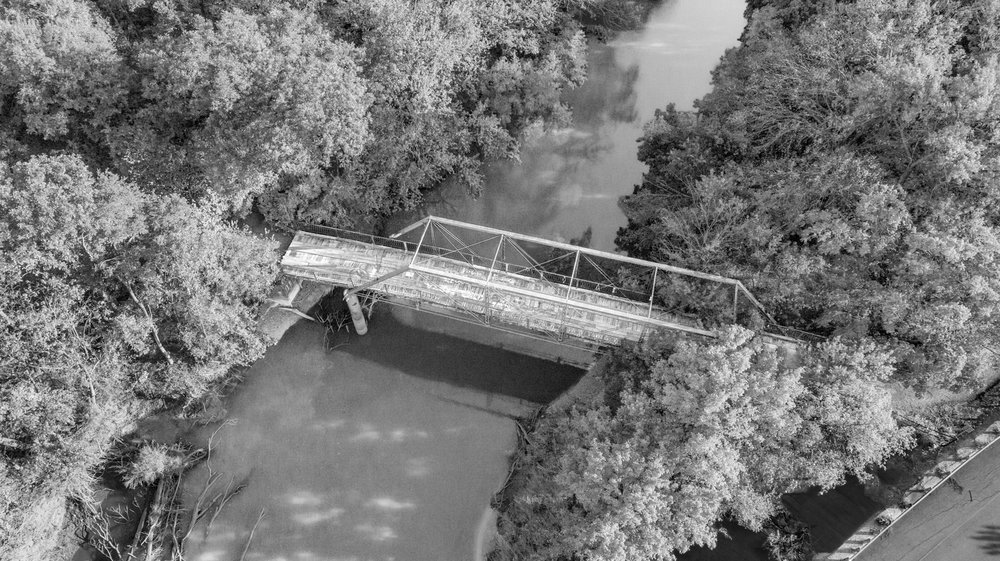
Every year, groups of Denton-area high schoolers dared each other to make a nighttime crossing of Old Alton Bridge over Hickory Creek — better known as Goatman’s Bridge. Legend held that a half-man, half-goat creature haunted its iron spans. Filled with nervous anticipation, they’d wind down backroads, secretly hoping they wouldn’t find the bridge. These days, a new bridge has been built nearby, and development has taken over the area. But back then ... “I went to Goatman’s Bridge once,” says Liz Rau Ripperger of Lewisville, recalling the chills and thrills of the experience. “Only once.”
San Felipe Creek, Del Rio
San Felipe Creek, Del Rio
San Felipe Creek
Del Rio
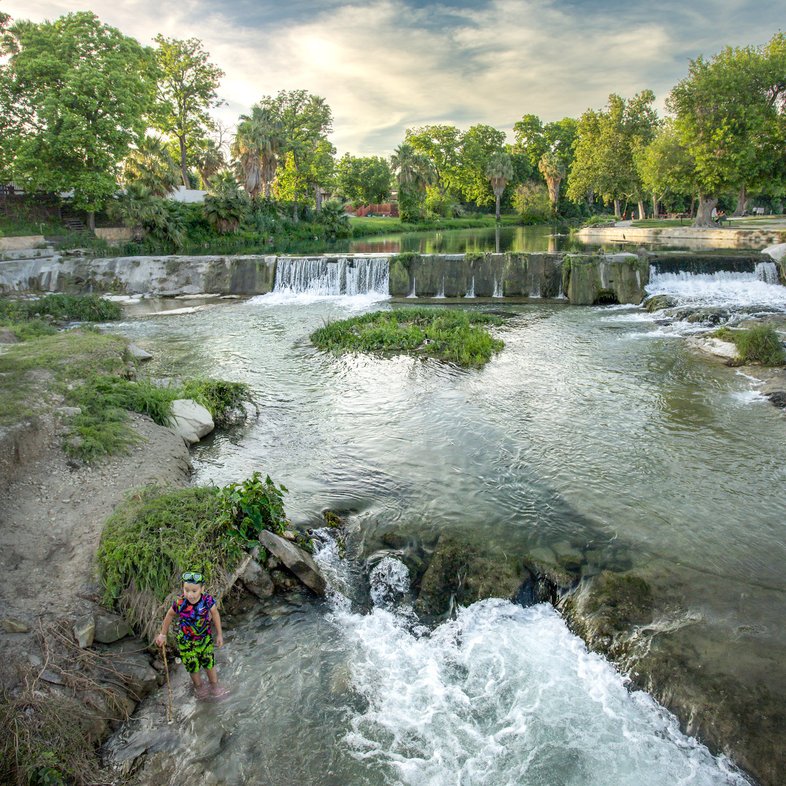
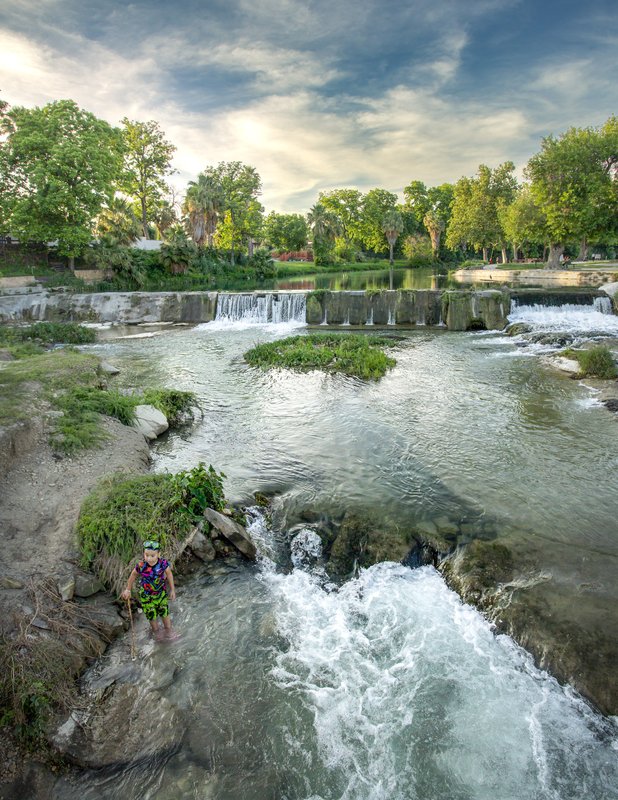
When early explorers came to the area that is now Del Rio, they were struck by the appearance of seven deep, clear pools filled with large fish, surrounded by grapevines, hackberry trees and cattails. They had come upon San Felipe Springs, the fourth largest springs in Texas. San Felipe Creek, which flows south from the springs into the Rio Grande, has nourished life in the area for centuries, but it has also taken it. In 1998, Tropical Storm Charley brought more than 20 inches of rain to southern Val Verde County in 24 hours, and the resulting flood on the creek claimed the lives of nine Del Rioans. A year later, as a collective mourning ritual, the town decided to bury a time capsule in memory of the lives lost. The time capsule contained logbooks of first responders on the scene; newspaper clippings from the days following; and photos and footage taken during and after the floods. When Del Rioans came together 25 years later, in 2024, to open the time capsule, it brought back memories of the event. Peter Ojeda, director of communications for the city of Del Rio, was a fifth-grader when the storm hit. At the time capsule opening, he was transported back to that day, and remembered hearing reports of the storm and hosting affected family members in his parents’ home. “I was visually remembering, not necessarily all the destruction, but all the help people were providing to one another,” he says. “That is what makes Del Rio unique.”