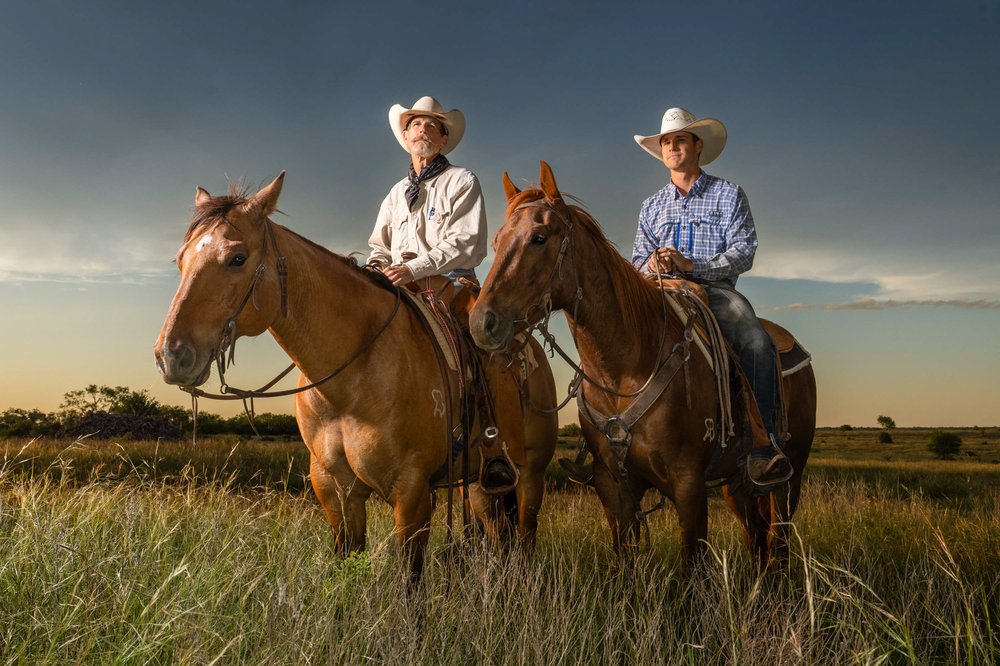
Todd McCartney did not set out to become a land steward.
“I really wasn't worried about the land or the water because the cattle were my focus,” McCartney said.
That changed in 2013, when his wife’s parents decided it was time to pass their ranch to their four children.
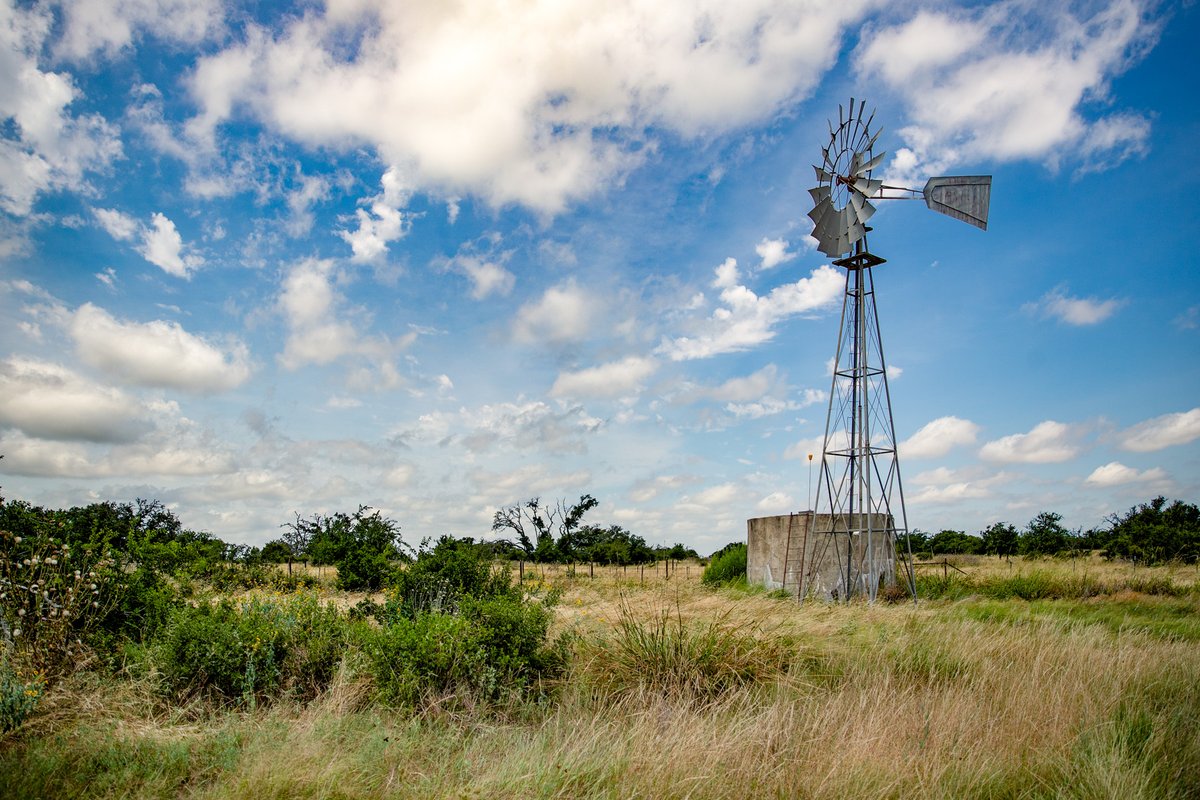
For five generations, Marianne McCartney’s family has handed down land near the tiny Texas town of Throckmorton from one generation to the next. The R.A. Brown Ranch was founded in 1895 and has a storied history as a cattle ranch and quarter horse operation.
“My wife is the fifth generation on this ranch, our kids are the sixth and now the grandkids are the seventh,” says Todd, who now owns a portion of the historic ranch along with his wife. “Our mission is to hand off the ranch to our kids in better shape than we received it.”
After the family decided to divide the ranch into four adjacent family-run operations, Todd instantly found himself thinking less like a cowboy and more like a land manager.
“There’s a different role from being a cowboy to being a rancher,” he observed. “I put on the rancher hat, and my focus completely changed.”
As the McCartneys sought ways to improve their land, they began learning more about the historic grasslands that once graced the landscape — diverse communities of native grasses and wildflowers that evolved alongside grazing animals and periodic fire. Much of that land is now covered by brush or converted pasture.
Todd connected with Derek Wiley, a Texas Parks and Wildlife Department biologist working with the Oaks and Prairies Joint Venture.
“Derek helped open my eyes to the fact that the grasslands are disappearing,” Todd says.
That’s not an overstatement. Grasslands are one of the most threatened ecosystems in the world.
“Since 1970, we’ve lost 53 percent of our grassland birds in North America,” Wiley says. “A lot of that is tied directly to the loss of healthy native grasslands.”
The Oaks and Prairies Joint Venture was established in 2008 to help reverse the decline of bird populations in Texas and Oklahoma. It is a regional partnership that includes over a dozen governmental and nongovernmental conservation organizations working together to ensure the future of grasslands and the myriad species this critical habitat supports.
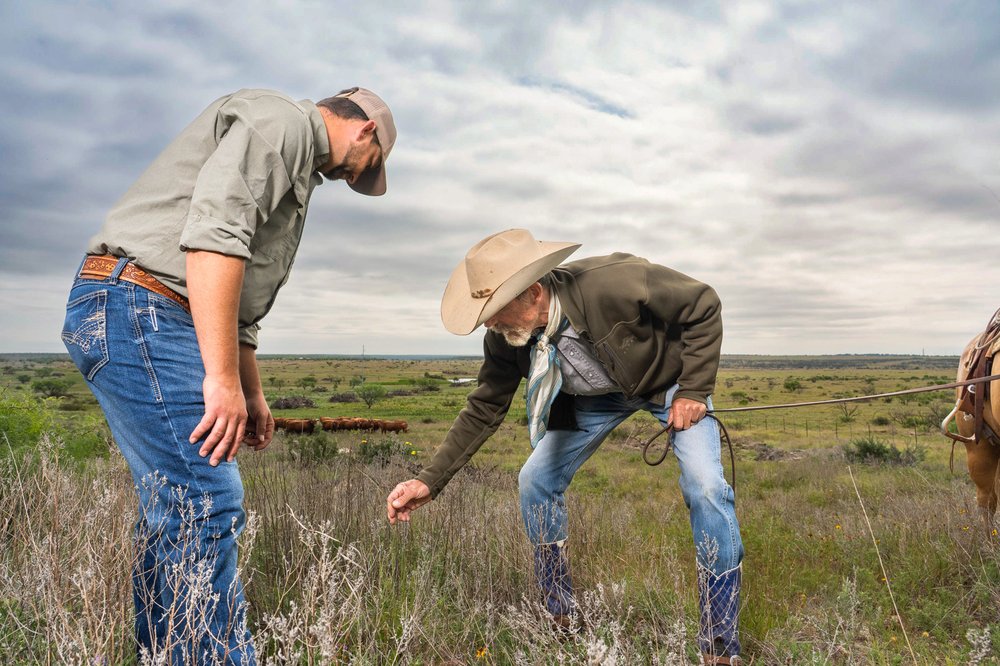
Derek Wiley, a biologist at Texas Parks and Wildlife, introduced the McCartneys to the Grassland Restoration Incentive Program.
Derek Wiley, a biologist at Texas Parks and Wildlife, introduced the McCartneys to the Grassland Restoration Incentive Program.
In Texas, where 95 percent of land is privately owned, habitat restoration depends on landowners like the McCartneys. When they first began restoration efforts, the initial goal was to improve the efficiency of their land to provide for the cattle they raise. They attempted to go it alone.
“It’s an incredibly expensive endeavor, and we took out a loan just to start
taking the trees off,” Todd says.
The McCartneys quickly realized their effort was not sustainable, and they began exploring funding options. They learned about conservation programs offered by various state and federal agencies, and in 2015 they undertook a native grassland restoration project funded by the Environmental Quality Incentive Program through the Natural Resources Conservation Service. That’s how they first got connected with Wiley, who got them thinking about ongoing maintenance of the restoration work they had undertaken.
“It’s not one and done,” Wiley told them. “We really need to think about maintenance so that you don’t lose it again. If you don’t, you’ll be back in the same boat in 15 years.”
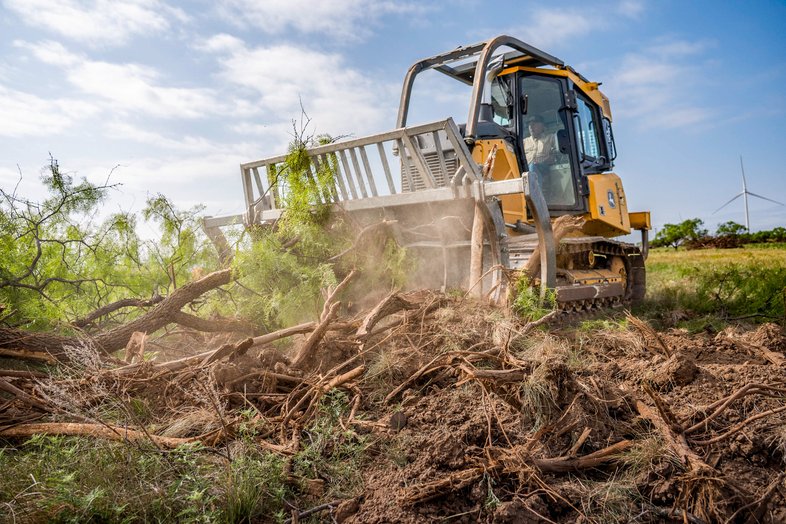
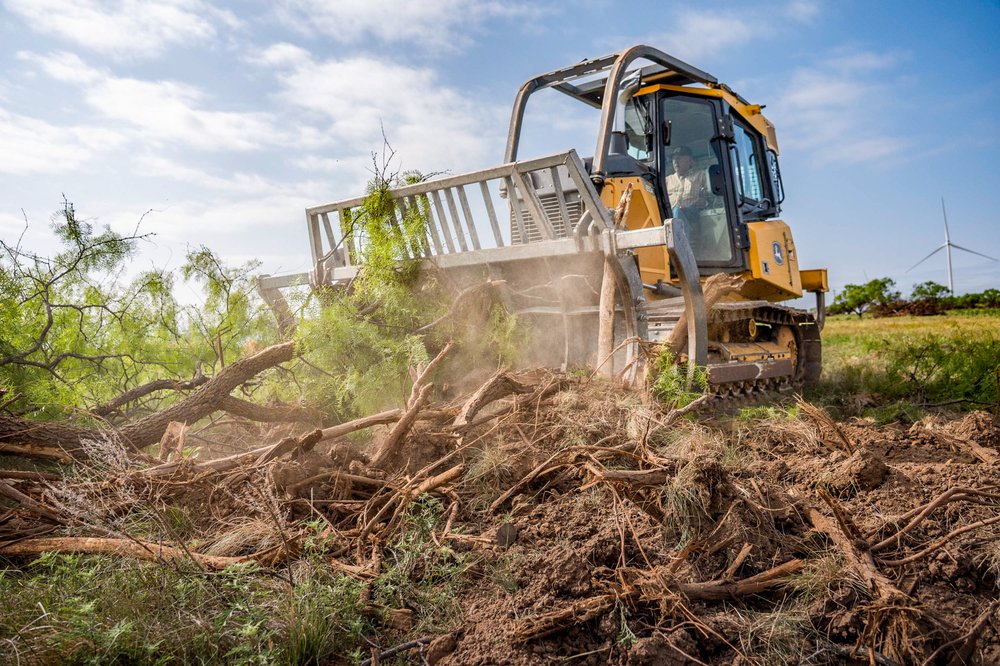
Removing dense stands of mesquite plays a part in restoring the prairie.
Removing dense stands of mesquite plays a part in restoring the prairie.
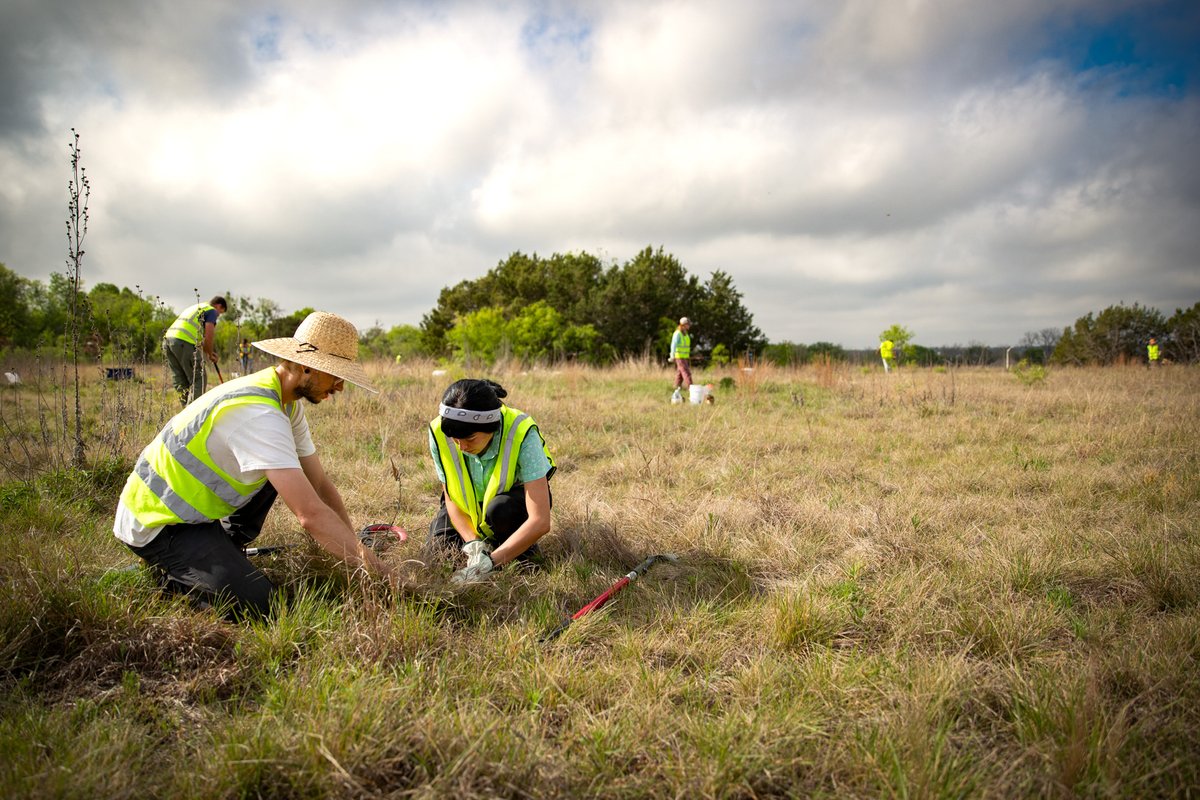
To assist on that front, Wiley introduced the McCartneys to the Grassland Restoration Incentive Program (GRIP), a voluntary incentive program launched in 2013 by the Oaks and Prairies Joint Venture. Through a mosaic of financial and technical support, GRIP empowers landowners to implement practices like prescribed burning, brush management and native range planting.
“Through GRIP, we’re able to use prescribed fire at a fraction of the cost, and it’s bringing the prairie back,” Todd says.
Since restoration work began on the McCartney Ranch, Todd has worked tirelessly to improve the land by removing dense stands of mesquite, adjusting grazing practices and conducting prescribed burns. Prescribed fire recreates the natural disturbance that once shaped these grasslands for centuries. In pastures that have burned, native grasses and forbs have returned, including some that had not been seen in decades. Todd recalls spotting a stand of Arizona cottontop grass and asking Wiley where it had come from.
“It’s always been here and never had a chance,” Wiley told him.
GRIP is funded through a variety of sources, including Texas Parks and Wildlife Foundation (TPWF). TPWF also serves as a fiduciary partner, making direct payments to landowners for approved restoration work, a critical function that is not easily executed by a government agency. TPWF funds are also leveraged as matches for other funding sources, maximizing the impact of the program.
The impact of restoration work was apparent almost immediately, and the results are visible across the ranch.
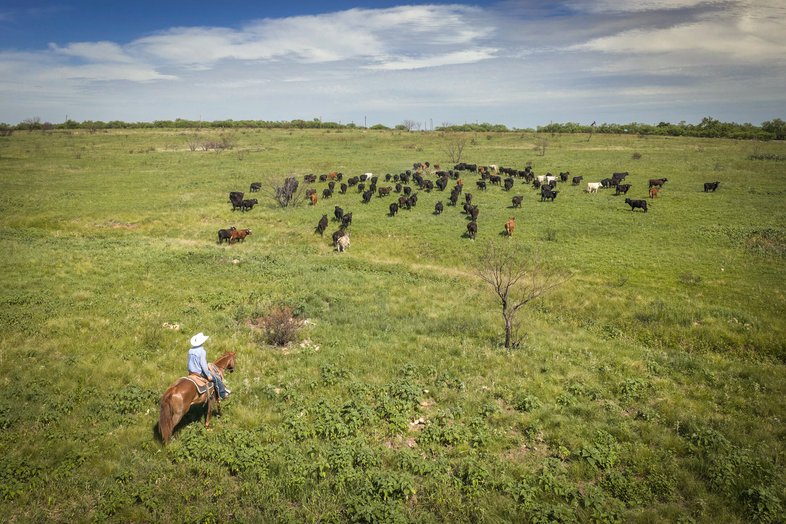
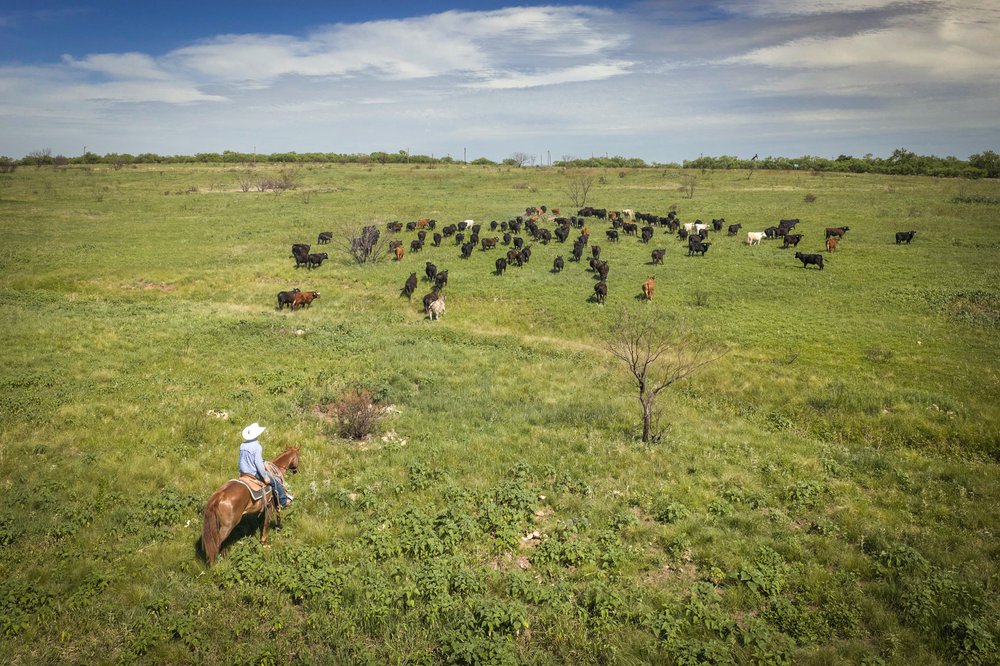
As the native prairie comes back, both wildlife and cattle benefit.
As the native prairie comes back, both wildlife and cattle benefit.
“There’s nothing quite like that flush of green after a prescribed burn and a little rainfall,” says Marianne. “You see how you’ve made a difference.”
You can hear the difference, too.
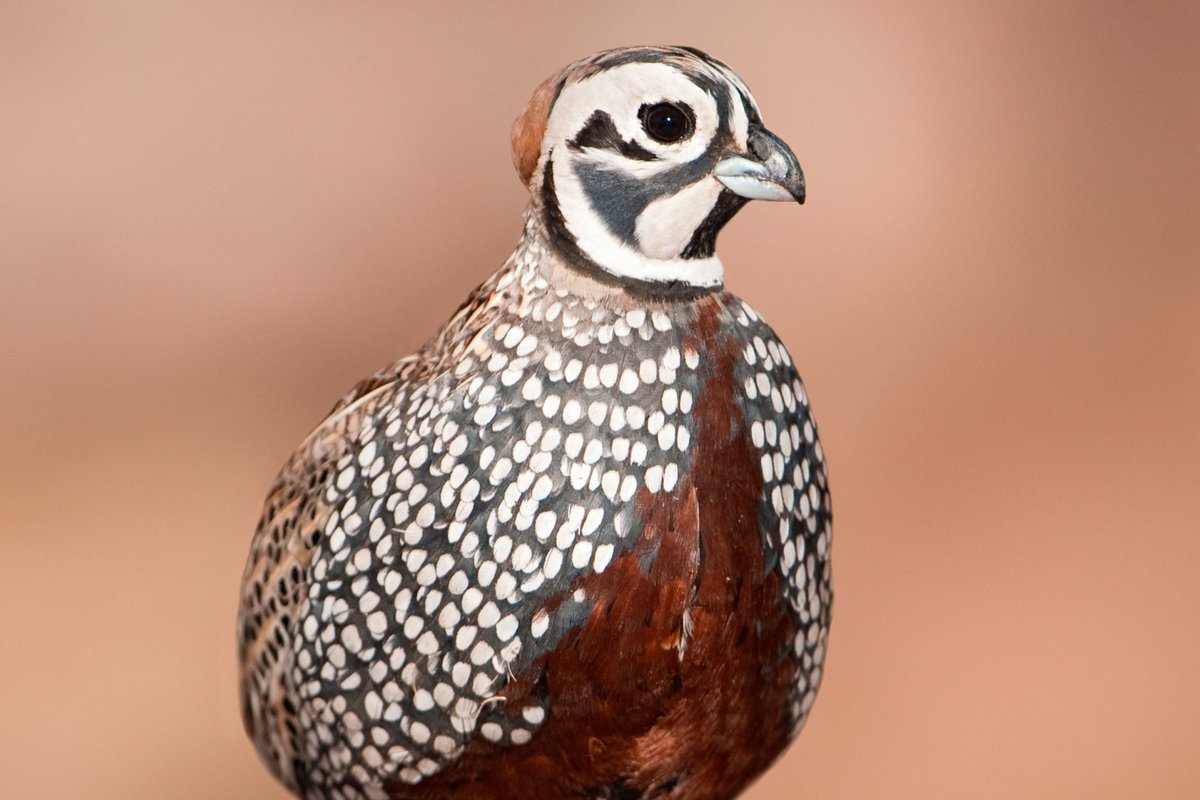
“We’ve got bobwhites calling where we didn’t hear them before,” Wiley says. “We’ve got lark sparrows, scissortails, eastern meadowlarks, Cassin’s sparrows and dickcissels all over the place now on this property.”
And as the native prairie comes back, wildlife benefits. So do cattle.
“It just warms my heart when we see a pasture that we’ve saved,” says Todd. “The cattle are fat and doing well, and the land is thriving. Going back to the grasslands is how this ranch will be the most profitable. Not only is this good for the pocketbook, it’s the right thing to do.”
Today, native grasses are returning, birds are responding and the ranch is more productive than it was a decade ago. But for the McCartneys, the work is about more than wildlife or cattle. It’s their family heritage, just waiting to be passed on.