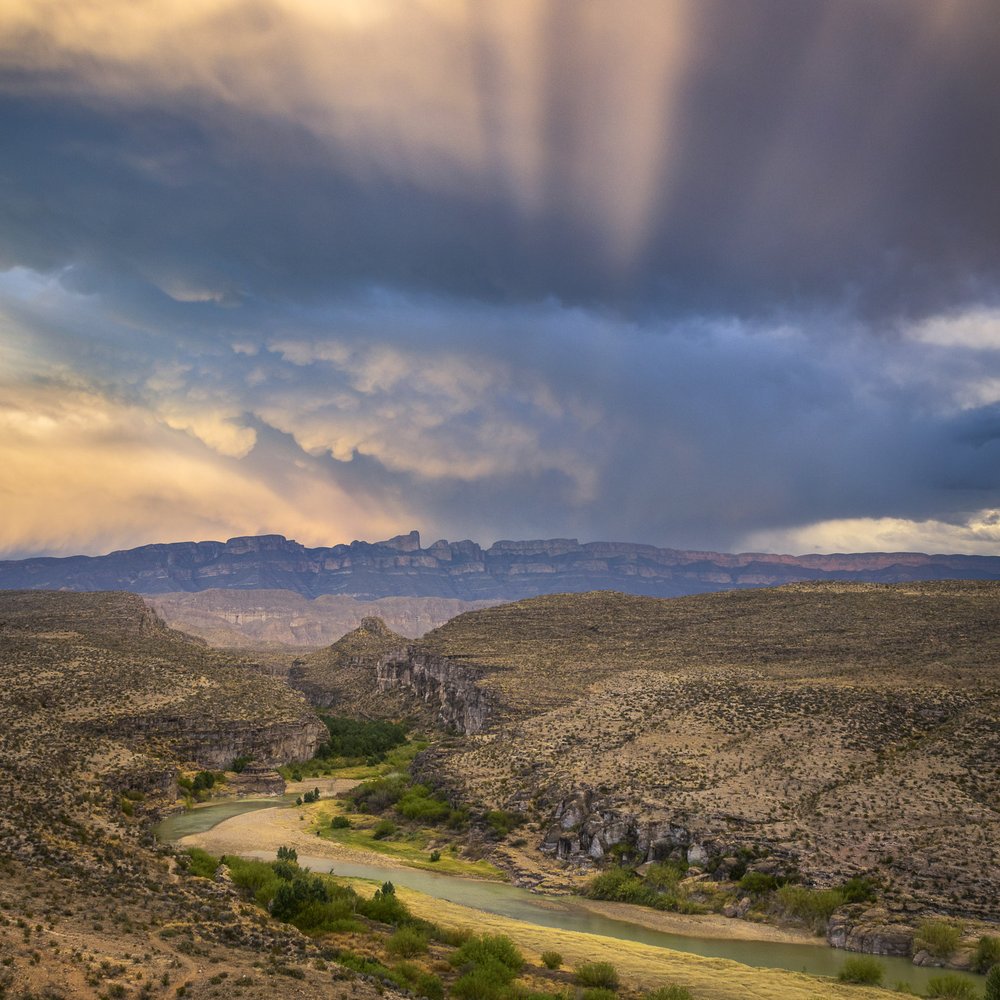
A battle is raging in Santa Elena Canyon, and our raft is heading directly into it. Rumbles of thunder bounce from wall to wall, and we glance apprehensively at each other. Trapped within the 1,500-foot walls, we have no choice but to proceed. Between thunderclaps we hear a roar coming closer, and soon we see the river’s surface being dimpled by raindrops. The storm is upon us, and suddenly our apprehension turns to wonder as drop after drop hits the surface and instantly transforms from raindrop into river.
It’s magic.
Years later, on another trip through the Lower Canyons of the Rio Grande, I have the chance to become part of the river myself. Although it’s January, it’s hot, and I cinch up my lifejacket, slip over the side of the boat and point my feet downstream.
Chances are good that the water that cools me contains some of the molecules of one of those raindrops that joined the river during that storm in Santa Elena Canyon. Other atoms of that water might have slaked a dinosaur’s thirst, or floated Cleopatra’s barge down the Nile or nourished a grape that became Don Luis Tawny Port from Del Rio’s Val Verde Winery.
Water is a peculiar thing. A single drop contains about 1.5 sextillion molecules (that’s 1.5 followed by 21 zeroes). Five drops of water contain about as many molecules as there are grains of sand on earth. Each of those molecules contains two hydrogen atoms and one oxygen atom (hence water’s chemical formula, H2O). The oxygen atoms are attracted to the hydrogen atoms in other water molecules and are constantly swapping partners — one estimate is that a water molecule exists only about a trillionth of a second before its oxygen atom hooks up with new hydrogen atoms.
So, despite the factoid used to awe each new generation of schoolchildren, the water you drink isn’t actually dinosaur pee, though there is a chance some of the atoms in it did once pass through Tyrannosaurus rex or one of the other billions of people, animals or plants that have ever lived.
But the truth is just as wondrous. What happens to a drop of water as it journeys from river to lake to ocean to cloud to rain and back again is what makes life — and many wonders of the natural world — possible.
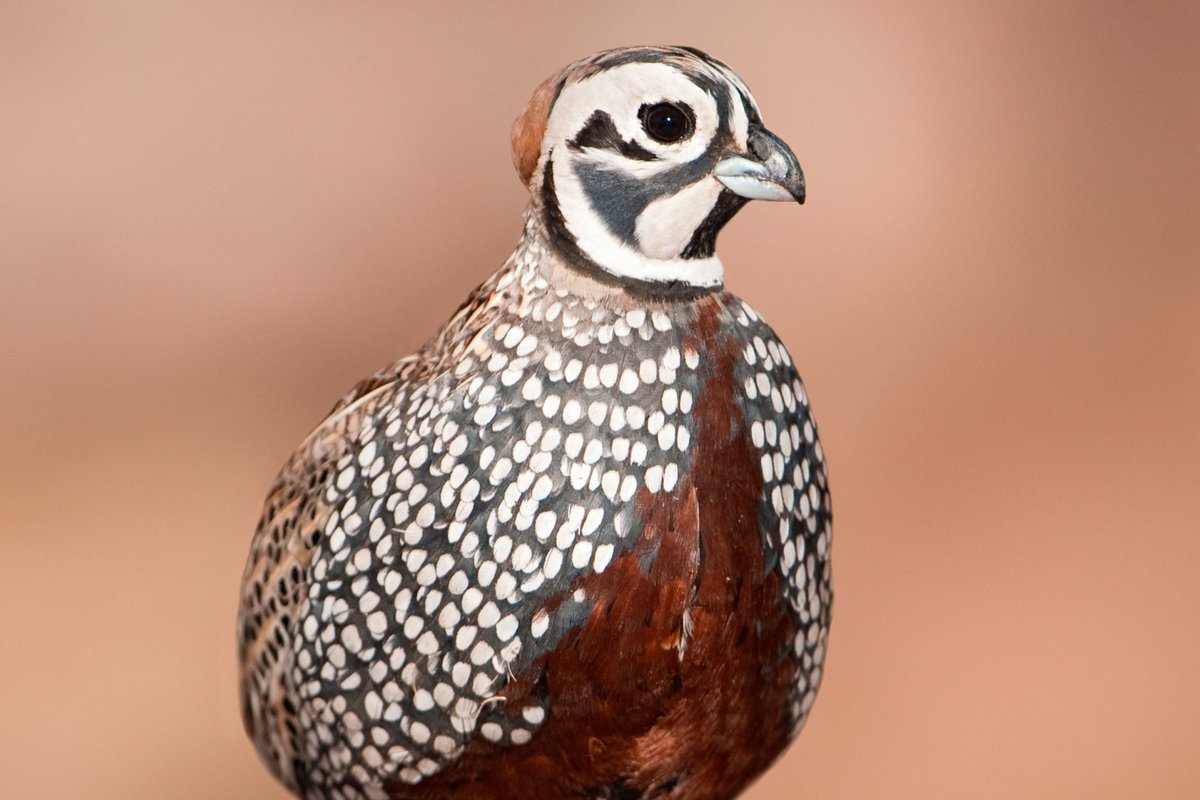
As it heads downstream, a drop of water may wind up in a water station at the Salineño Bird Preserve downstream of Falcon Reservoir. There it may be sipped by an Audubon’s oriole or a plain chachalaca, just two of 255 species spotted there in 2024. While those are residents of the area, the water may also be drunk by an orchard oriole during migration and spend time in Mexico or Central America before continuing its worldwide journey.
Cousins of that water drop continue downstream, some evaporating into the dry desert air along the way and rising into the atmosphere as water vapor, an invisible gas. At higher altitude the temperature drops, and like water droplets on the outside of a glass of cold water, the moisture condenses and becomes part of a cloud. Rain from that cloud may help replenish the Edwards Aquifer that supplies water to Austin, San Antonio and other cities in the Hill Country. It may become part of your morning cup of coffee, wash your dishes or flush your toilet. Once used, that water enters the wastewater collection system and is returned to a stream, where it continues its journey down to the sea to begin all over again.
Other water that continues down the Rio Grande will be held in Amistad and Falcon reservoirs, where it will reside — busily swapping oxygen and hydrogen atoms while furnishing habitat for fish — until the Rio Grande watermaster orders it released, either to become part of the water supply for Texas cities downstream or to irrigate crops in the Lower Rio Grande Valley.
Municipal use and irrigation account for about 80 percent of water used from the Rio Grande. Onions from the Winter Garden or pink grapefruit from Valley citrus groves both contain water that once gave life to something somewhere else.
So does the sweat from the bodies of workers harvesting those crops, and from your body as you jog or exercise.
Plants are able to use water because of its atomic structure. The water molecule’s two hydrogen atoms sit opposite each other at one side of the oxygen atom, leading some scientists to call it the Mickey Mouse molecule, the hydrogen atoms forming the “ears” and the oxygen atom the “body.” This arrangement gives one end of the molecule a slight negative charge and the other a slight positive charge. Opposites attract, and this makes water molecules “sticky.” The sticky property of water means that as a molecule of water moves from a plant’s roots to its leaves, it pulls adjoining molecules along with it. Plants draw in and then emit enormous amounts of water every day by this process.
None of that water ever goes away. It may be used, abused and reused, but it always returns to the cycle, to be taken up by another organism or evaporated into the atmosphere to go through the process again.
Oceans drive the process. About 97.5 percent of the world’s water resides in the oceans, where it may stay for a few thousand years before being evaporated, turned into a cloud and returned to earth as rain, a process that takes about nine days. Some 90 percent of rain falls directly back into the ocean; only the remaining 10 percent falls on land and becomes part of rivers, lakes, glaciers and groundwater.
Every person, animal and plant on planet Earth wants a share of that 10 percent. Formed 4.5 billion years ago, every drop of water connects all things on earth now alive, that ever lived, that ever will live. It’s the mighty morphing power drink.
Not-so-simple drops of water. Always old. Forever new.